

01
Respect boundaries at religious sites and neighbourhoods
Read access, clothing and photography notices at temples, mosques and other religious places; rules differ between sites. Thresholds, railings and displays can form part of protected heritage. Avoid touching or leaning on them, and keep paths clear while photographing.
An open courtyard door in a village does not imply visitor access. Ask workshops whether they welcome visitors, permit photography or need reservations. Clarify the scope and price of any paid experience before accepting it.
02
Make meals easier to navigate
State party size, dietary restrictions and preferred portions before ordering, and ask which dishes are intended for sharing. Ingredients, spice and preparation vary by restaurant. Ask explicitly about allergens; less spicy does not mean no chilli. Use short sentences with translation tools and allow staff time to confirm.
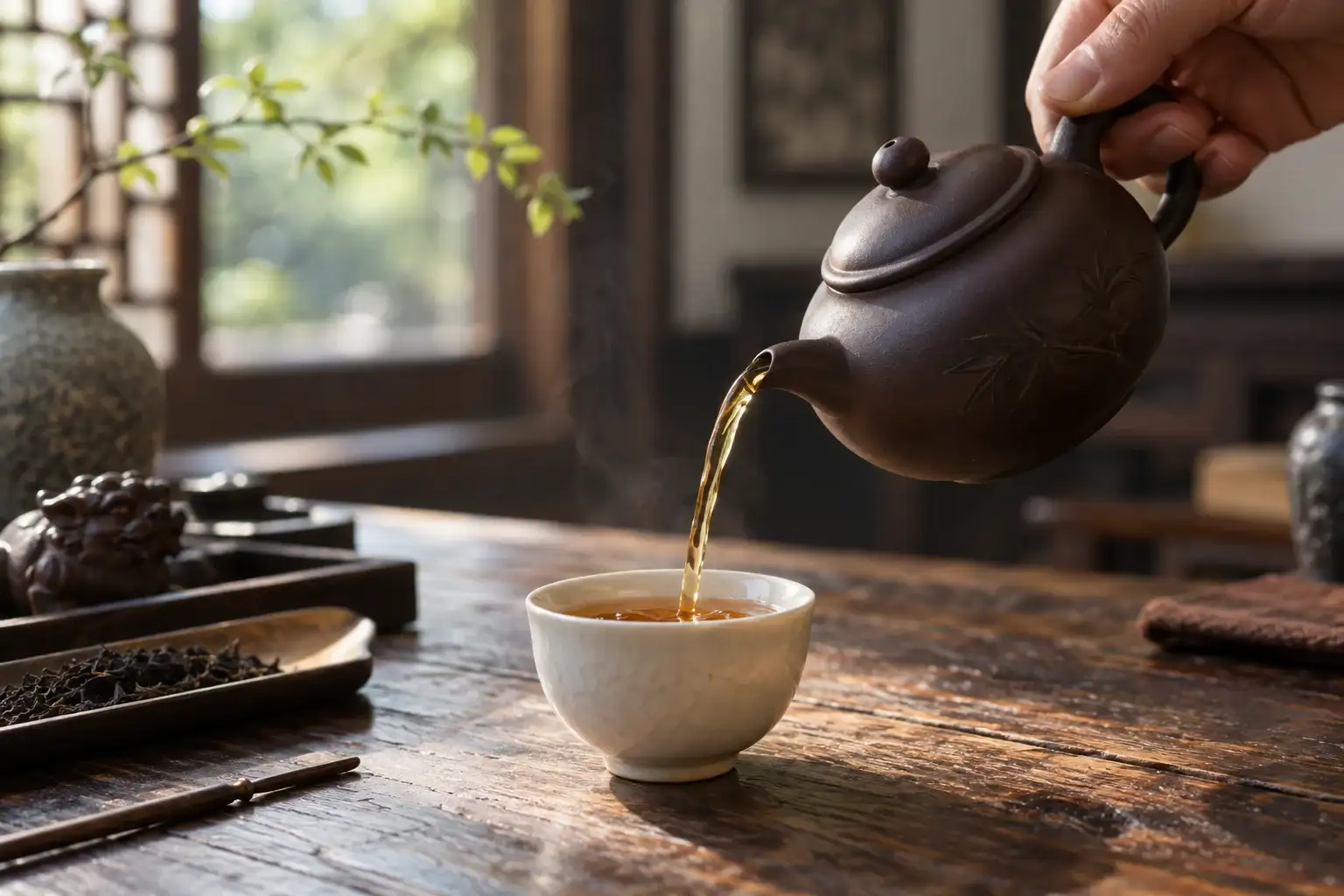
For tea, ceramics or craft interests, museums and publicly listed visitor spaces make useful starting points. Clarify services, prices and change conditions before purchases or experiences, keep receipts, and politely decline unwanted extras.
03
Be curious and considerate.
Local communities are people’s homes, not just a travel backdrop. Slow down, pay attention to signs in public spaces and avoid reducing different regions or communities to a single image.
04
Ask before photographing people.
Ask before photographing people, private spaces or craft work. Respect a request not to be photographed and follow the rules at museums, religious sites and attractions.
05
Learn through everyday encounters.
A meal, a cup of tea or a neighbourhood walk offers a way into local life. Explain dietary and communication needs in advance instead of assuming every arrangement will suit you.
Official sources checked: 2026-10-02. This guide supports planning. Refer to official sources and confirmed providers for time-sensitive arrangements.
Visa & entry guide

