From Karst to Terraced Fields
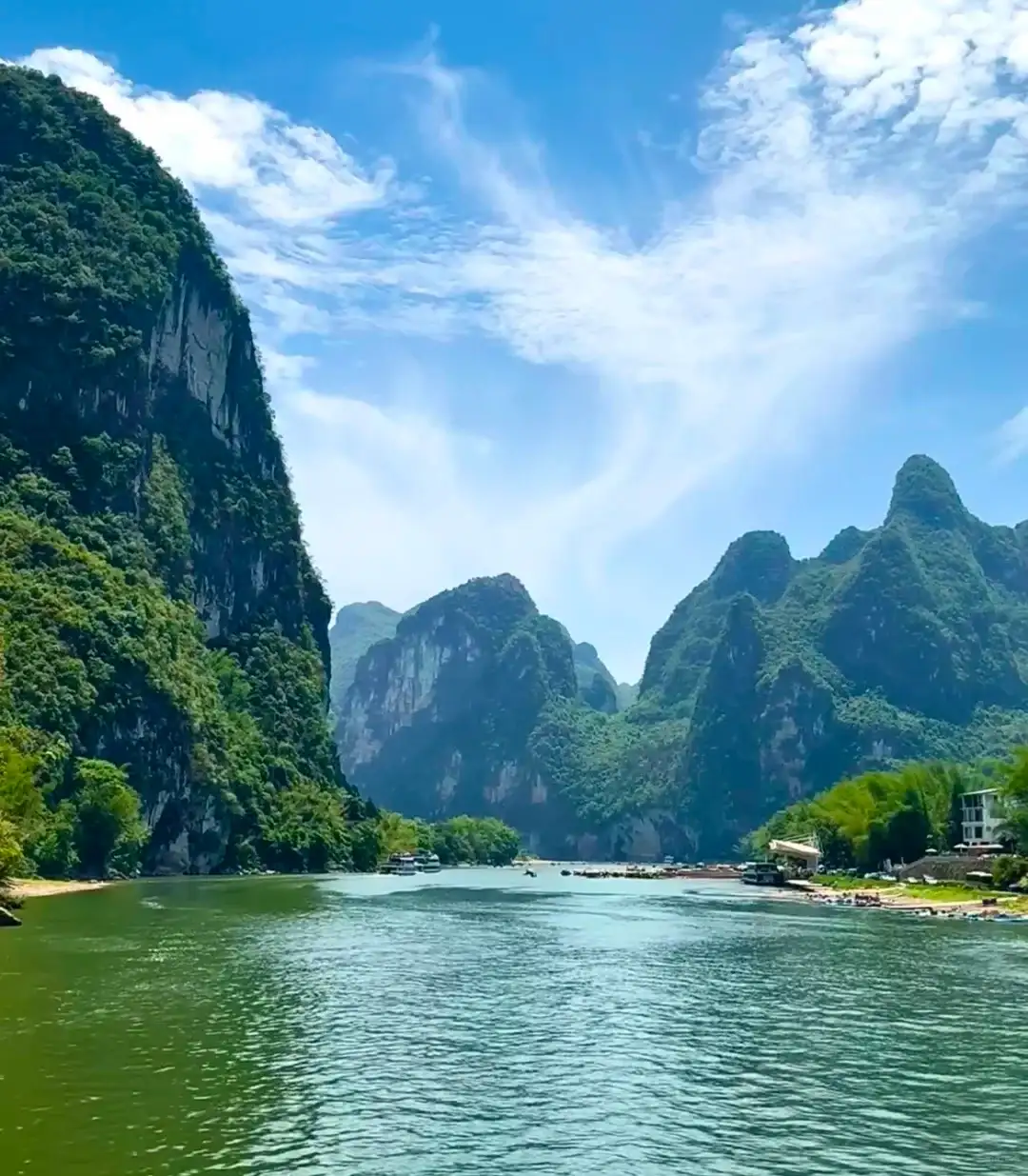
The Guilin itinerary features the Longji Terraces as a separate destination from the Li River. The hillsides, villages, and signs of cultivation here offer a landscape distinct from the karst peaks in the river valley. Upon arrival, you can choose a walking route that suits you and observe how the ridges unfold along the contours of the mountains, without having to rush back and forth just to take a few photos.
Deciding on a Day Trip to Longji
To get from Guilin to Longji, you must first reach the scenic area entrance and then head to the village area suitable for hiking. There is a long-distance hiking route connecting Gu Zhuang Village, Ping’an Village, and Da Village; however, if you’re on a five-day itinerary with only one day allocated for Longji, it makes more sense to choose a section of this route rather than hiking the entire distance across all three villages.
From a distance, you see the overall winding shape of the terraced fields; only upon approaching do you notice the ridges, stone steps, and houses. The long-distance hike is suitable for those prepared for a hike; if accompanying travelers with varying fitness levels, confirm your return transportation first before deciding which scenic spot to walk to.
Within Longji, there are various villages and scenic viewpoints; the terraced fields that appear connected in photos may not necessarily be traversed in a single short hike. For a day trip from Guilin, you should first determine your entry and exit points, then select a route that seamlessly connects ridges, stone steps, and scenic spots. If you plan to hike across multiple villages, you’ll need to factor in your stamina, weather conditions, and return transportation.
From a high vantage point, the fields wind in layers along the contours of the mountains; it’s only when you return to the village paths that you notice the houses and farmland nestled between these lines. The season determines the colors, and the trails may be slippery after rain. Rather than chasing that perfect photo of golden terraces, taking a leisurely walk along a section of the trail in proper footwear will help you better understand why Longji and the Li River karst peaks are worth spending two days exploring.
The scenery changes with the seasons
The colors of the terraced fields are influenced by farming practices and weather conditions, so they may not match promotional photos at all times. It’s best to focus on the layered mountain scenery and the layout of the villages. If you encounter slippery surfaces or low visibility, shorten your walking route; your comfort on the day is more important than recreating a classic photo.
A day in Longji involves a fair amount of walking; choose your route based on your physical condition—there’s no need to make every viewpoint a must-visit. If you want to truly understand the terraced fields, observing how the ridges, village paths, and slopes connect offers far more insight than simply waiting for the so-called “best colors.” Set aside the evening after returning to Guilin for rest, to conserve energy for the upcoming Li River segment.