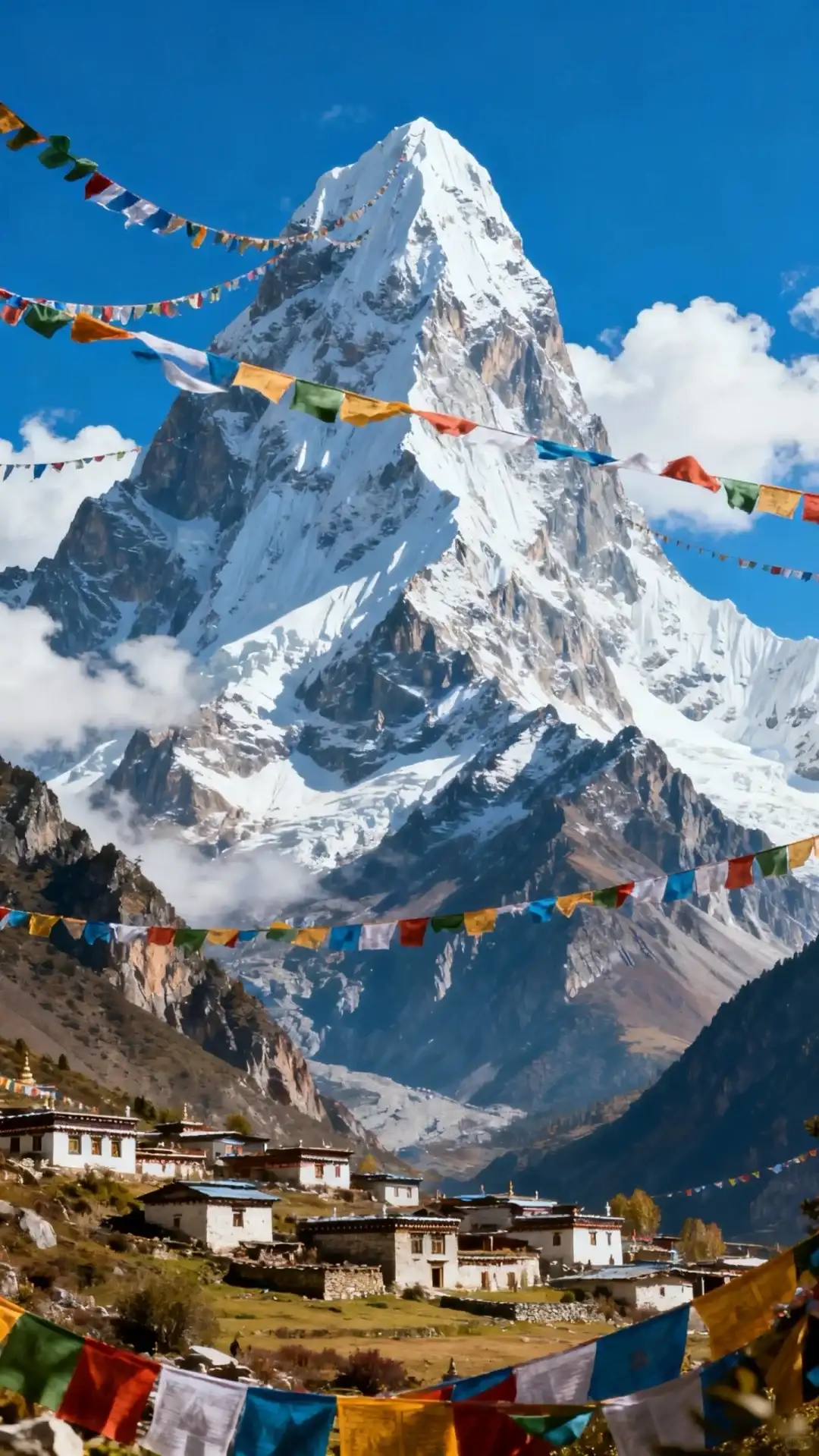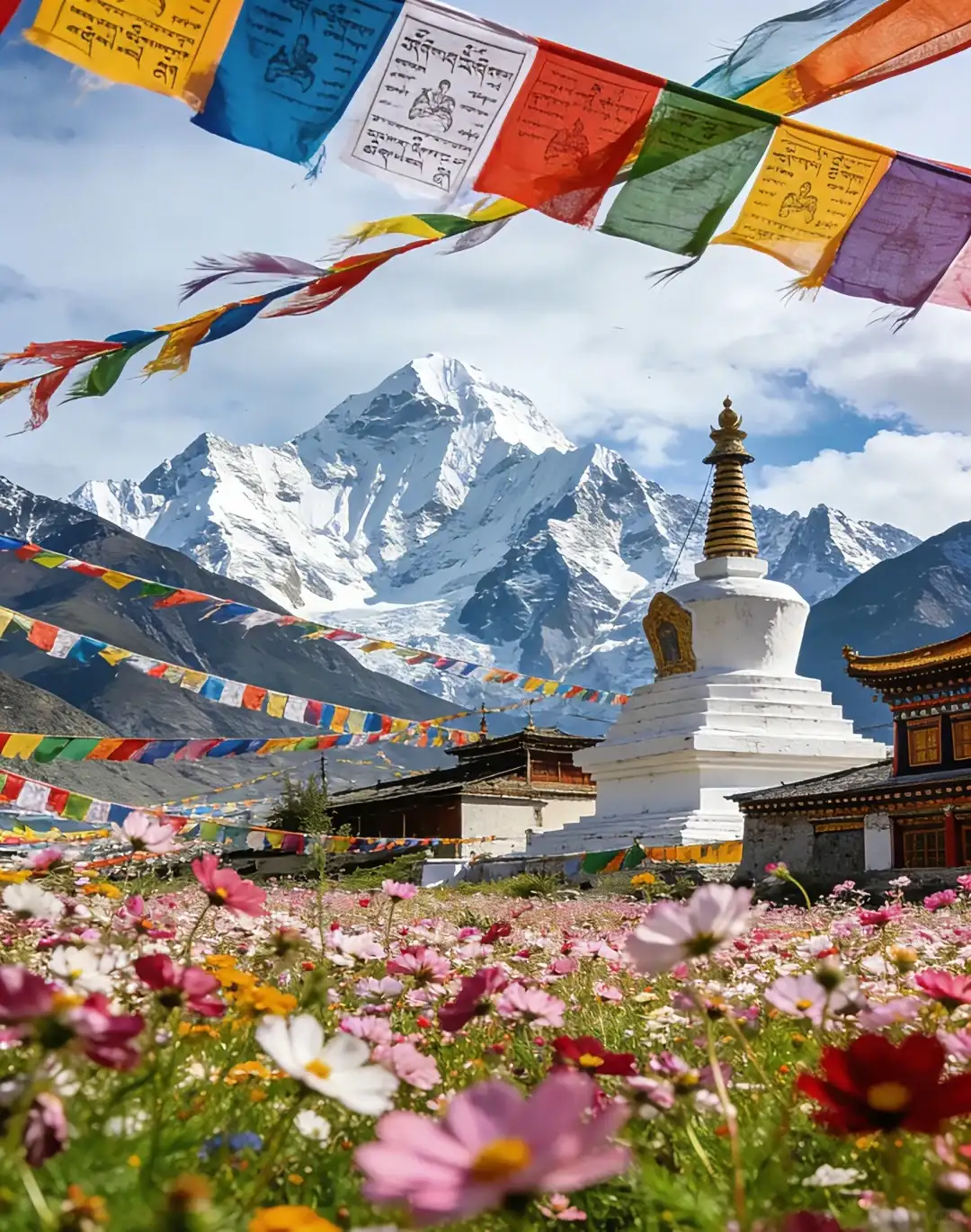
the journey itself offers plenty to experience
The route turns from Lhasa toward Nyingchi, then passes through the Yarlung Tsangpo Grand Canyon, Sosong Village, and Basongcuo. Mountain roads, river valleys, and woodlands gradually become the focal point of the landscape; these days should not be viewed merely as a journey to a single lake. Appropriate rest and stops will help you appreciate the changes in the landscape.
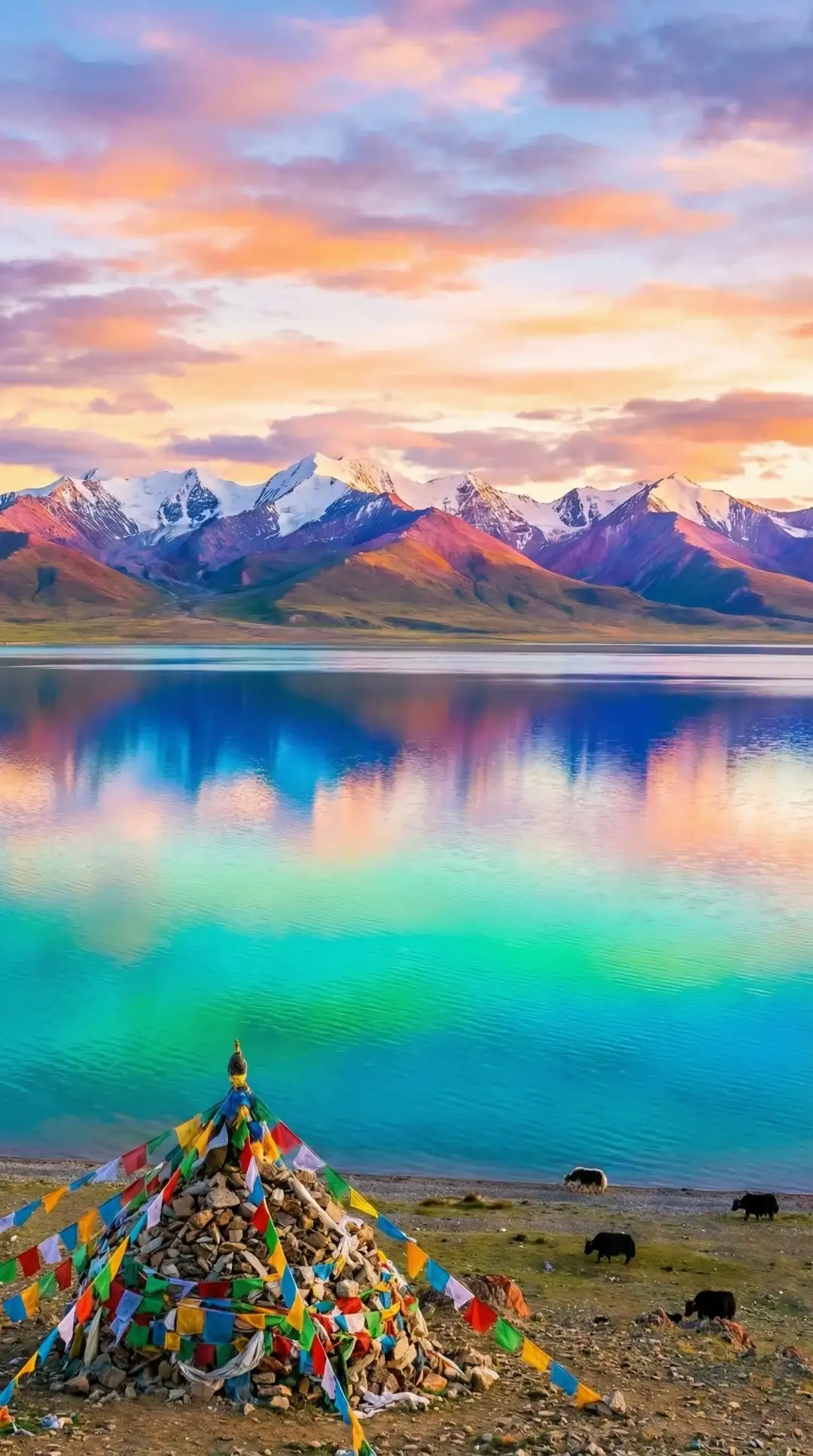
Driving from Lhasa into the Nyingchi Valley
The journey from Lhasa to Basongco doesn’t end at the entrance to the scenic area; there are still roads connecting the lake’s central island, Jieba Village, and the lakeshore. First, decide where you’ll stay that night, then determine how far you’ll walk along the lake. The changing landscapes of the river valley and woodlands along the way are the highlight of the day.
If you’d like to add Xinzhuo Lake or a longer hike, you should check road and trail conditions separately; don’t assume these are included just because others’ travelogues make them sound easy. There are high-altitude lake views further along the 10-day itinerary, so your stop at Basongcuo Lake can focus primarily on the lakeshore and villages.
When entering Nyingchi from Lhasa, the different valleys aren’t simply a series of one scenic overlook after another. Near Basum Tso, you can admire the lake and surrounding villages; as you continue toward Nyingchi and the Yarlung Tsangpo River, the interplay between forests, river valleys, and snow-capped mountains will gradually change. If your lodging is too far from the day’s main stop, walking the same mountain trails back and forth in the morning and evening will eat into the time you could otherwise spend hiking.
Based on self-driving records, we’ll make stops at the lakeshore, Lulang, and Sosong Village, and note that some sections may require turning back due to terrain. This site’s 10-day itinerary should be organized based on the Nyingchi stops already included, rather than incorporating every side trip mentioned in the original post. Whether Namcha Barwa is visible depends on the weather; even if the distant mountains are hidden in the clouds, the river valleys and forests along the way still offer clear sights to enjoy.
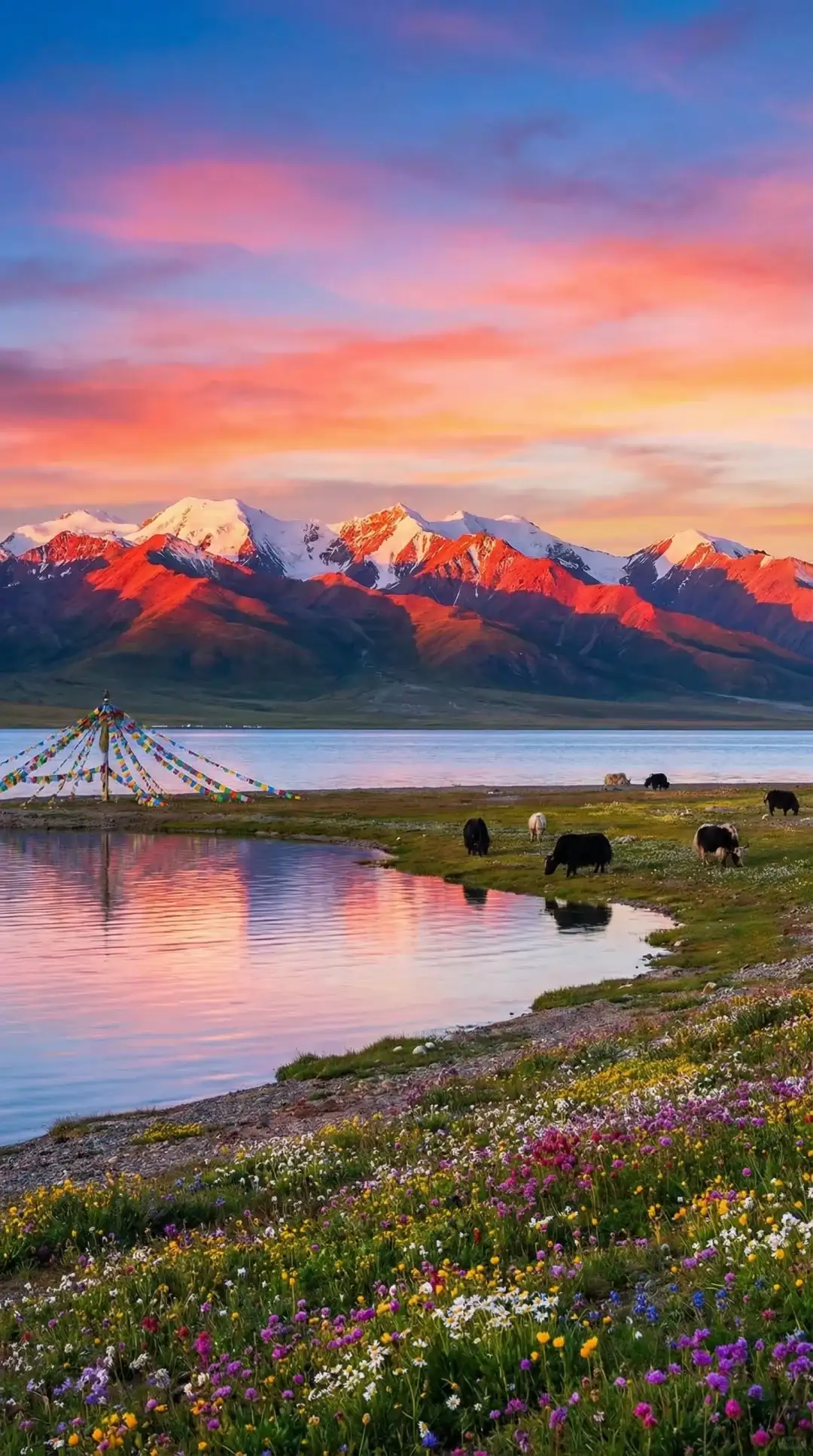
there’s no guarantee the snow-capped mountains will be visible.
Views of Mount Namcha Barwa and the lake surface are subject to cloud cover and weather conditions; specific sunlight conditions cannot be guaranteed. Lake Basum can be appreciated through the interplay of its shores, surrounding mountains, and nearby villages. Actual driving routes and scenic area visit schedules should be adjusted according to weather conditions and local access restrictions.
the Nyingchi section is not a route traveled solely for the snow-capped mountains. The valleys, villages, and forests along the Yarlung Tsangpo River offer more consistent sights; when the weather permits, the distant mountains are merely an added bonus. Your stay around Basum Tso can be flexibly adjusted based on the day’s visibility, the scenic area’s opening hours, and the travel time to and from Lhasa.