Treat the Old City as a single district
route that connects the Bell and Drum Towers, Shuyuanmen, and the Stele Forest in the first segment, followed by urban areas such as the Small Wild Goose Pagoda and Sajin Bridge. Rather than taking photos at each spot and moving on, it’s better to choose adjacent areas for a continuous walk, observing the scale of the streets and daily life both inside and outside the city walls.

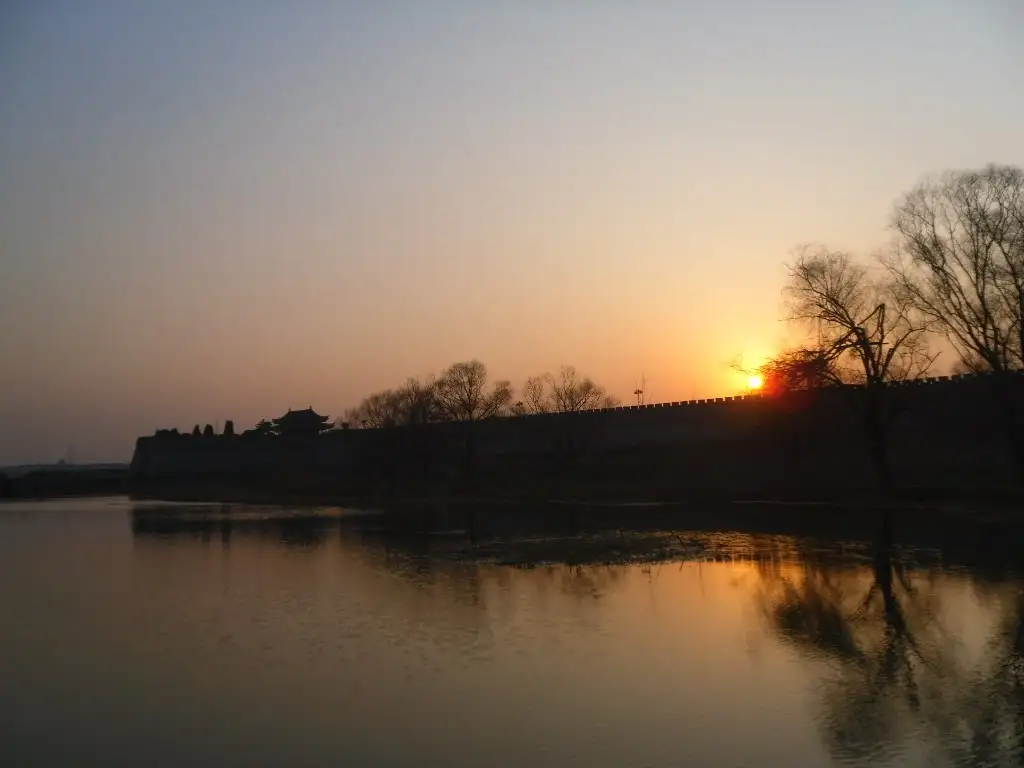
From the City Wall back to the streets
section of the City Wall to walk; there’s no need to go out of your way to cover a long distance just to “complete” the circuit. After coming down, continue on to the Bell and Drum Towers and the surrounding streets and alleys—only then will the city’s boundaries and the daily life within it come together; the illuminated walls at night offer a different perspective than the brick walls seen by day.
Holiday crowds and opening hours can affect the order of your itinerary, and waiting in line at restaurants isn’t worth basing your entire day’s plans on. If you’ve just arrived in Xi’an on your first day, settle into your accommodations first, then explore the neighboring neighborhoods—it’s less stressful than rushing across the city to hit specific sights.
On a map, the Xi’an City Wall, the Bell and Drum Towers, and Shuyuanmen are often strung together as a single, continuous route, but in practice, it’s better to break them up into adjacent walking segments. When visiting the City Wall, choose a section that gives you a sense of the relationship between the city inside and outside the wall—there’s no need to aim to walk the entire length. Once back on the ground, head to Beilin and Shuyuanmen to take in the details of the streets and courtyards.
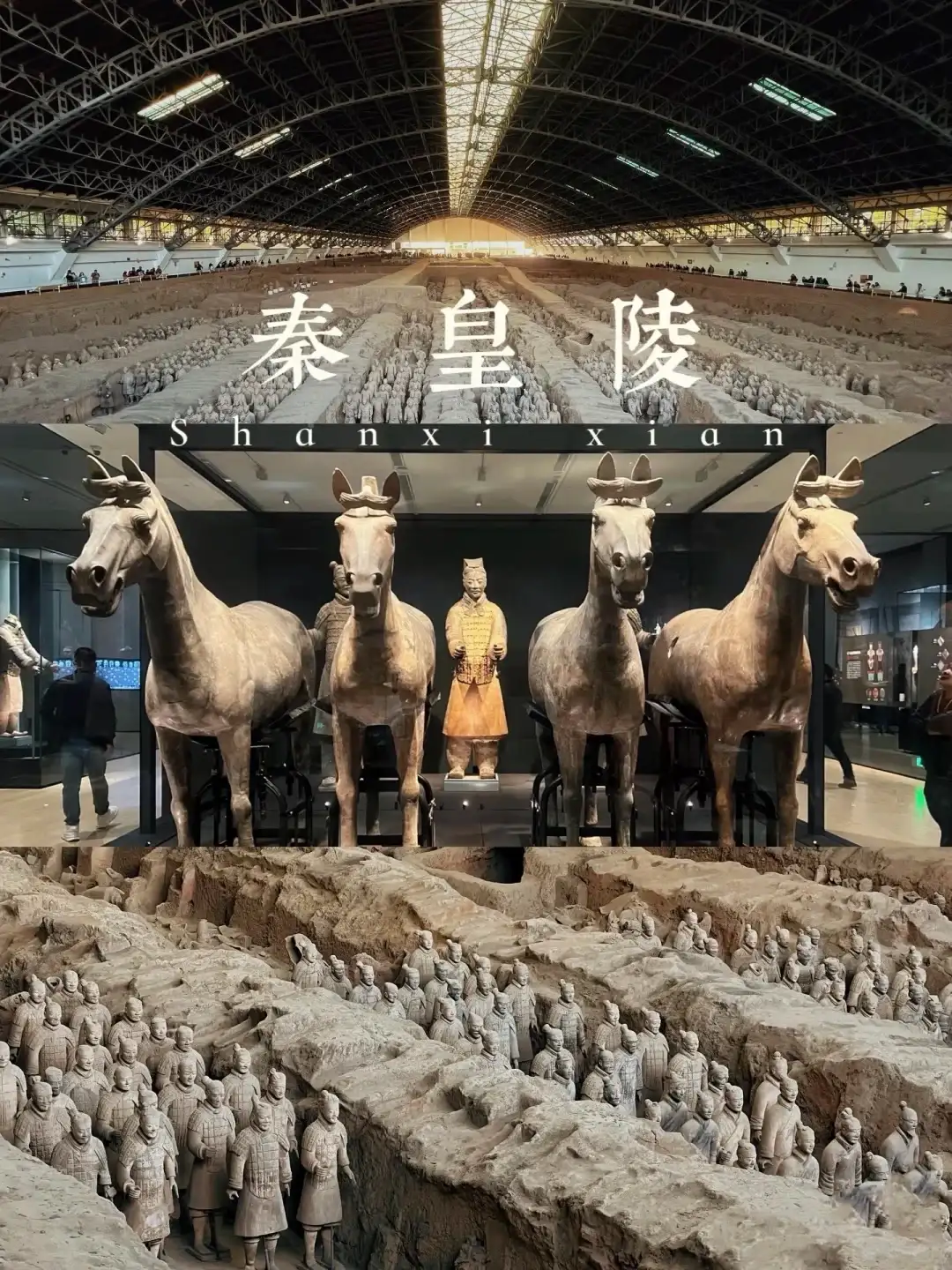
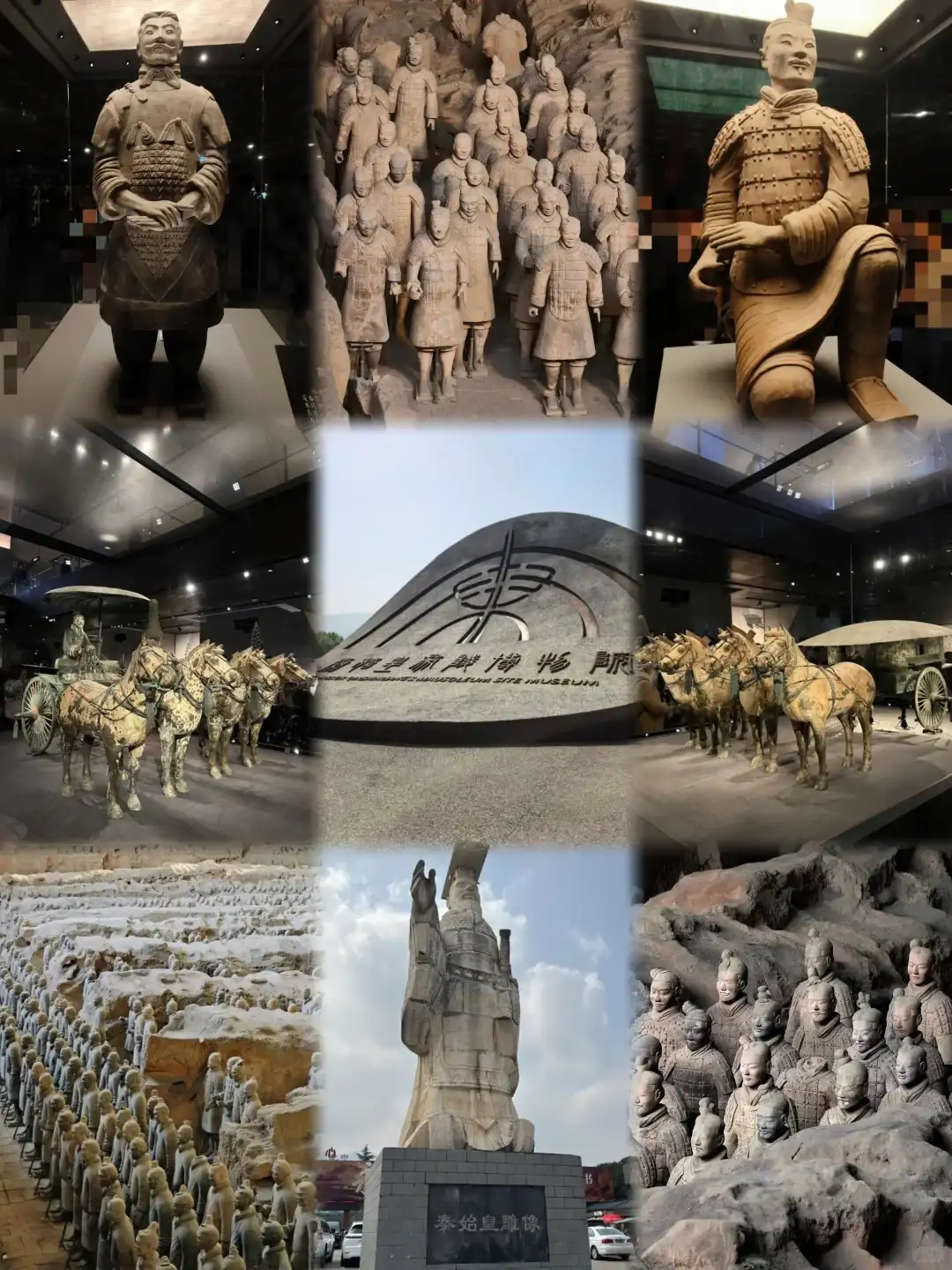
Refer to the five-day travelogue, which suggests splitting the visit to the Terracotta Army and a leisurely stroll through the city center into different days—this approach applies to the itineraries on this site. On your arrival day, get your bearings within the city first, and set aside a separate day for the more distant Lintong. Due to fluctuations in holiday crowds, museum reservations, and City Wall opening hours, this guide does not provide fixed off-peak times; adjusting your plans based on the day’s reservation results is more reliable than chasing the “least crowded time slots.”
Choose just one section each night
Save the city’s nightscape for one specific neighborhood—there’s no need to rush to see all the popular landmarks in a single evening. Opening hours, traffic, and crowds will affect your walking pace. Especially on streets where people live and businesses operate, be respectful of others when taking photos and avoid letting your camera disrupt the city’s daily life.
The route within the city walls can be broken down into several segments based on adjacent areas: one near the Bell and Drum Towers, another covering Shuyuanmen and the Stele Forest, and a separate day to explore the area around the Small Wild Goose Pagoda. This makes it easier to grasp the city’s layout than trying to cover multiple districts in a single day. Meals can also be naturally incorporated into your walks rather than crammed into a separate sightseeing itinerary.