September 3, 2026 · Travel Diary
After visiting Labrang Monastery, head out onto the open grasslands
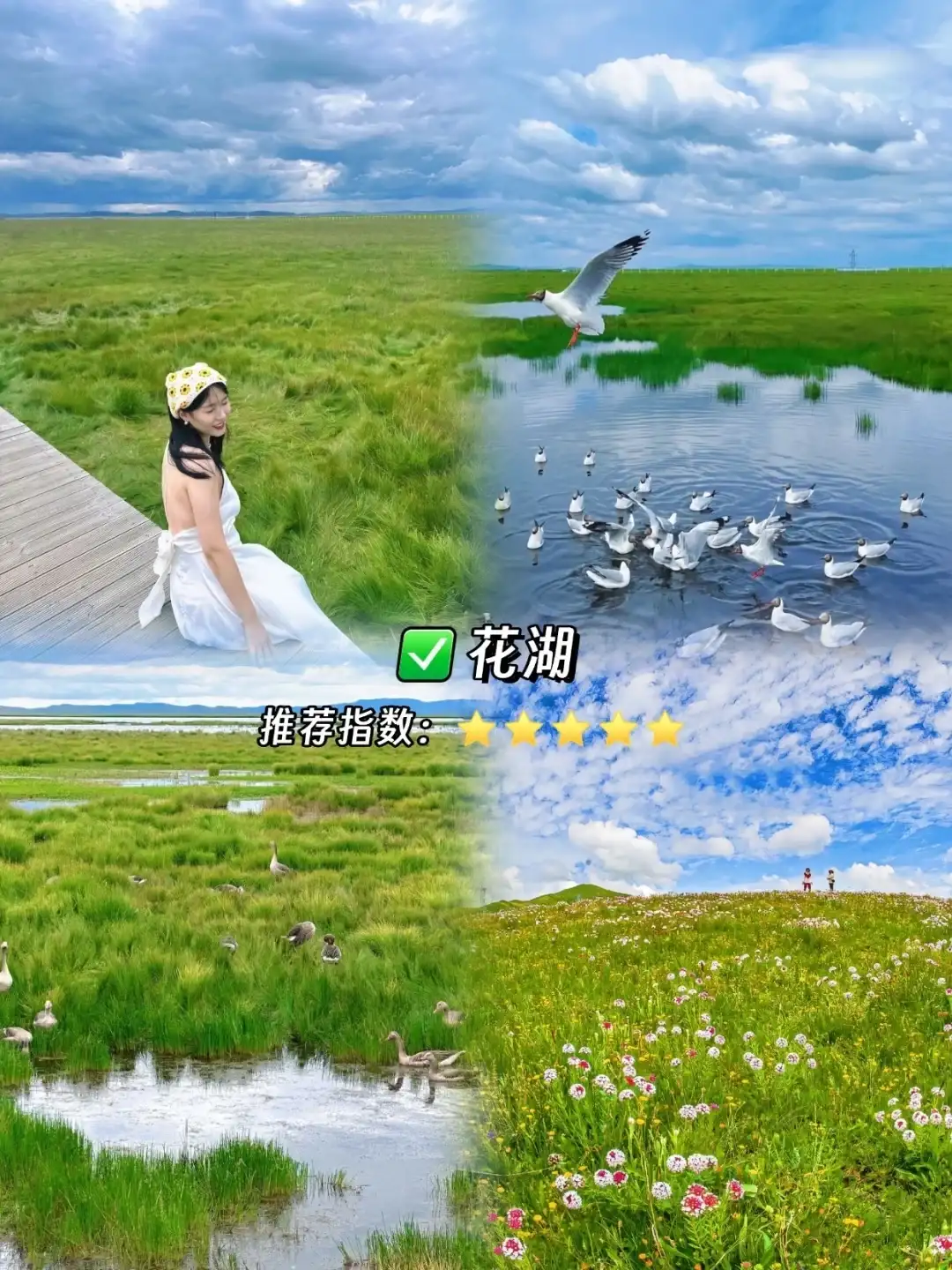
On the seven-day Gannan itinerary, schedule a visit to Labrang Monastery and the hidden gems of Ganjia before returning to Lanzhou. After experiencing the stone peaks of Zhagana, the open expanses of Ruoergai, and the mountainous terrain of Lianbaoyeze, Ganjia still stands out with its own distinct character: the grasslands, city walls, and white stone cliffs are not merely disparate scenic elements; they form a clear spatial contrast within the same journey.
In the reference notes, some travelers list Ganjia as their first stop upon entering Gannan from Lanzhou, while others arrive from other directions. This article follows the existing seven-day itinerary on the website and does not replicate the original post’s sequence of transportation arrangements. On the day closest to your return, you may find yourself still touring temples in the morning while already having to start factoring in travel time back to the city by the afternoon. If you truly wish to experience Ganjia, you need to set aside a specific time slot before departure, rather than waiting until other arrangements are complete to decide whether to stop by on your way back.
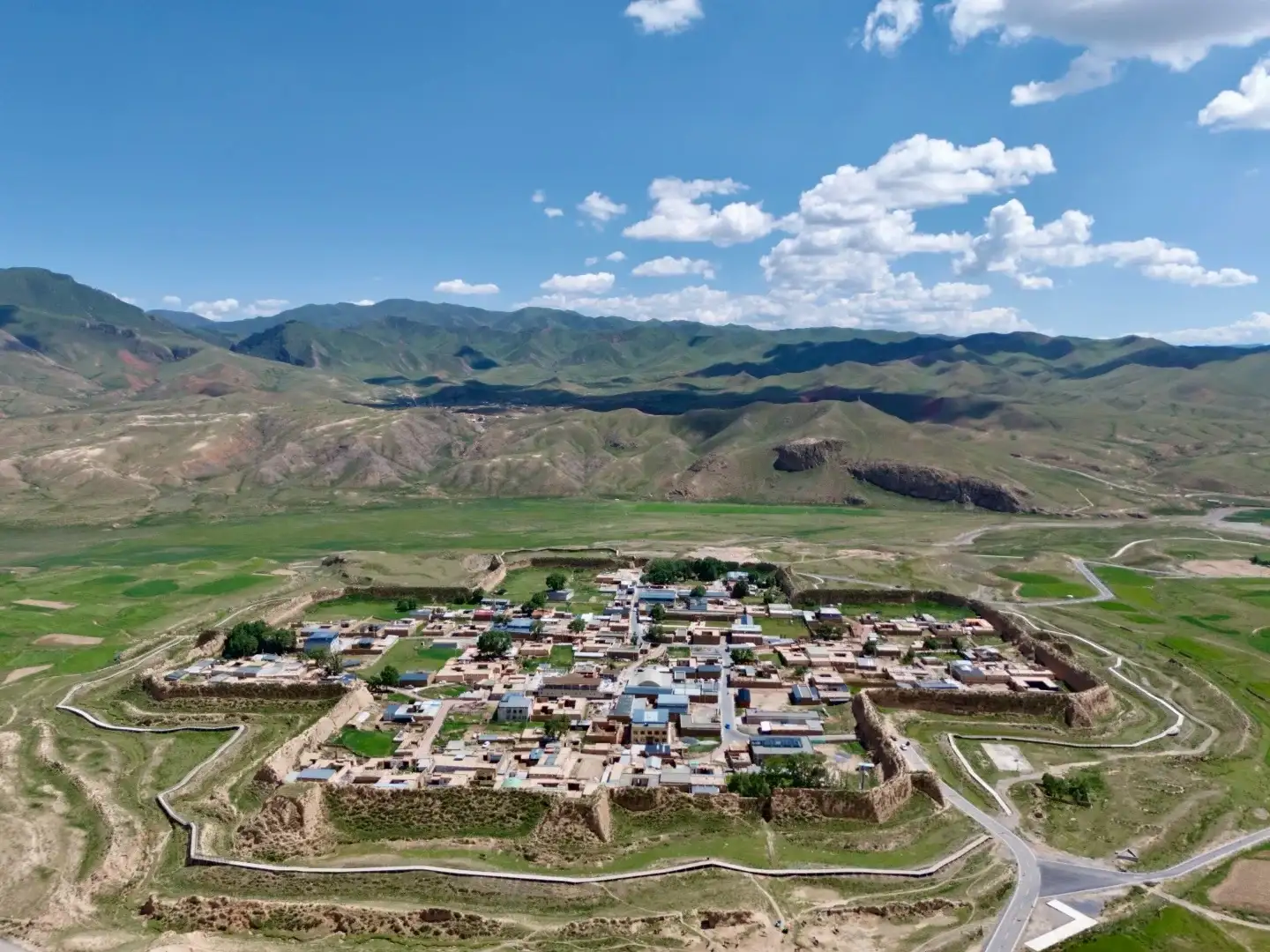
Octagonal City and the surrounding grasslands. You Shi Sen Tsuhama
When viewing the Octagonal City, start by understanding how the city walls are situated on the grasslands
It’s best to first view the Octagonal City as a whole from the designated observation points before deciding whether to venture closer. From a distance, the zigzagging city walls create a distinct rhythm against the undulating grasslands; up close, the buildings, roads, and living spaces transform the ancient city from a mere silhouette into a tangible place. Do not treat the age of the city walls, their military uses, or the stories behind each building as verified facts based solely on social media headlines. For historical details, consult on-site guides and official descriptions.
Take photos from two different scales: one that captures the relationship between the city and the grasslands, and another that focuses on the details of the walls or alleys. If residents are living in the open areas, avoid photographing people up close or capturing interior spaces without their consent. An ancient city is not a set cleared of people for tourists; respecting the boundaries of public passage and daily life is itself part of understanding a cultural destination.
The zigzagging lines of the ancient city walls and the vertical striations of the stone cliffs
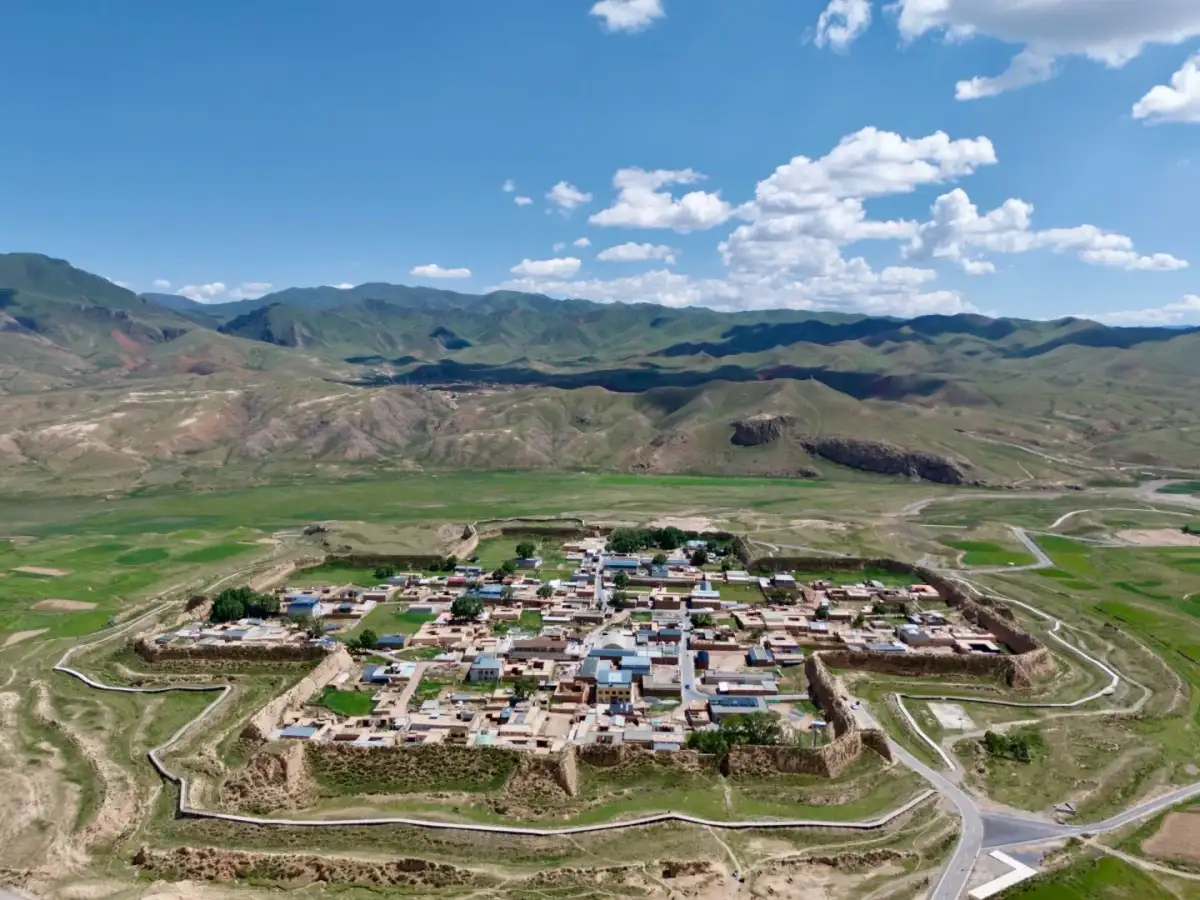
In the panoramic view of the Octagonal City, the zigzagging lines of the walls stand out strikingly against the grasslands, while the dwellings within form a more fragmented arrangement. The outer roads extend along the terrain, forming lines that run in different directions relative to the city walls. This distant view can serve as a starting point for understanding the space: where the settled areas begin, where they transition into the grasslands, and how the distant mountains frame the entire scene.
White Stone Cliff draw your attention upward. The rock face’s texture rises from the grassy slopes; the valley mouth divides the continuous cliff face; and the shadows of clouds in the sky create varying shades of depth across different sections of the mountain. After observing the ancient city and the stone cliffs separately, returning to the broader perspective of the grasslands helps one understand why these two forms stand out so distinctly in the same place. The open terrain makes the man-made boundaries easy to discern, while the immense scale of the rocks makes the city and its roads appear diminutive.
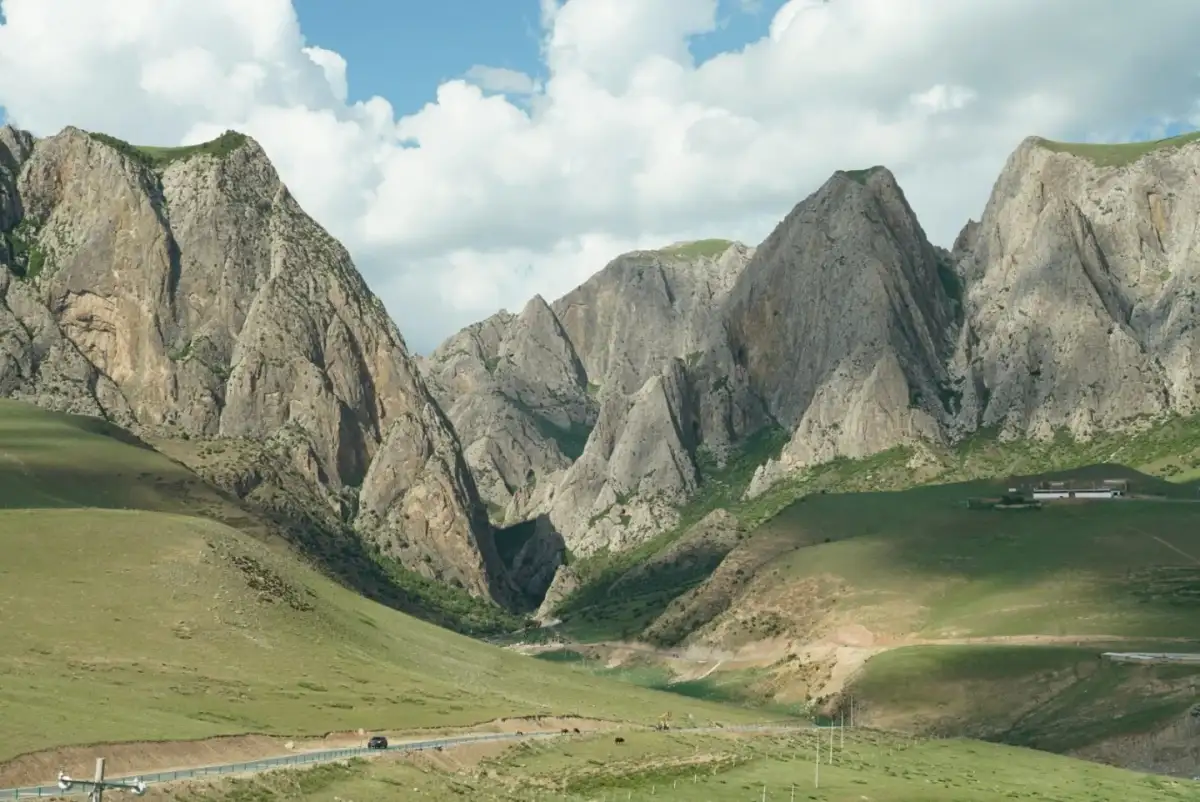
The White Stone Cliff and the valley. You Shi Sen Tsuhama
When viewing Baishiya Cliff, leave some room for the weather
White Stone Cliffs stand in stark contrast to the grasslands. What’s worth seeing isn’t just a single vantage point, but how the stone cliffs reveal layers under light from different directions, and how low-hanging clouds obscure or revealparts of the outlines. On sunny days, you can clearly see the lines on the cliff face, while on cloudy days, the overall shape of the mountain may stand out more; there’s no need to define one type of weather as the only “correct” view.
Both reference notes mention Baishiya Cliff, but their permitted access areas and permitted stay durations differ. Where caves, temples, or other independently managed areas are involved, this article does not assume they are included as part of the standard experience. Whether the site is open, accessible, or requires special arrangements should be confirmed before your trip. In particular, do not stray from designated paths to get closer to the cliff face, and do not assume that drone photography is an activity generally permitted for tourists. Even from authorized viewing areas, you can still conduct a multi-layered observation.
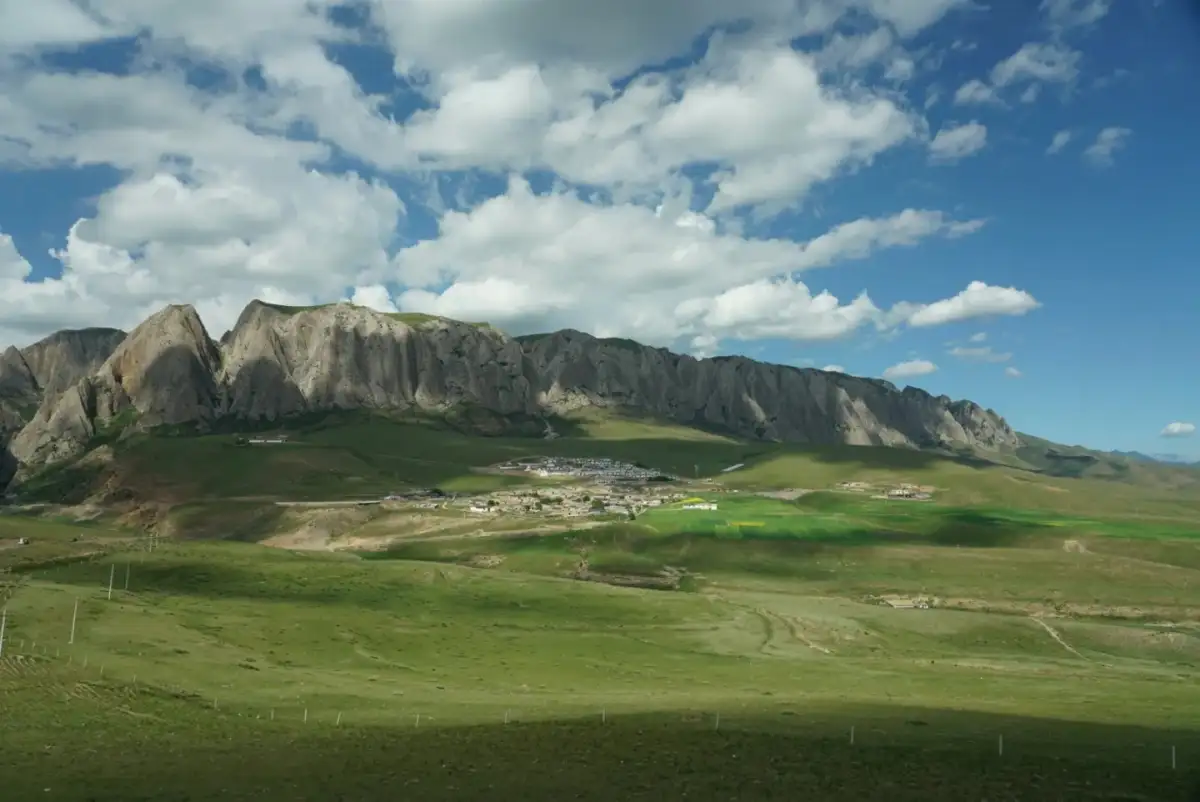
The grasslands and villages in front of White Stone Cliff. You Shi Sen Tsuhama
At the end of the seven-day itinerary, leave a little room for flexibility
You can establish a simple priority list for the day: confirm transportation between the monastery and Ganjia, select one main viewing area and one supplementary stop, and finally check your return schedule to Lanzhou. In case of weather changes or road delays, prioritize retaining the main experiences and eliminate redundant photo spots. Simply listing all the names in your itinerary won’t automatically make the trip more enriching; on the contrary, it may result in each stop being reduced to nothing more than a brief moment of getting in and out of the car.
Be more specific when outlining your needs to the consultant: Do you prefer to see the panoramic view of the grasslands, or are you more interested in exploring the ancient city? How much walking are you comfortable with, and do you need a guided tour? Do you have any fixed appointments after returning to Lanzhou? This information is much easier to arrange than simply saying, “I want to go everywhere.” Ganjia is ideal as the culmination of a seven-day trip: with cliffs in the distance, roads at your feet, and a city connected to the grasslands in between. By allowing these three elements to form a connection in your memory, you won’t need to prove your experience through a high number of “check-ins.”
Related Itineraries and Reference Sources
Gannan 7 Days, 6 Nights · View Itinerary
Compiled by the Dongxing Travel Editorial Department based on itinerary materials and publicly available travel notes, for pre-trip reading; accompanying images are landscape references from the source notes. Specific itineraries will be confirmed by advisors based on travel dates and actual conditions.