September 8, 2026 · Travel Diary
Returning from a journey in the North to a single street
The latter part of the eight-day Harbin–Mohe itinerary returns to Harbin, featuring Central Street, the Flood Control Memorial Tower, the Binzhou Railway Bridge, and the area around St. Sophia Cathedral. After experiencing Snow Village, winter outdoor activities, and long-distance travel, re-entering the city calls for a slightly more focused pace—concentrating on a single street, a stretch of building facades, or a suitable resting spot. The value of the urban segment lies in allowing the previously expansive snowy landscapes to give way to details that can be savored at a leisurely pace.
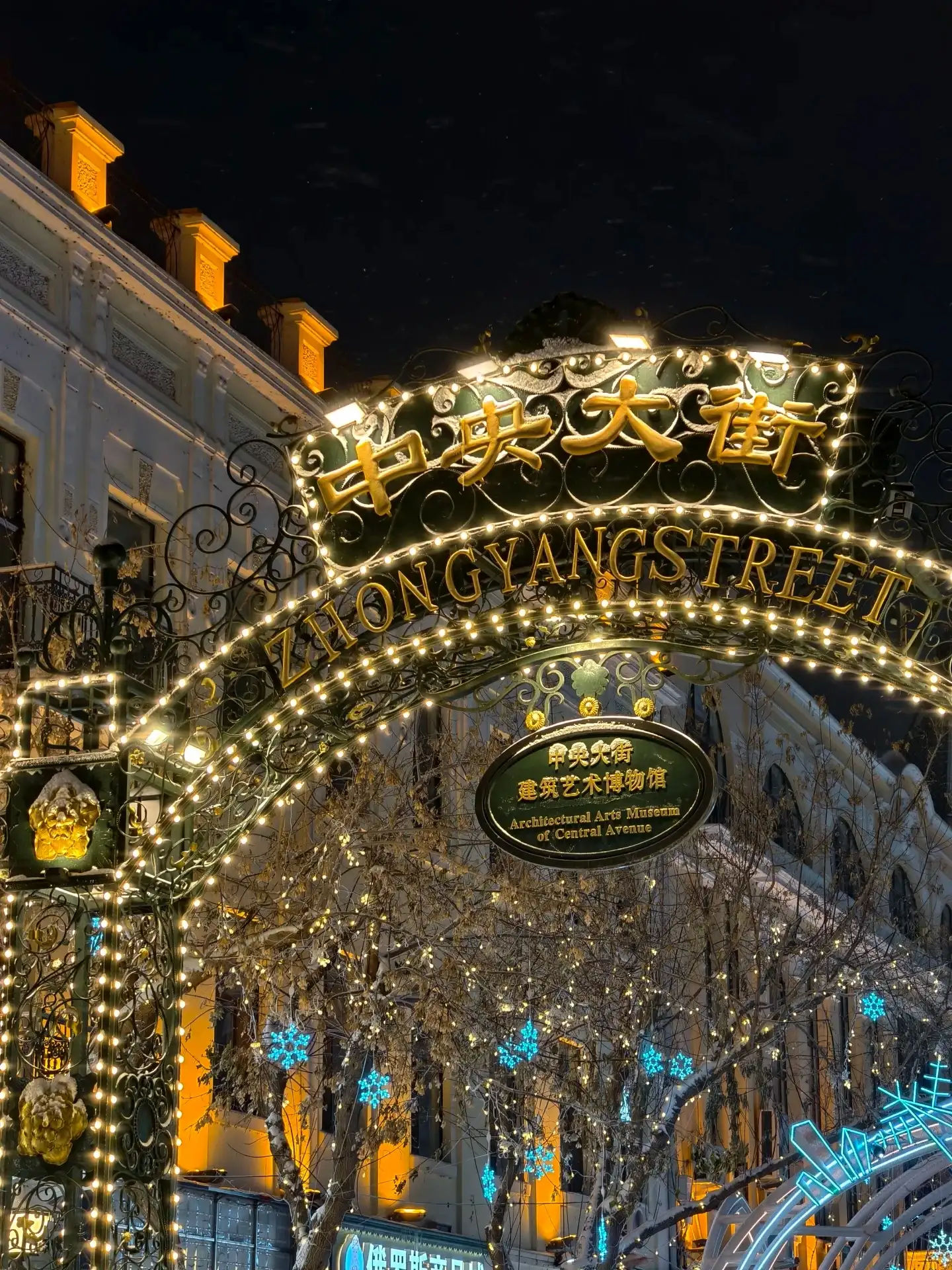
This segment focuses on winter city strolls, with accompanying images showcasing the details of winter neighborhoods. In the recorded snowy night scenes of Central Street, decorations, snow accumulation, and street lighting come together to form the visual composition; some of these arrangements were part of seasonal events at the time and should not be regarded as a fixed landscape that remains exactly the same every year. Focus on the neighborhood itself during planning, and leave the decorations to be discovered on-site.
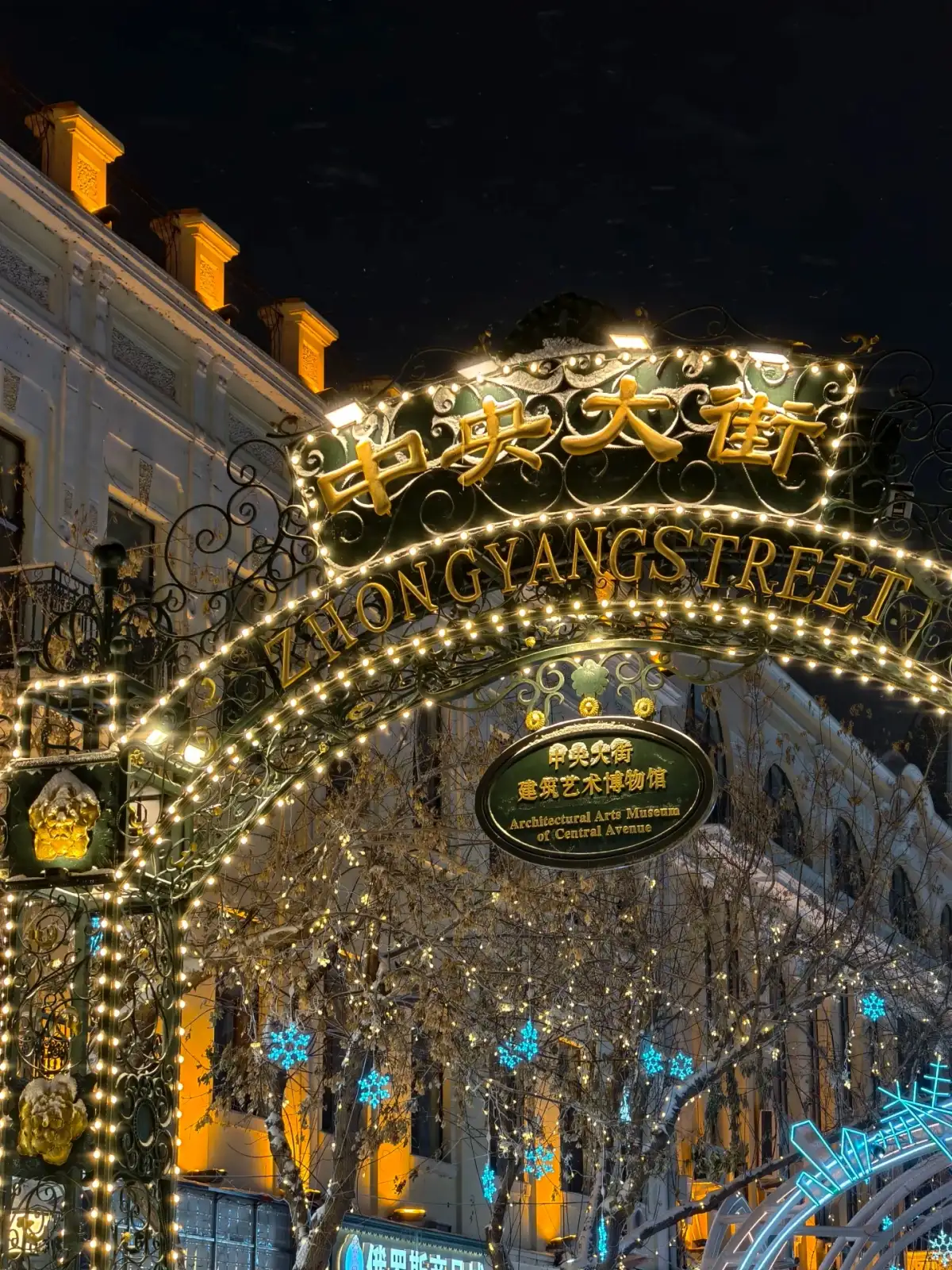
Decorative elements at the entrance to Central Street and winter night lighting. the Pass
Shift your gaze from the store signs to the rooftops and windows
As you walk along Central Street, try looking up at the upper parts of the buildings first: the proportions of the window openings, the treatment of the corners, the lines of the eaves, and the different expressions of the same building during the day and at night. Not every building with ornamentation needs to be immediately labeled with an architectural style. Without verifying the building’s era and design context, start with the visible form, and let the professional commentary supplement the historical context.
When taking photos, capture one shot facing the street and then select one or two facade details—this will yield more interesting results than constantly repeating the same illuminated arches. On winter nights, the contrast between brightly lit signs and the shadows is striking. You can use your phone to meter the light on the subject first to avoid ending up with nothing but an overexposed blur. Before stopping to adjust your camera, check the traffic behind you and avoid blocking the way for long periods at intersections or in narrow, crowded areas.
At night, the building’s facade reveals its structure more clearly than the lights do
In close-up views of Central Street’s architecture, corners, arched window openings, and eaves are highlighted by lighting. The lights follow the original lines of the buildings rather than completely obscuring them. When looking up, first observe how a corner transitions between the two sides of the street, then note the proportional relationship between the roof above and the window openings below.
The entrance decorations, however, present a more delicate layering: curved metal lines, lettering, and lights superimposed against the building behind them. Small decorative elements on the snow-covered ground bring your gaze back to the street level. You don’t need to capture all three types of subjects in a single panoramic shot; instead, take separate photos of a building facade, an entrance detail, and a short stretch of the street scene. Even if it isn’t snowing at the time, the buildings and streets still offer plenty to observe; the snow simply adds another dimension to the interplay of contours and light and shadow.
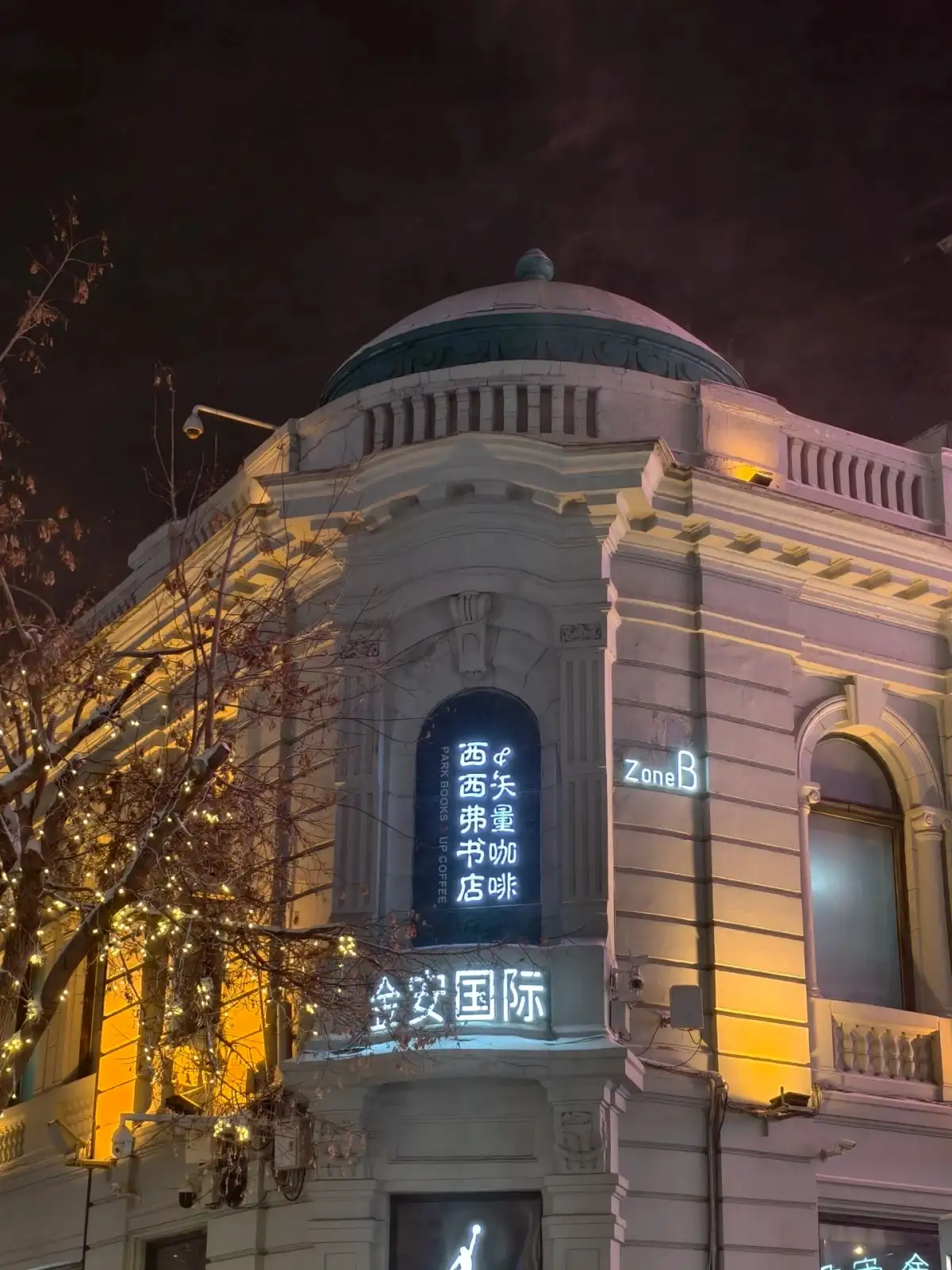
Building facades on Central Street at night. the Pass
Structure your evening with short walks rather than covering the entire route in one go
When strolling in winter, break up your time outdoors into several short segments, interspersed with indoor meals or rest breaks. First, decide which section of Central Street you want to see, then determine whether to continue on to the riverfront or other architectural areas. The length of your route should be determined by how you feel, the ground conditions, and your transportation arrangements—don’t assume everyone is willing to walk the same route again just because the distance looks short on a map.
When choosing a restaurant or café, practical considerations include seating, hot drinks, restrooms, and the distance to your pickup point. Learning your travel companions’ tastes and dietary restrictions in advance can also save time spent asking around from place to place in the cold outdoors. Keep your belongings within easy reach so you don’t have to rummage through your bag repeatedly to take photos or put your gloves back on. Rather than packing your evening with too many activities, focus on a few small goals along a single street—such as admiring the architecture, having dinner, and organizing your itinerary.
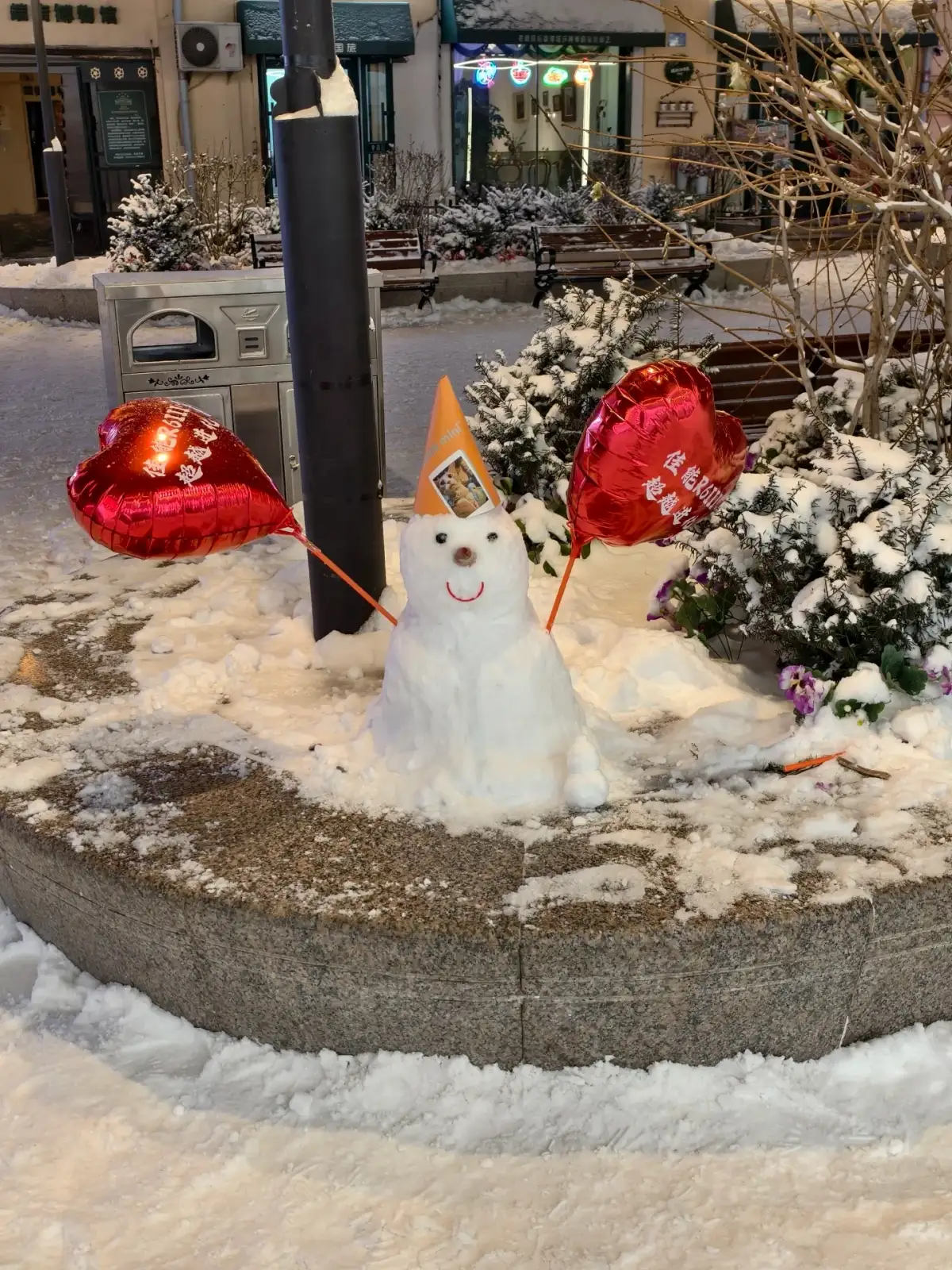
Snow and seasonal decorations along Central Street. the Pass
Before heading back, capture the city’s silhouette
If you’re returning the next day, confirm transportation and luggage arrangements in advance for the evening. If you’re thinking of continuing your photo shoot at Sofia or along the riverbank, list these as optional stops and decide based on the actual situation. Just because the current itinerary includes multiple city landmarks doesn’t mean you have to spend a long time at each location on the same night—and there’s certainly no need to stay up late just to photograph snowy scenes.
This section is a good time to reflect on the differences throughout your eight-day journey: the rooftops of Snow Village, the northern scale of Mohe, and the street facades of Harbin each form distinct memories. Central Street needn’t be merely the final stop for buying souvenirs. After looking up at a few windows, a corner, and the contours of a roof, then sitting down for a meal, the city will remain in your travel memories in a more concrete way.
Related Itineraries and Reference Sources
Harbin and Mohe: 8 Days, 7 Nights · View Itinerary
Compiled by the Dongxing Travel Editorial Department based on itinerary materials and publicly available travel notes, for pre-trip reading; accompanying images are landscape references from the source notes. The specific itinerary will be confirmed by a consultant based on travel dates and actual conditions.