September 10, 2026 · Travel Diary
You won’t know just how tall the wall is until you walk along the lakeshore
Nanjing’s city walls are best appreciated in conjunction with Xuanwu Lake. Along the lakeshore, the wall serves as a continuous and steady backdrop; once you climb onto the open sections of the wall, the lake and cityscape—previously obscured by trees—gradually unfold before you. The same location reveals different architectural features due to changes in elevation—a sight far more noteworthy than simply adding a few more attractions to a map.
You can plan your itinerary around Xuanwu Gate and Jiefang Gate; first check which access points are open that day, then decide which end to start from. The lakefront and the city wall do not necessarily share the same entrance; marking the locations of the ascending and descending ramps before setting out will make this walk much smoother. There’s no need to try to cover the entire circuit of Xuanwu Lake and the long stretch of city wall in a single day—choosing a single section will provide a complete and layered viewing experience.
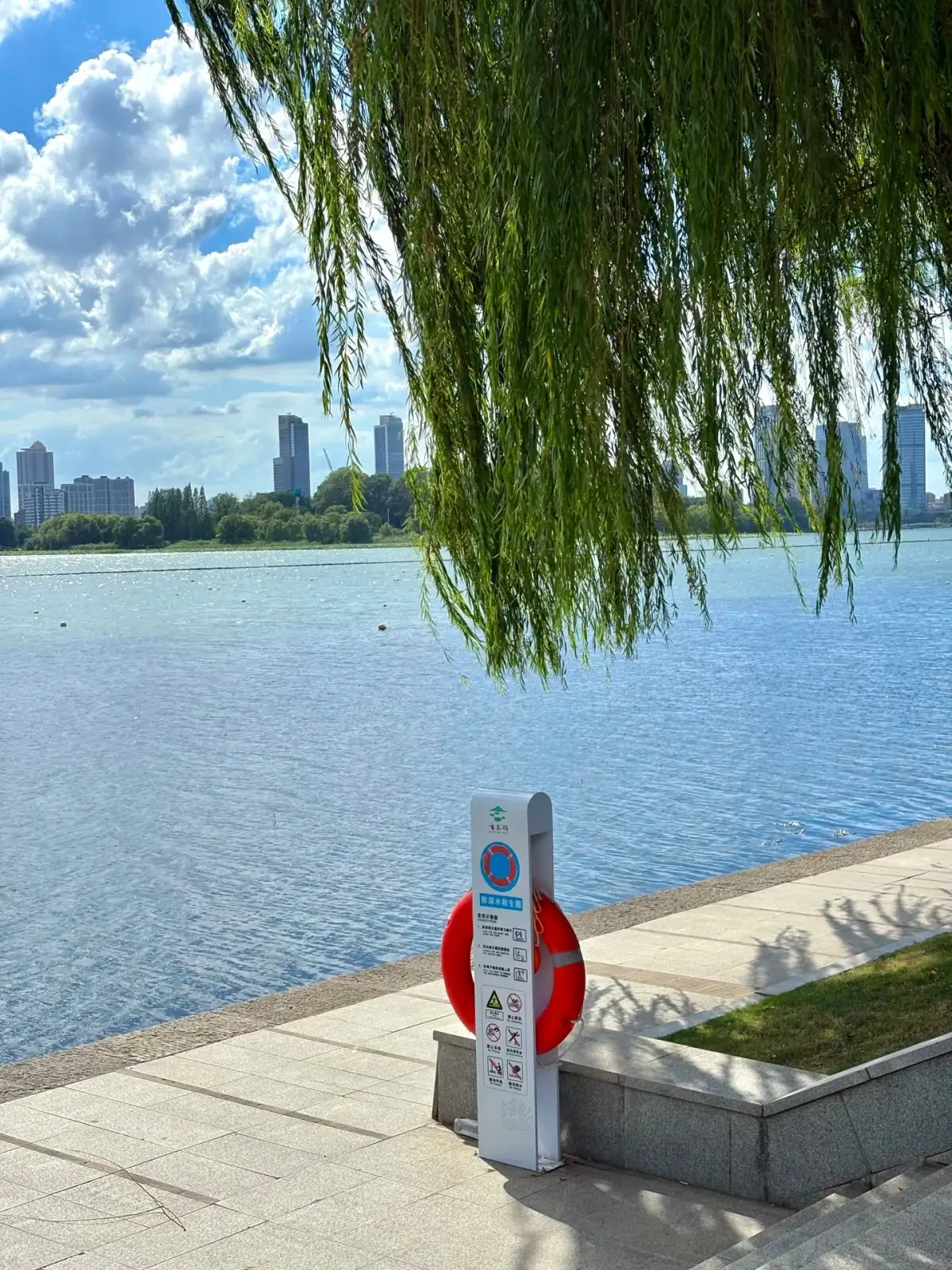
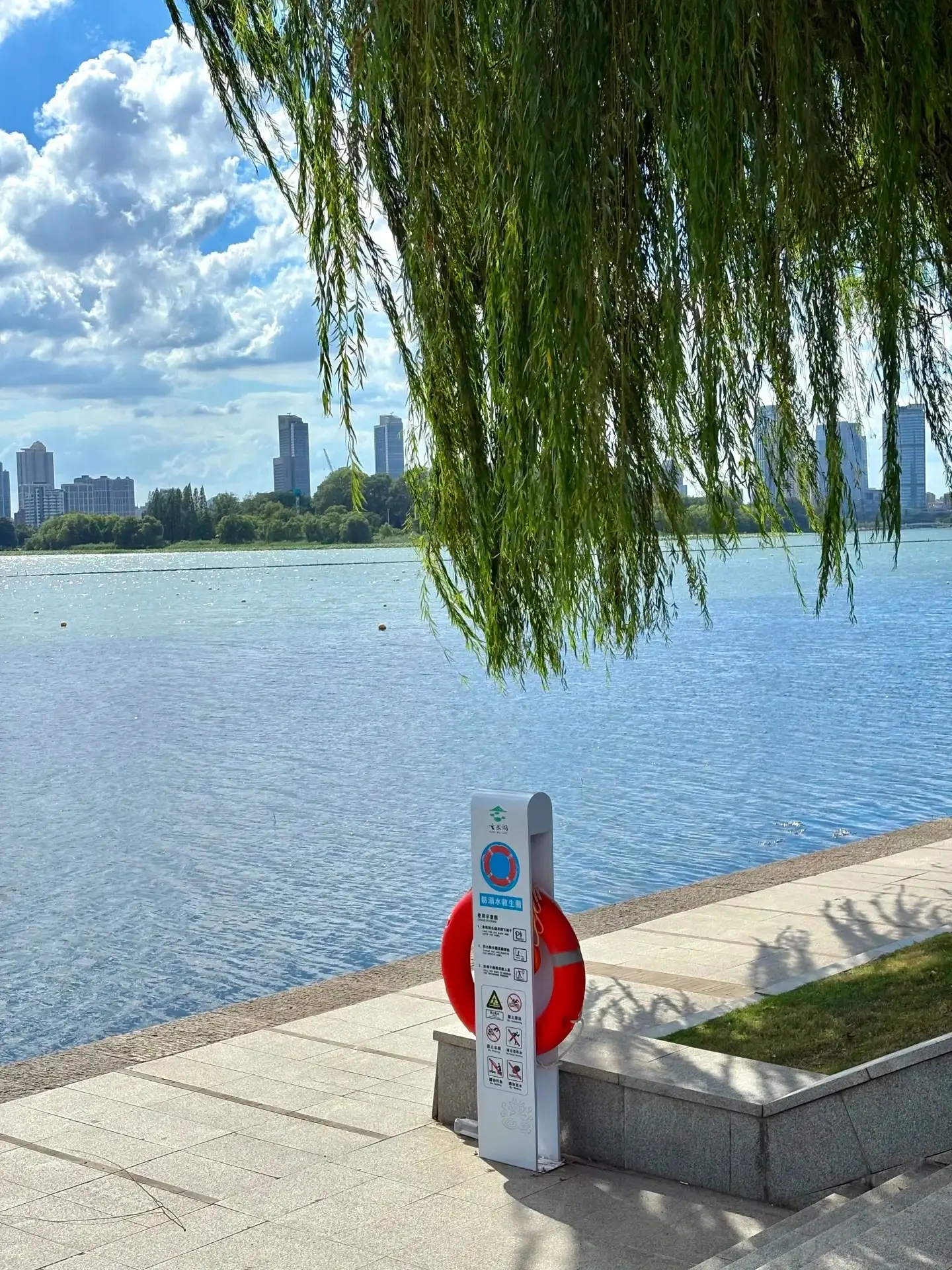
Willow branches along the shore of Xuanwu Lake, the lake’s surface, and the city skyline.
The surface of the city bricks is also a record of the material
When you reach the wall, don’t just gaze into the distance. The size of the bricks, the direction in which they were laid, and the signs of wear and repair on their surfaces all document how the structure has been maintained over the course of its long history. Some city bricks bear inscriptions; if there is an on-site explanation, you can read them in conjunction with the explanation. If you are unsure, continue observing and do not draw conclusions about the specific date or the identity of the craftsman based on just a few fragmentary characters.
The Nanjing City Wall is not an object that remains static simply because it is “ancient.” Restoration, drainage, and routine maintenance allow it to continue to be viewed and used. Observing both the old bricks and the repaired sections together actually brings us closer to reality than imagining a historic site completely devoid of modern traces. Slow your pace just a little, and the rough wall will transform from a backdrop in the landscape into a tangible structure.
The name “Tai Cheng” should be interpreted on two levels
Nanjing often refers to the section of the city wall near Jining Temple and Xuanwu Lake as “Taicheng,” but the Ming Dynasty city wall that visitors climb today cannot be directly equated with the original walls of the Eastern Jin and Southern Dynasties imperial palaces. Local historical records in Nanjing specifically analyze the continued use and confusion surrounding this term. For the average tourist, remembering this distinction is more important than memorizing complex historical developments.
The “Tai City” of poetry, the “Imperial Palace” of history, and the name used today for the scenic area all come together in a single journey, yet they are not entirely overlapping concepts. When reading verses about the Six Dynasties, treat them as a gateway to understanding Nanjing’s historical memory; when looking at the wall before you, return to the on-site cultural heritage explanations. In this way, the poetry remains, and the passage of time is not erased by that poetry.
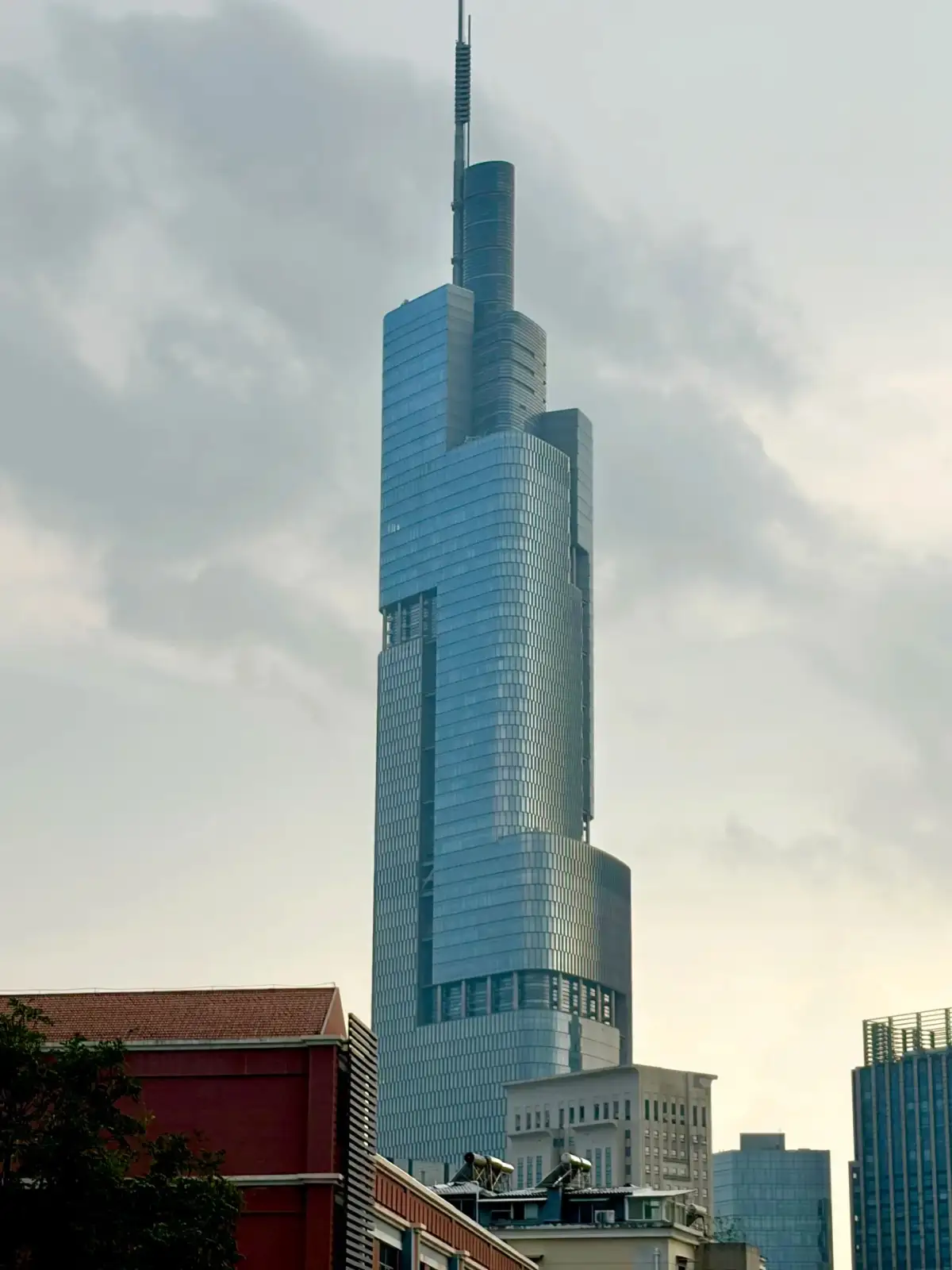
The city skyline formed by Nanjing’s Zifeng Tower and nearby buildings.
Look out toward the lake, then toward the city
Once you’ve climbed to the top, you can divide your view into two directions. Facing Xuanwu Lake, first observe the nearby tree canopies, then the water’s surface and the distant mountain contours; turning toward the city, the silhouette of the Jining Temple Pagoda and modern skyscrapers appear at varying distances. The wall acts as a slowly extending line of sight, juxtaposing these scales side by side.
avoid constantly zooming in on distant buildings when taking photos. Including part of the lakeshore or the wall in your frame helps convey the location of the photo. There’s no need to deliberately avoid modern buildings like the Zifeng Tower—they are, after all, part of Nanjing’s current skyline. The coexistence of historic sites, mountains, forests, and high-rises actually demonstrates that this city’s history isn’t a separate chapter preserved in isolation.
The Water Gate hints at another function of the city wall
The area around the Wumiao Gate on the south shore of Xuanwu Lake takes the relationship between “city walls and water” beyond a mere distant view. According to official Nanjing sources, this area is linked to historical water gates and water diversion facilities. While the city wall serves to protect the city, water must flow freely; how these two needs coexist in the same space is a point well worth noting when exploring Nanjing.
If this section is within the day’s designated walking route, you can observe the relationship between the waterway and the wall in conjunction with the on-site explanations; if it’s too far out of the way, you can use this as a clue for your pre-trip reading. When touring an ancient city, people tend to focus on how city gates allow people and vehicles to pass through, while water gates remind us that cities must also manage rainwater, water levels, and the connections between rivers and lakes.
Look at Xuanwu Lake in this light, and it becomes more than just a pretty backdrop beyond the city wall. The lake’s surface, shoreline, and man-made structures all play an active role in the city’s functioning, creating a tangible connection between historical sites and natural landscapes. Once you grasp this, the interplay of mountains and water you see from the city wall becomes more concrete, and it becomes easier to understand why Nanjing continues to preserve this section of the city wall.

A flock of ducks swimming on the surface of Xuanwu Lake.
Willow shadows and lotus leaves transform the appearance of the same road
The seasonal character of Xuanwu Lake can be appreciated through close-up views. When the foliage is dense, the view of the lakeshore is fragmented; when the branches and leaves are sparse, the distant walls and rooftops appear clearer. The layers formed by lotus leaves, willow branches, and the reflections on the water each have their own rhythm; there’s no need to treat the summer lotus scenery and the colors of late autumn as inevitable stops on the same journey.
A stroll along the lake is also a great way to observe the wind. The fine ripples on the water, the swaying of the tree canopies, and the speed at which cloud shadows move can breathe new life into a static landscape. On overcast days, the texture of the brick wall often blends more closely with the gray tones of the lake; when the sun is intense, you can pause in the shade of the trees and save the open stretches for more comfortable times of day.
After exploring the Old City, return to the streets of Nanjing
After finishing your walk along the city wall, you can grab a meal in a nearby neighborhood with convenient access to public transportation, letting duck blood vermicelli soup, salted duck, or a bowl of noodles serve as the culinary highlight of the day. The food doesn’t need to live up to the title of “the best in the city”; the right distance, portion size, and flavor are enough to bring your stroll to a natural close. If you wish to visit Jimi Temple, be sure to check its opening hours and visitor requirements for that day separately; don’t treat the temple merely as a photo spot attached to the city wall.
This route should leave you with a clear sense of place: the lake unfolds beyond the wall, the mountains undulate in the distance, and the city continues to grow on the other side. Looking back at the map, Xuanwu Gate, Jiefang Gate, and the lakeshore are no longer just names—they represent a Nanjing truly understood through walking.
Further Reading and Reference Sources
Nanjing · Destination Overview
Compiled by the Dongxing Travel Editorial Department based on publicly available travel notes and the references listed in the article, for pre-trip reading; accompanying images are sourced from the noted travel notes.
Nanjing Local Chronicles: A Thousand Years of History in Tai City
Nanjing Municipal Government: The Eight Scenic Spots of New Xuanwu Lake