September 15, 2026 · Travel Diary
After passing by the major attractions, take a moment to admire the silhouette of a pagoda
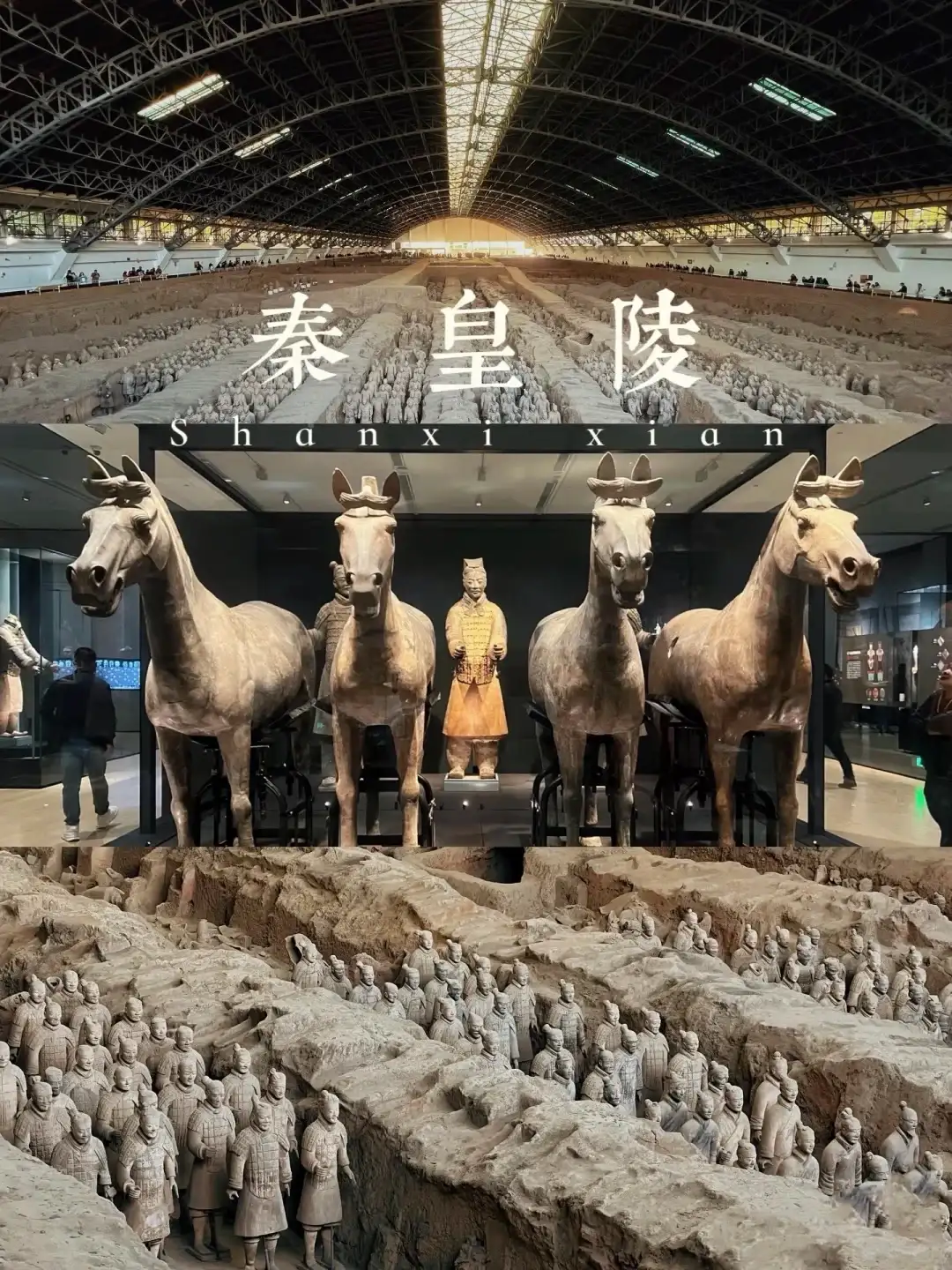
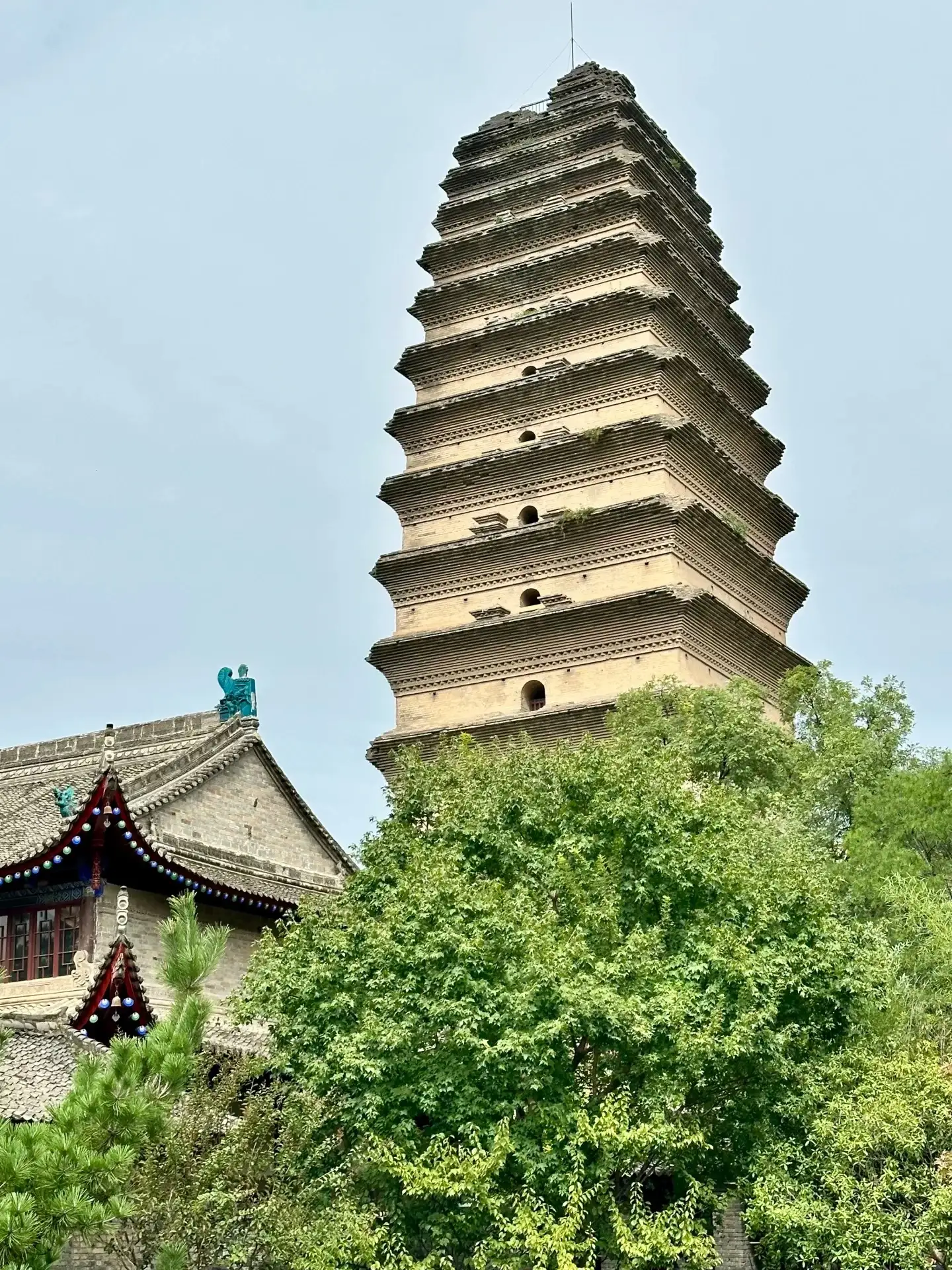
A five-day itinerary in Xi’an might include the Bell and Drum Towers, the Shaanxi History Museum, the Terracotta Army, and other urban historical sites on the earlier days, with the Xi’an Museum and the Small Wild Goose Pagoda saved for the final day. This segment allows you to wrap up your trip in a more tranquil manner. Standing in the open area, observe the tower’s silhouette as it tapers layer by layer, then take in the surrounding trees and buildings; your gaze will shift from grand historical concepts back to the bricks, eaves, and the building’s scale.
In the visitor notes, one traveler primarily documented their impressions of the pagoda’s exterior, while another emphasized the exhibitions at the Xi’an Museum. These two perspectives can complement each other, but the Xi’an Museum should not be treated simply as a backup option when tickets to other popular museums are unavailable. Each institution’s exhibitions and venues have their own unique focus; be sure to check what’s on display that day before deciding how much time to allocate.
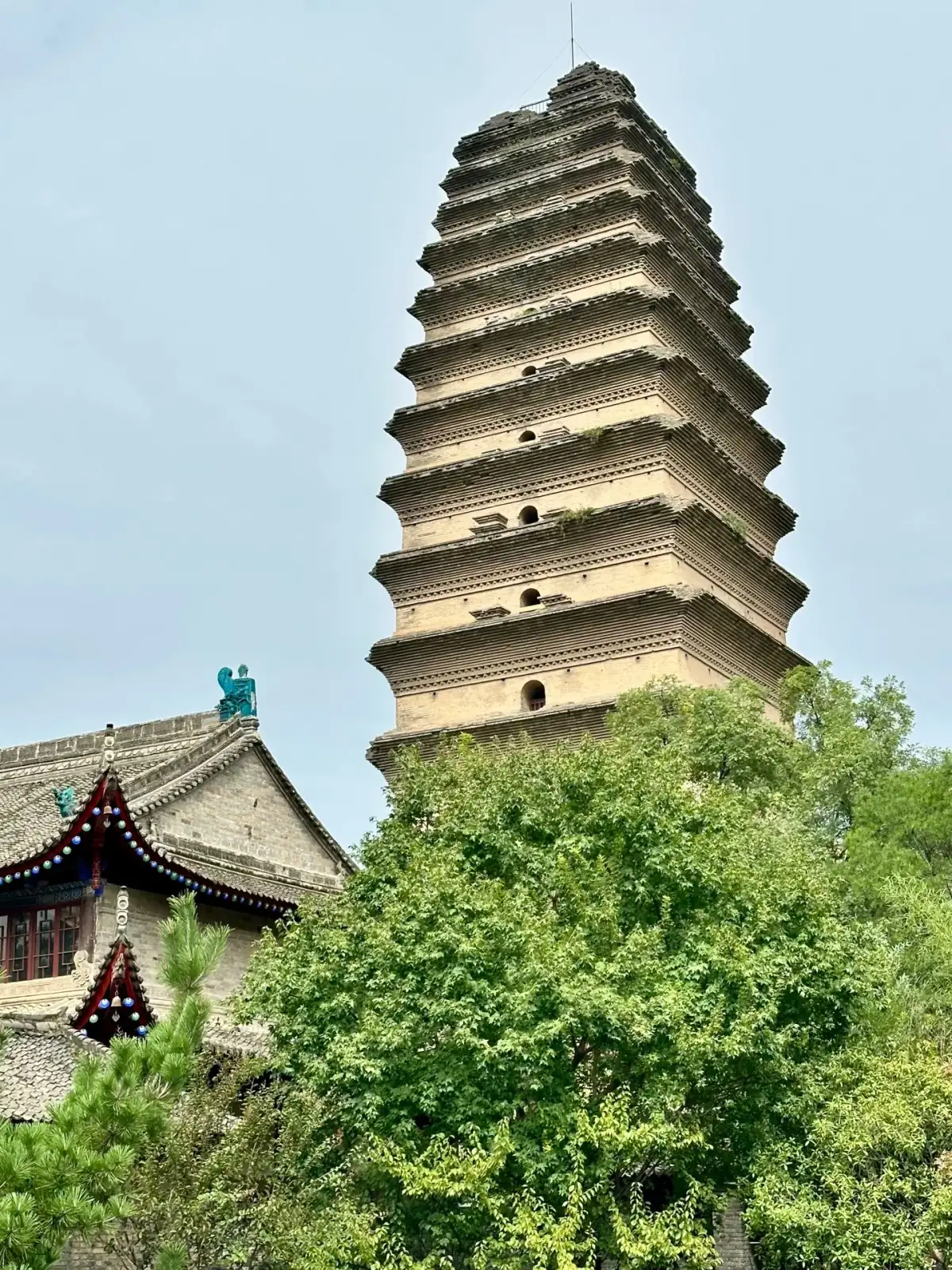
The body of the Little Wild Goose Pagoda and the tree canopy.
The details of the pagoda’s body are more captivating than a single photo pose
Start by viewing the whole structure from a distance, then move closer to examine the layers of the brick eaves, the archways, and the local textures—this creates a clear sequence for viewing. You don’t need to tilt the camera upward for every shot; including parts of the trees and surrounding buildings helps illustrate how the pagoda fits into the park. Do not enter closed-off stairways or climb over barriers to avoid crowds.
Stories about the ancient pagoda’s history and restorations are best verified through on-site information. Regarding details such as earthquakes and cracks, this article avoids presenting online rumors as unverified legends. While listening to the guide, you might ask: How does the existing exterior correspond to historical records, and which parts can be identified from what we see here? A well-founded, specific question often aids understanding more than simply jotting down a string of exaggerated claims.
the repetition of the brick eaves and the fine details of an object
In close-up shots of the Little Wild Goose Pagoda, the tiered brick eaves form tight horizontal lines; as your gaze moves upward, these lines converge due to perspective. Compared to the overall shape of the pagoda seen from a distance, this angle emphasizes the rhythm of its structure. The nearby tree canopy partially obscures the tower, maintaining a connection between the ancient pagoda and its surroundings rather than presenting it as an isolated figure suspended in midair.
the bronze artifacts in the display cases, which scale down the subject to patterns and contours that can be carefully discerned. When viewing, read the explanatory plaque first, then observe how the rim, base, and decorations come together—avoid making assumptions about the specific date or place of discovery based solely on appearance. The pagoda and the artifacts—one large, one small—each offer distinct ways of appreciating architecture and craftsmanship. Including both in the same tour allows for a final day in Xi’an that combines both sweeping vistas and close examination.
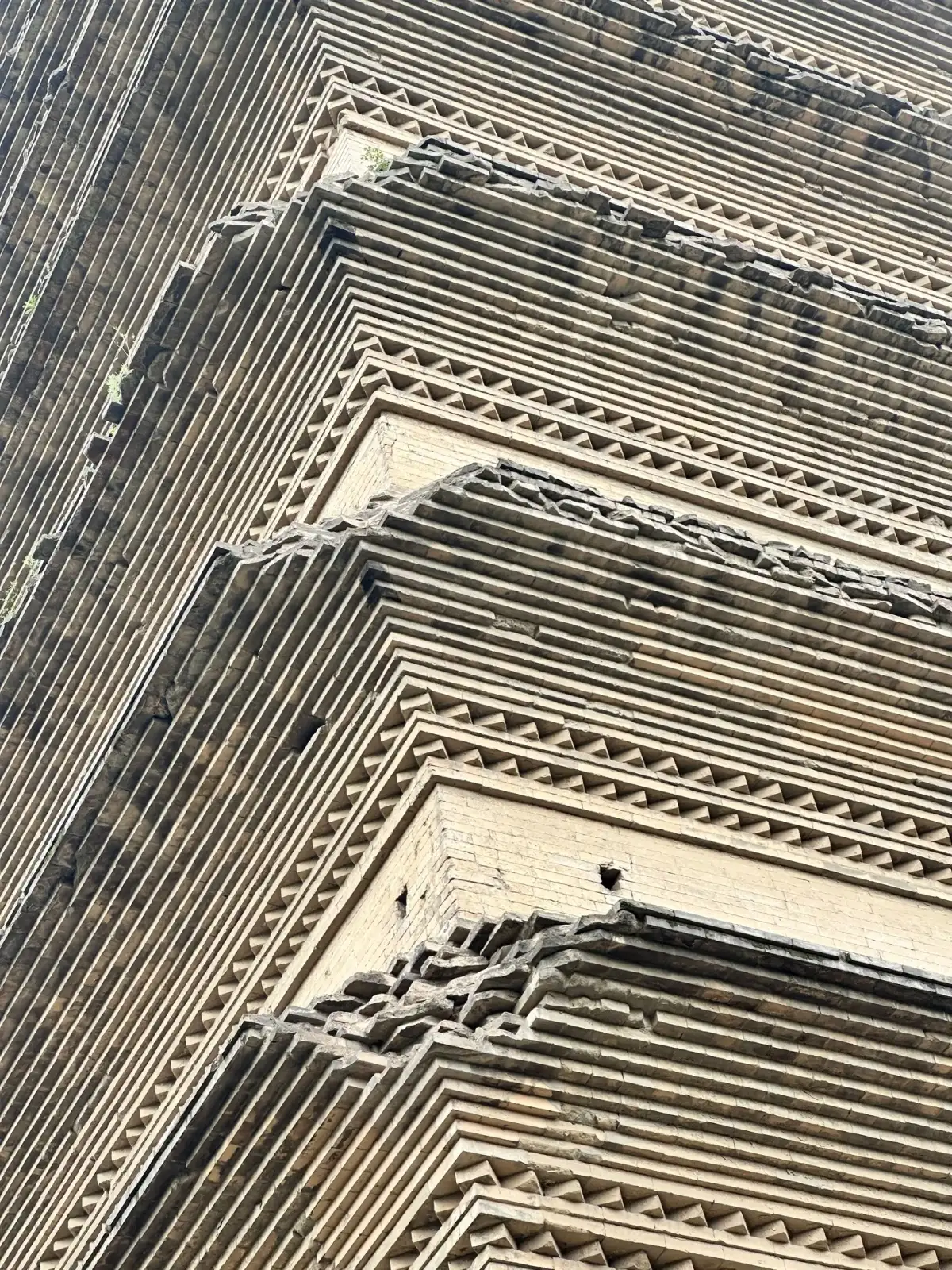
A close-up of the texture on the Little Wild Goose Pagoda’s brick eaves.
Once inside the exhibition hall, pick out a few artifacts that truly interest you
A visit to a museum doesn’t have to be a rushed journey from the first exhibit to the last. First, use the official guide to identify the themes of each gallery, then select a few artifacts that catch your eye and read their names, dates, uses, and context of discovery. By connecting their appearance with their function, you can move beyond simply thinking “that’s pretty” to asking “why was it made this way?” Visitors interested in patterns, metalwork, or urban history can each focus on different aspects.
Permanent and temporary exhibitions are subject to change; therefore, this article does not guarantee that a specific artifact will be on display during your visit. Photography must comply with museum regulations and must not obstruct other visitors’ viewing or movement. If you require English descriptions or guided tours, you should confirm the language and availability during the reservation process; do not assume that all exhibition halls offer the same language support.
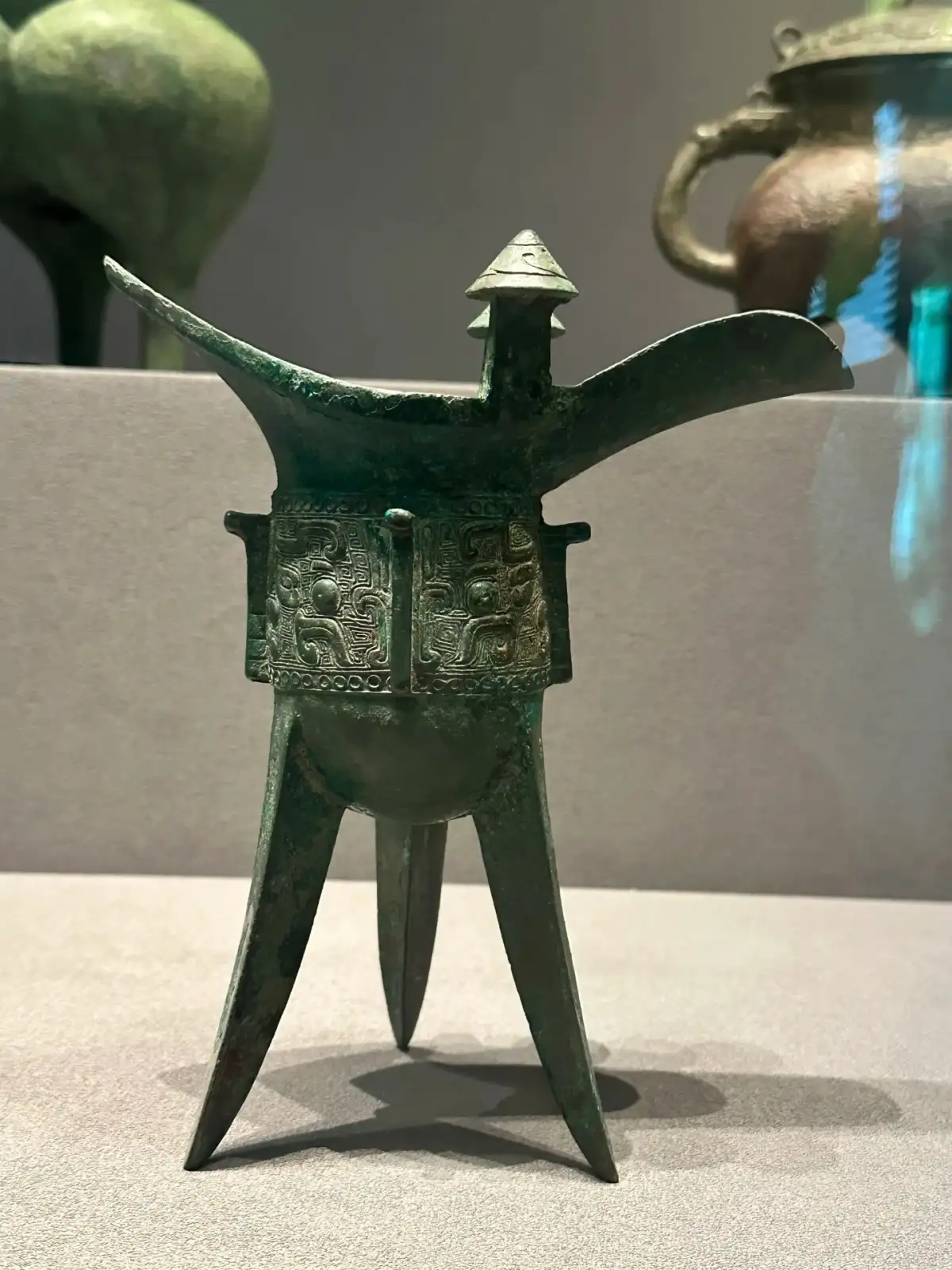
Bronze artifacts on display in the Xi’an Museum.
Appointments, luggage, and your return trip will determine whether you can spend the last half-day at a leisurely pace
Before you go, verify your reservation, opening dates, ID requirements, and entry procedures through official channels—especially if you’re using an international ID. Do not rely solely on ticket release times and closure dates posted on social media, as this information is subject to change. If you’re returning the same day, arrange for luggage storage, pickup/drop-off locations, and transportation buffer time in advance—not after leaving the exhibition hall.
Whether to continue on to Shajin Bridge or Xiangzi Temple Street afterward can be decided based on your remaining time and energy. After several days packed with historical content, the final day is better suited to focusing on a few specific details: the eaves of a pagoda, the form of an artifact, and the passage of time between them. Ending your time in Xi’an with concrete images to recall is often what gives the journey its depth.
Related Itineraries and Reference Sources
Xi’an: 5 Days, 4 Nights · View Itinerary
Compiled by the Dongxing Travel Editorial Department based on itinerary materials and publicly available travel notes, for pre-trip reading; accompanying images serve as landscape references from the source notes. Specific itineraries will be confirmed by our consultants based on travel dates and actual conditions.