September 16, 2026 · Travel Diary
“Slender” is a rhythm of perception
The surface of Slender West Lake often follows the twists and turns of the shoreline, making it difficult to take in the entire view at a glance while walking. One stretch of water is framed by trees and pavilions; after rounding the shore, a new bridge and structure come into view. This gradual unfolding makes a stroll through the garden more like reading a long essay punctuated by pauses—it cannot be summarized simply by reaching a particular bridge.
When planning your itinerary, start by selecting a group of adjacent locations from the scenic area guide—using the South Gate, Xu Garden, Little Golden Hill, and the area around the Five-Pavilion Bridge as your visual thread—then adjust your route based on your entry point and energy levels that day. The actual route along the lake isn’t always a straight path; making appropriate detours is part of the viewing experience. It isn’t necessarily more efficient to avoid turning back just to prevent missing the scenery in one direction.
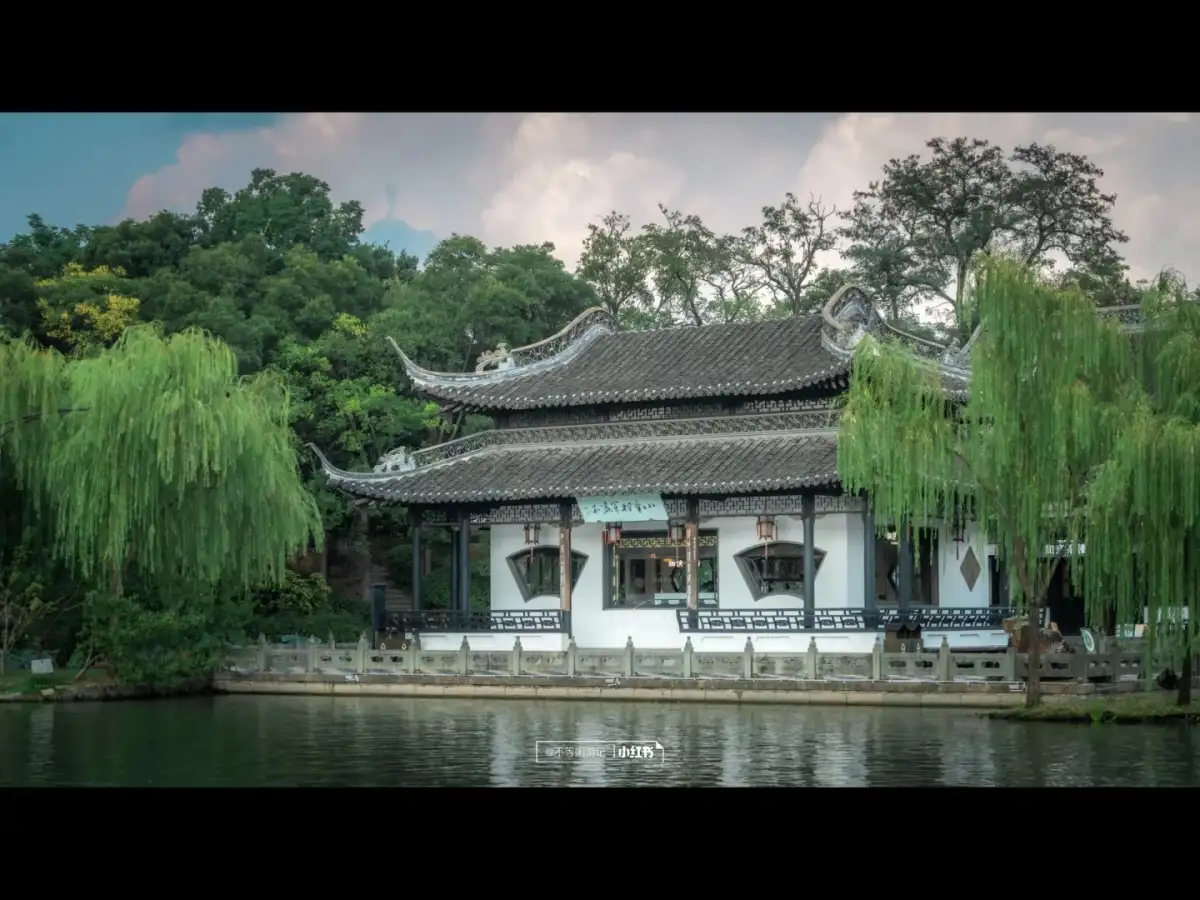
Buildings along the waterside of Slender West Lake, weeping willows, and reflections on the lake.
The intimate scale of Xu Garden serves as a prelude to the lake view
Compared to the open expanse of water, the intimate spaces within Xu Garden bring the viewer closer to the scenery. White walls, arched doorways, trees, and eaves dominate the visual composition, allowing visitors to experience the interplay of concealment and revelation within a short distance. In this context, it is worth considering “garden” as a means of orchestrating the line of sight, rather than merely a collection of ancient architecture, rockeries, and flora.
After passing through an archway, take a moment to look back. The scenery beyond the archway’s frame forms a new composition, and a wall corner you previously merely passed by may become the focal point of the scene. This way of observing requires no specialized terminology: simply pay attention to where the view is obscured and where it suddenly opens up, and the garden’s design will gradually reveal itself with every step.
Little Golden Hill and the Fishing Platform: Bringing the Distant View Closer
The area around Little Golden Hill is ideal for appreciating the undulating waterside and winding paths, while the Fishing Platform offers another ingenious vantage point. The arched gateway frames distant scenery within a limited field of view, allowing the Five-Pavilion Bridge and the White Pagoda to establish a connection with nearby structures. What matters is not memorizing a fixed shooting angle, but understanding that even a slight shift in position will alter what is framed.
Move slowly through the designated viewing areas: first observe the archway itself, then the distant view beyond it, and finally take both into your field of vision at once. If the garden is crowded, there’s no need to linger in one spot for too long. Take a few steps to the side, and the lake, willow branches, and pavilions will form new visual relationships. The richness of a garden is, after all, not confined to a single photograph that has been reproduced countless times.
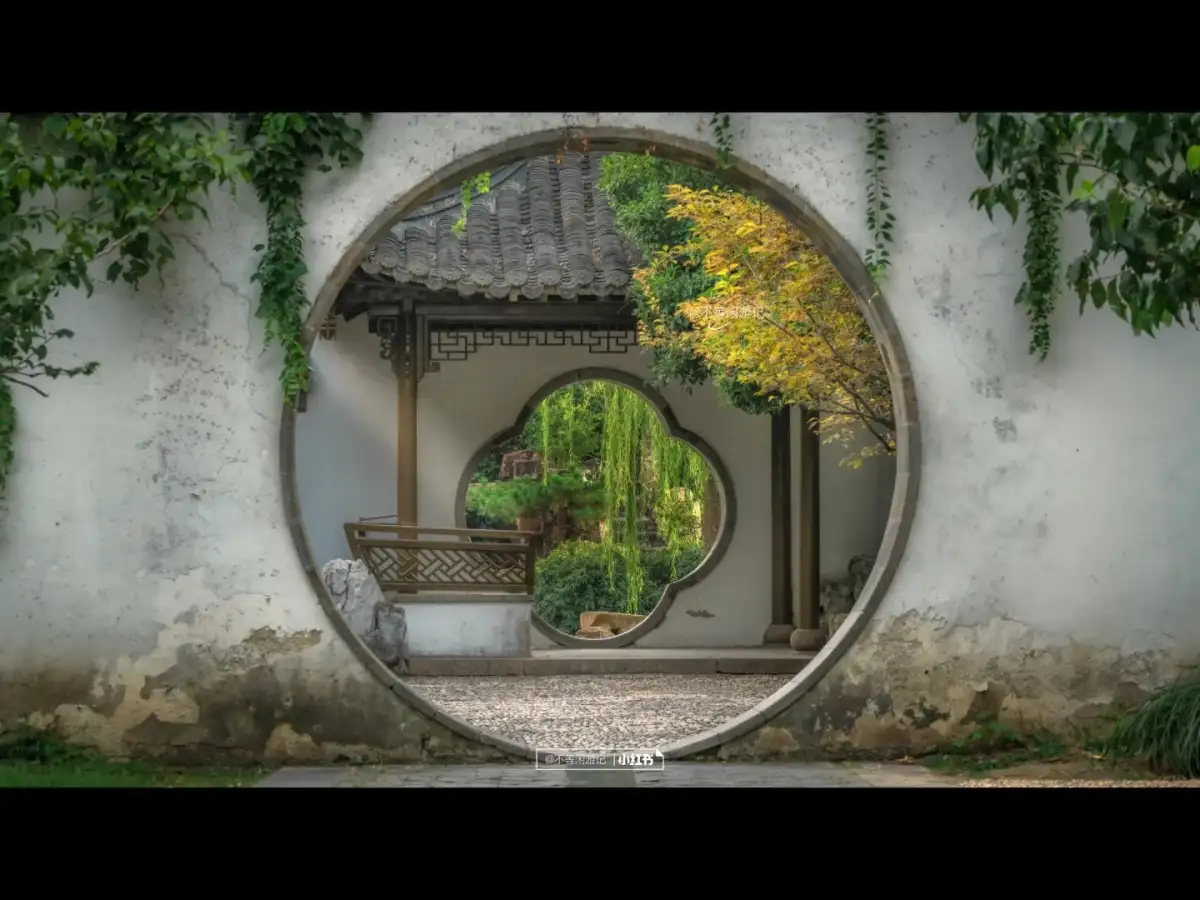
the nested circular arched doorways in the Slender West Lake garden.
the Five-Pavilion Bridge—it’s about appreciating the view from both a distance and up close
The Five-Pavilion Bridge derives its distinctive character from the combination of bridge and pavilions. From a distance, it appears as a complete silhouette spanning the water; up close, the roofs, columns, and bridge openings become distinct elements, each with its own rhythm. You might first observe the proportion of the bridge to the water from the opposite shore, then follow the open path closer to compare how the same bridge appears at these two different distances.
Viewing from the bridge and viewing the bridge itself are two distinct experiences. Standing at the edge of the bridge and gazing at the distant waterfront, the architecture becomes the vantage point; stepping back to the lakeshore and looking back, the bridge once again becomes part of the scenery. By taking a little time to savor both of these experiences, the Five-Pavilion Bridge will transform from a mere iconic symbol of Yangzhou into a space you have truly traversed and observed.
a single round gate—this allows us to examine the garden’s layers separately
In this image of Slender West Lake, two circular arched doorways are nested one inside the other, with the warm hues of distant foliage falling between the white walls and gray tiles. Such a scene invites you to pause and interpret it layer by layer: What shape is the nearest wall? How much space is left in the central courtyard? And why is the final layer of scenery revealed through the archway? Together, they form a single composition, yet each layer maintains its own sense of distance.
Try identifying the scene with your eyes first, then decide whether to take a photo. Step closer, and the first gate takes on a more imposing presence while the background recedes; step back, and the overall relationship between the gate and the wall becomes clearer. This simple movement helps you understand the concept of framed views in garden design, without treating the so-called “best vantage point” as the only answer.
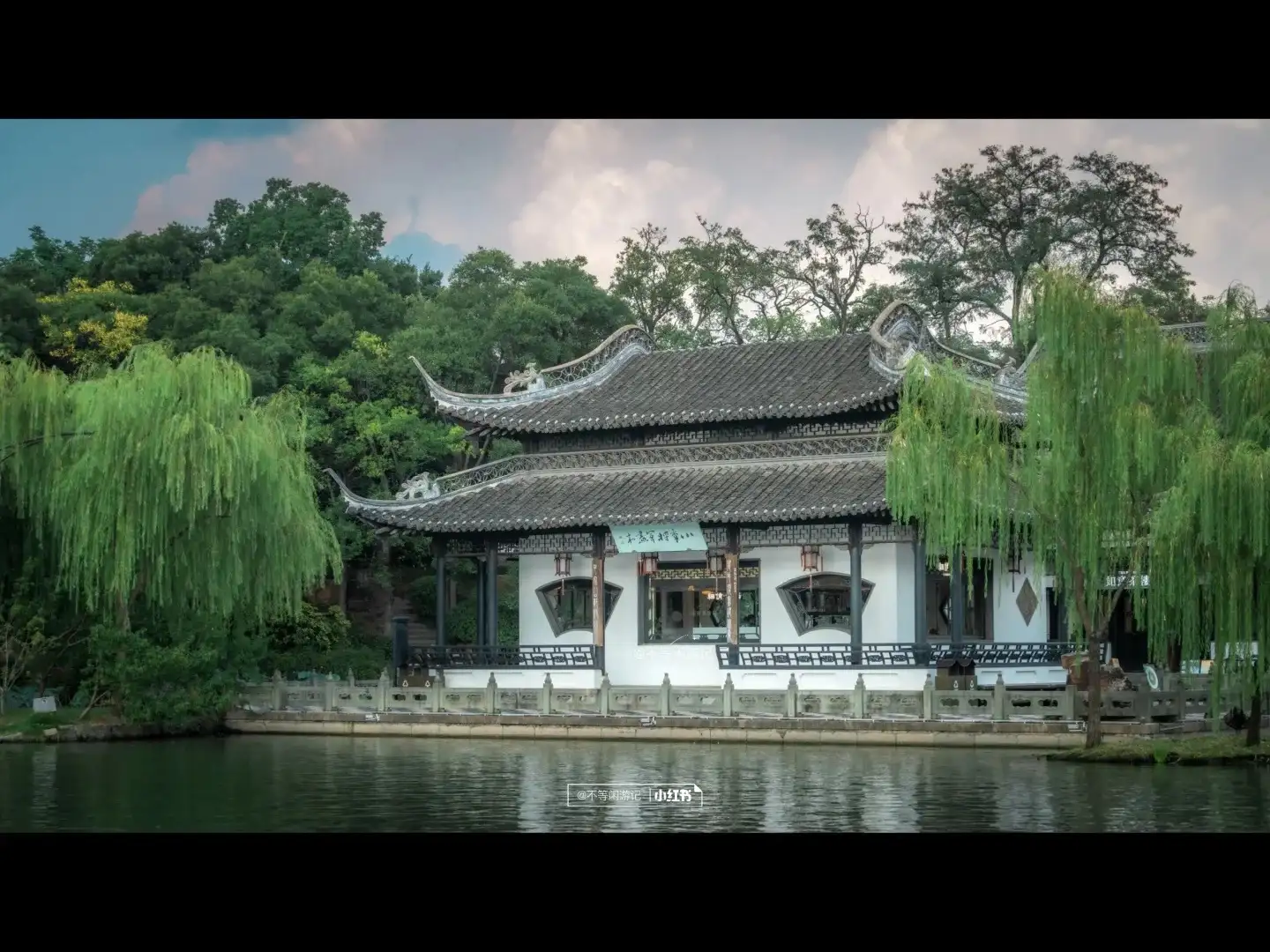
The same approach applies to waterside structures. When white facades and rooftops peek through the trees, and the water’s surface mirrors their outlines, the scene creates two distinct layers. As the wind stirs the reflections, the lower layer constantly shifts while the upper layer remains steady. By taking the time to observe these subtle changes, the charm of Slender West Lake’s gardens extends far beyond the name of its landmark.
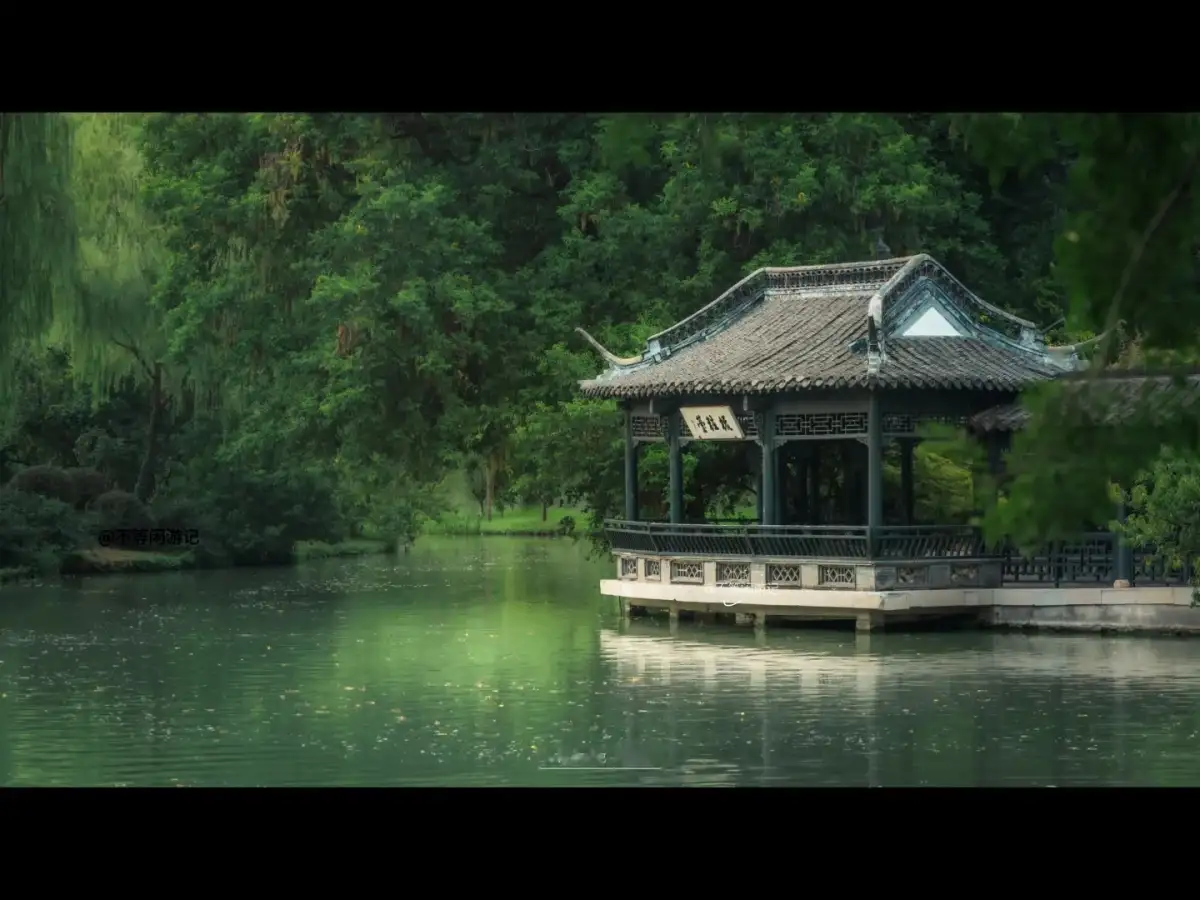
A pavilion by the Slender West Lake with dense trees in the background.
the names of the Twenty-Four Bridges—a link between poetry and reality
The “Twenty-Four Bridges” is a name that frequently appears in tours of Slender West Lake. Today’s scenic spot features specific bridge structures, walking paths, and surrounding architecture, making it suitable to explore based on on-site explanations; while it shares cultural connections with the imagery in ancient poetry, one should not therefore describe every structure before one’s eyes as an original Tang Dynasty artifact.
When viewing the bridge, first observe the relationship between the arch’s curve and its reflection on the water, then notice how the shoreline connects to it. White railings, gray stone, and weeping willows combine to create a light and airy scene, with clear layers visible even on a cloudy day. If you’ve already spent a long time in the first half of the tour, you might consider wrapping up your visit here—there’s no need to cut short your actual viewing time just to check off every name on the map.
Set aside separate blocks of time for morning tea and strolling through the garden
A trip to Yangzhou often begins with morning tea; tea, dim sum, and shredded tofu can set a relaxed tone for the day. When ordering, choose based on the number of people; there’s no need to order every famous delicacy at once. If you wish to savor different textures, you can spread out dishes like blanched shredded tofu and stuffed buns across different meals. These are gateways to urban life, not a checklist to be completed before visiting the gardens.
After strolling through the garden, you can also set aside time to sit and reflect on the different types of water you’ve seen today: a small pond by the wall, the reflections beneath the pavilion, and the open stretch of water beyond the bridge. The reason Slender West Lake is so captivating is precisely because of these constant shifts in scale. Arrange for a morning tea break and a sufficiently long walk along the lake, and your day in Yangzhou will already be quite fulfilling.
Further Reading and References
Compiled by the Dongxing Travel Editorial Department based on publicly available travel notes and the references listed in the text, for pre-trip reading; accompanying images are sourced from the noted travel notes.
Jiangsu Provincial Taiwan Affairs Office: Slender West Lake in Yangzhou