September 6, 2026 · Travel Diary
Get to know the river first when you arrive in town—don’t rush to find a photo spot
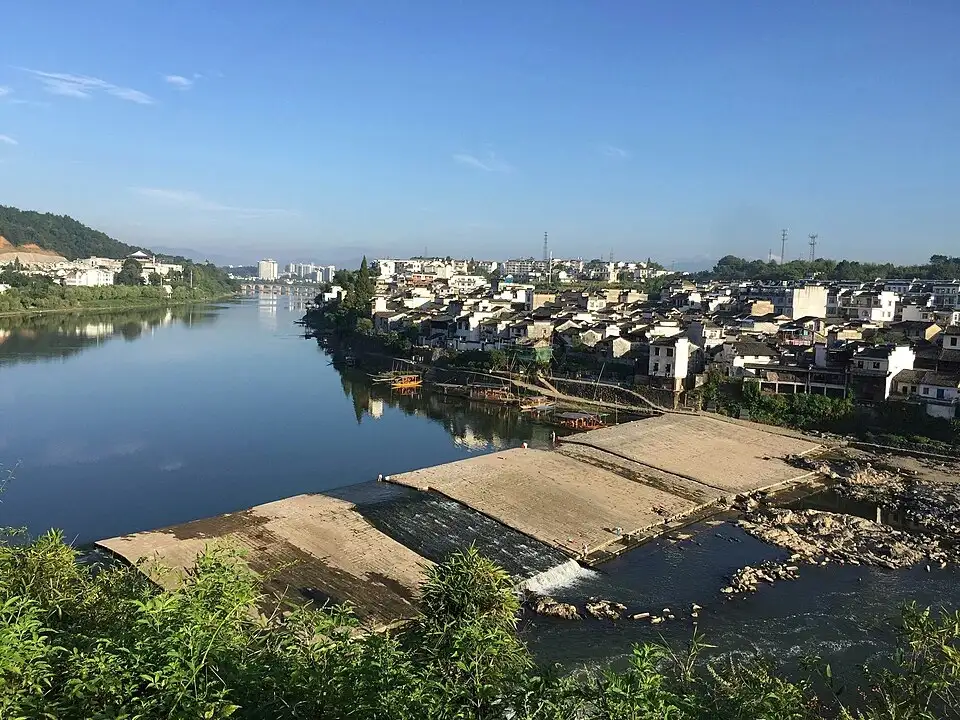
scenes of Zhenyuan often begin with a bend in the river. The mountains rise along the river, buildings unfold along the water’s edge, and bridges connect the two banks for pedestrians. When visiting for the first time, it’s often more useful to first get a sense of the river’s course and the location of your lodging than to immediately set out in search of a specific photo spot. Once you’ve gotten your bearings along the riverbank during the day, you’ll be able to appreciate the lights and reflections after dark—and avoid ending up with nothing but a string of similar nighttime photos.
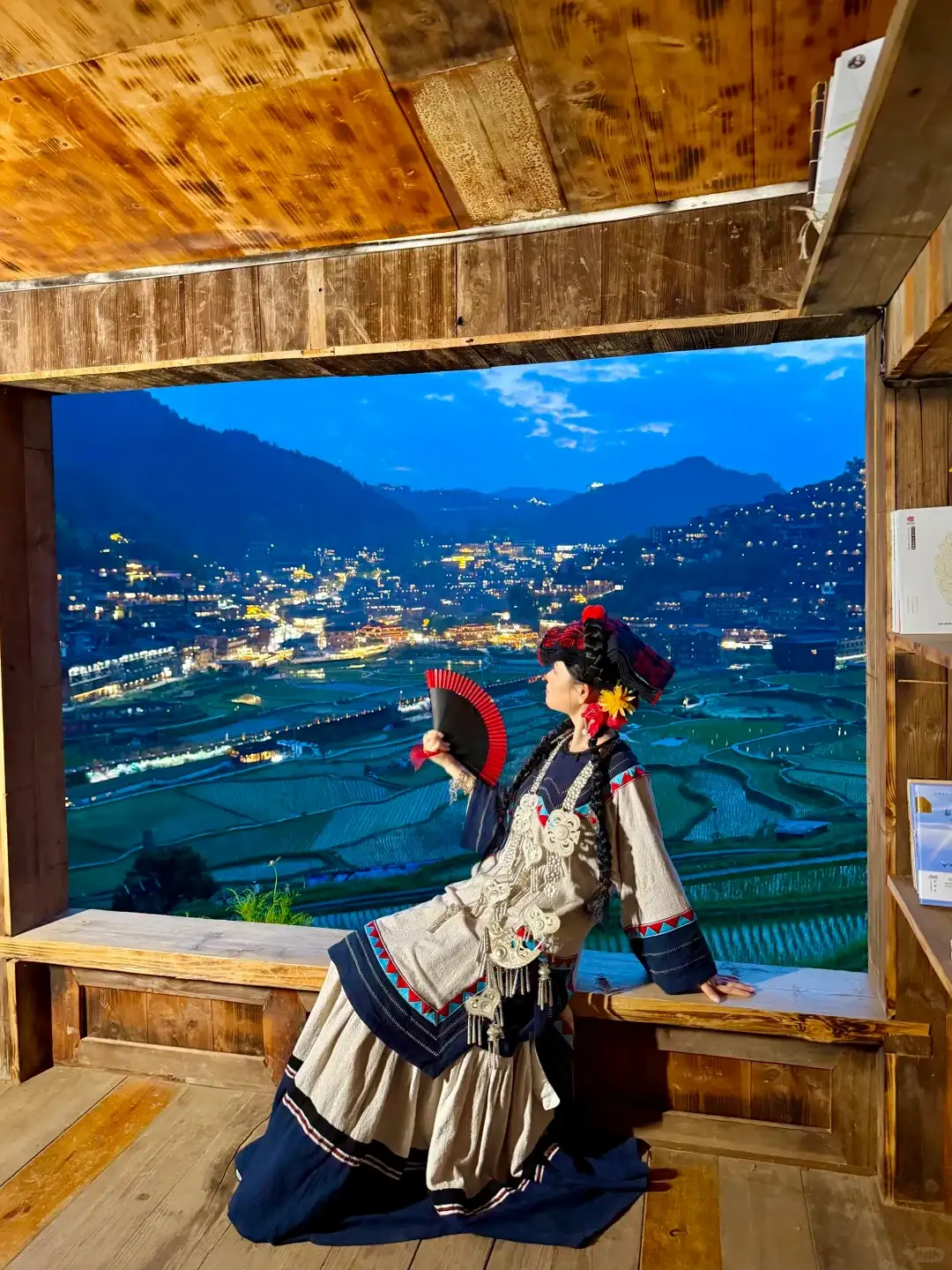
The current six-day Guizhou itinerary places Zhenyuan after the Xijiang Miao Village, followed by a trip to Mount Fanjing. This means Zhenyuan serves not only as a cultural stop but also as a transition between the two segments of the journey. If you depart from the Miao Village late in the day, you should proactively scale back your plans once you enter the town, avoiding cramming an entire day’s worth of activities into the evening. A leisurely stroll along the river and a relaxed dinner are far more suitable as a way to begin your visit than rushing through every alleyway.
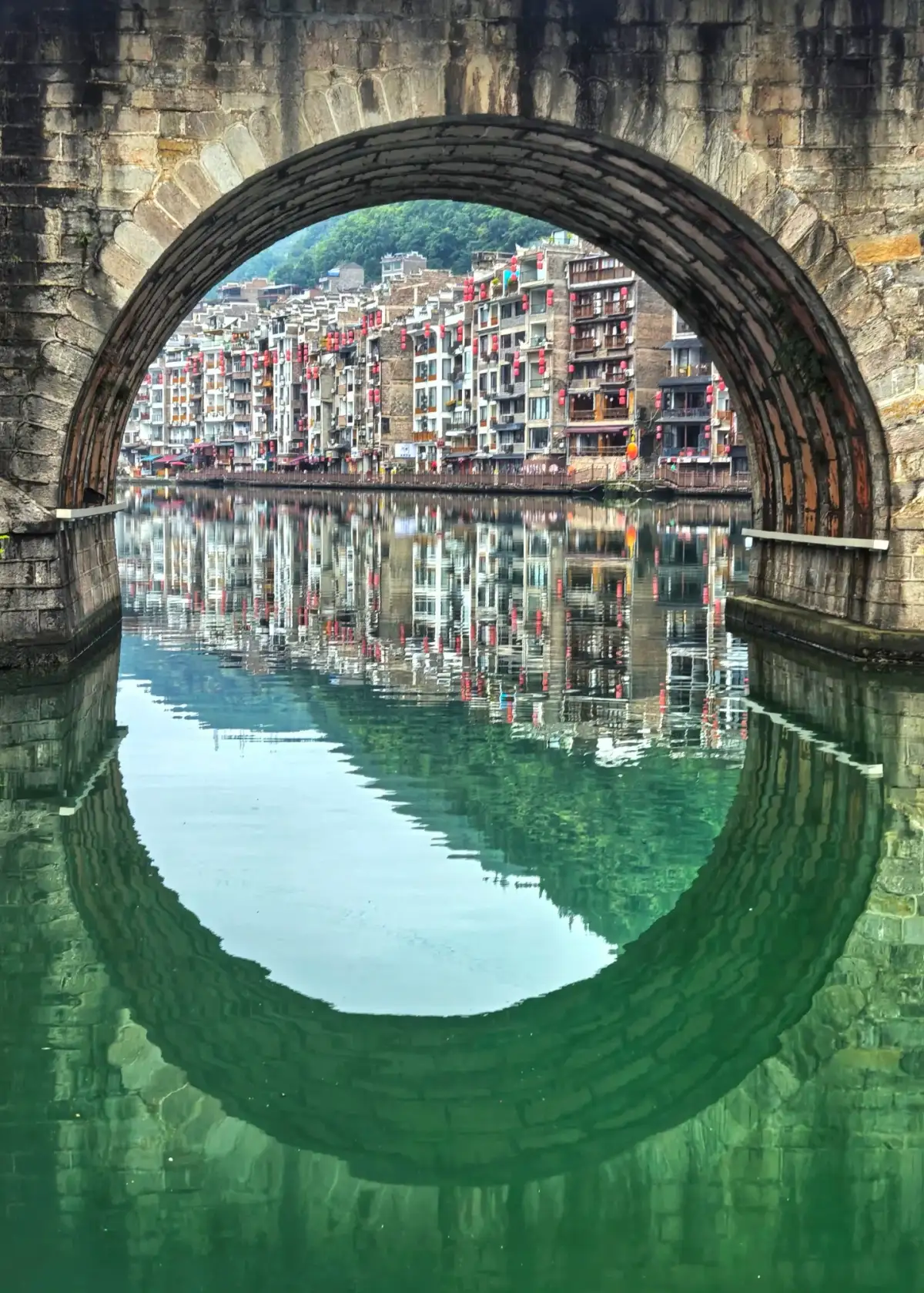
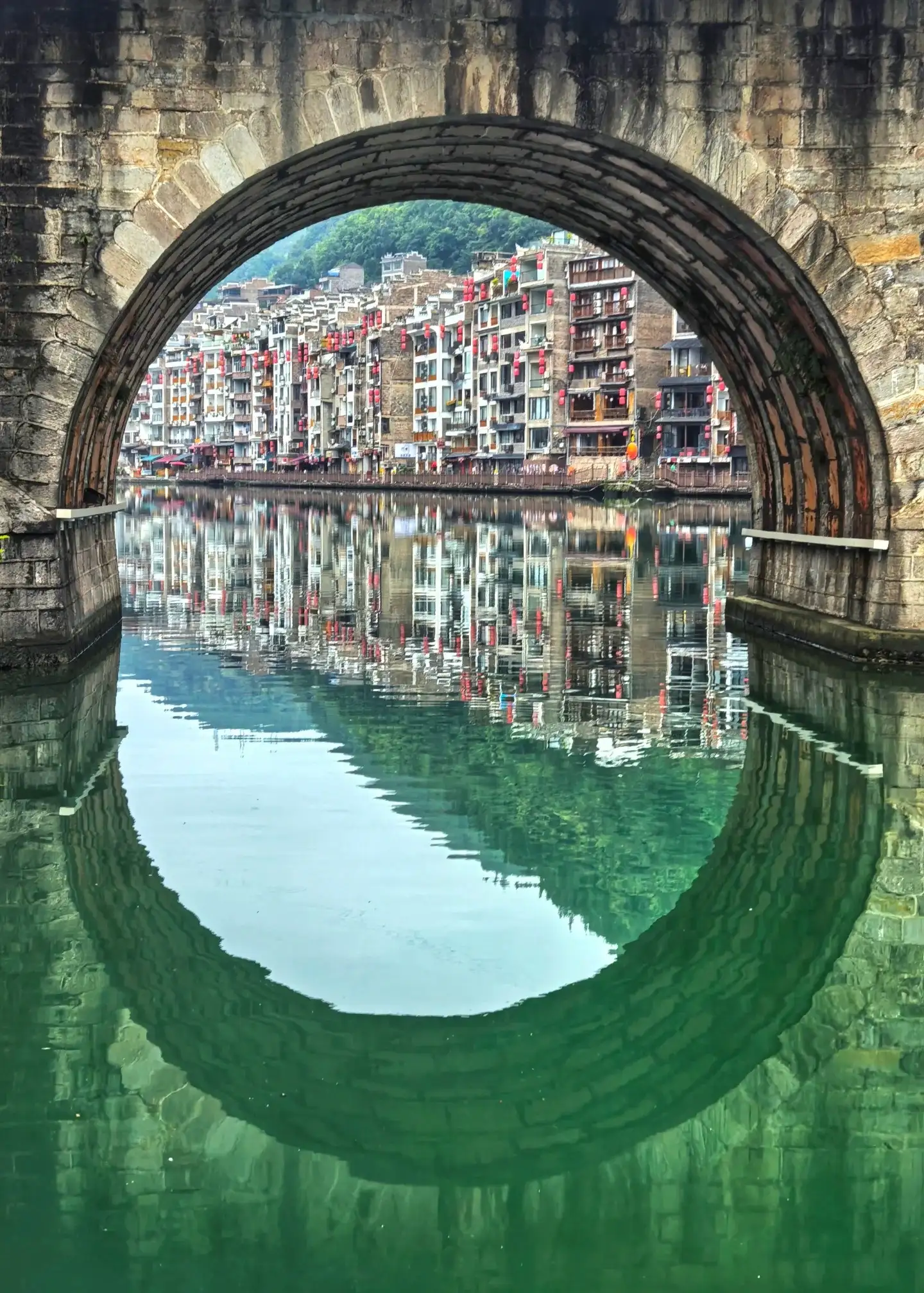
The arches of Zhenyuan Bridge and their reflections in the Wuyang River.
Starting from a bridge and returning to the familiar riverbank
Choose an easily recognizable bridge or a convenient meeting point as the starting point for your walk. Walk along the river to a spot with a wide-open view to observe how the buildings on the opposite bank line up along the riverbank, then return via open alleys. This short loop minimizes backtracking and allows your companions to decide whether to continue based on their stamina. When crossing the bridge, don’t block the passage for too long; once you’ve taken your photos, step aside—the river view won’t be any less beautiful for it.
this set of notes focuses on the Wuyang River both by day and by night. Daytime is ideal for clearly observing the structure of the “Mountain City,” as well as the lines of the eaves and bridge arches; after dark, the reflections on the water’s surface rearrange these shapes. There’s no need to capture every single light in your frame—simply choose a stretch of riverbank with a clear focal point. Lighting schedules and event arrangements are subject to change, so this article does not present any specific time as a fixed commitment.
The mountain city within the bridge arches, and the streets and alleys along the riverbank
A photograph of Zhenyuan, taken from beneath the bridge toward the opposite bank, shows the arched outline and the reflection on the water together forming a nearly perfect circle. Inside the circle are the buildings along the river; outside it lies the texture of the stone bridge. Such a scene transforms the bridge from merely a means of crossing the river into a framework for understanding the relationship between the city and the water.
when you’re actually walking, you don’t have to search for spots that match your photos exactly. You can observe the silhouette of a bridge, a street corner, or the varying heights of riverside buildings along open paths, then return to the streets to see the other sides of these structures. Walking along the river and along the streets offers different impressions: the riverbank emphasizes continuous facades, while the alleys reveal entrances, windows, doors, and the details of daily life one by one. By combining these two routes, you can avoid the regret of merely photographing the river’s surface without truly understanding this mountain city.
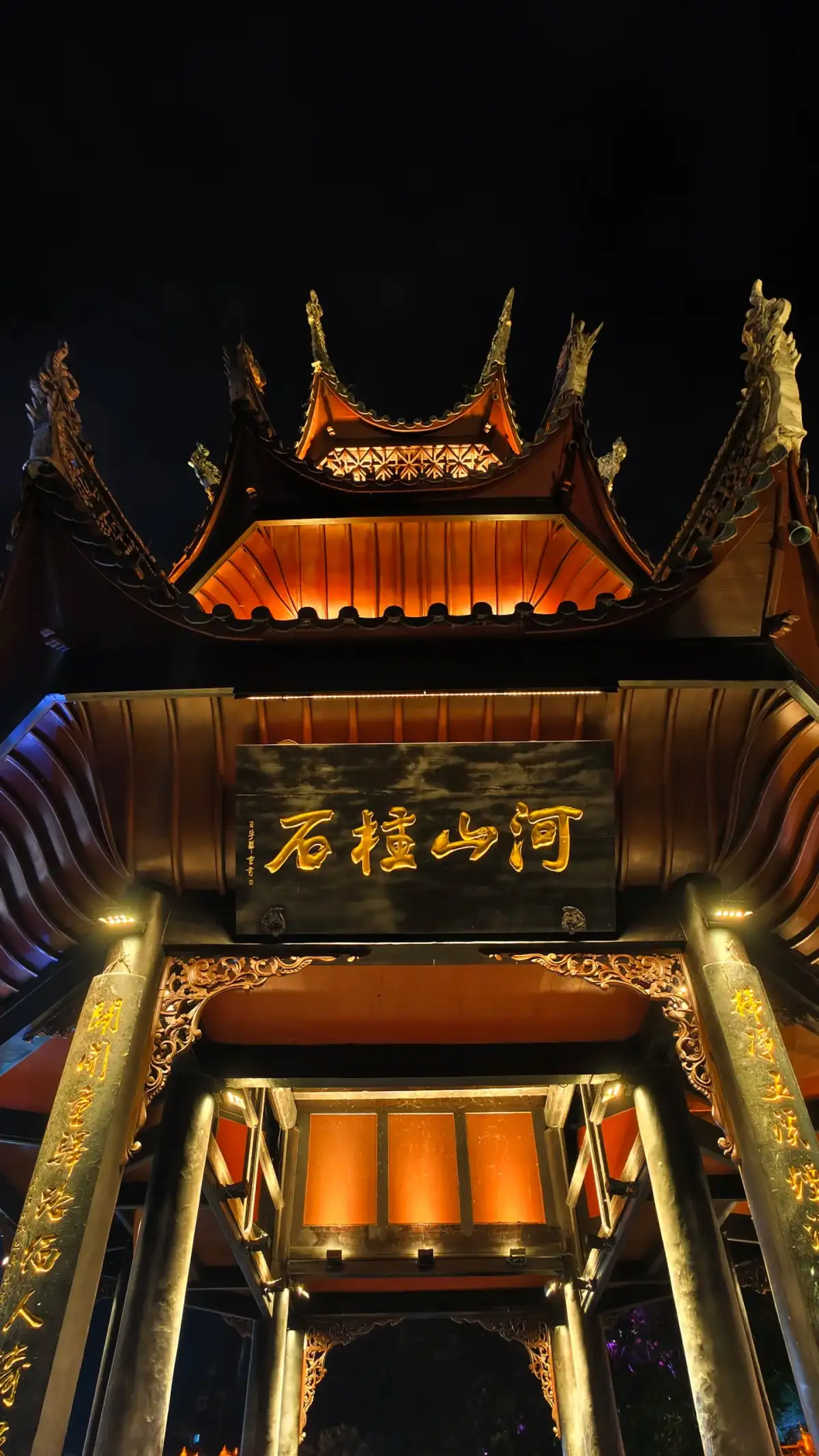
The eaves and lights of Zhenyuan’s nighttime archway.
When staying by the river, first ask about quietness and how to get your luggage there
A room with a river view offers an additional perspective, but don’t base your choice solely on photos of the view outside the window. First, confirm where vehicles can access, how far you’ll have to carry your luggage, whether there are stairs, and the distance from your room to dining or entertainment areas. For those who want to get an early night’s sleep to prepare for a hike into the mountains the next day, soundproofing and a quiet nighttime environment may be more important than a window facing the river.
Meals can also be planned around your walking route. First, consider your taste preferences, preferred spice levels, and any dietary restrictions of your companions before choosing appropriate portion sizes; don’t take the praise or criticism of a single restaurant in a blog post and apply it as a general conclusion for the entire neighborhood. The scenic value of a riverside seat and the quality of the food are two separate matters and should be evaluated independently. After sitting down, take a moment to sort through the photos you’ve taken during the day; you’ll often discover that the rooftops of Miao villages and the banks of the Zhenyuan River possess entirely different spatial rhythms.
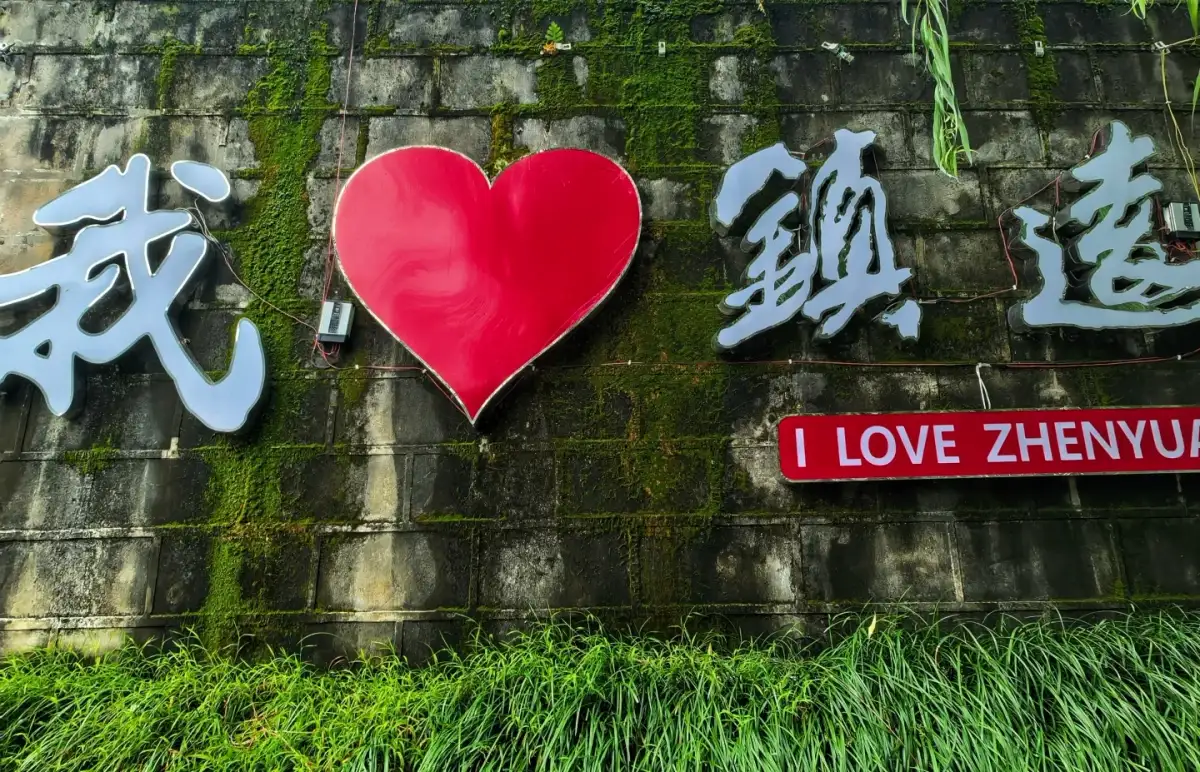
Place-name signs along the streets of Zhenyuan.
you’ll save the night views for the evening and conserve your energy for tomorrow.
you won’t have to stay out late to see all of Zhenyuan. If you plan to visit Mount Fanjing the next day, your evening stroll should have a clear endpoint; once back at your lodging, double-check your departure time, luggage, and breakfast arrangements for the following day. Transportation and weather conditions for mountain trips require separate confirmation—don’t let the beauty of the ancient town’s night scenery cut into your sleep and preparation time.
If you prefer the ancient town and wish to spend more time enjoying the early morning river views, you can adjust the duration of your stay during the customization phase rather than cutting short the next stop on the spot. The resulting itinerary will better reflect your personal preferences: in the Miao village, admire the architecture and mountain scenery; in Zhenyuan, observe how the water winds through the town; and at Mount Fanjing, shift your focus to the mountainous terrain. Each of these three segments stands on its own, and the richness of this six-day trip through Guizhou stems from these transitions—rather than rushing from place to place at the same intense pace every day.
Related Routes and Reference Sources
Guizhou: 6 Days, 5 Nights · View Itinerary
Compiled by the Dongxing Travel Editorial Department based on route information and publicly available travel notes, for pre-trip reading; accompanying images are landscape references from the source notes. The specific itinerary will be confirmed by a consultant based on the travel dates and actual conditions.