
Lakes and woodland as one theme
Suited to travellers who enjoy natural landscapes, gentle observation and regional journeys, reading water and forest at different distances.
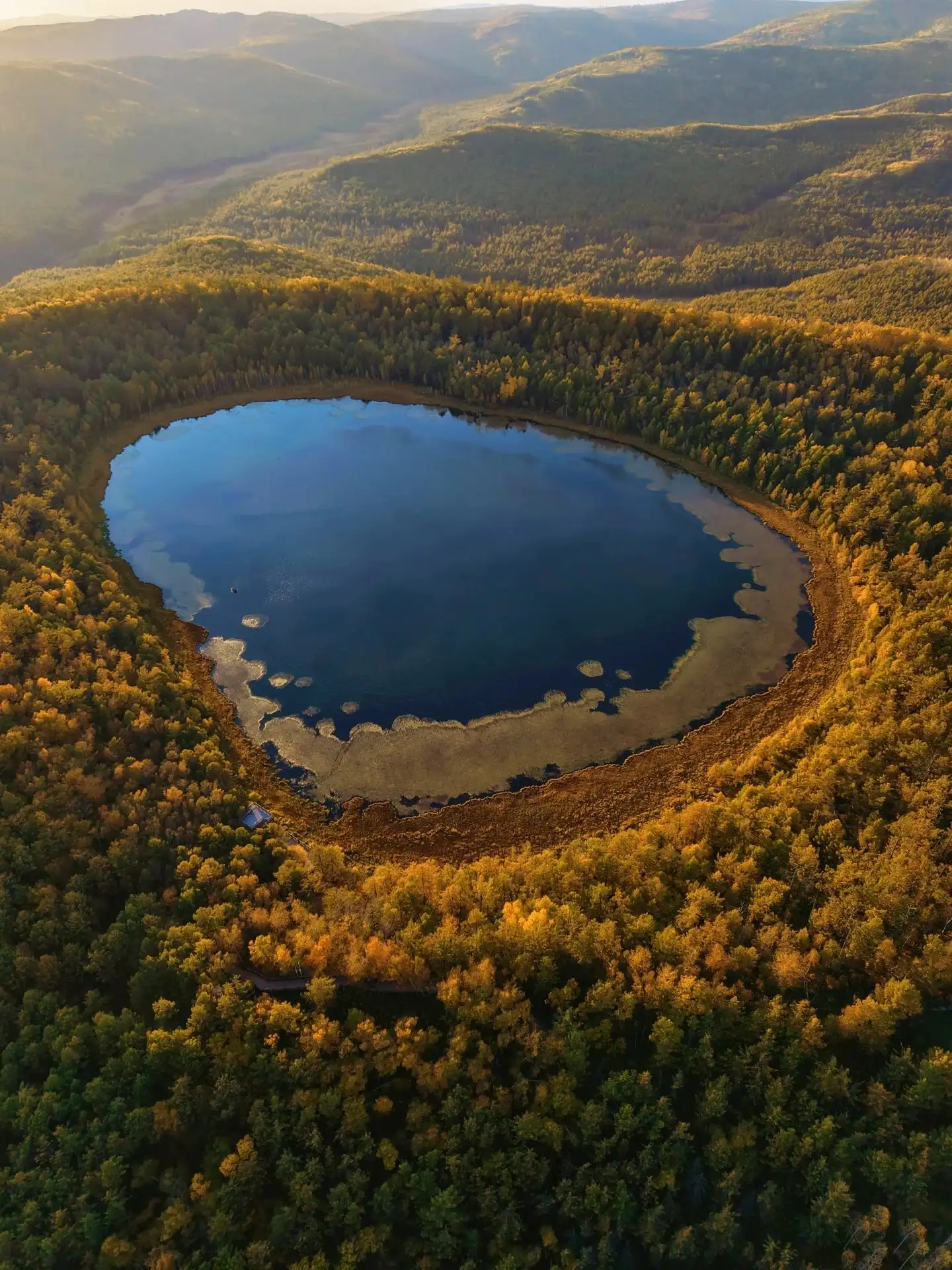
Arxan suits visitors interested in forests, volcanic landscapes, lakes and the scale of a northeastern frontier-region town. Located in eastern Inner Mongolia, it is not adequately described by a grassland label. Town and forest destinations differ in terrain, driving time, walking and accommodation. Identify the actual airport or station, town base and park areas before deciding the length of stay. Reserve complete sightseeing days for the forest and keep arrival and departure periods lighter.
The town provides a useful beginning. Streets, railway architecture and distant hills reveal a different scale from a major city. The often-photographed railway station remains subject to railway and local rules: stay off tracks and out of operational areas, and do not assume the building is freely accessible. A short walk with a clear start and finish also helps locate meals, supplies and the route back to your accommodation.
Plan Arxan National Forest Park around areas actually open for your dates. Its spread-out attractions are not necessarily a few minutes apart. Check internal transport, seasonal access, entry and accommodation rules. International visitors should confirm document and reservation procedures rather than copying a social-media route. Select priorities that leave time for a safe return and rest.
Approach crater-lake scenery through landforms, not only water colour. Viewpoints may require steps and elevation changes; follow site signs and choose a comfortable distance. The relationships between water, slopes and forest remain interesting in clear or overcast weather. If conditions differ from a photograph, look at shorelines, vegetation and the surrounding shape instead. Stay inside open viewing areas.
Volcanic terrain such as Shitanglin complements the lake theme. Rough rock surfaces and plants growing between them invite attention to different timescales. Read the park’s geological interpretation and follow open paths. A place name does not imply permission to climb every rock formation; gaps, wet surfaces and uneven ground matter. A slower, shorter visit can reveal more than numerous hurried viewpoint stops.
Choose Dujuan Lake and other shore areas according to seasonal access and weather. Flowers, reflections and autumn colour cannot be guaranteed. Distinguish available paths and viewpoints from separately operated activities such as boats. In wind or rain, limit exposure and dress for actual conditions. Leave enough time to reach the return transfer rather than following changing light until the last service is missed.
Season is a major planning factor. Summer forest routes, autumn conditions and winter transport are different plans, not interchangeable versions of one itinerary. Check forecasts for the exact destination, including morning and evening temperatures. Snow, frost and particular foliage colours remain natural possibilities. Seek personal professional advice if uncertain about activity suitability.
Confirm transport and supplies earlier than you might in a large city. Check arrival points, road conditions, transfer coverage and return timings; the journey from town to park is significant. Ask accommodation providers about meals, heating or hot water, connectivity and foreign-passport registration. Away from town, do not assume every service operates throughout the day. Carry suitable water, food and charging alternatives, and ask operators about current changes.
A combination with Hulunbuir should follow actual distances and transport rather than a shared regional name. Separate long transfer days from major sightseeing and allow for weather and roads. A considered town, forest and lake sequence reveals the changing landscape. Follow access, railway safety and forest-fire rules; do not collect plants, feed wildlife or enter closed areas for an empty photograph.
Suited to travellers who enjoy natural landscapes, gentle observation and regional journeys, reading water and forest at different distances.
Summer greens and autumn woodland each have interest. Shape the visit around actual weather and opening rather than one photograph's colour.
The aerial image shows the relationship between a lake basin and surrounding woodland. On the ground, visit open paths and designated viewpoints to observe trees, shorelines and water colour; the aerial perspective is not a walking viewpoint.

A second lake offers a comparison of shoreline shape and forest patterns. Select actual stops along the confirmed route, giving both waterside observation and woodland walking their own time. The season and colours in the photograph are not guaranteed for every visit.
Settle in Arxan → a confirmed forest and lake visit → rest or the next regional transfer
Arrange accommodation, a meal and transport on arrival in Arxan, adding a short easy town activity if time allows.
Select confirmed open lake and woodland sections, planning stops, meals and the return around the actual vehicle route.
Check connections between town, accommodation, park entrances and internal transport. A straight line on a map is not an available driving route.
Bring suitable footwear and layers for wind and temperature changes. Check roads, services and open areas separately for colder months.
International visitors should confirm reception and the itinerary in advance, with separate checks for border or restricted areas. Stay on permitted paths.

Start with your interests, available time and the right combination of places.

Plan by region and interest, rather than choosing one season for the whole country.

Meet local life with curiosity, consideration and an open mind.
YOUR JOURNEY
Share the places and timing you have in mind, then discuss a suitable route with a guide or travel adviser. Services and availability need confirmation.
Contact a guide about this place
FROM INSPIRATION TO YOUR JOURNEY
A place you dream of. A journey shaped around you.
Plan my trip