
Architecture read with modern history
Rooms and corridors provide an entry to a historical subject for visitors willing to read interpretation and discuss urban memory.
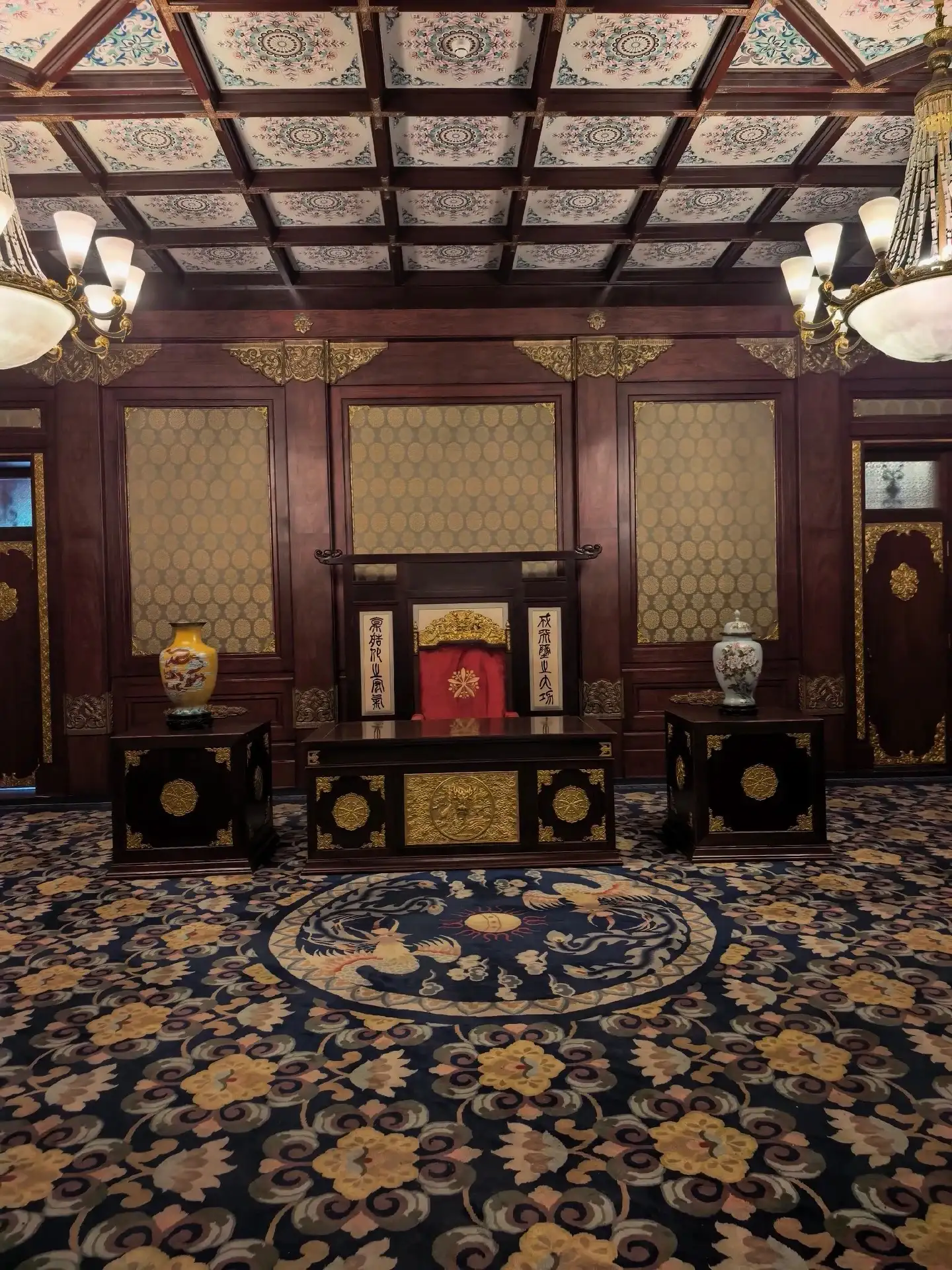
Changchun offers urban history, film culture, public spaces and forest breaks within a northeastern journey. It should not be approached as another version of Harbin. Buildings associated with modern history, today’s streets and nearby green areas support distinct themes. For a first visit, choose two or three full days around your interests: historical interpretation, city neighbourhoods and, if time allows, a more distant natural setting. Avoid packing every museum, commercial street and park into a transfer stop.
The Museum of the Imperial Palace of Manchukuo requires historical context. It is not a conventional palace visit, and attractive architecture should not obscure the history it represents. Read the museum’s background and connect rooms and building functions with the displays, distinguishing historical spaces from later interpretation. Confirm foreign-language guidance if needed and allow time for complex subjects. Follow official opening, reservation, document and photography rules.
For a walk among modern-era buildings, select a coherent neighbourhood theme rather than pursuing every name on a list. Check current use and access; some buildings are appropriately viewed only from public streets. Materials, street width, trees and present-day activity provide more context than a single facade photograph. Stay out of non-public working, residential and educational spaces and protect personal privacy.
Film culture offers another approach. Before choosing a formal exhibition or public visitor space associated with Changchun Film Studio, check current opening and displays. Production processes, equipment, stills and city culture can form one worthwhile theme without linking every entertainment venue. Visitors unfamiliar with Chinese cinema can begin with period context and a concrete production process rather than an unexplained list of famous names.
South Lake and city parks provide a useful pause after concentrated museum visits. Choose a manageable route with seating, exits and return transport instead of completing an entire circuit. Water, trees and neighbourhood edges reveal daily urban rhythms. Respect people resting or exercising. Plan differently for summer heat, wet paths and winter ice; a visible frozen surface does not establish permission or safety to walk on it.
More distant natural spaces such as Jingyuetan deserve a separate plan. Check access, open routes and available internal transport before choosing walking length. Forest and water change with the seasons, but specific autumn colour or snow conditions cannot be promised. Allow a generous half-day or full day, with meals, rest and a return margin. Assess sports activities against actual operations and your own ability.
Explore local restaurants without turning meals into a compulsory list. Ask about shared-dish portions and prices and order modestly first. Explain allergies, vegetarian or religious requirements in terms of ingredients and preparation rather than vague labels. Allow time to adjust clothing after coming indoors in winter and use meals as genuine pauses after demanding historical themes.
Changchun station, Changchun West, the airport and individual hotels produce different transfers. Map exact stations against daily priorities and compare door-to-door travel. For combinations with Shenyang or Harbin, use current services and avoid fixing an inflexible museum visit to a long-distance arrival day. Confirm foreign-passport registration, late check-in, heating or cooling and room conditions.
Prepare for the actual season. Winter outdoor periods can be shorter with indoor breaks and footwear suited to surfaces; summer walks need shade and rain alternatives. View autumn conditions as they are rather than as a promised promotional photograph. Recheck forecasts, venue notices and return arrangements. Changchun rewards time for both historical reflection and present-day life, rather than treatment as an incidental stop beside a better-known city.
Rooms and corridors provide an entry to a historical subject for visitors willing to read interpretation and discuss urban memory.
Give museum reading its own time, then finish with a short neighbourhood walk and a meal rather than compressing several Northeast China transfers into one day.
Read the interior within the historical context explained by the displays, comparing how furniture, ceiling and floor organise the room. Details offer concrete observation, while the visit centres on modern history and power rather than a generic luxury palace experience.

Follow permitted corridors to understand the connection between windows, walls and adjoining rooms. Compare these spaces with historical photographs and interpretation to distinguish original fabric, former uses and current presentation.

Pause at the furnishings to compare patterns, materials and room functions, then read the labels to understand their display status. Close observation and historical interpretation together explain the site's place in Changchun's memory.
Read modern history at the museum → compare displays and buildings → rest and a short city walk
Use the visitor map to select a main route, comparing historical interpretation with one group of architectural spaces and including a break.
Finish with a convenient short city walk, a meal or another confirmed cultural stop near the return route to the hotel.
Check current opening, reservations, international document procedures and photography rules. Allow for entry checks and careful reading.
Distinguish the history of buildings, furnishings and displays; replicas or reconstructions should not be assumed to be original objects.
Bring warm clothing and limit long outdoor waits or continuous exposed walks. Allow separate transfer time between stations, accommodation and the museum.

Start with your interests, available time and the right combination of places.

Plan by region and interest, rather than choosing one season for the whole country.

Meet local life with curiosity, consideration and an open mind.
YOUR JOURNEY
Share the places and timing you have in mind, then discuss a suitable route with a guide or travel adviser. Services and availability need confirmation.
Contact a guide about this place
FROM INSPIRATION TO YOUR JOURNEY
A place you dream of. A journey shaped around you.
Plan my trip