
Books and buildings read together
A rewarding stop for travellers interested in writing, the preservation of knowledge and Chinese culture, beginning with the setting before the documents.
Ningbo in eastern Zhejiang suits visitors interested in book culture, port history, urban waterfronts and coastal life. Rather than making it a hurried stop after Hangzhou or Shanghai, begin with the city and then choose one excursion. Urban sights, historic towns, mountains and islands involve different transport arrangements: belonging to the same administrative area does not make them an easy single-day combination. Two or three city days can give a coherent impression; more distant coastal or mountain visits need separate transfer time.
Tianyi Pavilion is a strong cultural starting point. International visitors can approach the historic library through the preservation of books, family space and the transmission of knowledge. Read the museum’s introduction, then examine how buildings, courtyards and interpretation convey these themes. Follow lighting, photography and access rules. Confirm foreign-language guidance if needed; otherwise, official text and a short question list can still give the visit direction.
Moon Lake and its neighbourhood make a useful counterpoint to a concentrated indoor visit. Water, planting and urban life share a setting without requiring a full circuit of every bank. Choose a route with convenient exit points and places to sit, noticing how bridges, paths and buildings frame different views. This is a public space used by residents; keep paths clear and respect privacy. Shorten the walk in rain or heat and plan the return journey.
Sanjiangkou makes the port-city impression more concrete. Consult a map to distinguish waterways and banks, then explore open public areas to observe bridges, buildings and current transport. Daylight helps explain scale, while evening lighting changes the water’s appearance. Decide whether to wait for night according to weather and energy, rather than sacrificing the following day for a photograph. Check which waterfront sections are actually connected and open.
The Old Bund can form part of a reading of modern urban history. Surviving architecture and current restaurant or entertainment uses are not identical to the past; distinguish historical explanations from present-day activity. A daylight study of facades or a short evening walk are both valid. Clarify restaurant pricing and ingredients, and consider night noise before choosing nearby accommodation.
For excursions, choose one direction around your interests. Compare open visitor areas around Cicheng for historic settlement themes, or research the Fenghua–Xikou corridor for landscape and cultural links. Check each site’s access, internal transfers and ticket arrangements. Combining villages, temples and coast into a single day can leave little actual time to look.
Coastal and island plans need weather flexibility. Distinguish destinations within Ningbo from neighbouring areas such as Zhoushan using actual locations and transport. For boats, verify the operator, port, onward travel and a return alternative. Wind and sea conditions may change services; bright sea colours in photographs are not a promise. Museums, waterfronts and food already support a worthwhile city stay without an island excursion.
Explore seafood, snacks and local cooking through individual restaurants rather than broad claims. State seafood allergies or exclusions explicitly and check broths, sauces and preparation. Even a dish that does not look like seafood may contain related ingredients. Order modestly when sharing and clarify whether prices are per portion or by weight. An unhurried meal connects everyday port-city life with its historical themes.
Separate the intercity journey from the final transfer. Check exact stations, airport and hotel locations; train running time is not door-to-door time. Base yourself near the main daily route and keep arrival day light. Heat, coastal weather, wet surfaces and holiday reservations can all affect plans, so recheck forecasts and venue notices. Ningbo is best understood through connected themes of books, trade and waterfront life rather than an isolated landmark list.
A rewarding stop for travellers interested in writing, the preservation of knowledge and Chinese culture, beginning with the setting before the documents.
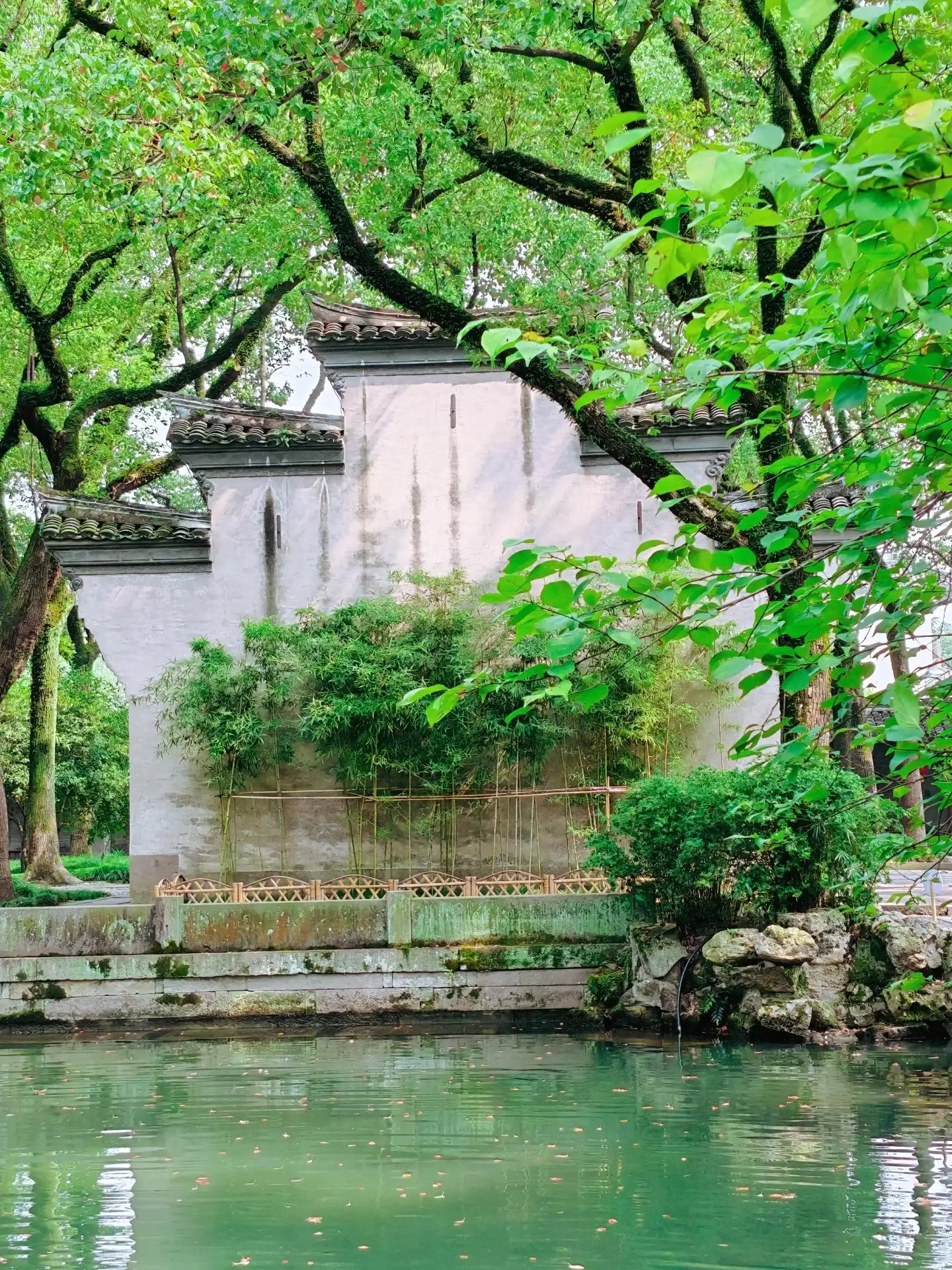
Ponds, walls, passages and shadows offer concrete observations even before a visitor can read the Chinese interpretation.
Water and white walls give buildings and plants distinct visual layers. Begin with the whole view, then notice reflections and tree shadows. The garden introduces the setting of a book collection rather than presenting an isolated pavilion.

Follow the visitor route to see how walls and paths link adjoining spaces. The narrow passage draws the view inward after an open pond scene; paving, wall height and corners make the changing sequence easy to read.

Look at eaves through the foliage, then use interpretation to understand the building's purpose and historical layers. Connect the garden with the collection's themes of preservation and transmission to give the architecture a fuller cultural meaning.
Tianyi Ge buildings and gardens → a city culture walk → rest and a meal
Read the gardens and buildings before choosing displays on books and their preservation, ending with time to sit and rest.
Add one conveniently connected city walk or open cultural venue, keeping the day within a manageable area.
Check opening, reservations, document and photography requirements. Balance the gardens and exhibitions rather than rushing to a single building.
Confirm the Ningbo city route first, then plan coastal or island transfers independently; distant places are not casual extensions of the same walk.
Include shade or an indoor alternative in summer and monitor heavy rain alerts. Select seafood and other dishes according to allergies and preferences.

Start with your interests, available time and the right combination of places.

Plan by region and interest, rather than choosing one season for the whole country.

Meet local life with curiosity, consideration and an open mind.
YOUR JOURNEY
Share the places and timing you have in mind, then discuss a suitable route with a guide or travel adviser. Services and availability need confirmation.
Contact a guide about this place
FROM INSPIRATION TO YOUR JOURNEY
A place you dream of. A journey shaped around you.
Plan my trip