Quanzhou's appeal lies in the close relationship between historic sites and everyday streets. Use Kaiyuan Temple and West Street to establish your bearings, then gradually explore the city's maritime trading history. Its World Heritage significance concerns a Song–Yuan commercial urban system, rather than only one temple or two towers. There is no need to cover every component in a single trip. Choose a few places that explain one another and take time with street patterns and building materials. International visitors can begin with an accessible old-city walk, then use a guide or museum to add context without memorising historical terms beforehand.
The Zhenguo and Renshou towers of Kaiyuan Temple emerge between roofs and branches, and reward closer viewing within open areas. From afar, notice their repeated eaves and upward profiles; nearby, examine stone, niches and carving. Stone conveys the rhythm of a timber pavilion, combining mass with delicate repetition and variation. Do not identify figures solely from their clothing; consult labels and a knowledgeable guide. Inside open halls, shift your attention to beams, courtyards and light to understand the architectural relationships. This remains a religious space, so quiet behaviour and respect for photography rules belong to the visit.
After leaving the temple, the towers recede behind lower roofs and their scale changes with every step. Walk part of the main street, then explore a few accessible side lanes to see how shops, courtyard doors and eaves connect. Liveliness is only one aspect of the street; quieter lanes reveal a different spatial depth. Viewpoints inside upstairs cafés or businesses depend on their individual entry conditions and are not public viewing platforms. A normal street-level glance back at the towers can reveal the old city's density without queuing to reproduce a photograph. Residents still live here, so ask before photographing private doors and windows.
If you want to understand Quanzhou's World Heritage status, give a museum or other heritage components with confirmed access a separate part of the itinerary. Kaiyuan Temple offers architectural and religious observation, while museum interpretation can clarify ports, shipping and cultural exchange. Seeing the city before reading exhibitions often helps place information geographically. Scattered heritage components do not form a short walking circuit, and increasing their number should not squeeze out explanation. Ask your adviser to choose two connected themes, such as stone architecture and religious exchange, or port life and local food.
Two nights make a practical old-city stay; add a night for surrounding areas or deeper cultural interests. Keep arrival-day walking light, use a full day for Kaiyuan Temple, West Street and one related theme, then leave time for breakfast or a museum before departure. Railway stations and the old city are different arrival points, so confirm the transfer from your chosen station to the hotel. Searching crowded lanes with luggage wastes sightseeing time. One-way roads, parking and walking stretches also affect local travel: a car cannot reach every courtyard door. Choose accommodation by quietness, pickup access and dining distance as well as its view.
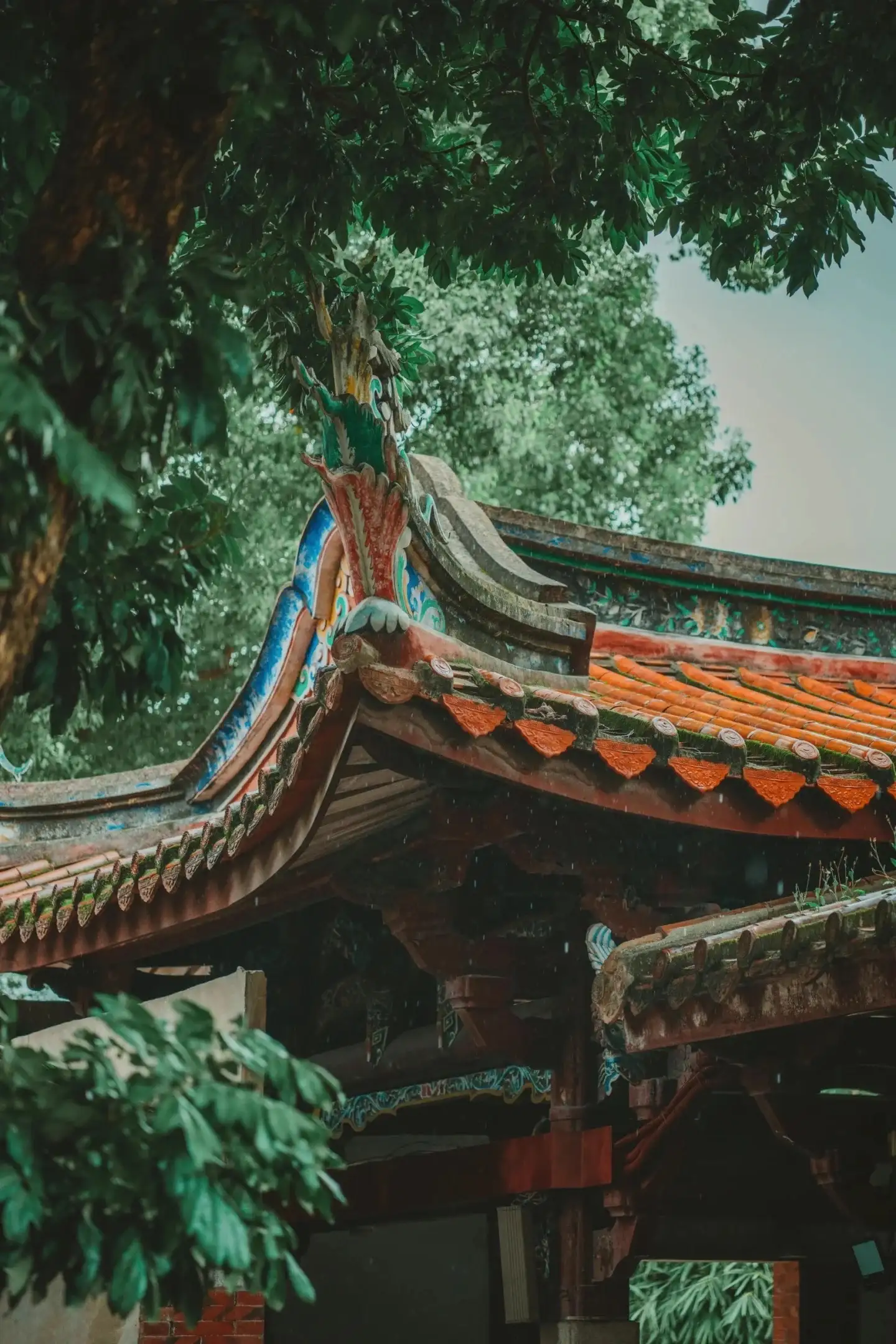
Spring and autumn often suit longer walks; in summer leave room for heat, rain and indoor breaks, while checking conditions for your actual dates. Mianxianhu noodle soup and runbing wraps offer approachable introductions to local textures and preparation. Ingredients vary between shops, so explain allergies and restrictions before ordering. Not every snack shop is centuries old, and unverified lowest prices are not useful guidance. The photographs here match Kaiyuan Temple's eaves and towers, showing architecture rather than promising empty spaces during busy periods. Quanzhou rewards an unhurried visit, but businesses, residents and religious activity remain part of a living city.