
A broad lake view and shoreline detail
Choose one shore stop with clear mountain context and another for ripples, stones or seasonal materials. The two distances create a complete lake theme within a substantial visiting segment.
A deeper China. A journey of your own.
A plateau shoreline beneath mountain views
Plan my trip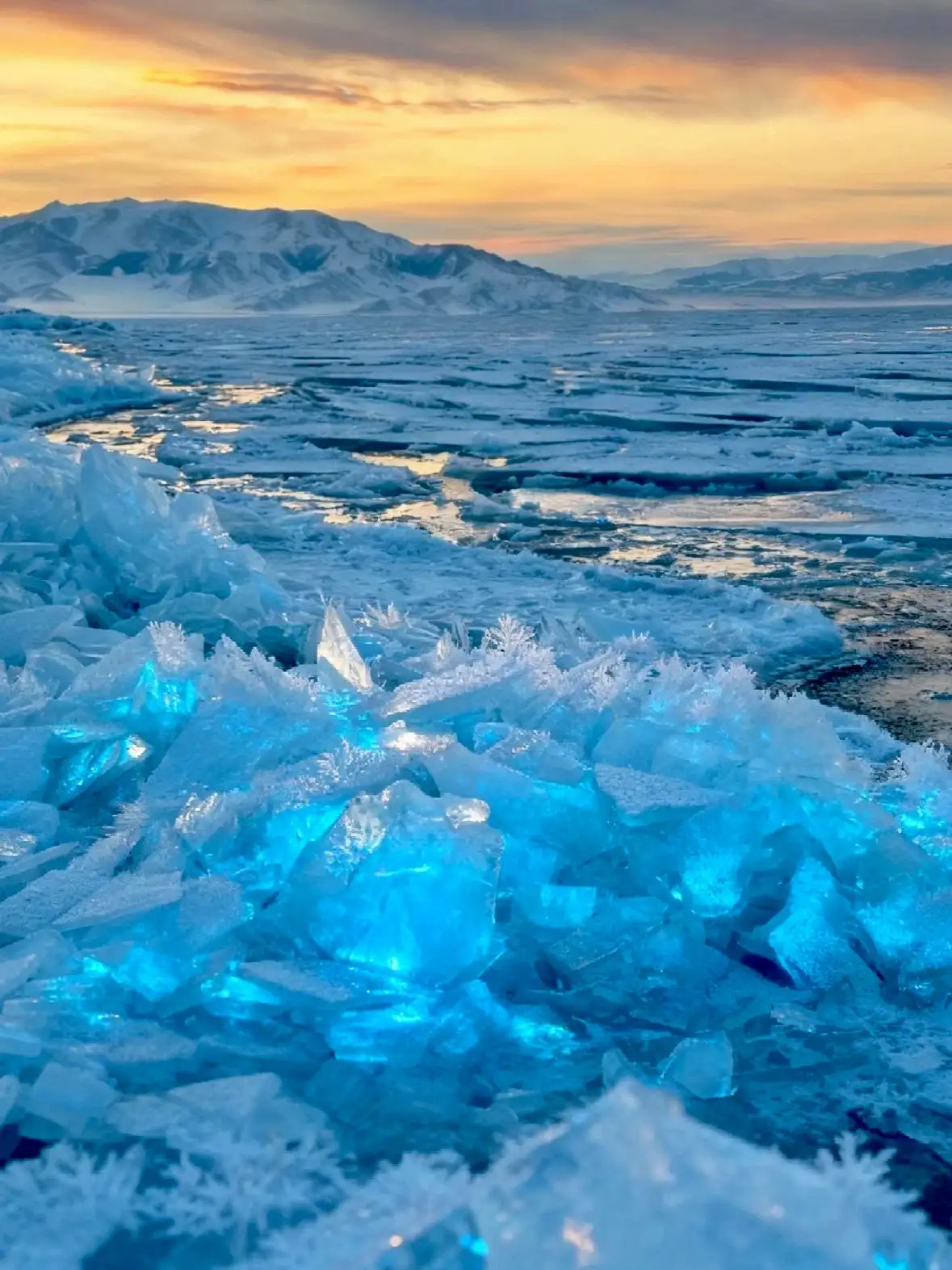
Sayram Lake deserves a full shoreline time slot within Xinjiang, or an overnight stay to leave room for evening and the next day's light. It is not one viewpoint revealing everything a few steps from an entrance. Water, ridges and different shores need road links and stopping places. Begin with one broad mountain-and-lake view and one closer shore observation rather than measuring success by a complete circuit. Count the actual transfer from Bole, Yining or elsewhere so the day does not become repeated vehicle changes. Clarifying summer grass or winter shore interests also shapes lodging, clothing and feasible routes for international guests.
At permitted stops, begin with mountains and water together, then move your attention to bank-side stone, ripples or snow. Still conditions reveal reflections; wind creates changing patterns of colour and scale. Both are real, and a lake without a mirror surface is not a poor visit. The matched winter photographs show shore ice, distant mountains and soft skies, not a combination that also occurs in summer. Looking in one direction for longer can distinguish shore features better than repeated panoramas. Light and the source's processing affect colour, so a guide should remain grounded in actual conditions and accessible places.
Transparent ice, cracks and piled shore ice need particular weather and water conditions; they do not all appear on every visit. Even visible ice cannot establish access permission from a photograph or colour. Ice activities and photography areas depend on actual management. Social-media poses standing or lying on ice, or approaching piles, are not operating advice. Without the expected blue ice, ridges, snow lines and shore materials still offer a coherent theme. A photograph captures a moment when conditions align, while travel planning must also serve ordinary moments. That distinction avoids judging an entire Xinjiang journey by an unguaranteed natural phenomenon.
For a vehicle visit, choose a small number of legitimate stops with clear subjects instead of asking the driver to stop wherever scenery appears. Check the walk from parking to the view; vehicle access does not mean everyone can reach it conveniently. Ring roads, entrances and winter access can change with management and weather, so verify dates rather than quoting one traveller's drive time. Before getting out, establish the return point and take necessary layers and equipment. Do not stand in a traffic lane for symmetry. Count onward travel to Yining, Urumqi or elsewhere separately, preserving meals and rest rather than squeezing them for photographs.
The value of lodging is separating lakeside observation from a long road journey, not requiring a pre-dawn rush. Check actual location, heating, breakfast and entrance access; even a lake-view room needs a confirmed path to the shore. Morning-light interests should depend on forecast, access and personal condition, without promised minutes or percentages for an effect. Normal daytime viewing is reasonable if wind, snow or fatigue make early departure unsuitable. International guests should confirm reception and passport information in advance rather than searching for a room that disrupts the next route. Arrange lodging, meals and the next base together, beyond the room view alone.
Summer grassland shores and winter ice provide different themes. Check flowering, snow and ice against current information instead of copying exact dates from previous years. Prepare wind, warmth or sun protection with footwear and clothing suited to the season; both sun exposure and cold wind affect time outside. Pastures, animal habitats and closed shores are not freely accessible spaces. Do not feed or chase animals. This guide guarantees no wildlife sighting and supplies no unchecked ticket or service promises. If weather reduces access, a broad shoreline and a close observation can suffice; completeness does not require every phenomenon and viewpoint in one visit.
Choose one shore stop with clear mountain context and another for ripples, stones or seasonal materials. The two distances create a complete lake theme within a substantial visiting segment.
Explore the relationship between ice, snow and ridges from the winter shore. Soft skies and angled light both offer detail, with photography fitted into an unhurried visit at ordinary times of day.
An overnight stay can divide arrival, shoreline viewing and onward Xinjiang travel. Short evening or morning stops can fit around meals and rest according to conditions and your energy.
From a shore-based viewing place, compare the clear, pale and darker areas of the ice with the mountains beyond. Snow on the ridges provides a distant reference for the nearshore material, while a soft sky changes the outlines. Reading these layers gives the winter scene more detail than a single impression of blue.

Follow the direction of ice textures before looking at the snowy mountain outline, comparing fine nearby lines with distant ridges. The angle of sunlight changes the shading on both surfaces. Study the detail from shore, then return to the wider lake-and-mountain view.

Along an accessible shore section, trace the meeting of land and water before looking toward the mountains and sky. Muted winter colours contain subtle contrasts between cloud, snow and shoreline material. Staying with one direction for a while makes that stretch easier to remember.
Confirm entrance and roads → one broad lake-and-mountain view → one shoreline detail stop → food, rest or an overnight stay → continue along your Xinjiang route.
Choose a broad mountain-and-lake view suited to your entrance, then follow permitted roads to a closer shoreline stop. Give each a distinct focus, with time to return to the vehicle and rest before reaching your hotel or continuing the confirmed transfer.
Use arrival day for a few shore stops, returning for dinner and rest in the evening. The next morning, choose a short view according to the weather before collecting luggage and continuing. Changing light and practical road connections each have time within the plan.
Confirm that day’s lake roads, entrances and permitted parking, agreeing on return-to-vehicle points. Plan travel from Bole, Yining or elsewhere separately, including the walk from each stopping point to the shore.
Bring wind protection, warm layers or sun protection for your dates, checking roads and lodging in cold periods. Ice changes quickly: remain in areas permitted by management and confirm any ice activity separately.
Ask about the hotel’s location, warmth, breakfast and the actual route to the shore, confirming international guest arrangements in advance. Fit a morning view around weather and energy, with normal meal time before moving on.

Start with your interests, available time and the right combination of places.

Plan by region and interest, rather than choosing one season for the whole country.

Meet local life with curiosity, consideration and an open mind.
YOUR JOURNEY
Share the places and timing you have in mind, then discuss a suitable route with a guide or travel adviser. Services and availability need confirmation.
Contact a guide about this place
FROM INSPIRATION TO YOUR JOURNEY
A place you dream of. A journey shaped around you.
Plan my trip