
The Bund beyond the skyline
Walk the public riverfront, then turn into nearby streets to notice how architecture and urban space relate to the river.
A deeper China. A journey of your own.
A conversation between heritage and the future.
Plan my trip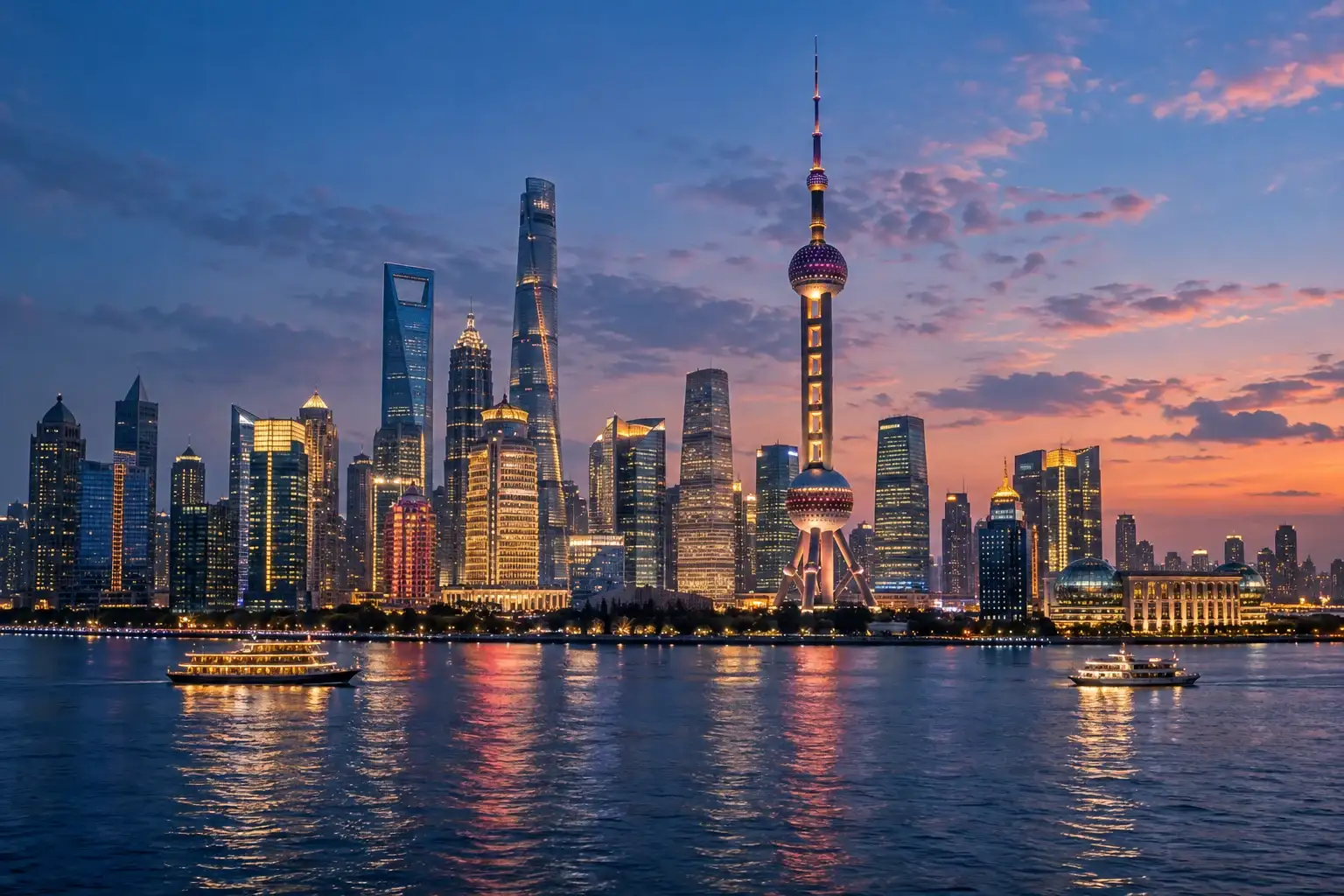
Shanghai can first be read through the two banks of the Huangpu River. The Bund’s historic facades face a contemporary skyline, yet the richer walk continues behind the promenade into older streets, bridges and city blocks. The municipal government identifies the Bund as a historic and cultural zone. Along public riverside paths, pay attention to facade details and the way traffic and pedestrians meet the water, rather than searching only for an evening skyline position. Yuyuan Garden and the neighboring old-city area offer another layer: a designed garden beside busy commercial streets. Treat entry to the garden and a walk through the surrounding market as different experiences. For the modern city, choose one museum, exhibition or revitalized waterfront space that speaks to your interests, then compare it with the historical areas. The metro makes the city navigable, but moving across several districts and visiting multiple ticketed venues in one day still consumes valuable time. Reservations and opening rules differ from site to site. The Bund, Yuyuan and residential lanes can be crowded; leave passage clear and respect private entrances. For travelers arriving in China for the first time, Shanghai also offers a place to settle into transport, payment and the rhythm of a large city. An unhurried walk will often reveal more than another distant observation deck.
Walk the public riverfront, then turn into nearby streets to notice how architecture and urban space relate to the river.
Separate the composition of a classical garden from the commercial streets around it; check garden entry arrangements.
Select one museum or waterfront district to see how Shanghai continues to reshape itself.
Observe each bank from permitted public spaces and consider how the river organizes finance, transport and pedestrian life.

Choose an urban-history, art or architecture theme and pair it with a nearby walk instead of collecting several hurried visits.

After studying the garden’s composed views, walk adjacent public streets and compare designed scenery with the working city around it.
Explore Yuyuan or the old-city area, then walk the Bund and adjacent streets, changing order to match access times.
Choose one substantial museum or waterfront area and leave room for reading exhibitions and nearby walking.
Stay styles for inspiration. Actual hotels and availability require confirmation.

Accommodation imagery is for style reference. Confirm actual hotels, room types and availability with your itinerary.

Accommodation imagery is for style reference. Confirm actual hotels, room types and availability with your itinerary.
Metro links are good, but cross-city transfers still take time. Cluster the Bund and old city, and give distant museums a separate block.
Garden, exhibition and viewing facilities use different reservations and ID rules; verify them individually.
River wind, summer humidity and holiday congestion change walking conditions. Avoid blocking narrow paths for photographs.
Focus on the historic riverfront plus one contemporary theme, group stops by district and count venue reservations and transfers.
Daylight reveals facades and streets clearly; evening adds a different city view. Choose for your interests and crowd tolerance.
China Travel Guide
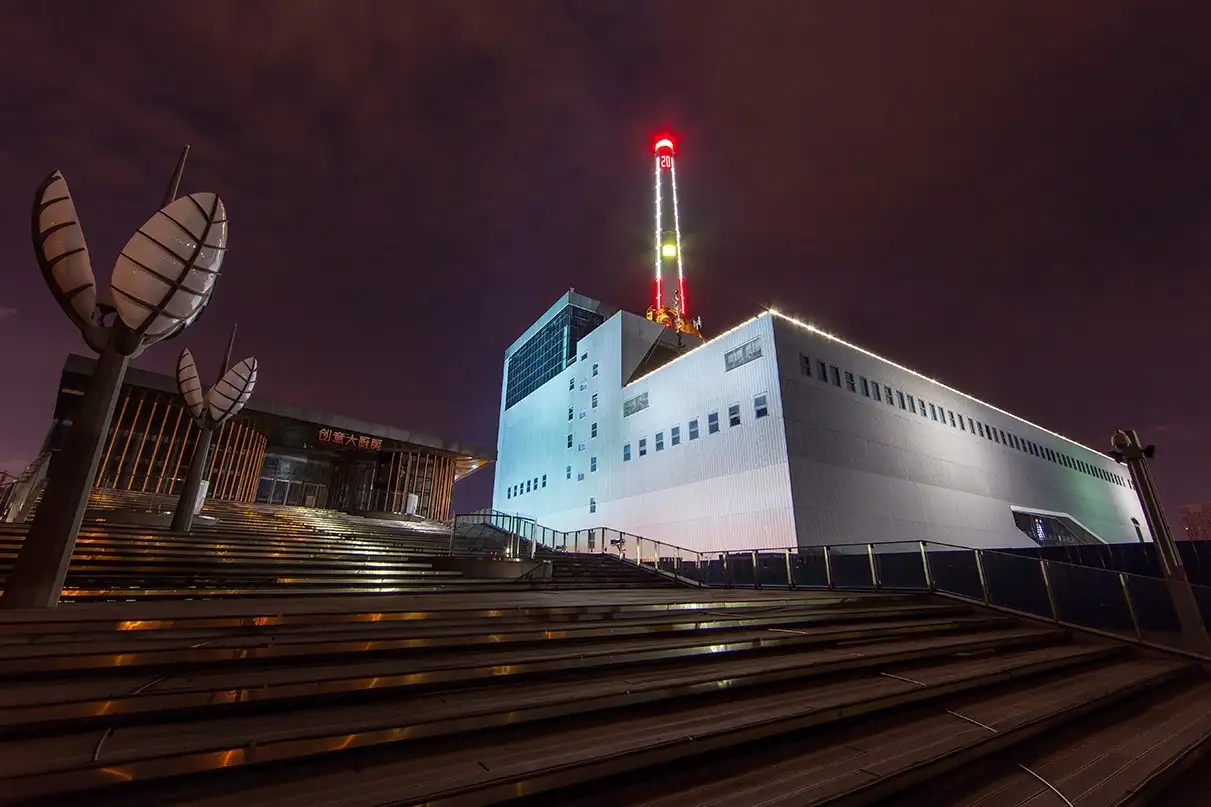
Choose an exhibition, then explore installations, materials and light inside Shanghai's former power plant.
Read the journal →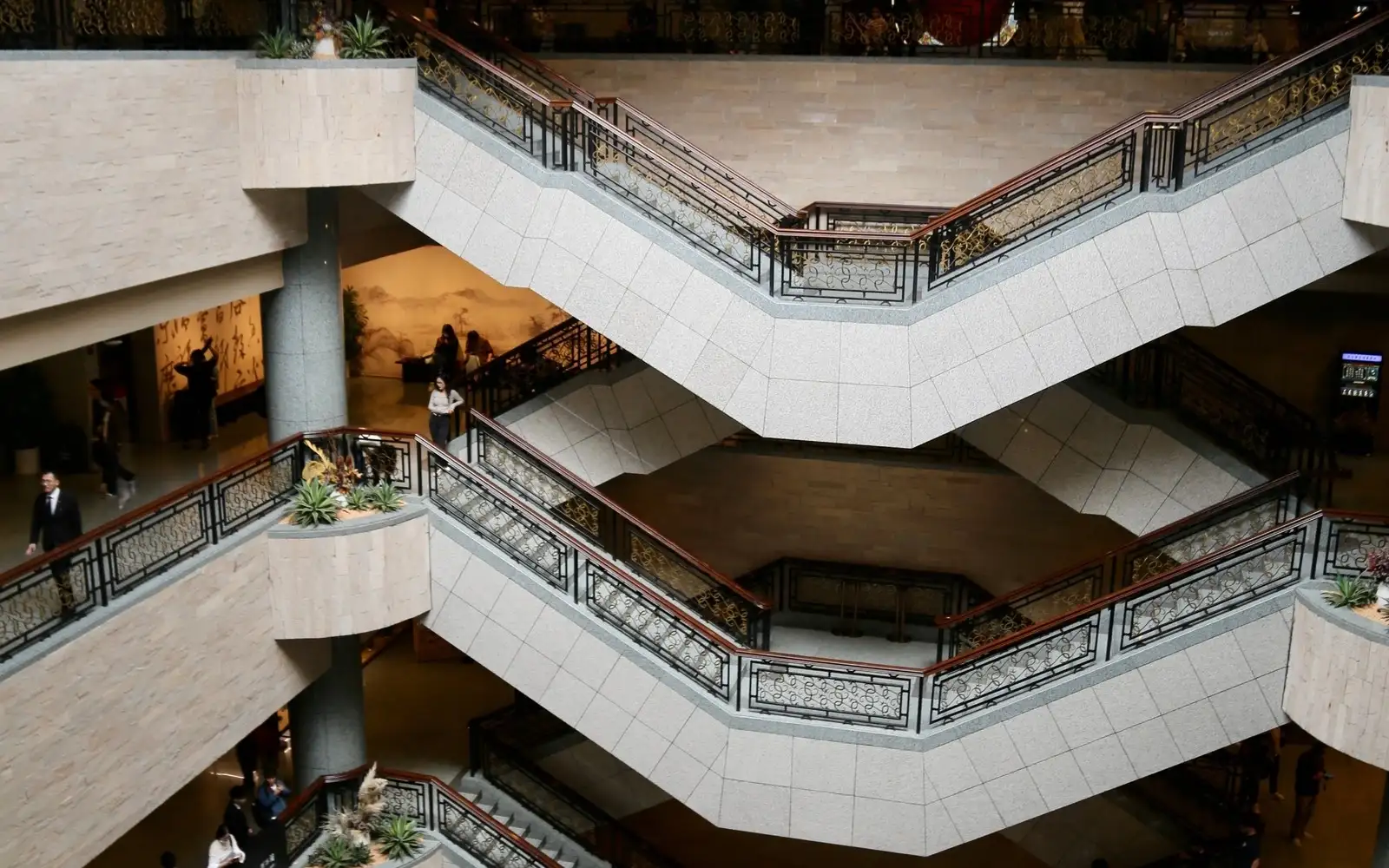
China Travel Guide
Choose Shanghai History Museum to understand how Shanghai developed as a city. Choose Shanghai Museum for Chinese ancient art, including subjects such as bronzes and ceramics. Their similar English names hide an important difference in purpose, location and collections; do not drop the word “History” when searching your map.
Read the journal →
China Travel Guide
For a family half-day at Shanghai Natural History Museum, choose one question and two short viewing blocks instead of trying to complete every gallery. First check the address: the natural history museum is at 510 West Beijing Road in Jing'an. The science museum and astronomy museum belong to the same wider institution but are different destinations.
Read the journal →
Start with your interests, available time and the right combination of places.

Plan by region and interest, rather than choosing one season for the whole country.

Meet local life with curiosity, consideration and an open mind.
YOUR JOURNEY
Share the places and timing you have in mind, then discuss a suitable route with a guide or travel adviser. Services and availability need confirmation.
Contact a guide about this place
FROM INSPIRATION TO YOUR JOURNEY
A place you dream of. A journey shaped around you.
Plan my trip