A deeper China. A journey of your own.

Yunshuiyao

Earthen walls, courtyards and stream-side life

Plan my trip
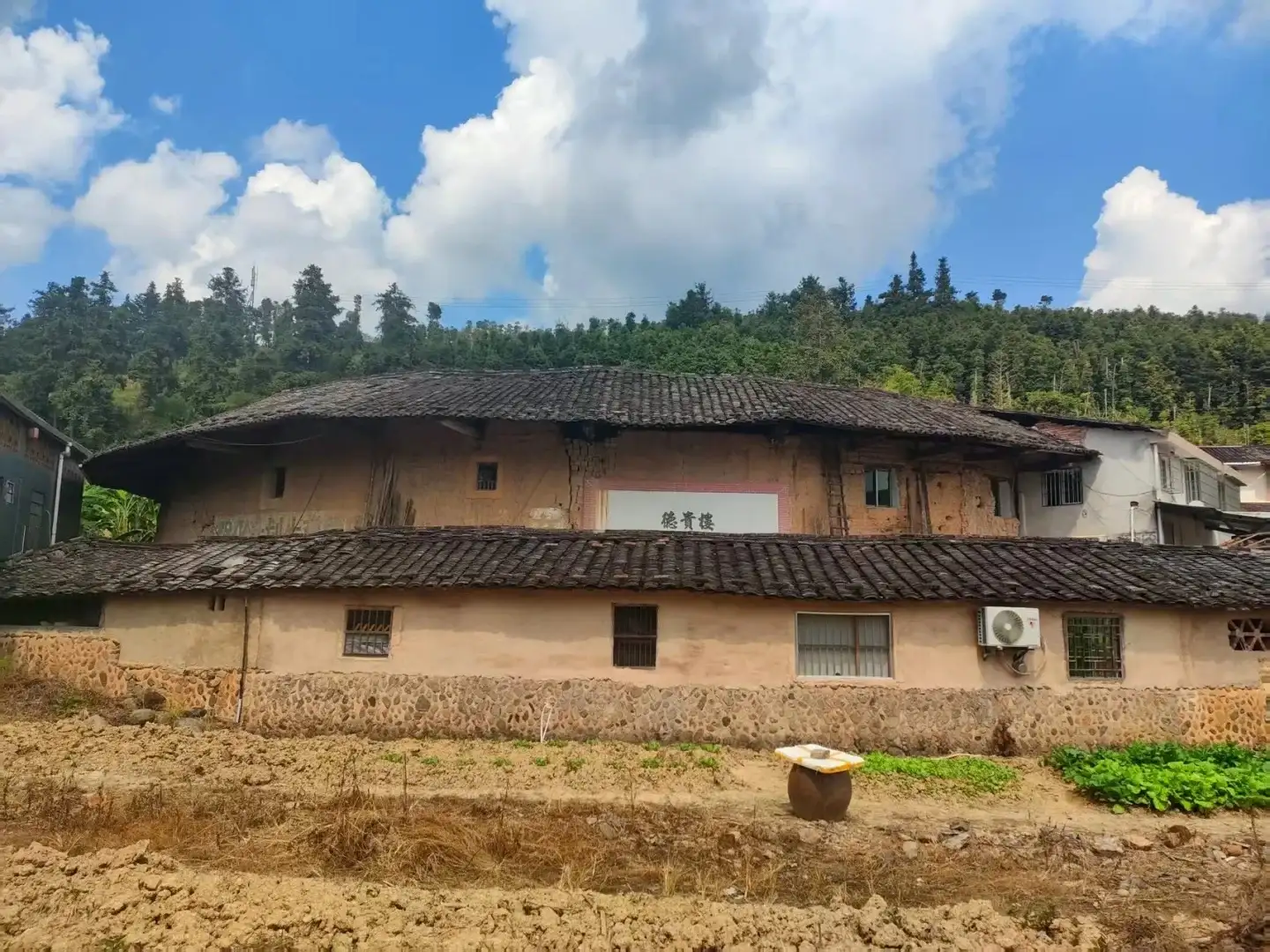
南靖德贵楼外墙与瓦顶 / Degui Lou outer walls and tiled roof in Nanjing, Fujian

Why make time for this place?

Yunshuiyao can join Xiamen or Zhangzhou, with one focused sightseeing day or one to two nights in the village area. Its attraction goes beyond the shape of round or square tulou to how earthen walls, courtyards, streams and homes connect. Begin with one principal building and an open village walk, adding another structure if time allows. Constant location changes are not necessary for variety. Yunshuiyao is a specific area around Nanjing in Fujian; building names, villages and entrances require separate checks. Not every Fujian tulou photograph can be labelled as one place. Matched exterior and detail images retain their actual locations in the internal source list.

For Hegui Lou, Huaiyuan Lou or other structures, check access and guiding before comparing form and use. Exterior outlines show mass; permitted courtyards reveal how walls, windows and timber shape light. Use formal on-site interpretation for dates, construction and specific stories rather than repeating legends or exaggerated strength claims. Tulou may retain residential and business spaces, and visitor admission does not open every room or floor. Do not move everyday objects as props. Their interest comes from spatial relationships and lived history, without invented accounts of a guest being welcomed into a family's home.

Earthen colour, wall texture and window positions offer information beyond a building's overall silhouette. Looking up through narrow gaps between walls emphasises thickness and height; within open courtyards, wooden galleries and eaves guide the view differently. Keep both whole-building and material photographs without entering closed areas to copy high or aerial angles. Some images come from specifically identified Nanjing tulou sources. Degui Lou's exterior is not labelled as Hegui or Huaiyuan, and detail pictures do not pretend to be a Yunshuiyao panorama. Accurate building and framing labels matter more than giving every image a famous name.

An open stream-side or village path can slow the pace between buildings, showing relationships among trees, bridges and homes. Cross-water passages, stepping stones and surfaces require on-site judgement under local management, especially after rain. Keep clear of slippery edges for photographs. Villages retain traffic and businesses, so do not expect residents to empty a street for your picture. Tea, craft or performance activities need actual operational confirmation rather than being assumed from past reports. Buildings and stream scenery complement each other, but a village walk can simply be quiet observation without an invented ritual or first-person experience.

For a return trip from Xiamen or Zhangzhou, confirm actual driving, entrances, lunch and the return before choosing the main building combination. Overnight stays free the evening and following morning for a fuller village visit, but compare lodging carefully. A traditional style does not automatically bring sound insulation, private bathrooms or door-to-door car access. Ask about steps, luggage, hot water and meals. Confirm passport and reception arrangements for international guests rather than relying on appealing room photographs. Other tulou groups need specific road planning; places across different counties are not neighbouring courtyards. Fewer stops can preserve depth.

Spring and autumn often suit longer village walks; summer needs allowance for humid heat, rain and indoor breaks, and every date needs checks of weather and access. Bring grippy footwear and portable rainwear. Do not climb walls, enter closed floors or touch vulnerable decoration. For meals, clarify ingredients, meat, spice and allergens rather than promising a dish's health effects. This guide supplies no unchecked prices, fixed transport schedules or guest benefits. Yunshuiyao becomes meaningful when materials, courtyards and stream-side life explain one another. Keep sources, distinguish buildings accurately and observe along accessible routes for a rich, reliable guide.

01

Earthen walls, timber and courtyards

Focus on one main tulou, beginning with its exterior before exploring walls, wooden galleries and eaves in an open courtyard. Materials and spaces provide a natural setting for an explanation of residential history.

02

A streamside walk after the building visit

Continue on open village paths or the old streamside route, noticing trees, bridges and houses together. A seated meal along the way lets the architectural visit flow into a relaxed village stop.

03

A village segment within a Fujian journey

Combine Yunshuiyao with time in Xiamen or Zhangzhou, using one main building and a village walk for a day’s theme. An overnight stay adds an evening or morning stroll near your accommodation and a closer sense of the village rhythm.

Suggested stay2–3 days
PaceShaped by interests and transfers
SeasonSpring and autumn suit village walking; allow for humid heat, rain and rest in summer.

Into the landscape, into local life.

Degui Lou outer walls and tiled roof in Nanjing, Fujian

At Degui Lou, look at where the earthen wall meets the tiled roof, then study the wall colour and window placement. A more distant position reveals the building’s mass, while a closer view brings out its materials. Combining the two turns an outline into a residential building you can begin to read.

Fujian tulou earthen wall and window details

Study the varied wall texture and compare the size, depth and spacing of the windows. Small openings in a thick wall create strong changes in light and suggest how interior space is divided. On-site interpretation of materials and construction adds depth beyond the familiar round or rectangular outline.

Sky between Fujian tulou walls

Look up between the walls and see how the narrow opening to the sky emphasises their height. Bring your gaze down to the surfaces, then toward eaves and neighbouring buildings to distinguish layers of depth. Continuing along the village route reveals contrasts between open spaces and tight gaps.

Include in my journey

Shape your visit

Arrive from Xiamen or Zhangzhou → visit one confirmed tulou → walk neighbouring village and streamside paths and dine → return. An overnight stay allows a morning walk and another building along your route.

Half a day: one tulou and a village path

Choose one building with confirmed access, studying its exterior and materials before guiding or an open courtyard visit. Connect it with a nearby village path, a stream view and a meal, bringing architecture and village life into one focused visit.

Stay overnight: buildings and the stream at an easy pace

Arrive in the afternoon for one main building visit, then settle in and dine. The next morning, walk a nearby streamside or village section and consider another confirmed building according to your interests. Return or continue through Fujian following the actual road direction.

Find a stay that feels part of the place.

A few things to consider before you go.

01

Check individual buildings and entrances

For Hegui Lou, Huaiyuan Lou or another building, confirm its location, access and guiding before ordering stops along the road. Understand Degui Lou by its own name, and check transport separately between different tulou clusters.

02

Ask about the practical details of village lodging

Check stairs, luggage assistance, vehicle meeting points, hot water and bathroom arrangements, including reception details for international guests. On a day trip from Xiamen or Zhangzhou, plan transport and lunch before choosing the number of buildings.

03

Prepare for damp heat and streamside surfaces

Carry water and light rain protection in summer, with indoor breaks between outdoor sections. Wear suitable walking clothing in spring or autumn, take care on wet stone, use stream crossings according to conditions and explain food allergies when dining.

YOUR JOURNEY

No published journey covers this place yet?

Share the places and timing you have in mind, then discuss a suitable route with a guide or travel adviser. Services and availability need confirmation.

Contact a guide about this place

FROM INSPIRATION TO YOUR JOURNEY

Turn your ideas into a remarkable journey.

A place you dream of. A journey shaped around you.

Plan my trip