If you have already visited places such as Beijing, Shanghai or Xi'an, your next trip does not need to complete a list of major cities. Start with the experience you wished you had given another afternoon—and the part of the first trip you would rather not repeat.
Turn memories into a brief
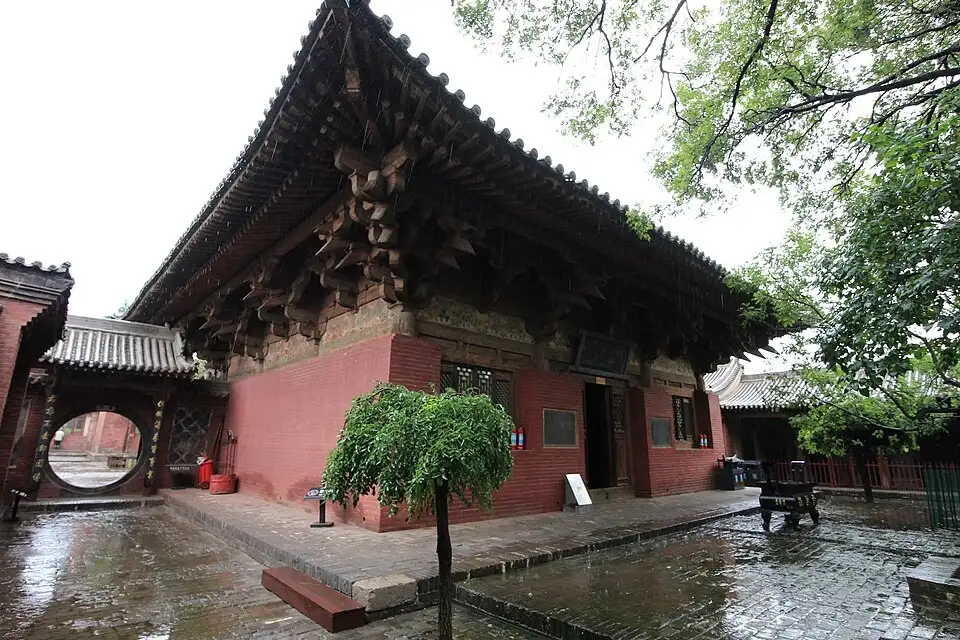
Write down three enjoyable moments and two tiring arrangements. An interest in architectural detail might lead to a regional building tradition rather than another broad sightseeing circuit. Enjoying markets and meals could suggest comparing neighbouring food cultures. If you loved landscapes but disliked packing every morning, look for a base where you can stay several nights and make optional outings.
These are directions for research, not guarantees about any destination. Compare two candidate regions using the same questions:
Question: Two experiences worth travelling for / Region A: ____ / Region B: ____
Question: What differs from the first trip? / Region A: ____ / Region B: ____
Question: Intercity journeys and hotel changes / Region A: ____ / Region B: ____
Question: Weather-sensitive main activity / Region A: ____ / Region B: ____
Question: An alternative you would actually enjoy / Region A: ____ / Region B: ____
Question: Food, mobility or language difficulties / Region A: ____ / Region B: ____
Remove the headline attraction
Imagine the main outdoor activity closes or the essential ticket is unavailable. Would you still want to visit? If not, the plan needs more flexible dates or a stronger alternative. A long drive to another mountain is a weak response to regional bad weather. Find a useful backup within reach of the same accommodation first.
For example, two travellers who enjoyed museum interpretation but disliked moving luggage daily might compare two cities in one region with three widely separated cities. This is a planning example: trains, flights, closing days and admissions must still be checked for the actual dates. Compare the exact railway stations, not merely the distance between city names.
Request four concrete answers
Ask an adviser—or check independently—for door-to-door transfer time, fixed reservations on each day, cancellation costs for the main activities, and who will confirm language and dietary requirements. Divide the budget into accommodation, long-distance transport, activities and contingency rather than comparing only a headline total.
Check entry eligibility again for the passport and dates concerned; the policy used on your first visit is not a permanent entitlement. Once the two central experiences work, add other stops. If transport makes the schedule too tight, removing a city can preserve the reason for returning.
Checked 2026-10-22: use China Railway 12306 for current trains and stations; see Ministry of Culture and Tourism guidance on clear contractual itineraries. The worksheet is a planning tool, not a confirmed tour or timetable.
Editorial archive date: 2026-03-21. This guide was compiled later; use the source-check dates stated in the text.