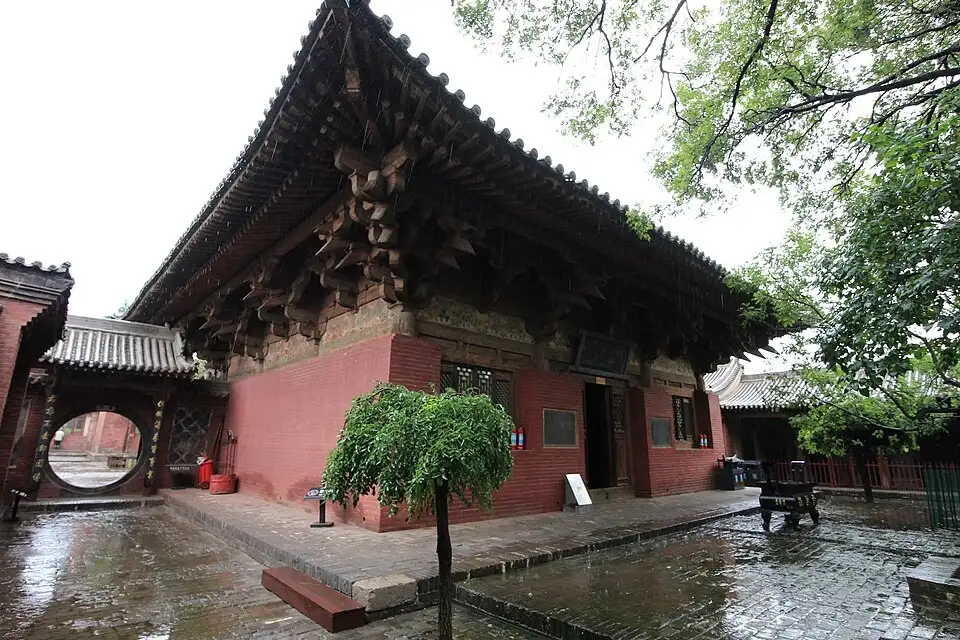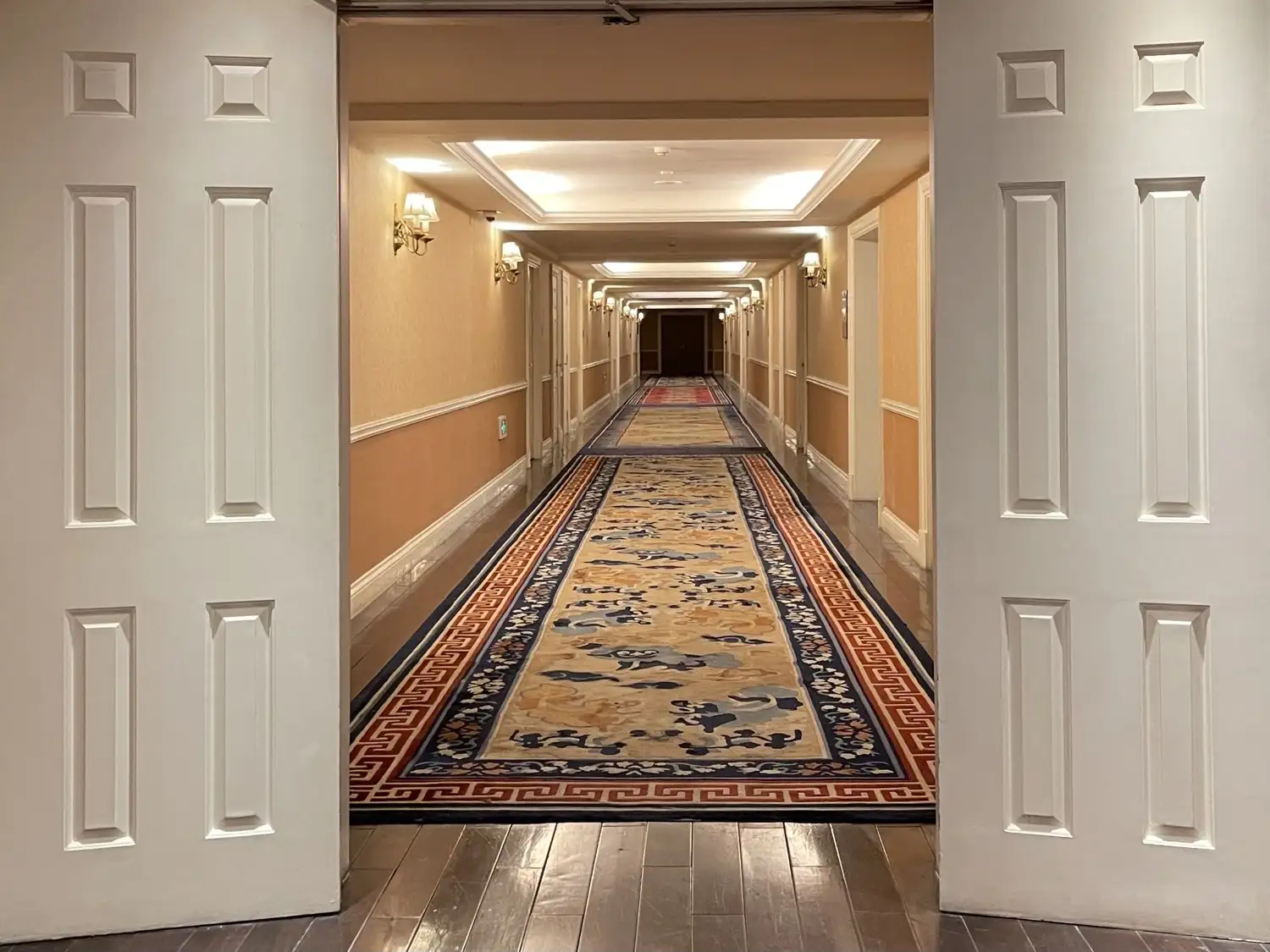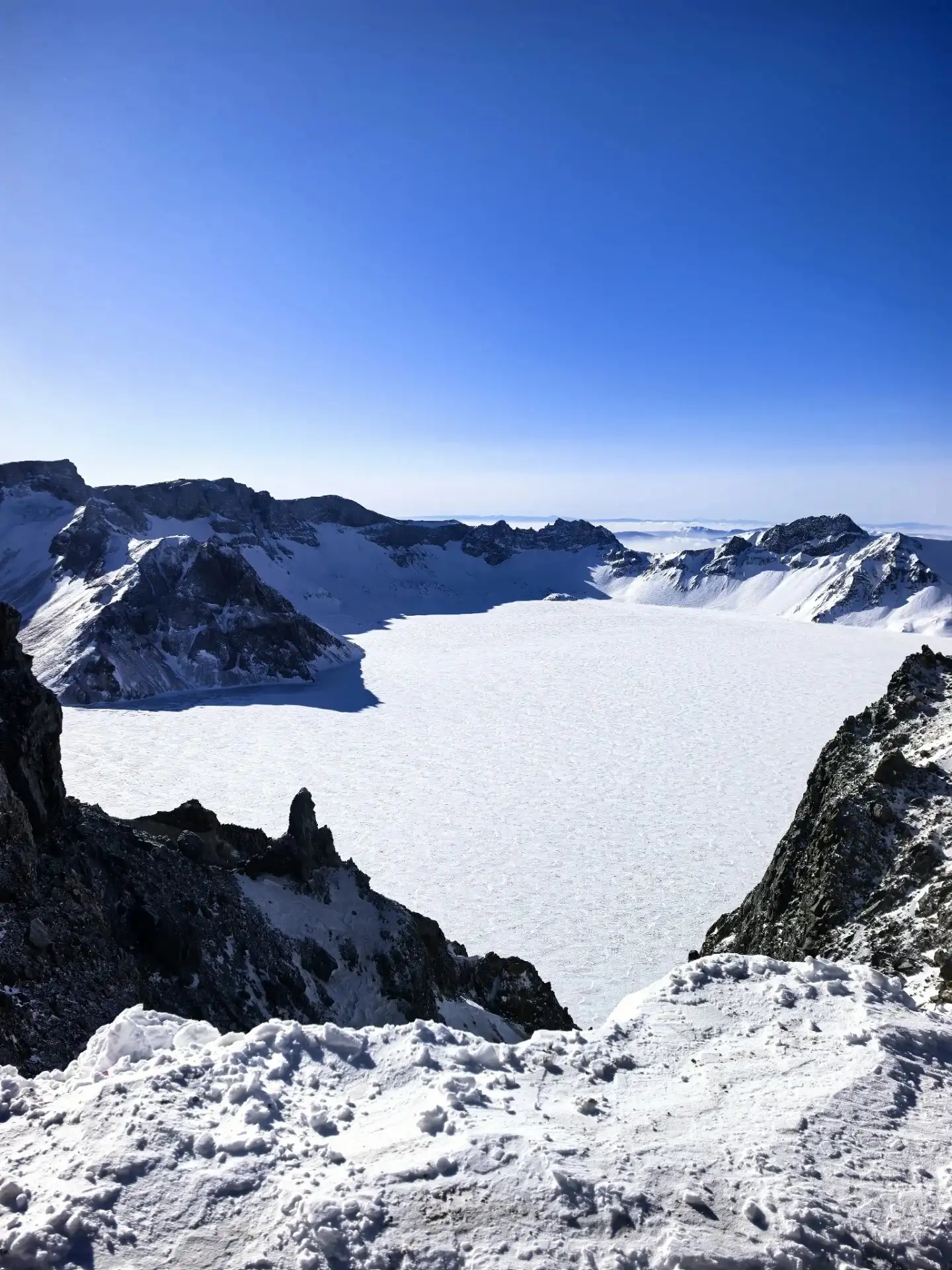
When you open the accommodations page, Changbai Mountain seems like a single, unified destination: the photos all feature mountains, forests, or Tianchi Lake. But booking a hotel first and then deciding which side of the mountain to enter from might turn the scenic area you’re most looking forward to into an unnecessary detour. It’s better to first determine the direction of entry and the focal point of your itinerary before selecting accommodations. While hotel comfort is important, its proximity to the sightseeing spots is equally crucial.
This guide is ideal for families planning their first trip to Changbai Mountain who want comfortable accommodations without having to rush from place to place every day. It focuses on comparing three planning approaches—the northern route, the western route, and a combination of both—without declaring any single approach the best for everyone. No matter what photos you see, what you really need to decide is where you’ll wake up each day, how you’ll start your sightseeing, what your body can handle, and whether you’ll still have energy left when it’s time to leave.
那是一次具体到访感受,说明天池能够成为旅行很强的期待;原帖关于开放频率的个人说法不作现行统计。本文把这份期待放进地理与交通关系中,避免用一张成功照片替代完整行程设计。
Map 1: Hotels and Directions into the Mountains
The official guide to Mount Changbai links the North Scenic Area with the Erdao Baihe area, and the West Scenic Area with Fusong and related resort areas. For travelers, this primarily comes down to a difference in base locations: where you stay determines your living space before and after your trip, and also affects your logistics on the day you head into the mountains. On a map, the mountain appears as a single entity, but cities and resort accommodations are scattered in different directions.
When selecting a hotel, start by plotting the name, actual address, and your chosen scenic area on the same map, then discuss whether you need transportation to and from the hotel. Don’t assume a hotel is suitable for all entry directions just because its name includes “Changbai Mountain.” Resort areas, city centers, and tourist hubs serve different functions; even a hotel with excellent service may not align with the direction you plan to travel.
For international visitors, it’s also important to save the Chinese names. It’s best to ensure consistency between the foreign-language descriptions on your booking confirmation, the Chinese place names on the map, and the names used by your transportation provider. Especially when a family is moving between bases, a full address is more convenient for communication than an English abbreviation. Language preparation should facilitate your actual arrival, not just serve as a way to search for pretty photos of accommodations.
Three Itinerary Options: Choose One First
Focus on the northern scenic area combination, organizing your accommodations around a complete tour of the Northern Scenic Area and the surrounding urban life; save the other directions for your next visit.
Focus on the western viewing areas and resort stays, treating hotel rest and the mountain trek as separate segments; determine whether resort facilities are open and how to use them based on your actual accommodations.
You should understand the differences between the two sides and be prepared to either move your base or make a full-scale transfer between them; set aside dedicated time for luggage, transportation, and rest, and don’t treat visiting both sides as convenient stops on the same day.
Once these three factors are listed, the criteria for family comparison become much more specific. Those who enjoy bustling city life and those who look forward to extended rest at the hotel may need different bases; those who want to delve deeper into the mountain scenery, on the other hand, need to place sightseeing at the center of their itinerary. By discussing priorities first, hotel choices can truly meet your actual needs, rather than being determined solely by a photo of a swimming pool or a forest.
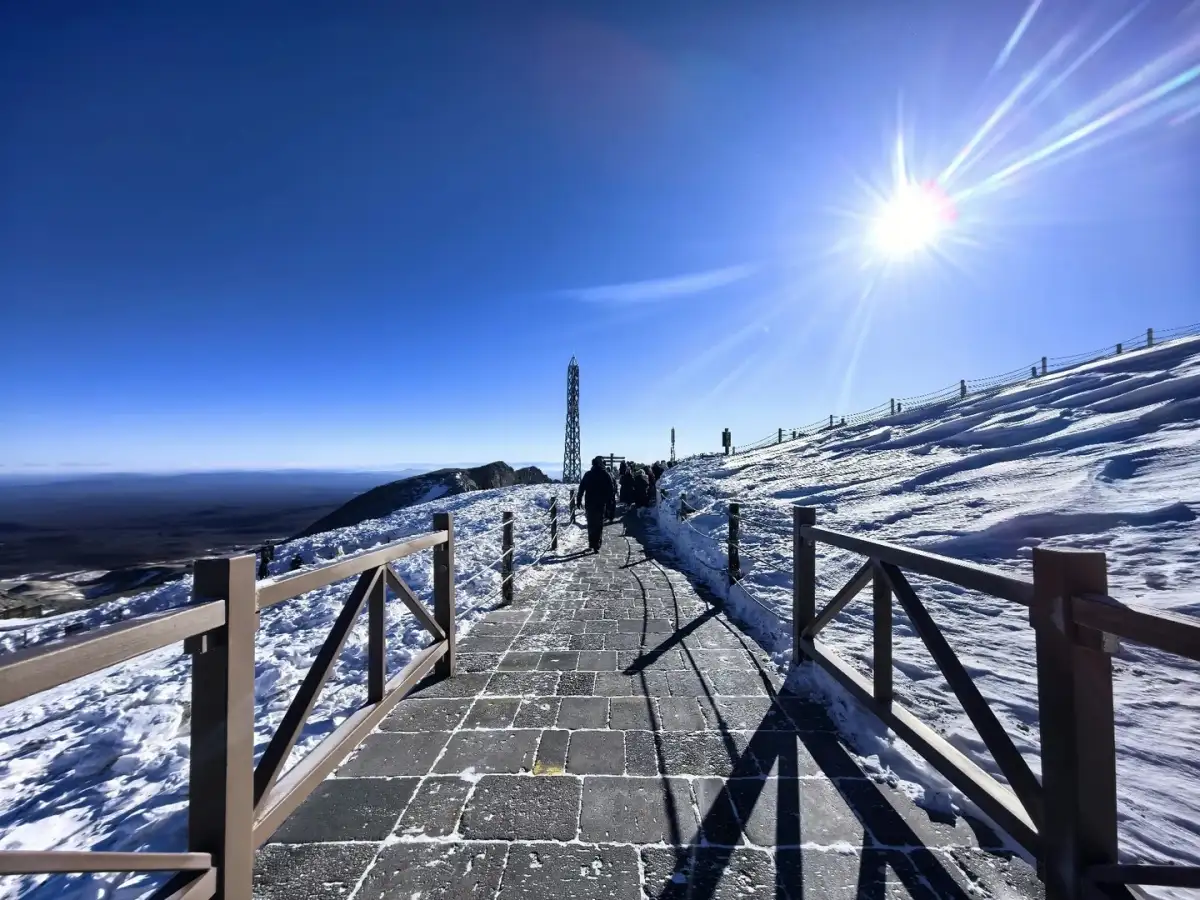
Map 2: Ways to View Tianchi Lake
The north and west sides are not simply two gates leading to the same fixed viewing platform. Official guides note that they offer different angles of view of Tianchi Lake, as well as varying degrees of obstruction by mountain peaks and openness of the landscape. Travelers should keep this in mind: the relationship between the lake’s shape and the mountain ridges in photos will vary depending on their location. When choosing a direction, focus on how you want to view the lake, rather than simply looking for the spot where the water appears bluest in photos.
If you enjoy the layered effect of lakes and mountain peaks framing one another, share this preference with your guide and tour coordinator; if you’re more eager to see the vast expanse of the lake, make an unobstructed view the focus of your discussion. Actual visibility depends on the conditions on the day of your visit, and your preferred viewing angle doesn’t guarantee you’ll see the entire landscape. The itinerary can be designed around a specific viewing preference while leaving room for flexibility to adapt to on-site conditions.
You should also weigh your willingness to walk against your sightseeing goals. Don’t simply label one side as “easy” and the other as “difficult” before making a decision for the whole family. The combined factors of transportation, walking after getting out of the vehicle, waiting times, and time spent at higher elevations all contribute to the overall physical burden. When inquiring about specific routes, specify the levels of continuous walking, stair climbing, and standing that your travel companions can tolerate, so that arrangements can be tailored to their specific physical conditions.
For families with elderly members and children, start by selecting essential sights that everyone can enjoy together, then consider whether those with better stamina might add additional activities. When splitting into groups, ensure there is always someone accompanying each group, and establish clear meeting points and communication methods. The goal for the entire group isn’t for everyone to follow exactly the same route, but rather for everyone to have a meaningful experience within their comfort zone—and to return with discoveries to share.
Map 3: Beyond Tianchi Lake—Which Attractions Truly Interest You?
The official scenic descriptions for the northern side include waterfalls, pools, and forests, while those for the western side feature canyons, lakes, and mountain vegetation. When planning your itinerary, avoid simply listing these as optional attractions. Different landforms require different ways of experiencing them: the flow and sound of a waterfall, the depth of a canyon and its relationship to the surrounding mountains, and the sense of scale within a forest—each can serve as a standalone theme for a day’s exploration.
Those who enjoy water scenery can observe both still lakes and flowing bodies of water together. The distant view of Tianchi Lake and the sound of water up close offer two distinct experiences; photographs cannot fully capture the sounds and humidity present there. Those who appreciate landforms can focus on the overall relationship between slopes, valleys, and mountain bodies, connecting the view from above with the environment below. Once your interests are clearly defined, you can still have a complete experience even if you skip a few specific spots.
Family itineraries can revolve around one question: Why do different landscapes appear on the same mountain? There’s no need to provide lengthy scientific explanations on the spot; simply identify how water, rocks, and trees vary in different locations, then use official interpretive materials to explain them later. When children’s visual discoveries complement adults’ background knowledge, it’s easier to sustain their curiosity than if they were merely searching for a nameplate at every stop.
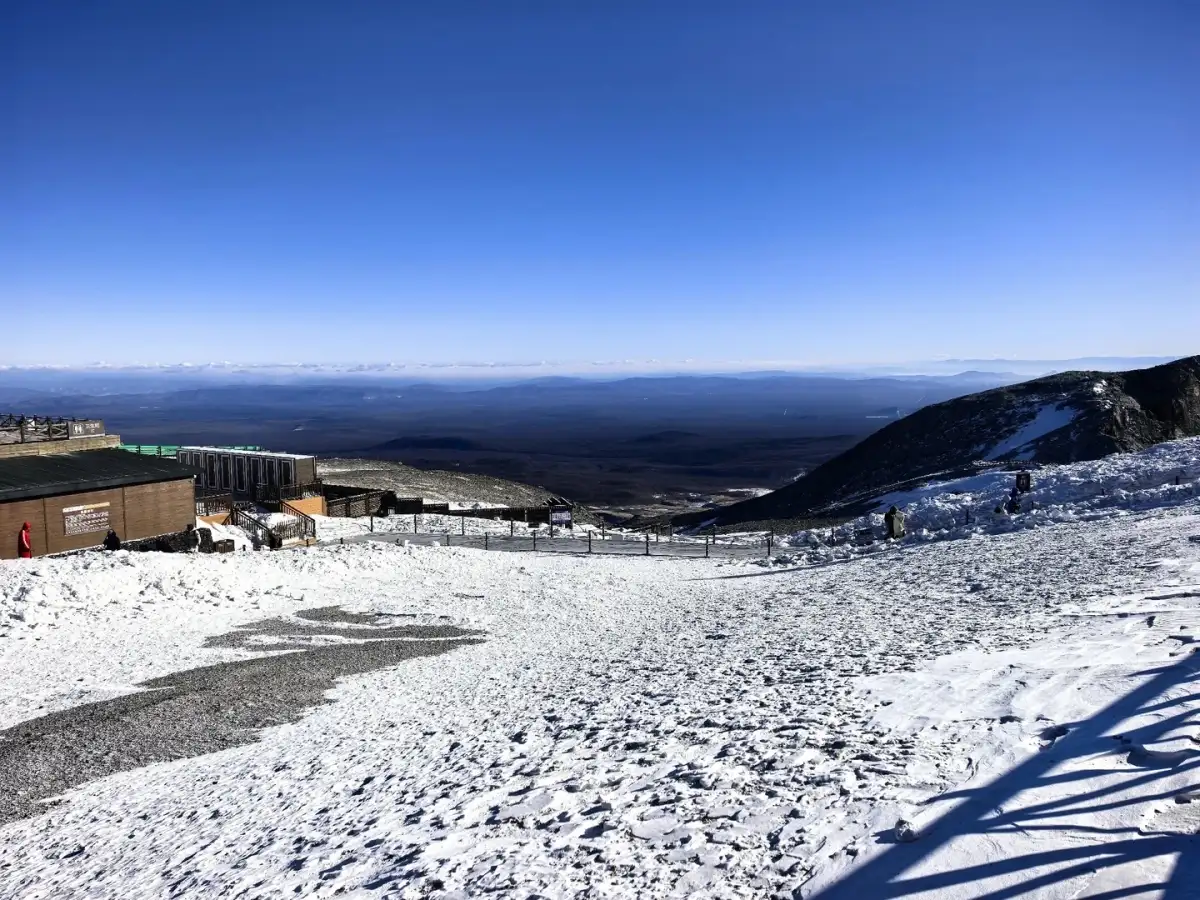
Vacation goals should stand on their own. Some people want to swim, read, or simply rest for extended periods—a hotel is more than just a place to sleep. If this is what your family needs, there’s no need to prove the trip’s worth by venturing into the mountains every day. Separating rest days from sightseeing days allows each desire its own dedicated space; specific facilities and experiences are subject to actual bookings and the day’s services.
across both sides involves more than just travel time
If you want to explore both sides during a single trip, first decide whether you’ll change accommodations. Moving your base requires packing, checking out, loading the car, arriving at the new location, and settling in—not to mention potential stops for meals and rest along the way. If you only factor driving time into your schedule, you’ll underestimate how much of the day the move will take up. For families with multiple members, the time spent packing and waiting can sometimes take a greater toll on everyone’s energy levels than the distance on the map.
Staying at the same hotel is not without its drawbacks. After visiting the opposite side of the mountain, you’ll still need to return to your original hotel, so you must factor in the time and physical strain as part of your overall planning. You can ask your transportation provider to discuss the entire itinerary based on your hotel address, travel dates, and chosen starting point before deciding whether it’s worth it. There’s no single travel time that applies to all accommodations and seasons; the route should be tailored to your individual circumstances.
across both sides is that you genuinely want to compare the two types of scenery and viewing experiences. If you’re simply afraid of missing out on popular attractions, you may end up rushing through both sides. Start by jotting down what the second side will offer that’s new: a different perspective, distinct terrain, or a different pace of vacationing. When you can’t come up with a specific reason, leaving some flexibility for the side you’ve already chosen usually leads to a better experience.
A Combination That Truly Works for Crossing Between Sides
For those with specific interests in nature who are comfortable with travel, you can set different objectives for each side. On one side, focus on the relationship between the lake and the peaks; on the other, examine the overall topography and surrounding environment, with rest periods and transitions woven throughout. This approach ensures that each trip into the mountains offers distinct experiences, rather than simply being a repeat visit to capture a similar photo. You can also schedule a lighter itinerary between the two sides to reflect on your discoveries and recharge your energy.
Families prioritizing the comfort of children or elders are often better off selecting a single base first. Narrowing down your plans doesn’t diminish the travel experience; it allows for more time for guided tours, rest, or a hike you truly enjoy. Only when the added value of exploring the other side is sufficiently clear should you consider expanding your scope. The benefits of minimizing travel are often reflected in everyone’s ability to remain patient enough to enjoy the scenery and spend quality time together throughout the day.
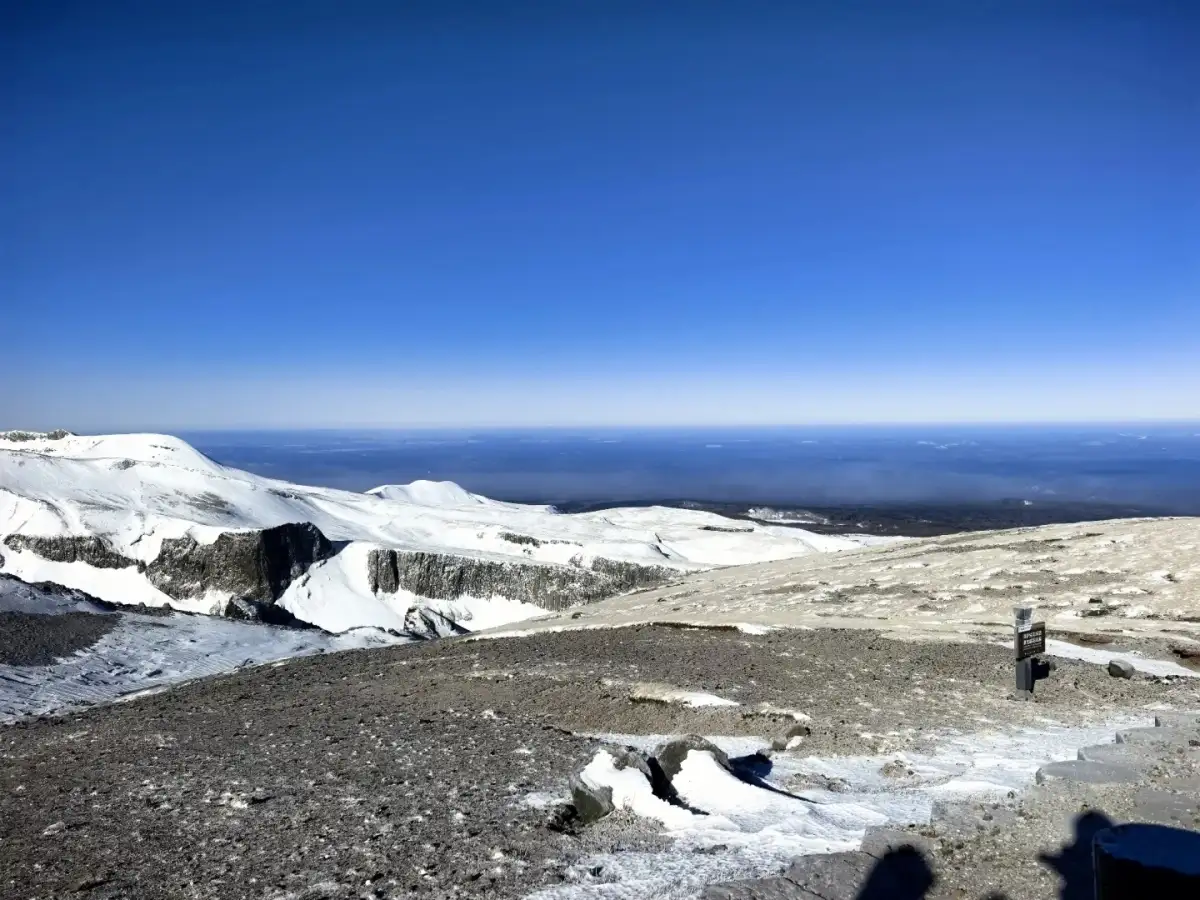
Booking, transportation, and on-the-day adjustments all form part of a single itinerary.
After determining the scenic area direction, check the entry points and operational announcements in the latest official materials. Make a note of the actual starting points for your selected activities—do not assume that the hotel, the mountain gate, and the visitor transfer hub are all the same location. Ensure that your reservation date, identification details, and transportation booking correspond accurately. Passport holders should complete confirmation using their own valid identification channels and specify any foreign language requirements during communication.
If there are last-minute adjustments to the scenic area or specific activities, the person in charge of arrangements should coordinate the updates with the hotel, transportation providers, and fellow travelers to prevent everyone from proceeding according to different plans. Time originally allocated for Tianchi Lake can be redirected to other confirmed activities or used for rest. Whether such adjustments are worthwhile depends on actual availability and personal interests; there’s no need to keep moving from place to place just to stick to the original itinerary.
It’s especially important to leave some flexibility when planning your photography. First, identify the landscapes you most want to capture, then adapt to on-site conditions; follow local guidance regarding shooting locations and safety protocols. Do not cross restricted areas or prolong waiting times—which could affect the entire group—just to get a shot of the lake that matches a specific post online. Photos that capture the Changbai Mountains as you see them on that day are what make your trip truly your own.
Before booking a hotel, you only need to answer these four questions
Today’s decision centers on which side to focus on; why you prefer the viewing experience on that side; what kind of comprehensive tour your family can handle; and how the hotel connects to the starting point and your next leg of the journey. These four points don’t need to cover every price or schedule detail, but they should clearly outline the logic of your itinerary. Once you’ve secured accommodations and transportation through actual booking channels, your plan will have a solid framework.
This SiteChangbai Mountain Destination GuideThis can help further the discussion on the relationship between mountain travel and the entire route. This article provides editorial suggestions regarding the northwest direction and base camp selection; specific arrangements for activities, services, and transportation will still be determined based on conditions at the time of the trip. The value of a private, customized trip lies in integrating direction, interests, and physical capabilities into a single, cohesive plan.
Your experience of Mount Changbai shouldn’t be defined solely by hotel photos or a single “perfect” shot of Heavenly Lake. Start by looking at a map, then consider your family’s wishes, and finally choose accommodations that support those wishes—this will give your trip a clear focus. Even if you visit only one side, you can explore it in depth; and when you decide to visit both sides, you’ll understand exactly what the added travel time is truly worth.
Source and Editorial Notes
This content does not serve as proof of actual travel experiences or services provided to Dongxing Travel clients.
Jilin Province Changbai Mountain Protection and Development Zone Management Committee · Landscape and Surrounding Relationships of the North-South-West Scenic Area · Official Materials; Verified/Compiled on: October 3, 2026.
Jilin Province Changbai Mountain Protection and Development Zone Management Committee · Official Portal for Changbai Mountain Tourism Information · Official Materials; Verified/Compiled on: October 3, 2026.
Choose a side before a hotel
Choose Changbai Mountain accommodation around your main visit: the Changbai Mountain north slope or the Changbai Mountain west slope. Confirm the connection to the actual meeting entrance. Crossing sides adds coordination for checkout, luggage and another mountain visit; a broad regional hotel description is insufficient.
When the lake is not visible
Ask about weather, current access and alternatives, and identify what interests you beyond Tianchi. Check each side's booking, transport and access separately. For one night, prioritise one clear direction and leave room to adjust if conditions prevent the higher visit.
Planning references