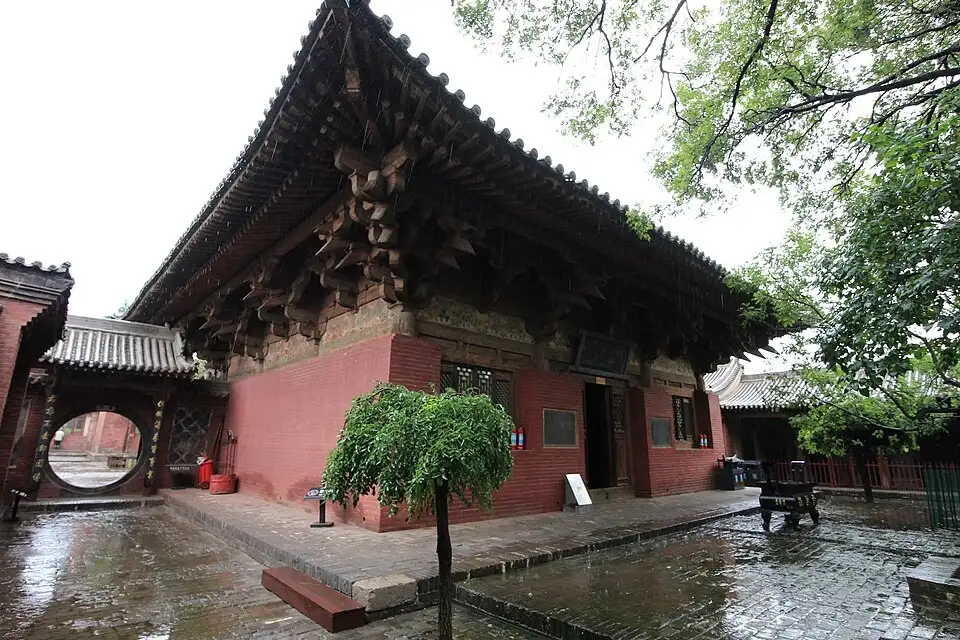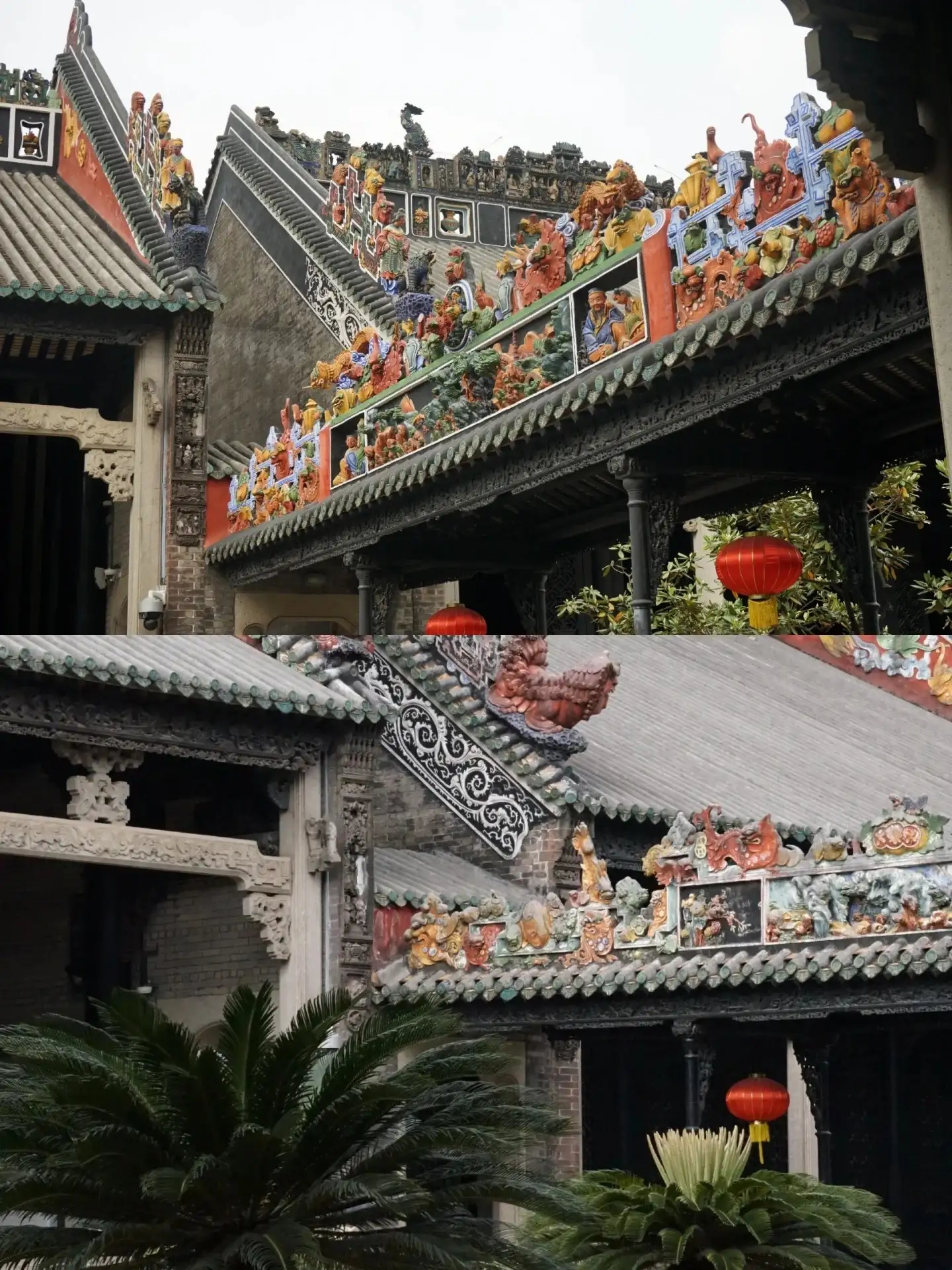
Upon entering the Chen Clan Ancestral Hall, your first glance is likely to be drawn to the roof ridges and carved decorations. After taking in the bustling details up high, your gaze can then move downward, entering the halls and exhibition cases, before finally resting on the delicate lines of a porcelain plate. This journey from architecture to artifacts offers a concrete way to appreciate Guangzhou’s folk crafts: how materials are processed, how patterns adapt to their placement, and how human hands imbue an object with expressiveness.
The two articles provide distinct entry points of interest—one focusing on the space and the other on the activities. Based on historical and Guangcai craftsmanship facts from official Guangzhou sources, the following tour itinerary is an editorial suggestion; the presence of master artisans, hands-on activities, prices, or opening hours mentioned in the original post are not guaranteed on a daily basis.
First, choose the insight you most want to take away from this visit
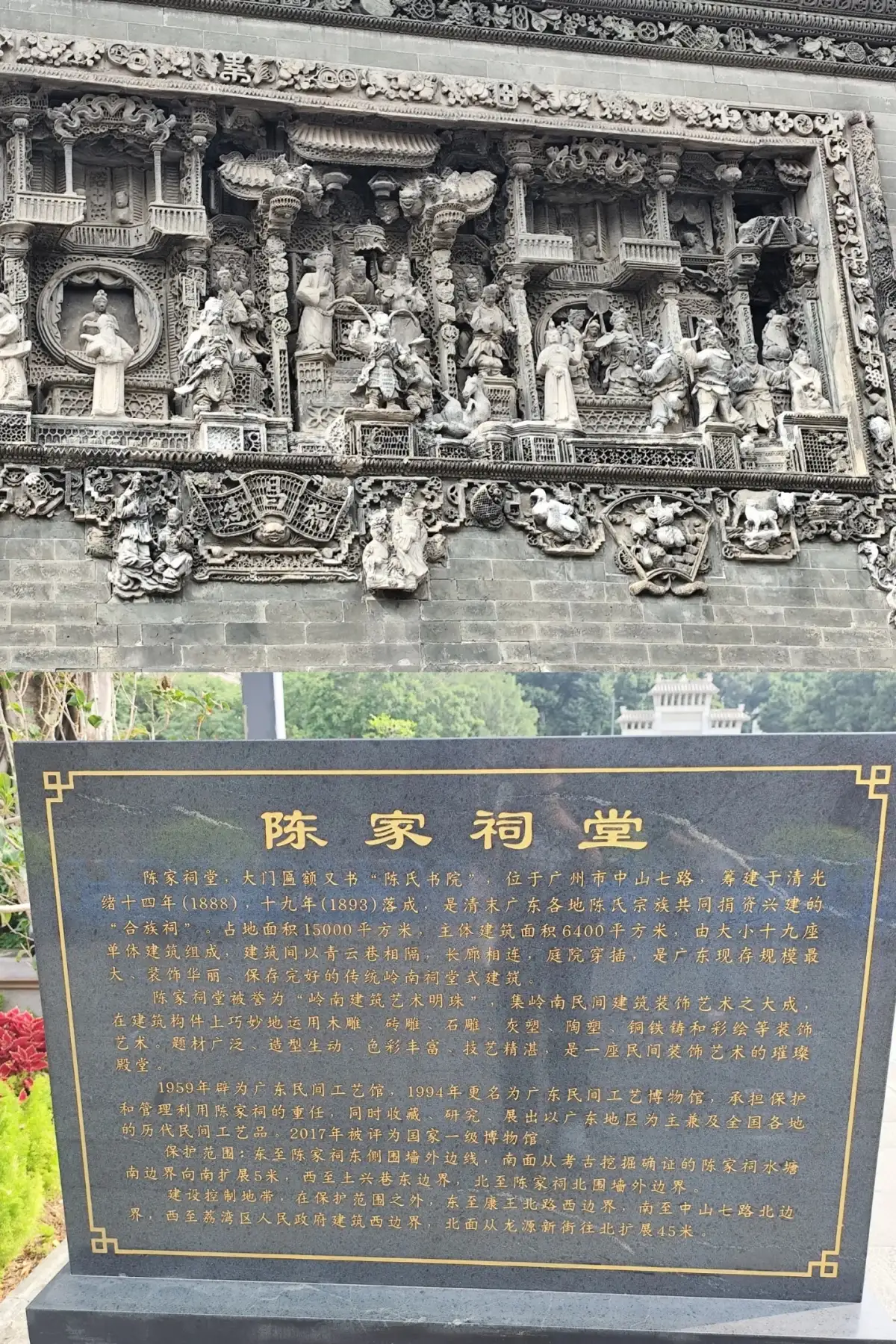
The Chen Clan Ancestral Hall is both an architectural landmark and the site of the Guangdong Folk Crafts Museum. According to official materials published by the Guangzhou government, the Chen Clan Academy was completed in 1893, and the museum was established in 1959. These two milestones indicate that a visit today encompasses both the historic building and the later-established collection of folk crafts. Recognizing this helps one understand why, after viewing the exterior, the exhibitions are still worth devoting separate attention to.
first-time visitors can focus on the theme “How do different materials lead to different craftsmanship?”; families with children can explore “the steps involved in transferring a design onto an object”; and those already interested in craftsmanship may wish to examine “how composition and function influence each other.” Depending on the scope of your inquiry, the materials you’ll need will vary. Choose one theme to start with; once you’re on site and see the wealth of content, you’ll know which elements to examine closely and which to save for your next visit.
time is limited—what should you do if you can only choose one between the architecture and Guangcai porcelain? If your primary interest is in Lingnan architecture, select a few decorative elements to view in the context of their respective spaces. If you’re more interested in the painting on ceramics, export trade, and cultural exchange, focus more of your attention on the relevant exhibits. If you want to see both, you can combine one architectural detail with one ceramic piece—the key is to draw contrasts rather than simply memorizing the names of every craft.
The roof ridge is quite lively—first, identify what makes it so.
Official materials list decorative crafts such as wood carving, brick carving, stone carving, ceramic sculpture, stucco sculpture, bronze and iron casting, and polychrome painting. When viewed from a distance, these elements may appear as a single, magnificent whole; only upon closer inspection do you notice the differences in materials and placement. Begin your observation with easily identifiable details at eye level, then look up to examine the higher sections. First identify the materials, then verify them through official or on-site explanations; this will help avoid guessing the craft based solely on color.
a carved ornament should be understood in conjunction with the door, wall, or roof on which it is mounted. A high-up motif needs to be seen from below, while close-up details allow for a more scrutinizing gaze. Why it is there and what surrounds it often reveal the function of the decoration more clearly than simply how exquisitely crafted it is on its own. When taking photos, capture one shot showing the spatial relationship, then take a close-up; when reviewing the photos later, you’ll know which part of the building the details belong to.
If the patterns depict people and stories, you can first describe the actions you actually see, then look for explanations. Who is facing whom? Is there a hierarchical relationship between the figures? What role do the buildings or plants play in the composition? These observations do not require prior knowledge of the story’s title, nor should you directly assign a symbolic meaning to it. Interpreting a set of images with reliable explanations is often more enriching than attributing auspicious meanings to every decorative element.
a complete viewing experience is required as you move from the courtyards to the halls. Once separated from the architecture, decorations easily become mere examples of craftsmanship, whereas the architecture itself organizes how people enter, linger, and direct their gaze. Walking along the open route, feeling how expansiveness and confinement alternate, and then looking back at the details, one comes to realize that splendor is not the whole story. Here, craftsmanship is integral to the space and to people’s perception of it.
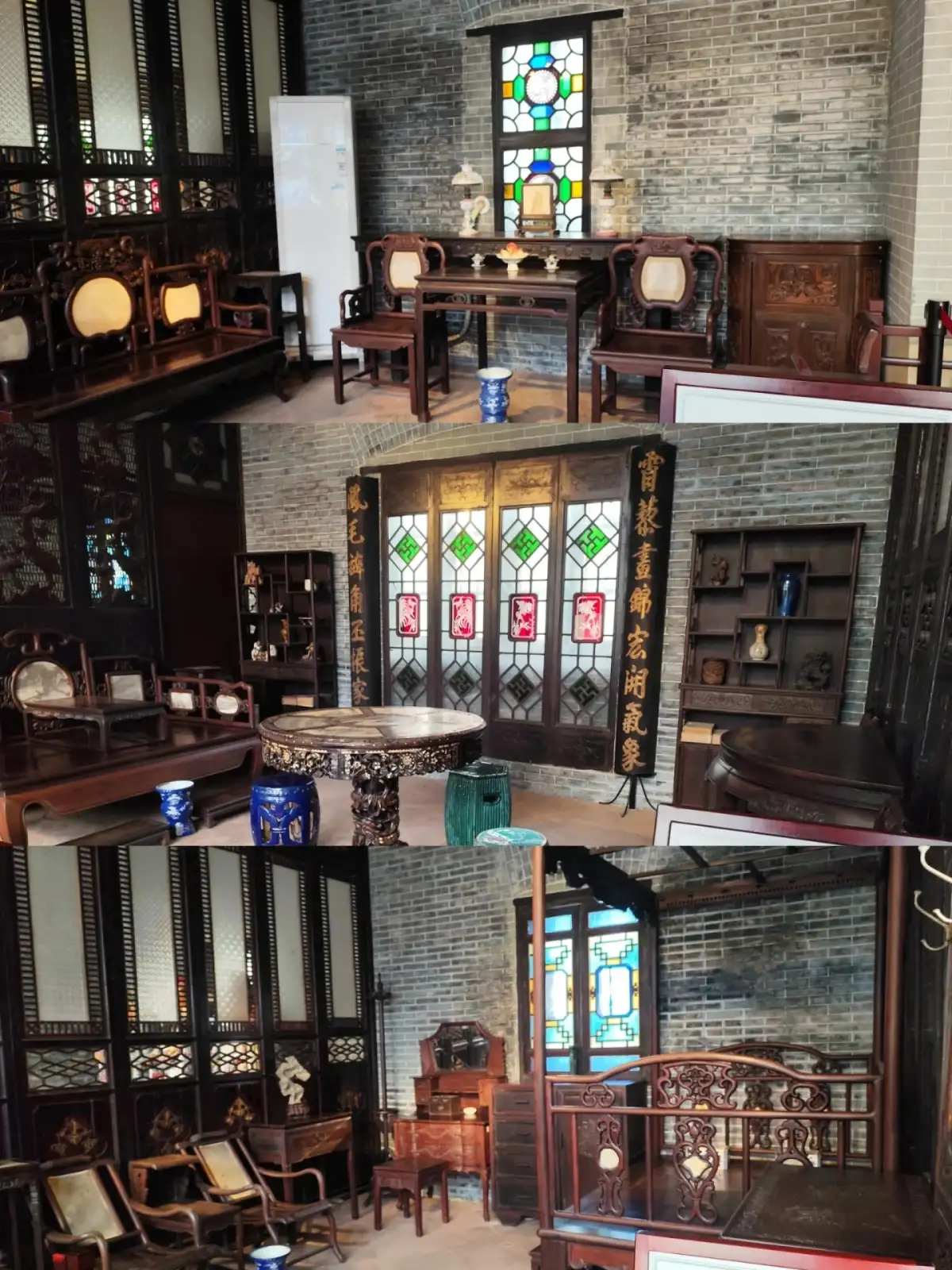
When you approach Guangcai, color is merely the first layer
Official Guangzhou sources explain that Guangcai is an overglaze enamel porcelain art form native to the Guangzhou region, linked to foreign trade and cultural exchange between the East and West. For first-time visitors, it is helpful to initially understand it as a painting technique applied to the surface of porcelain, and then explore how the patterns adapt to the shape of the vessel. Compositions on flat paper and those on curved objects face different constraints; the edges of plates, cups, or vases play a role in organizing the visual composition.
Choose one piece with a clear label and examine it three times—from the whole to the details. The first time, identify the shape of the object and the large color blocks; the second time, look for the division of the design and the border decorations; the third time, observe how the lines, colors, and gold accents work together. The information you gather during each of these three viewings will differ, allowing you to discover that dense decoration does not equate to haphazard filling. Where the eye is guided, where repetition occurs, and where space is reserved for the main image—this reveals a compositional order that can be described.
Official materials introduce the “zhi jin” (gold-thread embroidery) technique in Guangcai, as well as the “changxing” (long-line) figure technique, which incorporates various painting styles. Visitors do not need to grasp all the terminology at once; instead, they can focus on a single line or figure in a specific piece to observe how contours and colors work together to create the image. Technical terms are easiest to understand when viewed in the context of the artwork; when the exhibition lacks corresponding examples, it is perfectly natural to note the terms and questions and look them up later.
Why do Guangzhou’s colored porcelain pieces evoke images of distant lands? Foreign trade connections exposed these objects to different markets and transformed craftsmanship into a medium for cultural exchange. While this context helps explain the evolution of patterns and forms, it does not imply that every piece served the same overseas purpose. The date, provenance, and usage of specific pieces can be identified from the exhibition labels; only by combining the broader context of trade with the specific evidence provided by the artifacts can a complete interpretation be achieved.
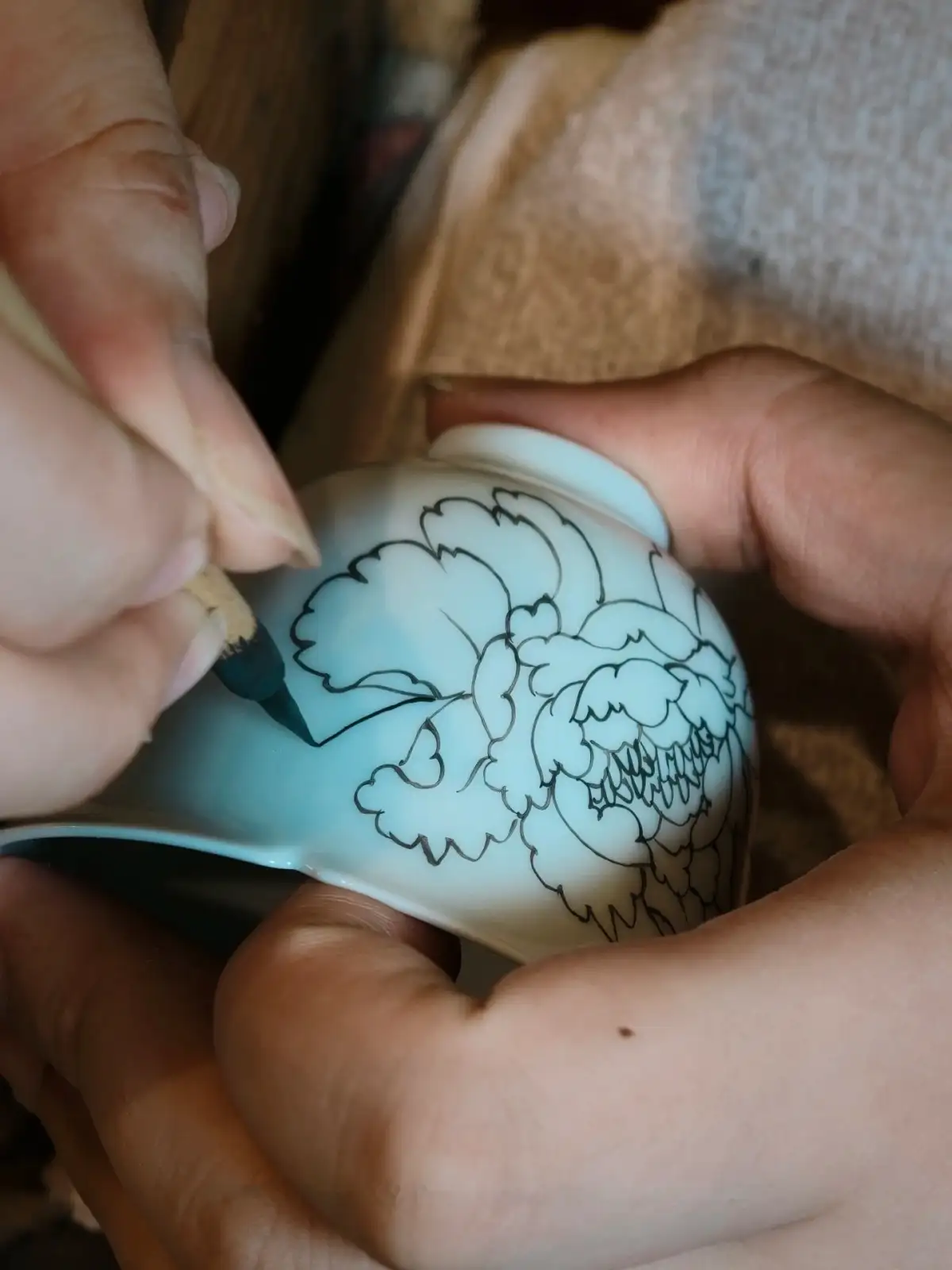
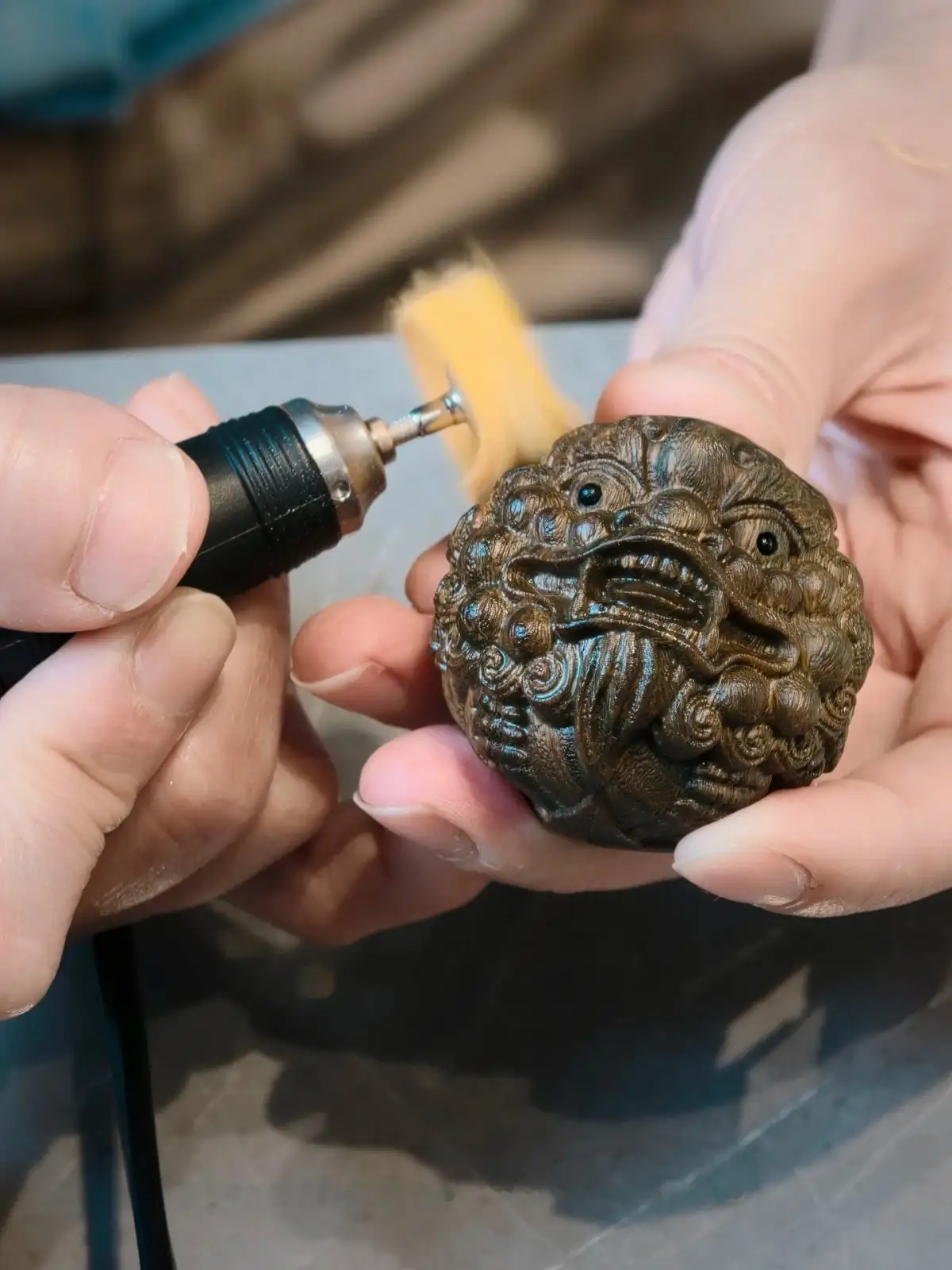
observing the production process, viewing finished products, and participating in hands-on activities—and what each of these experiences offers.
finished products allow visitors to see the collective result of the production process, while demonstrations highlight a specific step, and short-term hands-on experiences let visitors feel how their own hands interact with the materials. These three elements complement one another and cannot be substituted for one another. The on-site porcelain painting described in Count Spier’s original post can prompt visitors to pay attention to the production process; as for whether there will be demonstrations or participatory activities on a given day, this information should be obtained from the museum or on-site service staff.
When you encounter live demonstrations, first ask if it’s okay to watch and take photos, then pay attention to the sequence of movements. How do the tools interact with the materials? When does the artisan pause? Does the object need to be rotated? A single subtle movement may reflect years of experience, but viewers should not judge a craftsman’s skill based on just a few minutes of observation. Treating points of confusion as questions and asking brief inquiries yields more insight than continuously filming without understanding.
How should one approach these short-term hands-on experiences? Treat them as an introduction to the craft. Adults can observe how a movement they initially thought was simple actually requires precision; children can compare the patterns they imagined with the shapes that actually emerge from their hands. The value of these experiences lies in the shift in focus; completing a souvenir piece does not mean one has mastered the traditional craft, nor is it necessary for everyone in the group to participate in the same activity.
three distinct groups of visitors, each following a different route within the same building.
First Visit to Guangzhou: Compare two architectural materials, then select one Guangcai piece from the exhibits to connect “materials and patterns” into a cohesive narrative. Allow time to read the exhibit labels and revisit the displays.
Bringing children or elderly family members: Start with easily visible decorations, incorporate an object with a clear function, and discuss your discoveries at designated rest areas. Details at higher levels can be viewed through photographs, so not everyone needs to keep looking up.
For craft enthusiasts: Explore the exhibition in depth by focusing on a single material, compare the composition and functions of the works, and then learn about the demonstrations or guided tours available that day. Make a note of any unanswered questions to serve as directions for further research.
What should you prepare before your visit? First, confirm the official information for that visit and identify the theme that matters most to you; if you need a guided tour in a specific language or hands-on activities, check with the provider for the actual arrangements. Once at the museum, adjust your plans based on the exhibits—don’t treat every hall listed in old travel guides as a mandatory item on your checklist. The exhibits and themes will help make this visit more meaningful than simply following a set itinerary.
turns a porcelain plate into yet another gateway to Guangzhou.
Before leaving, choose one architectural detail and one artifact detail, and try to identify their similarities and differences. The similarities might lie in the order within the intricate patterns, while the differences may stem from materials or viewing distance. These observations are based on firsthand observation and may reflect personal perspectives; however, when discussing craft terminology or historical facts, always cite your sources. In this way, your travel notes can convey both your own voice and reliable information.
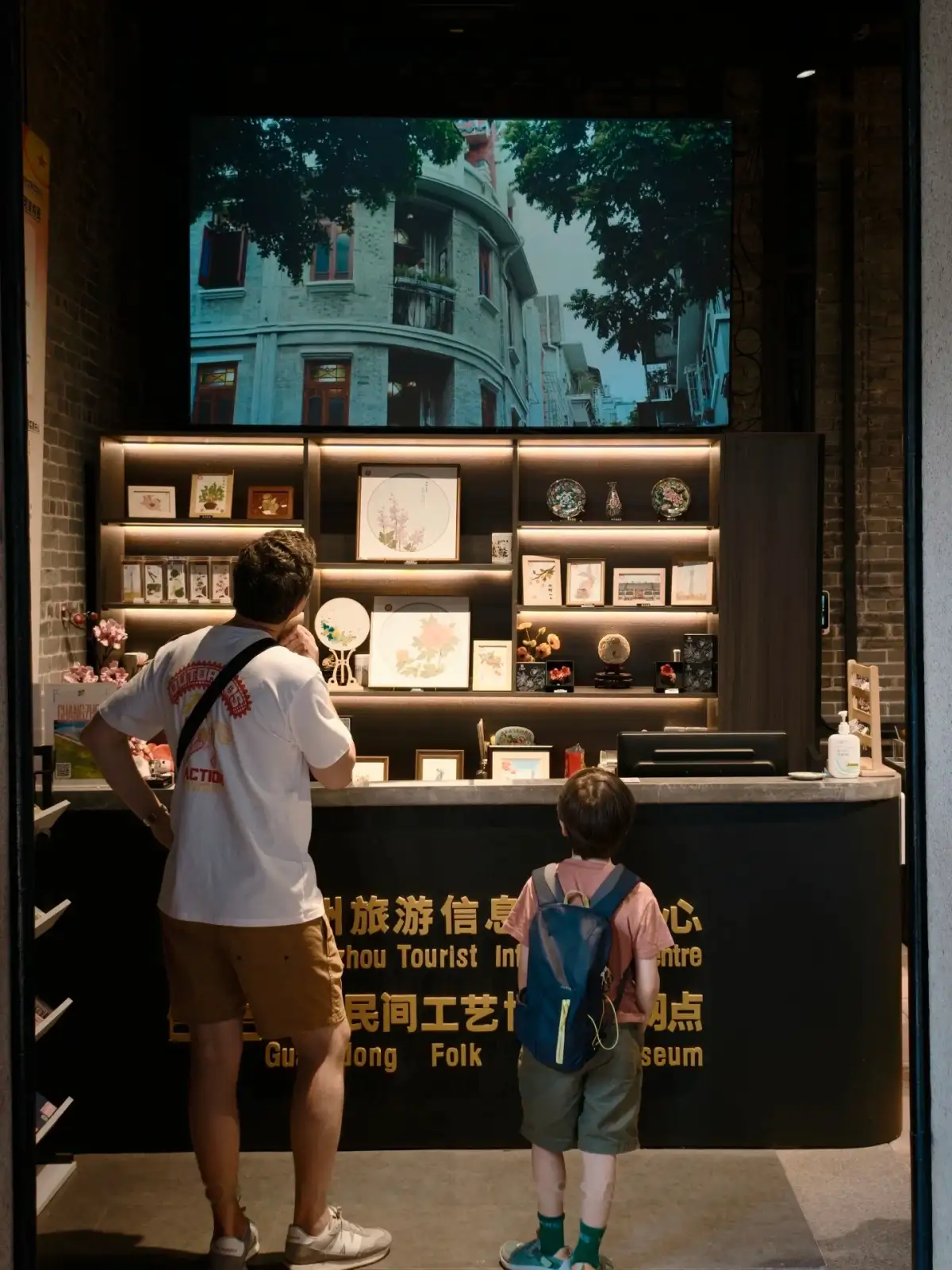
For the rest of your Guangzhou itinerary, you can extend these questions from the museum to the city itself: How does a city engaged in foreign trade interact with different cultures, and how does it give rise to local crafts?Introduction to Guangzhou Destinationsproviding combined access points to other spaces, the Chen Clan Ancestral Hall allows this grand question to first rest on a specific feature of the roof ridge and a line on a porcelain plate.
It also offers fellow visitors a shared topic for reflection: both are lines, but how do lines in carvings and lines on porcelain manifest differently? The former interacts with light and shadow through the material’s relief, while the latter presents imagery on the surface through painting. Specific works should still be evaluated based on the actual craftsmanship on display; this comparison merely connects the two perspectives. One person might choose photos of architecture, while another selects notes on artifacts; by then discussing their differences together, the visit provides material for further discussion.
For those planning to purchase handicrafts afterward, reading the museum’s materials can help formulate better questions. Asking about production methods, materials, and the piece’s intended use provides more concrete insights than simply evaluating whether “it looks like an antique.” While the museum’s collection knowledge offers context, the seller remains responsible for providing accurate information regarding an item’s creator, origin, and quality; a visit cannot serve as an authentication of the merchandise. By clearly distinguishing between cultural interests and purchasing considerations, you’ll be able to make more informed decisions later on.
Looking deeply does not mean lingering for a long time in front of every single item. It means giving reason to your choices, connecting details to the whole, and ensuring that after observing, you can still ask the next question. The rooftop initially draws you inside, and a particular artifact might inspire you to continue exploring Guangzhou; when these two elements come together, your visit becomes a journey that moves from that first glance to a deeper level of understanding.
Source and Editorial Notes
This article does not serve as proof of actual travel experiences or services provided to Dongxing Travel clients.
Guangzhou Municipal People’s Government (Guangdong Folk Arts Museum materials) · Guangdong Folk Arts Museum · Official materials; Verification/Compilation Date: October 3, 2026.
Guangzhou Municipal Bureau of Ethnic and Religious Affairs · Guangcai Porcelain: Exquisite Designs, Flexible Innovation · Official materials; Verification/Compilation Date: October 3, 2026.
Guangzhou Municipal People’s Government · Three Centuries of Cultural Exchange Between East and West; Known as the “World’s Imperial Kiln”; “Chinese Style” Captivates Europe and America · Official materials; Verification/Compilation Date: October 3, 2026.
Connect buildings and objects
Begin Chen Clan Academy crafts with roof decoration, then examine how colour works on Canton porcelain. A Guangzhou craft visit can compare architectural decoration with one plate instead of explaining every technique. Tell your guide you want to understand processes rather than hear a list of craft names.
Displays and workshops differ
Ask separately about exhibits, demonstrations and hands-on activities, including location and booking. An earlier travel account does not guarantee availability. Follow photography instructions and activity conditions for children. One finished object's details can still support a close visit without a workshop.
Planning references