If family members have different expectations for Mount Emei, a single photo of the Golden Summit may not be enough to plan the itinerary. Some may want to see the high-altitude views, others may prefer the temples and forests, and children might just want to walk a short distance before sitting down for a meal. By first breaking down a “one-day trip to Mount Emei” into the low-altitude area, temple culture, and the main ascent, you can see which activities can be combined and which are better suited to be done separately.
With one destination at a high elevation and the other nestled in the woods, this distinction is far more helpful for families in making a decision than simply labeling them “lazy routes.”
A day in the low-mountain area is not simply a scaled-down version of the mountaintop itinerary
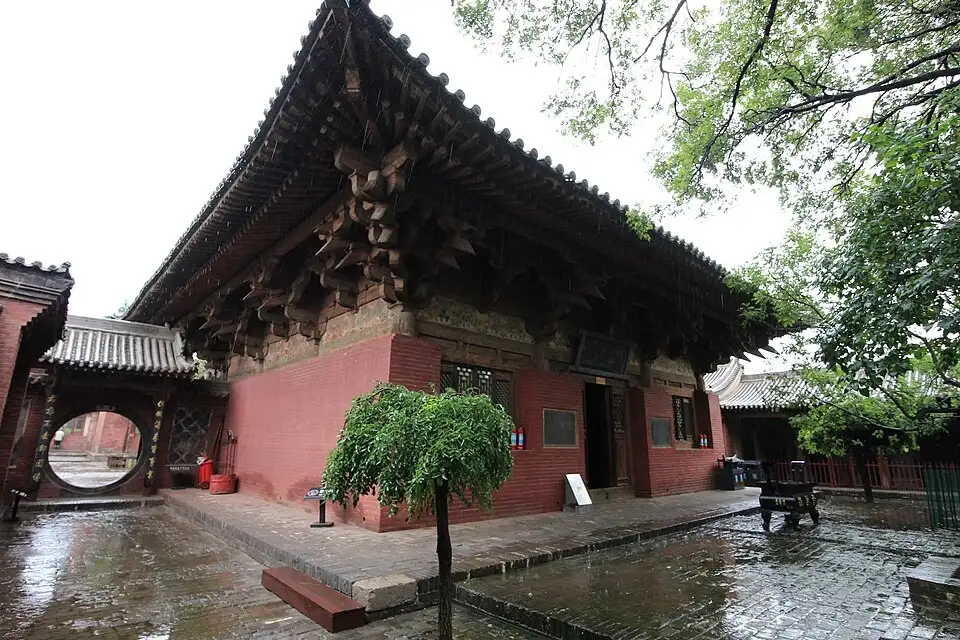
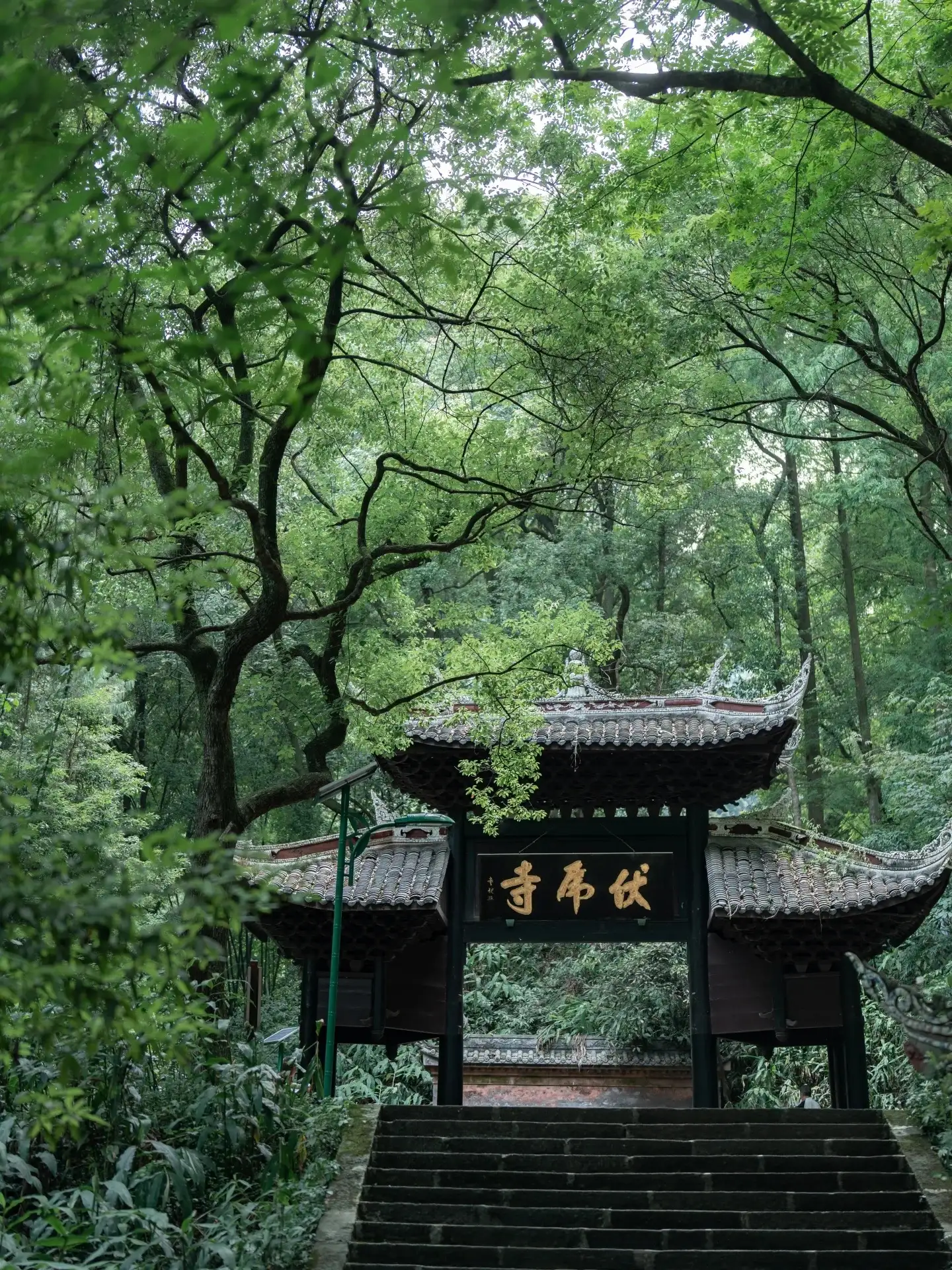
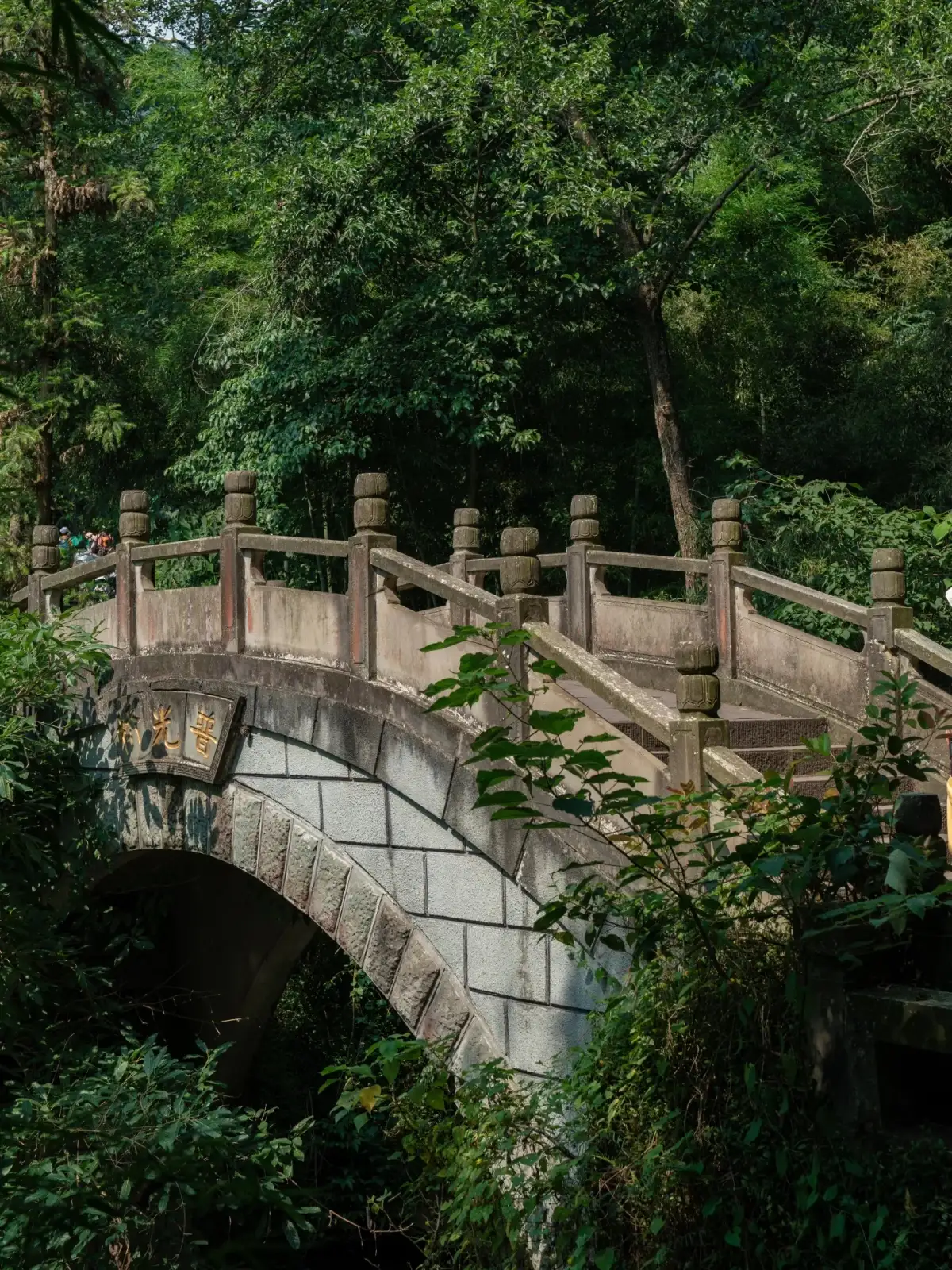
Baoguo Temple, Fuhu Temple, and the surrounding structures are all explicitly designated as cultural attractions in Leshan City’s published master plan for scenic areas. Together with the forests, hillsides, and trails, they form the core of the visitor experience, making this route ideal for those interested in architecture and religious spaces. The itinerary can begin at one of the temples, follow a short section of the trail through the woods along the designated route, and then return to a resting area; reaching the Golden Summit need not be considered the end of the journey.
According to Tang Xiaopang’s notes, walking uphill from near Fuhu Temple involves a more noticeable climb, which also illustrates that the term “low mountains” refers to the area rather than a completely flat route. Those traveling with parents or young children may focus their visit primarily on Baoguo Temple and Fuhu Temple; the decision to continue toward Leiyin Temple should be based on the on-site trail conditions, weather, and the condition of your companions. The total distance and duration mentioned in the original post reflect personal experience and should not be directly applied to every family.
For photography enthusiasts, the low-mountain route offers opportunities to capture the interplay of architecture and trees. Start by photographing the temple’s placement within its surroundings, then observe how eaves, gates, and paths wind through the woods. Rather than constantly raising your camera in search of the widest possible panorama, capturing one or two close-up details makes it easier to convey the essence of this mountainous landscape. When visiting religious sites, please follow on-site guidelines regarding photography and permitted access areas.
If your companions are unfamiliar with Buddhism, you can begin by exploring the physical spaces of the temples. Where are the entry points and transitional areas? Where are activities held? Where can visitors pause in quiet reflection? Understanding these relationships first will help them better appreciate the history. Temples are not merely architectural specimens; they may also continue to serve as centers of religious life. The spaces reserved for daily use are an integral part of the cultural experience.
Wannian Temple is well-suited to serve as another focal point
Emeishan City’s cultural and tourism plan explicitly lists key cultural relics such as Wannian Temple, the Brick Hall Without Beams, and the bronze and iron Buddha statues at Shengshou Wannian Temple. Visitors with a greater interest in art and architecture can treat these sites as independent destinations rather than merely passing through Wannian Temple on their way to higher elevations. Specific information regarding which sites are open, how to reach them, and guided tour services should be confirmed via official announcements based on your travel dates.
, visitors can pose questions about both architecture and art while viewing the brick halls and statues. How architecture organizes interior space and how statues interact with their surroundings offer distinct visual experiences. Time should be set aside during cultural tours to read descriptions and listen to explanations, rather than simply entering the site to find a famous artifact and take a photo. If foreign visitors require English explanations, they may request that the tour focus on a small number of specific objects before the tour begins, to avoid a tour consisting solely of transliterated names.
When combining Wannian Temple with the Low Mountain Area, transportation and walking distances must be calculated separately. Just because these locations are all marked as part of Mount Emei on the map does not mean they can be connected into a single, easy, flat route; vehicles, cable cars, and walking are distinct segments. Rather than committing to visiting all the temples in a single day, it’s better to choose one to explore in depth and add another if you have extra time, ensuring each stop has a clear purpose.
If you want to visit the Golden Summit, how can you let your family know in advance what to expect for the day?
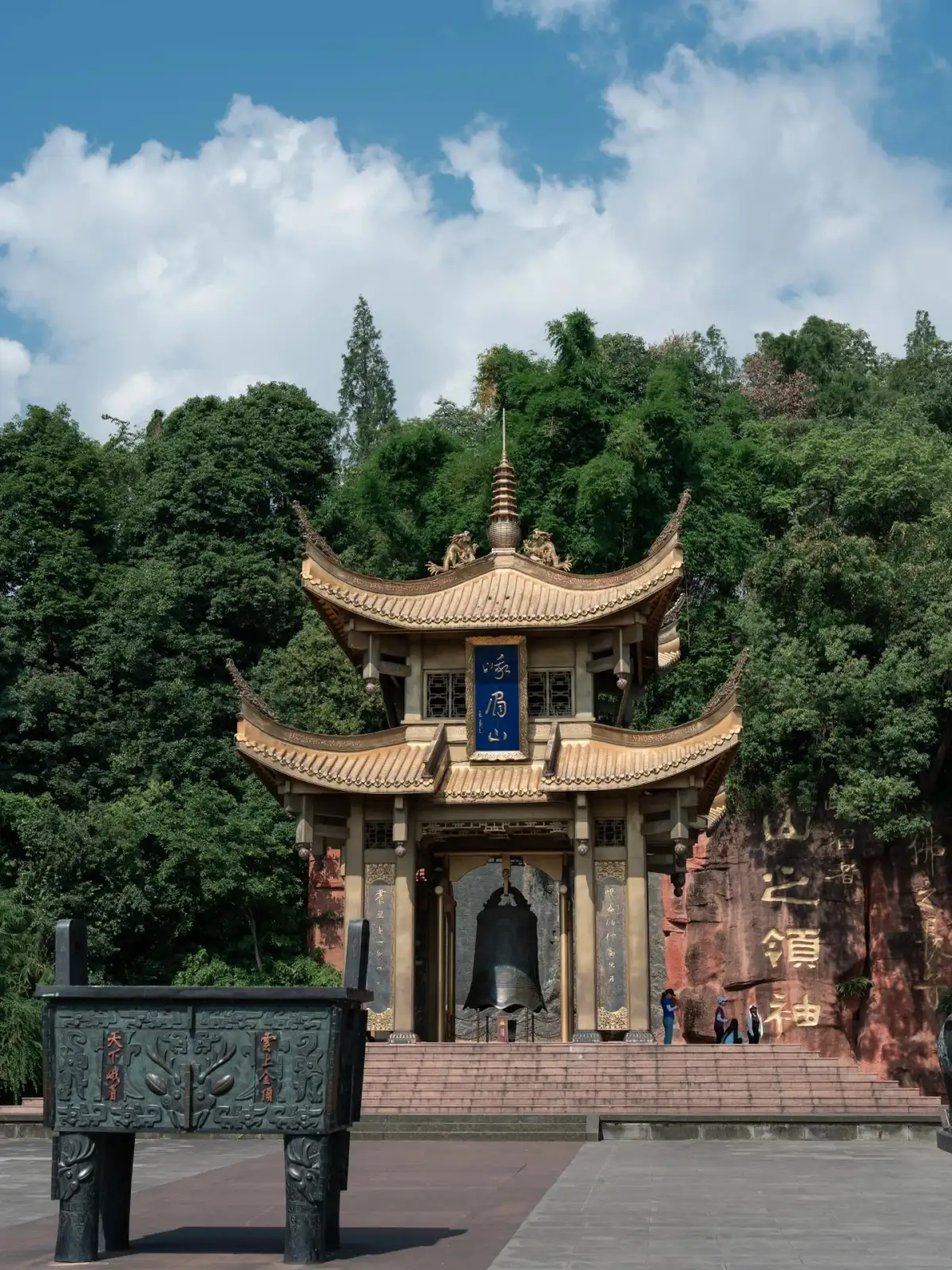
The main high-altitude route is best suited for those who specifically wish to experience high-altitude spaces and are willing to devote an entire day to mountain transportation and hiking. Although “Flying Tree” describes its itinerary as relatively low-effort, it still outlines a combination of vehicles, walking, and cable cars. This indicates that taking a vehicle up the mountain does not automatically eliminate all movement; visitors should familiarize themselves in advance with the actual walking routes between the entrance, stops, and the cable car station.
Separately confirm transportation tickets, scenic area admission tickets, and optional items such as cable cars, and review the coverage details of the official booking.
to account for waiting in line, transitions between sites, meals, and the return trip—without treating time spent in the vehicle as the full cost of the day.
Let the reception staff know each family member’s walking ability and the number of steps they can comfortably handle, rather than just providing their ages.
Subject to the day’s weather and facility operating schedules; dress appropriately for the actual conditions, and allow for flexibility when planning your photography.
Scenic features such as sunrises and sea-of-clouds are subject to weather and viewing conditions and cannot be guaranteed to occur every day. Choosing higher elevations as the main focus allows you to appreciate the space, architecture, and the mountainous environment itself, rather than treating a single moment as the sole value. If photography is your primary goal, you may need to set aside additional time for observation; if family comfort is more important, avoid having everyone rush from place to place just to capture a single shot.
Visitors with concerns regarding high-altitude environments should seek appropriate advice based on their individual circumstances and communicate their needs to the tour operator; they should not rely on the original post’s claim that the route is “suitable for everyone” as a basis for judgment. It is perfectly acceptable to shorten the itinerary, opt for the lower mountain area, or add more rest stops—changing the main focus does not mean the trip has failed. Different families can have completely different yet equally fulfilling days at the same destination.
Three Families, Three Ways to Explore One Mountain
The first type is families who enjoy a leisurely architectural tour. Choose one temple and the short, accessible sections around it; after lunch, decide whether to add another site, ensuring you still have the energy to discuss the day’s details upon returning to your lodging. This arrangement suits those who view the mountains and forests as the setting and cultural exploration as the main focus; children can learn about space through doors, roofs, and courtyards.
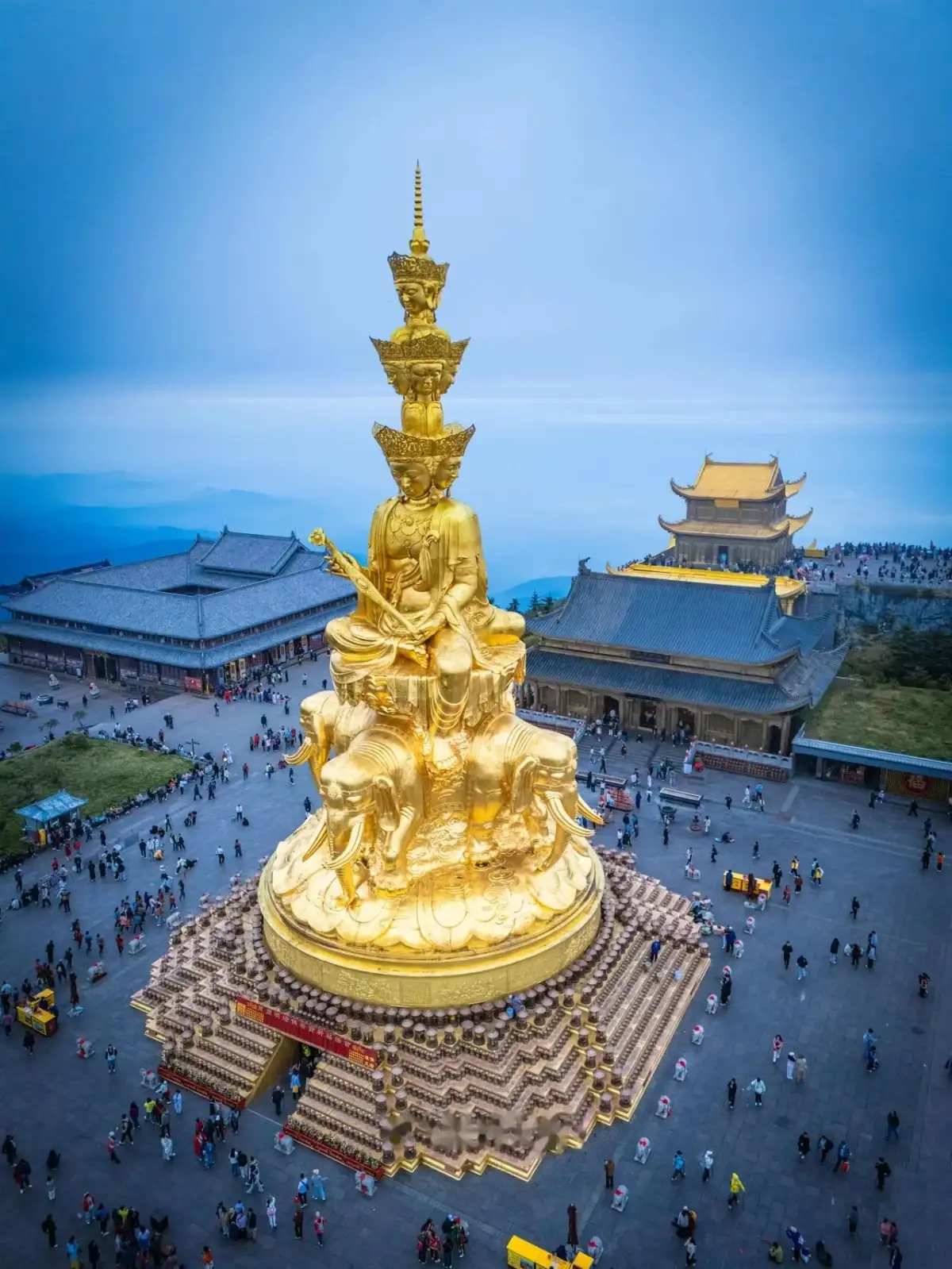
The second category consists of adult families seeking to climb to higher elevations. Focusing primarily on high-altitude exploration, they should confirm transportation connections and return routes in advance. Family members can adjust their pace at designated rest stops, minimizing visits to additional temples on the same day. Evening accommodations and dining options are tailored to this group, avoiding the need to squeeze in another long-distance activity after completing the ascent.
The third option is for families with ample time who can spend two days exploring. One day can be devoted to visiting the low-mountain temples and enjoying the woods, while the other day can be used for a hike up the mountain, depending on conditions. Each experience offers its own unique focus, and the order of activities can be easily adjusted in case of changing weather. Accommodations should be chosen based on transportation and dining needs; do not assume that all areas are easily accessible simply because they are “near the mountain.”
If temple meals are part of your itinerary, please confirm the serving style and ingredients with the specific location in advance. The mention of vegetarian meals in the original post is merely a reference; there is no guarantee that the same service will be available at all times. Vegetarians, those with dairy or egg restrictions, and individuals with other dietary needs should provide clear descriptions to facilitate the arrangement of their meals.
When booking transportation, international visitors should save the exact Chinese names of sites, entrance points, and hotel addresses, and confirm the corresponding checkpoints for their destinations. You should also inform your travel advisor about your children’s nap times, your parents’ preferences for descending slopes, and the language of the guided tour. The true essence of Mount Emei lies not in covering both the lower and upper sections in a single trip, but in ensuring that the day genuinely caters to your family’s shared interests.
Sources and Editorial Notes
They do not serve as proof of actual travel experiences or services provided by Dongxing Travel.
Leshan Municipal People’s Government · Emei Mountain Scenic Area Master Plan · Official sources; Verified/compiled on: October 3, 2026.
Emeishan Municipal People’s Government · Emeishan City’s 14th Five-Year Plan for the Integrated Development of Culture and Tourism · Official sources; Verified/compiled on: October 3, 2026.
Choose a shared priority
For an Emei family itinerary, decide whether buildings, woodland or high views matter most. Emei lower temples support cultural stops, while the Emei Golden Summit requires clear bus, walking and cable car connections. The lower area still has steps, and another traveller's description of ease is not an access assessment.
If you want both experiences
With more time, give each theme a separate day so the order can adapt to weather. For one day, choose one substantial focus. Sunrise, cloud views and temple meals are not guaranteed. Seek appropriate personal advice if you have concerns about the higher environment.
Planning references