
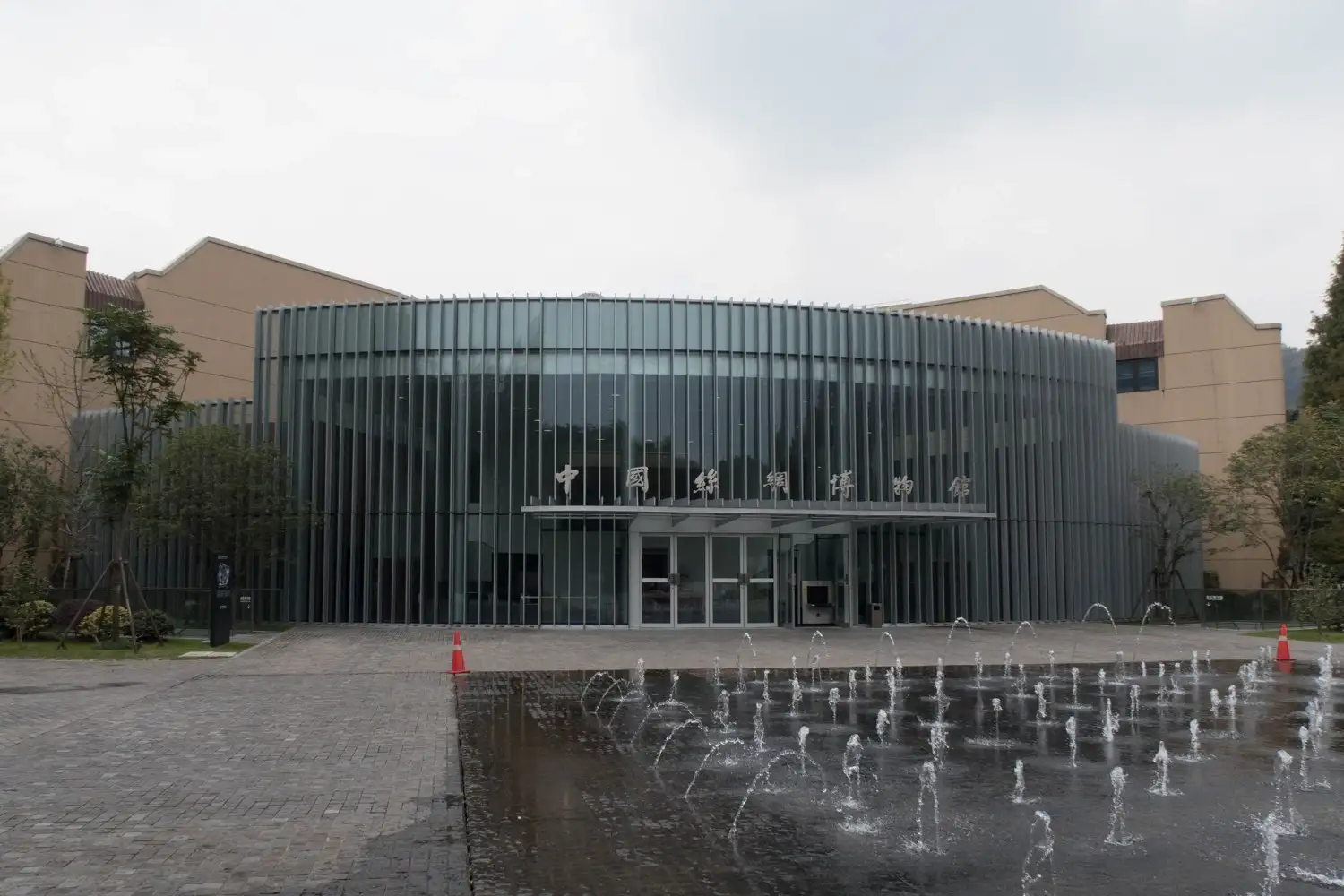
Give the south side of West Lake half a day and make the China National Silk Museum your main stop. An old fabric in a display case may look plain brown or gray from a distance. Once your eyes adjust, threads, patterns and frayed edges begin to appear. On a first visit, follow one piece of cloth backward and ask how it was made from silk thread.
Compare how two patterns appear
On a figured silk, find one repeat, perhaps the border between two animals, then look along the cloth for the next. At a fabric with a subtle woven design, change your angle and watch the pattern emerge in the light. Read the label, look again and describe whether the effect you noticed came from a change in color or in texture. If the objects have rotated, try the same comparison with two pieces on display that day.
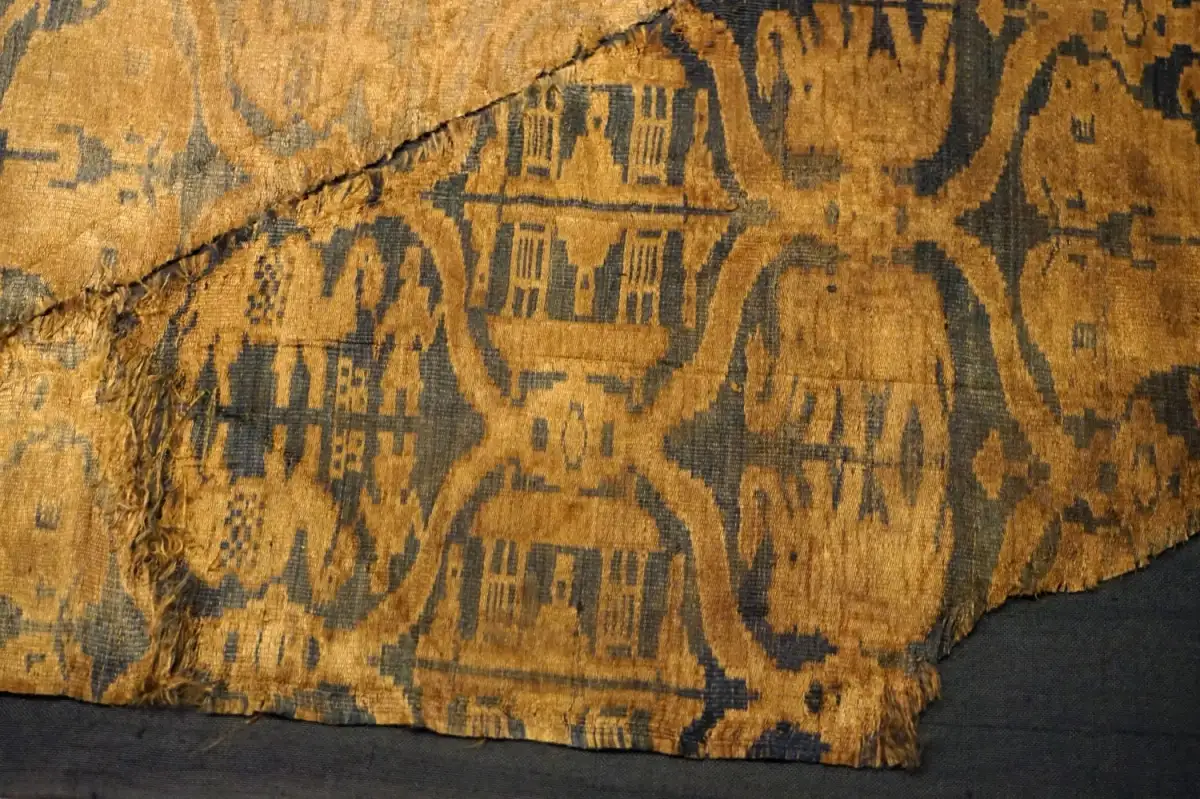
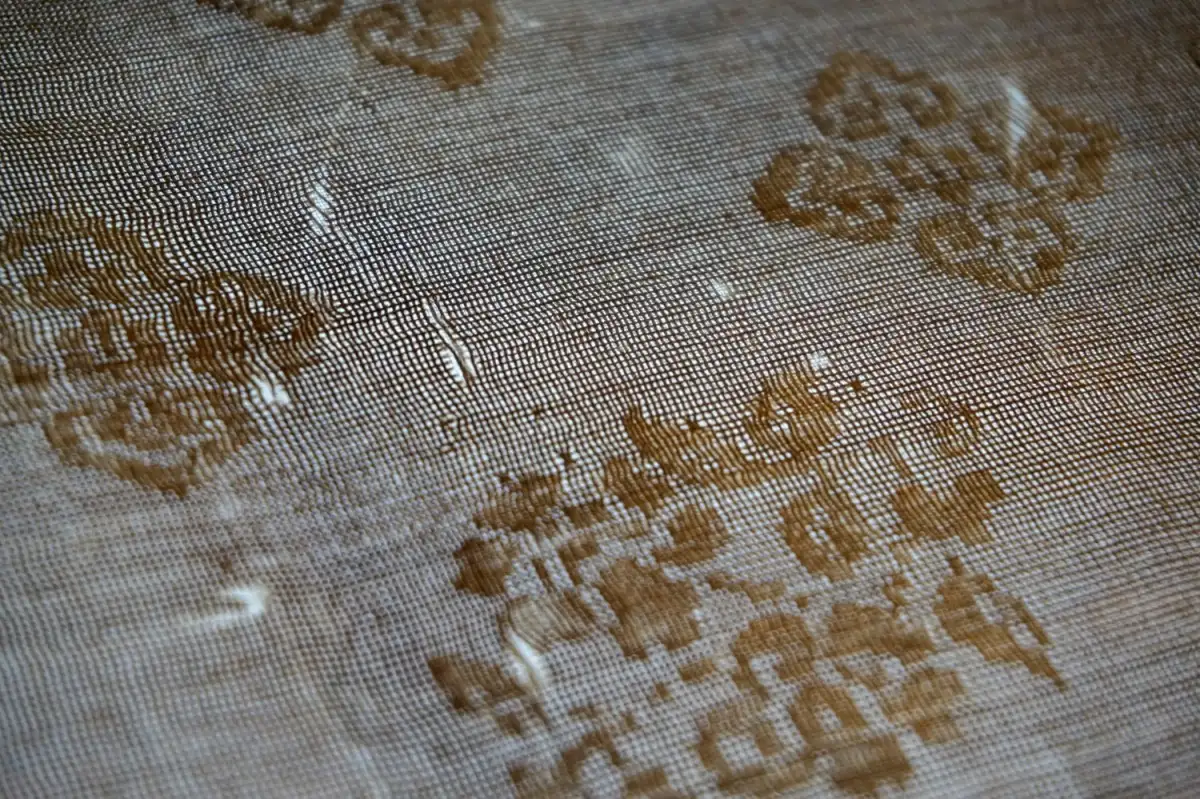
Connect the cloth with the work of weaving
Look for exhibitions on sericulture and weaving. At a tool or process display, find the step where silk is drawn from the cocoon. Then see how the lengthwise threads are arranged and where the crosswise thread passes through. With children, each of you can pick a tool, guess what it does and read the explanation together. If you want a demonstration or workshop, check the day's schedule and what it includes.
Leave time for the cases and the way home
Check the museum's opening, reservation and gallery arrangements before setting out. Take a break after the first gallery and decide whether to follow weaving techniques or look at clothing next. Give one small area of a fabric time to come into focus through the glass. If the weather suits, finish with a short walk south of West Lake. On a cold, windy day, spend longer indoors and confirm where you will catch your ride back.


