East Travel Editorial Department · Travel Diaries and Pre-Trip Reading
Specify your destination clearly to ensure you find your way to the right historic commercial district
The Hongjiang Ancient Commercial City is located in Hongjiang District, Huaihua City, at the confluence of the Yuan River and the Wu River. When arranging transportation, be sure to specify both “Hongjiang District” and the entrance to the Ancient Commercial City; do not simply enter “Hongjiang” on the map and confirm your accommodation or pickup. The names “Hongjiang City” and “Hongjiang District” can easily confuse first-time visitors, and a separate itinerary should be arranged for touring the ancient city of Qiancheng. If arriving from Huaihua, a road transfer will be required after traveling by rail or other long-distance transportation, and the distance from the vehicle drop-off point to the entrance of Shixiang may not be as short as just one gate away. It’s best to spend a full day exploring the Ancient Commercial City: start by reviewing the map and the history of the trading post, then visit two or three courtyards of different styles, take a break for a local meal, and finish by walking to a spot with a view of the river. The essence of the experience lies in the streets, alleys, and merchant houses; there’s no need to pad the day by constantly adding attractions outside the city walls. If you’re staying in Hongjiang District, you can schedule your first visit to Shixiang after breakfast and save the return trip for the direction with clearer walking paths and easier access to your accommodation. When communicating with drivers, international visitors should provide both the Chinese names of locations and GPS coordinates to avoid detours caused by places with similar names.
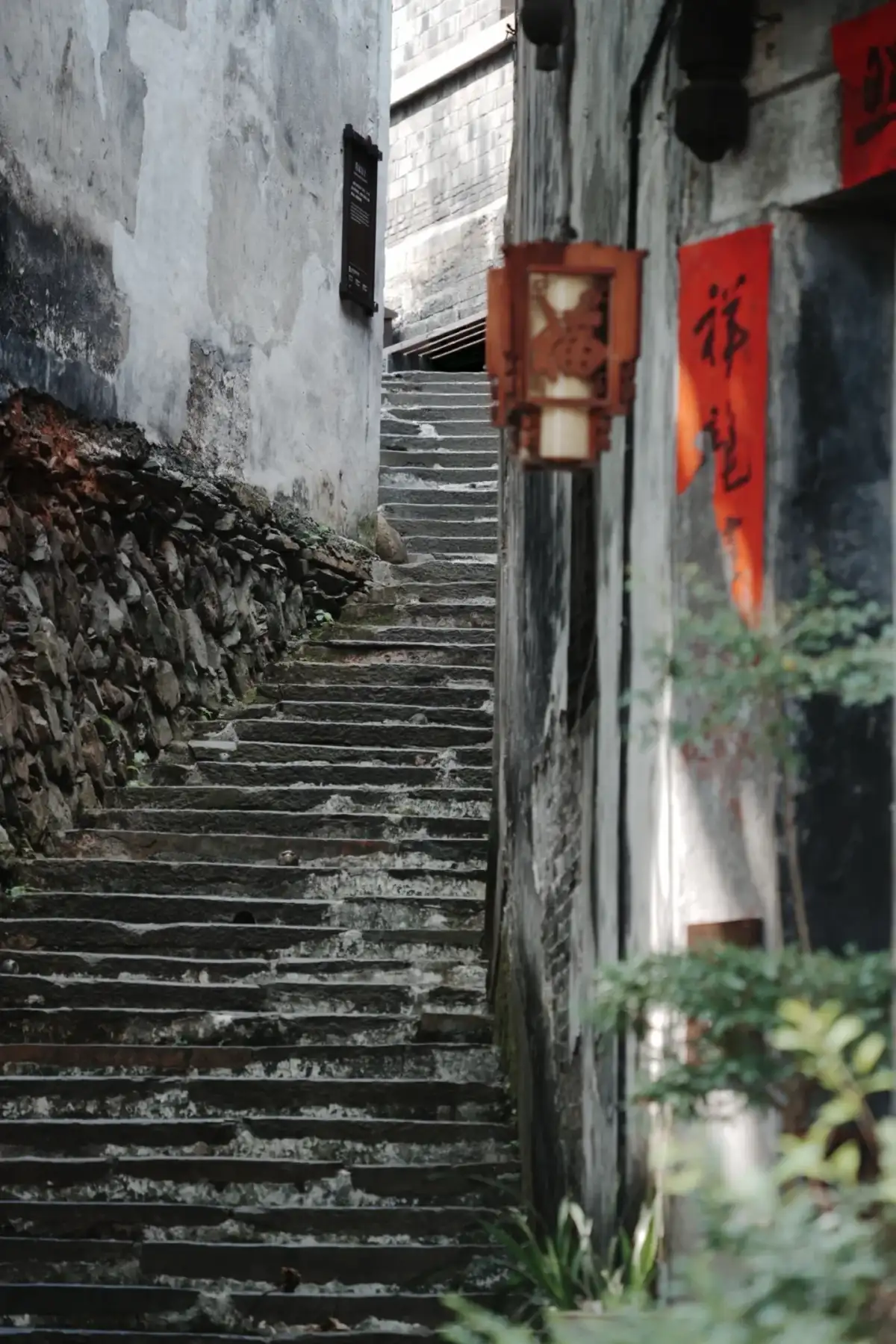
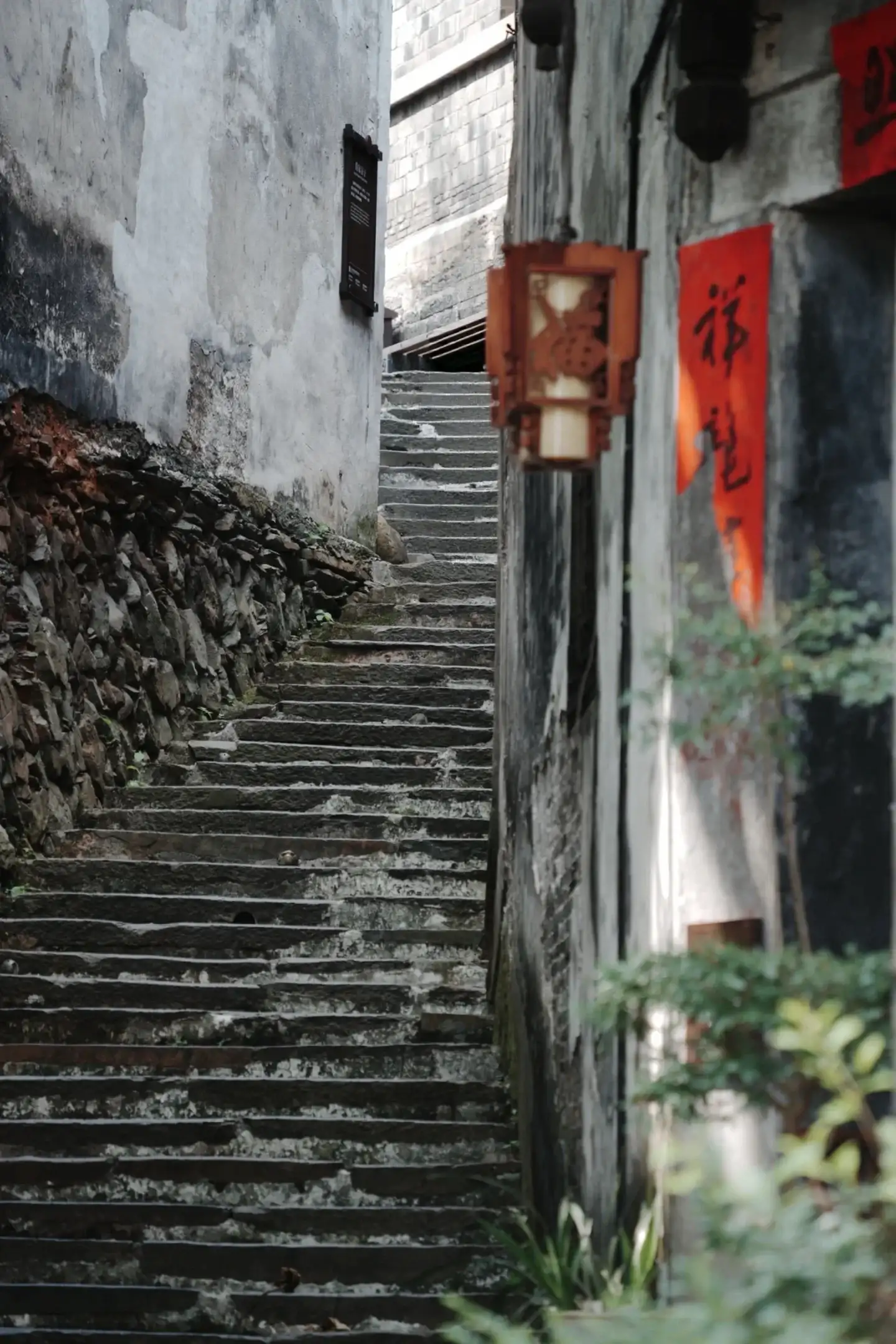
Stone steps rising between the high walls of the Hongjiang Ancient Commercial City, adorned with hanging lanterns.
Two waterways brought goods here
To understand Hongjiang, start by familiarizing yourself with the confluence of the Yuan River and the Wu River, rather than memorizing the names of numerous shops. Historically, water transport brought mountain produce to this hub, which then connected to more distant rivers and trading ports; camphor oil and timber were key commodities repeatedly mentioned in official records. The roads along the river and the clusters of houses on higher ground are therefore not unrelated features of the landscape; goods had to be unloaded from the boats onto the docks, then transported up the slopes to storage and trading areas. When beginning your tour, ask a guide to use a map to point out the relationship between the river, the old docks, and the ancient commercial town, establishing a sense of direction from the water to the streets. The “hongyou” referred to here is tung oil; despite the word “oil” in its name, it should not be mistaken for edible oil, as its historical uses and commercial circulation have distinct contexts. When viewing traditional oil-pressing equipment or accompanying explanations, pay attention to how raw materials, production, packaging, and sales are interconnected—rather than simply asking how old a particular object is. Today’s river traffic differs from the commercial shipping of the past, so don’t expect to witness a reenactment of the old trading port’s bustling activity; the surviving streets and alleys, along with the exhibits, provide enough clues to transform the story of water transport from an abstract notion of prosperity into a tangible, discussable process.
The elevation changes in Qing Shi Alley are the first item in the guide.
Once you enter the stone alley from the entrance, the terrain naturally divides walkers into different paces. On the gentle stretches, you can walk side by side and chat, while narrow alleys and steps require walking one after another; after a turn, you may even encounter another slope. First, identify a main route; note easily recognizable street corners and building numbers, then branch off from this route into open courtyards. First-time visitors need not prove their familiarity by repeatedly crisscrossing the alleys. As you walk along the stone paths, observe where rainwater drains, why the bases of the walls are raised, and whether the door thresholds are at the same level as the ground outside. These details bring the topography of the old trading port to life. Look up at the high walls on either side, and you’ll understand why the light and shadow on the street change so rapidly as the sun moves across the sky. Bluestone becomes slippery when wet, and dragging a suitcase up the steps is inconvenient; large pieces of luggage should be left at your lodging or stored according to your host’s arrangements. Residents, delivery personnel, and tour groups all need to pass through, so if you stop to listen to a guide, move to a wider spot. Although the distance on the map is short, observing and resting along this sloping alley still takes time; setting aside a full day for it is more practical than planning numerous consecutive photo spots.
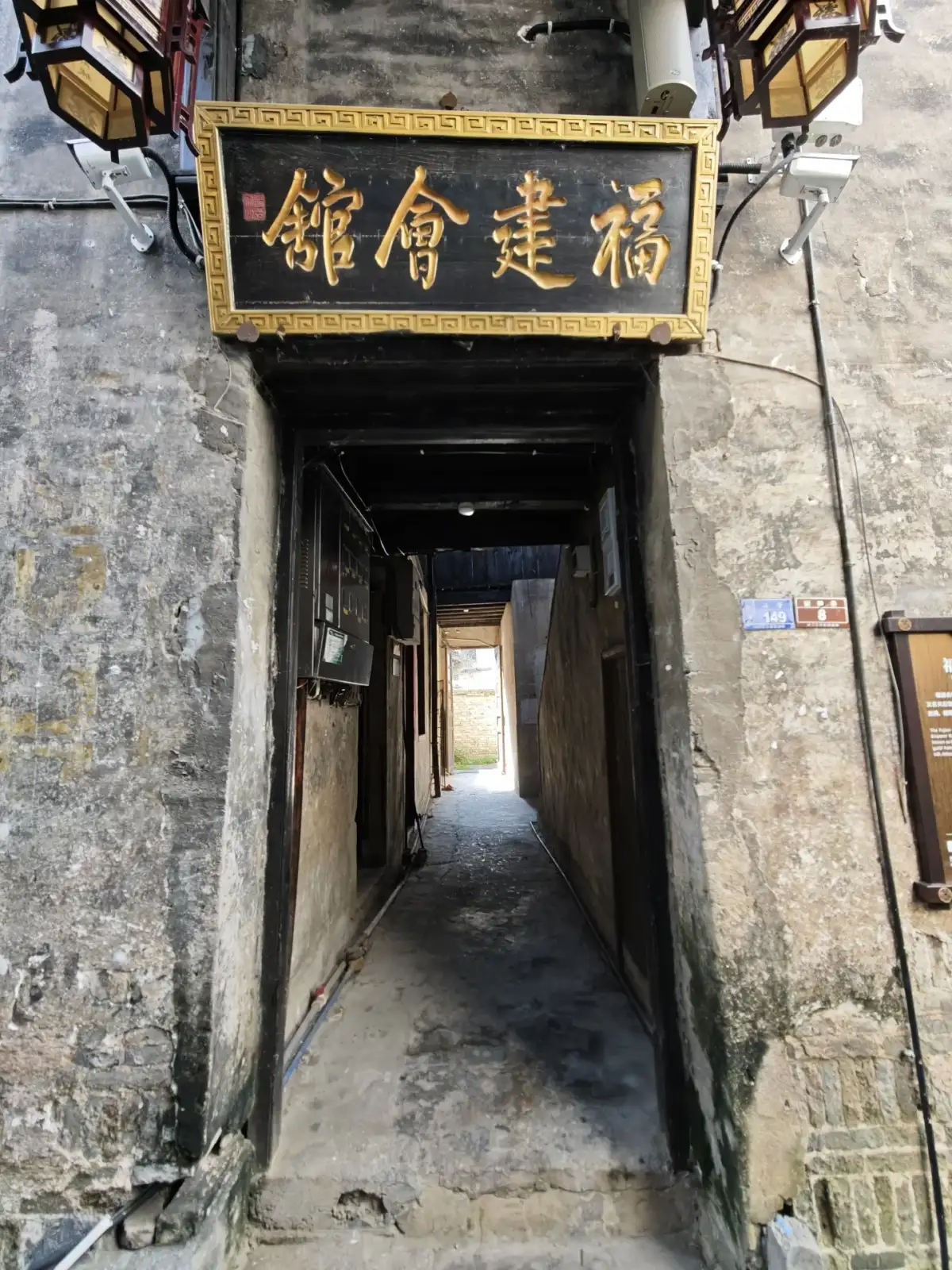
Plaques, gateways, and inner passageways of the Fujian Guild Hall in Hongjiang Ancient Commercial City.
The “Yenzi” houses hide their courtyards behind high walls
The representative architectural form of the Hongjiang Ancient Commercial City is the “Yenzi House.” According to Hunan cultural tourism materials, these structures typically feature a two-courtyard layout and are either two or three stories tall; the contrast between the street-facing facade and the interior spaces lends itself well to on-site comparison. Upon entering through an accessible gate into the courtyard, first observe where the light falls, then note how the rooms are arranged around the central courtyard and passageways. The high exterior walls and relatively understated facades do not imply a lack of interior decoration; the wooden structures, carvings, doors and windows, and the relationship between floors gradually reveal themselves as you move deeper into the courtyard. A single building may have served successively as a residence, a place of commerce, or an exhibition space; when listening to the guide’s explanation, distinguish between the building’s historical context and its current use. When encountering an inscribed plaque, first identify which merchant house or exhibition it belongs to, then interpret the family precepts and business philosophies expressed in the text. Access to upper floors, permissible rooms, and permitted photography areas in historic courtyards should follow on-site guidelines; do not enter locked spaces, and do not lean on wooden railings or decorative elements. After viewing one site, return to the streets and alleys before entering a courtyard with a different function; only then will you gain a coherent understanding of the relationships between exterior walls, courtyards, and the streets.
Merchant Houses, Guild Halls, and Tax Offices: Each Answers a Question
When selecting specific sites to visit, consider choosing one example each from merchant houses, guild halls, and administrative institutions. Official guides list sites such as the Chen Rongxin Merchant House, the Xu Fuluong Merchant House, the Suzhou Guild Hall, the Changde Guild Hall, the Li Jin Bureau, and the Flood Control Headquarters; however, you should confirm which ones are actually open that day based on the tour guide and on-site arrangements. Merchant houses are ideal for discussing goods and business operations; guild halls illustrate how merchants from the same region maintained connections; while tax and administrative spaces reveal the institutional framework behind trade. Not every courtyard bearing the word “merchant” served the same function, nor should money houses, guild halls, and shops be conflated into a single narrative of an “old bank.” Ask the docent to select a specific, well-documented artifact or a section of the exhibition material to explain how it contributed to trade; this is often easier to understand than a string of commercial accolades. For visitors unfamiliar with modern Chinese commercial history, frame the discussion around questions such as: Where did the goods come from? Who organized the transactions? How were payments and credit handled? And who mediated disputes? The short stretches connecting the courtyards are also worth examining: the orientation of the gates, the width of the alleys, and the placement of street corners all illustrate how these organizations were embedded within the same urban space.
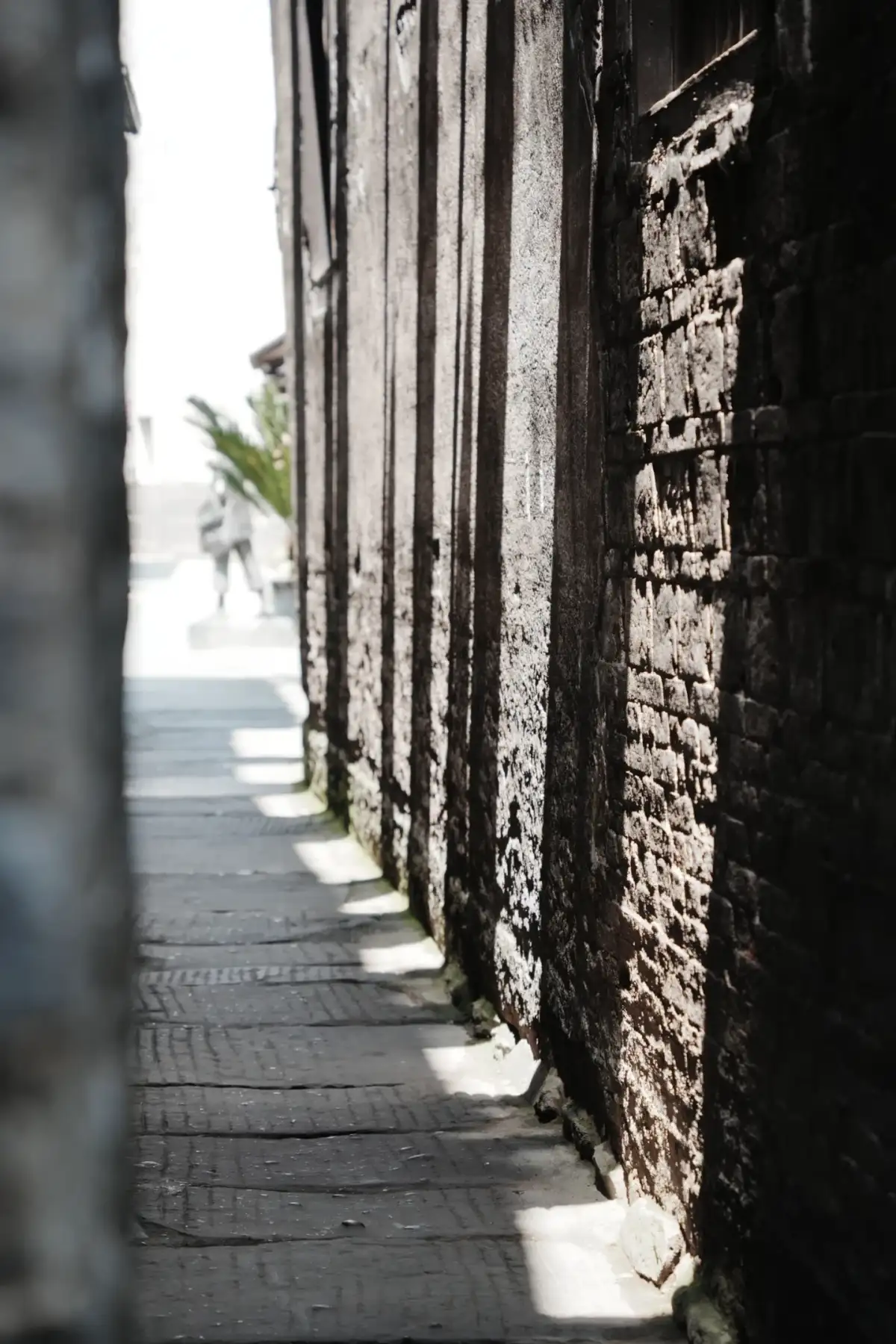
Narrow alleys and stone-paved streets alongside the brick walls of the Hongjiang Ancient Commercial City.
The museum fills in the gaps in the historical narrative that cannot be seen in the streets and alleys.
The Hongjiang Merchants’ Culture Museum can serve as a cultural supplement to a half-day itinerary. First, verify the museum’s opening hours and admission arrangements for that day before deciding whether to visit it before or after exploring the stone alleys. According to information from the Hunan Provincial Bureau of Cultural Relics, the exhibition traces the history and culture of Hongjiang’s merchants and features artifacts such as traditional oil presses, a Republican-era fire truck, and porcelain. If you visit the museum first, you can view the merchant houses against the backdrop of trade and urban development; if you explore the streets and alleys first, it will be easier to correlate the exhibition map with the turns you’ve just taken. The physical artifacts and audiovisual materials each serve a distinct purpose: the artifacts allow you to examine structure and materials, while the audiovisuals and models help you understand the layout of the past. The two should not be treated as equivalent historical evidence. If there are interactive characters or performances on-site, simply check the performance schedule; there’s no need to rush through the exhibits just to catch the entire show. Scenic reenactments are a contemporary way of narrating the history of old commerce; visitors can enjoy them while distinguishing the characters’ dialogue from reliable historical records. When you encounter currency, ledgers, or tools that pique your interest, read the explanations first before asking questions—the entire marketplace will then transform from a beautiful courtyard into an old city supported by production, transportation, and institutional systems.
A typical meal features sweet sauce and rice noodles
Hongjiang’s cuisine is best enjoyed by taking a break to sit down while strolling through the streets and alleys. “Duck Rice Noodles” combines rice noodles with a topping of duck meat, while “Blood Cake with Duck” is a representative local dish—featuring blood cake made from glutinous rice and duck blood, duck meat, and Hongjiang’s sweet sauce as key ingredients. When ordering, be sure to clarify the inclusion of blood-based ingredients, chili, alcoholic seasonings, and portion sizes so that those with dietary restrictions can make their own choices. The name “sweet sauce” does not mean the entire dish is sweet; the specific balance of sweet, salty, and spicy flavors depends on the restaurant’s preparation. Chicken Paste also appears in official local cuisine guides. Unlike the typical meal of a bowl of rice noodles, if you’d like to try it, check in advance whether it’s available and how long the wait might be. If you plan to continue climbing the steps in the afternoon, there’s no need to order a full table for lunch; simply choosing one specialty dish, a plate of vegetables, and a staple food makes for an easy meal. When listening to shop owners discuss traditions, ask about ingredients and family recipes—don’t treat every story about “sailing to the West” as a verified origin. The ingredients themselves are deeply rooted in the local culture; for travelers, understanding how a dish like “blood rice cake” is made is far more rewarding than memorizing an exaggerated, exclusive name.
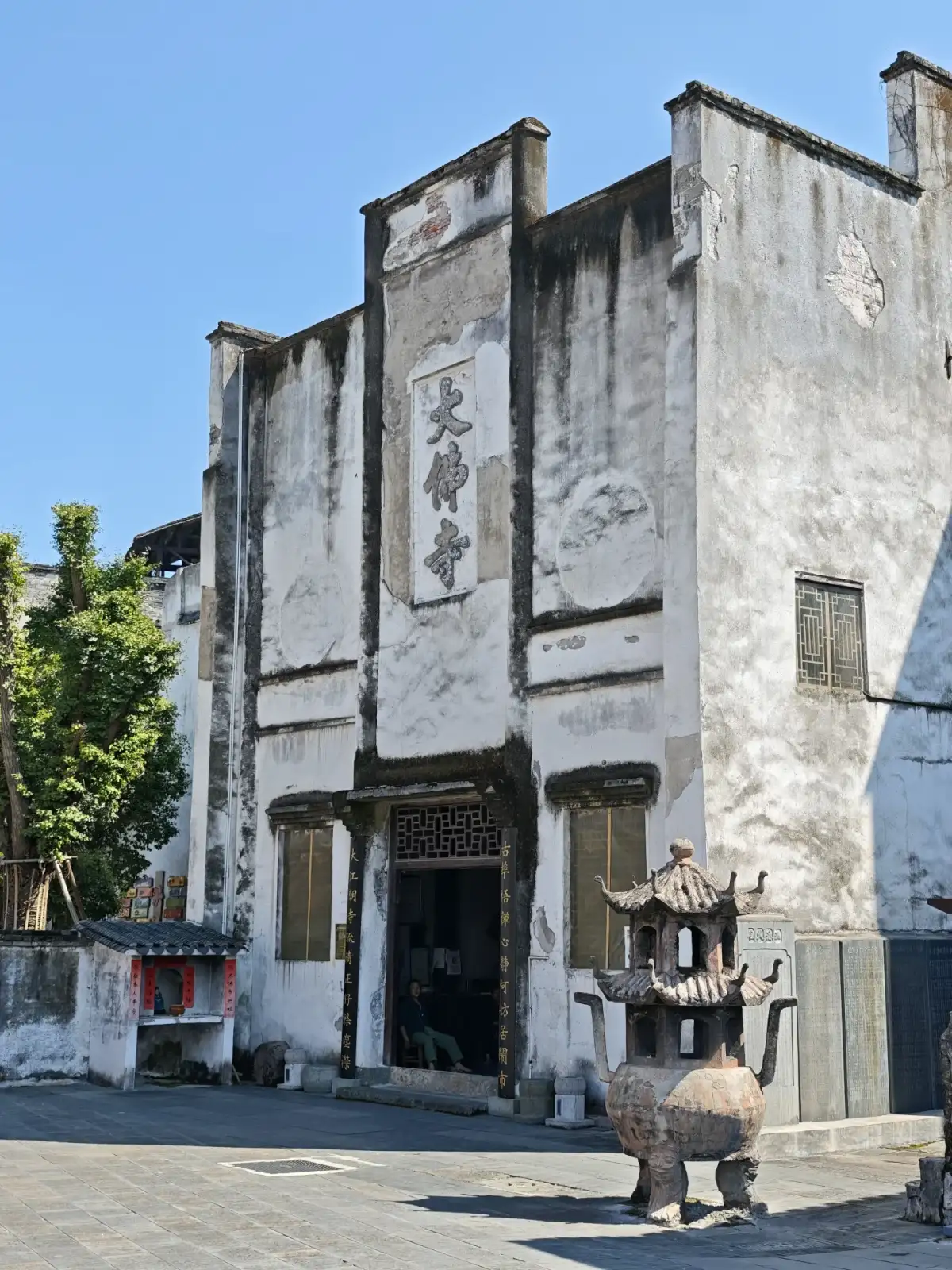
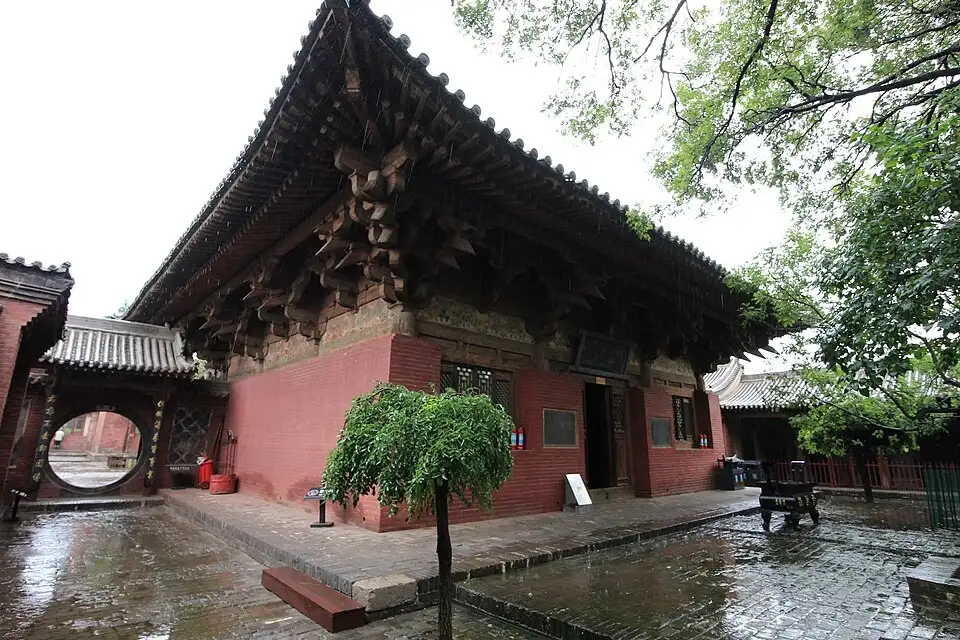
The exterior walls, doors, windows, and incense burner in front of the courtyard at Wenfo Temple in the Hongjiang Ancient Commercial City.
Rainy weather and crowds can alter the order of the courtyards
Hongjiang’s high-walled alleys offer plenty of details to admire even on cloudy days; the light on doors, windows, steps, stone carvings, and courtyards doesn’t depend on a blue sky. During prolonged rain, prioritize indoor exhibits and open courtyards, and limit your walk through the sloping alleys to only the necessary connecting sections—slippery stone steps aren’t suitable for checking your phone while walking. In the height of summer, enter the streets and alleys early; choose shaded attractions and restaurants for midday, and save the more open riverside sections for the afternoon. During holidays, large crowds may gather before a performance at a particular location. If your primary interest is in architecture and commercial history, you can first visit another open courtyard and return later; there’s no need to let a single performance dictate your entire day’s itinerary. Tickets, guided tours, exhibition halls, performances, and night tours may have different schedules; simply confirm that your selected package covers what you need, and don’t treat past event schedules as permanent programs. Visitors requiring foreign-language guided tours should specify the language and topics before departure. In particular, the history of merchant houses, guild halls, and the li-jin tax system cannot be fully understood simply by translating their names. Rain gear and comfortable shoes are more useful than bringing extra changes of clothes; to truly take your time exploring a historic trading port, you must first ensure your feet are comfortable.
Spend the day along the river, then return to the dinner table
After exploring the main courtyards, head back to the riverside road via a confirmed exit and take a moment to view the river from a safe and convenient spot. At the start of the day, you may have simply known that two rivers converge here, but now that you’ve learned about the goods, merchant houses, hometown associations, and tax collection areas, the river is no longer merely a backdrop to the ancient city. If your itinerary and stamina allow, take a short stroll along the gentle riverside path to observe the elevation difference between the clusters of houses on the slope and the riverside road, then return to your lodging or the designated pickup point. Do not impulsively climb unmarked pier stairs in search of a spot closer to the water, and do not assume that alleys still illuminated after dark are fully open to the public. For those choosing to spend the night in Hongjiang, dinner is a chance to sample local dishes you missed during the day; after dinner, take a short stroll along familiar streets where lighting and accessibility are clear. If returning to Huaihua the same day, allow ample time for boarding and the journey; you can wrap up your visit even if you haven’t finished exploring the last courtyard. What’s worth remembering about Hongjiang is how this trading town evolved from the water to the streets, and then from the streets into individual courtyards—a journey that alone is enough to fill an entire day.
Further Reading and Reference Sources
Compiled and edited by the East Travel Editorial Department based on publicly available travel notes and listed information. Intended for pre-trip reading; this is not a personal travelogue. Please verify opening hours, transportation, reservations, and service arrangements according to your actual travel dates.
Hunan Provincial Bureau of Cultural Relics: Hongshang Culture Museum and Collection Display
Huaihua Municipal Government: Hongjiang Duck Noodles, Blood Rice Cake with Duck, and Minced Chicken
Confirm the exact destination
Use the full Chinese name and an entrance pin for Hongjiang Ancient Commercial Town. A visit to this Hunan trading port focuses on sloping lanes and courtyard houses; a similar administrative place name is not enough for a driver. Discuss steps and access needs before booking.
A compact cultural visit
Choose one lane, one accessible residential space and an explanation of a merchant house or guild hall. Together they connect goods, traders and domestic life. Avoid repeated climbs for empty-lane photographs in rain. Check museum access and plan lunch as a seated rest.
Planning references