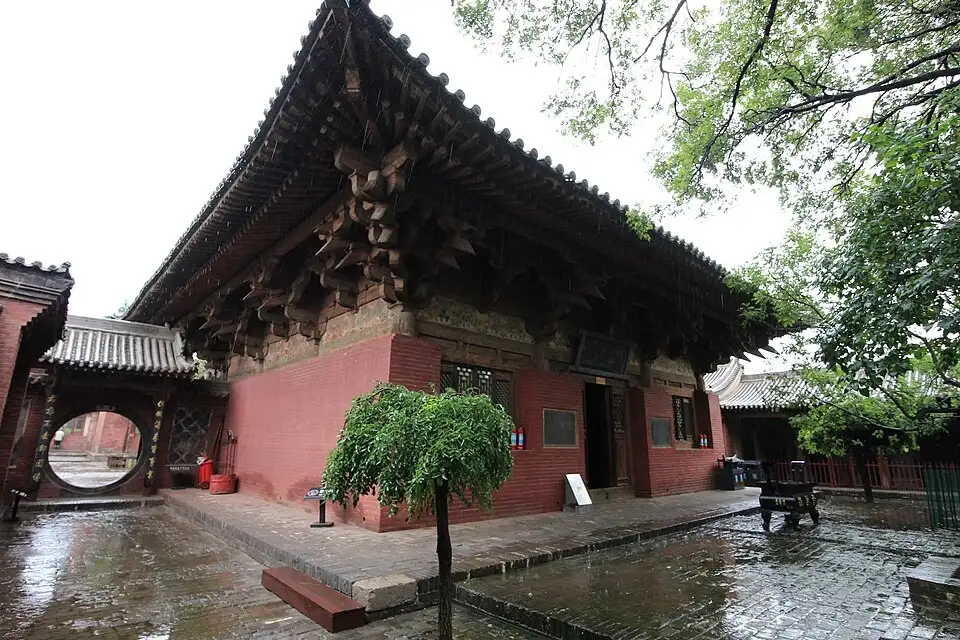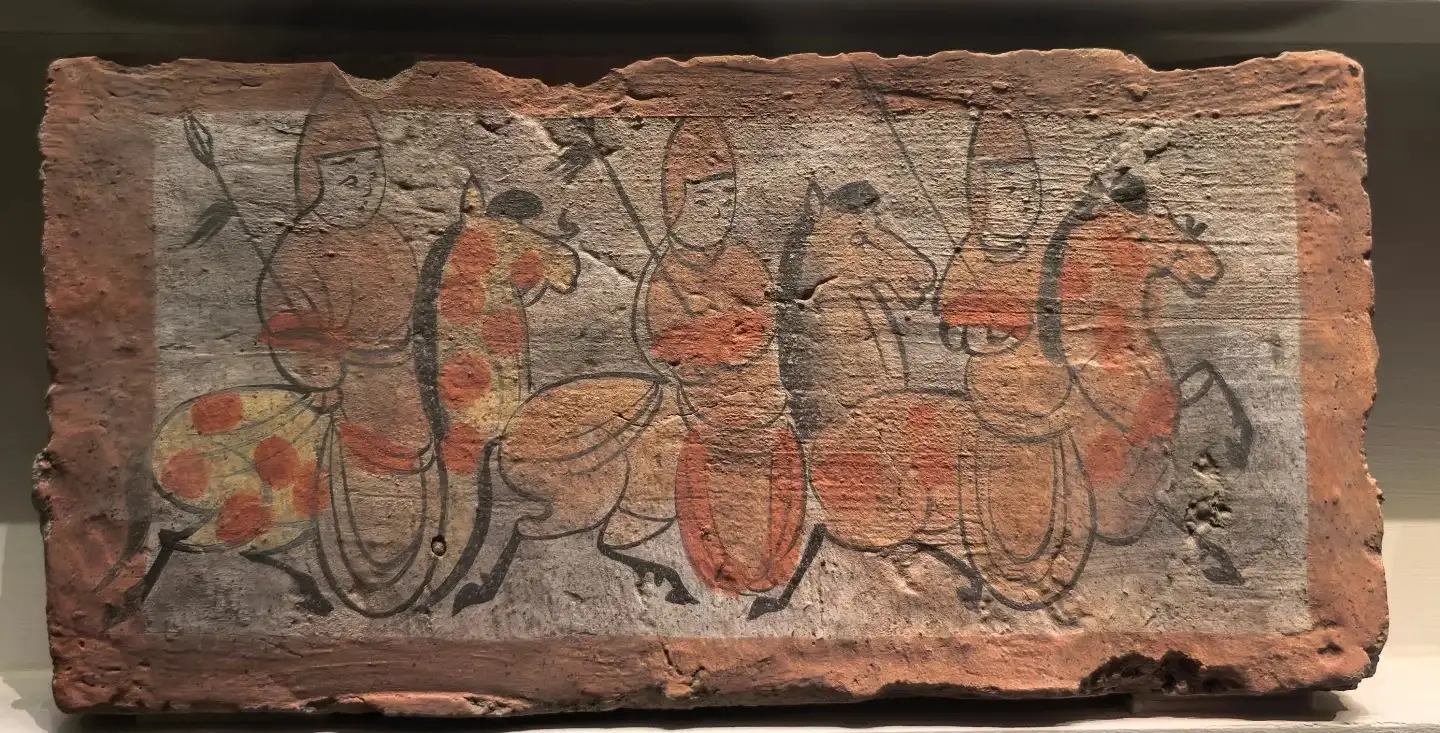
The Jiayuguan Fortress draws the viewer’s gaze toward the gate tower, distant mountains, and fortifications, while a painted brick from the Wei and Jin dynasties pulls the viewer back to people and daily life. The former reveals how space was defended, while the latter shows how life was depicted. Belonging to different time periods and cultural heritages, these two elements meet within the same city, endowing a journey through the Hexi Corridor with a more concrete significance than mere vast landscapes.
这两份观察给出不同观看环境:墓室中的图像与展览里的材料。本文从日常题材展开,不把个人描述里的艺术想象当作考古结论。
First, observe what is happening in the image; then ask how it was depicted.
Official cultural heritage materials from Jiayuguan list themes in the brick paintings such as farming, herding, hunting, travel, and feasting. When examining a scene, start by selecting an activity you can recognize and describe the relationships between the figures, tools, and actions. Even without knowing all the historical periods or technical terms, you can still grasp the basic context. Once the activity is clear, the materials and lines in the image provide concrete points for discussion.
Agricultural images are best examined through the lens of three elements: people, animals, and tools. Who is pulling, who is operating the tools, and how their body orientations coordinate all influence our understanding of the actions depicted. Do not conclude your analysis with a simple statement like “People farmed in ancient times too”; instead, try to explain which visible relationships in the image make the agricultural activity plausible. The names of tools and the institutional context should be supplemented based on the official description.
Banquet or domestic scenes present a different kind of order. As figures sit in a circle or go about their activities, objects and actions together shape the space. By first observing who is facing whom and then examining the arrangement of objects, the image transforms from a collection of isolated figures into a network of relationships. Our modern experience with dining can help us engage with the image, but the specific social roles and rituals depicted in ancient scenes still require an understanding of the historical context.
How can a few simple lines make the action so clear?
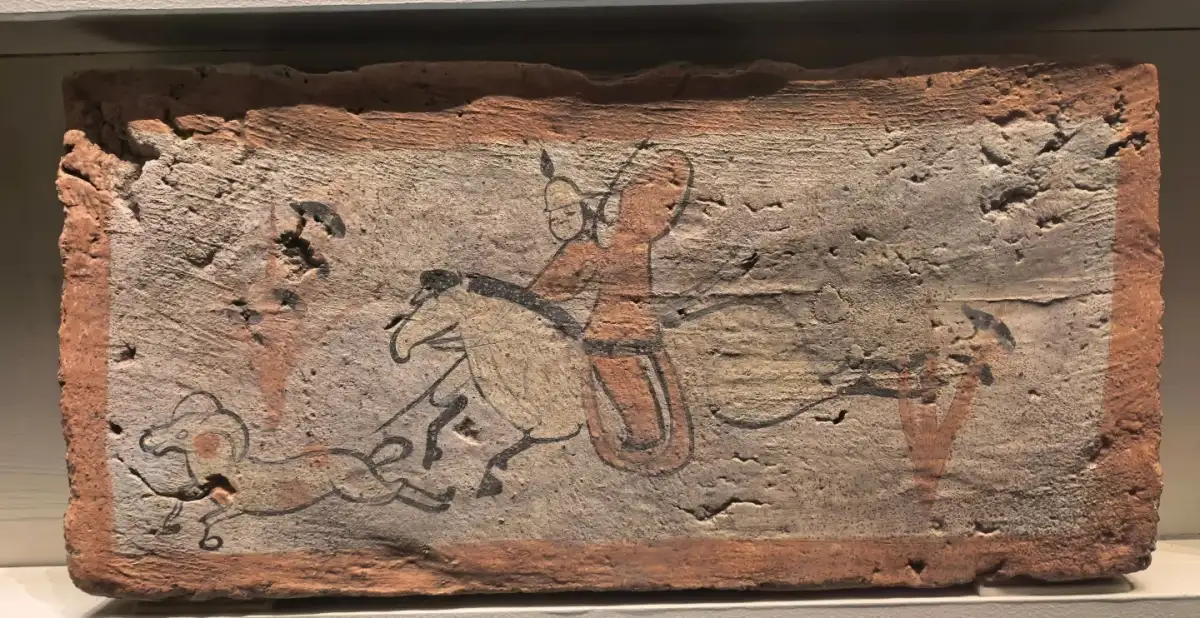
Brick paintings have limited space, so figures and animals must be interpreted within the small frame. Outlines, direction, and a few blocks of color can highlight the action; there is no need to fill the image with details as in a photograph. As you observe, ask yourself: Which line indicates a posture? Which position suggests movement? The more concise the image, the easier it is to discern these choices—and these are artistic questions well-suited for discussion among travelers.
“Free Movement | Observing Ink” pays special attention to the dynamism of travel scenes, highlighting how images can express movement in a concise manner. Visitors can use this to compare the different compositions of sitting still versus running: how do body tilts, front-to-back spacing, and the orientation of objects enable the activity to be recognized? This falls under the reading of visible forms and does not require every omission to be interpreted as a specific moral lesson.
and color also plays a role in organizing the composition. Which elements stand out most? Which blend with the outlines? Which parts draw our attention first to the figures, and then to the surroundings? When answering these questions, simply describe what is actually visible. Since these images have been preserved over a long period, the relationship between their current color state and their original appearance involves issues of conservation and research; one cannot rely solely on smartphone photos to determine their full historical color palette.
The scenes depicted in tomb chambers differ from the everyday life encountered during travel.
These images exist within the context of funerary culture; the fact that they depict everyday life does not mean they are unselected recordings of daily life. They represent life in a specific way, occupying a particular space and carrying cultural significance. Seeing familiar actions can evoke a sense of familiarity; understanding the context in which the material is situated reminds us that ancient people may have viewed images differently than we do today.
This dual-layered interpretation is crucial. If we emphasize only the sense of familiarity, we risk portraying all figures as direct records of ordinary people’s real lives; if we emphasize only the sense of distance, everyday subjects lose their warmth. By first examining specific activities and then considering the context of the tomb and the imagery, we can preserve both the tangible expressions of daily life and the historical distinctions. This journey need not force a choice between these two extremes.
For visiting tourists, it is recommended that the tour guide first clearly explain that these are tomb images before delving into themes such as farming and banquets. People from different cultural backgrounds may have their own interpretations of tomb chambers, cultural heritage, and display methods; clarifying the context helps foster respect for the site. The figures and scenes of daily life can serve as a starting point for interaction, while specialized explanations allow this interest to gradually deepen rather than remaining at the level of mere curiosity.
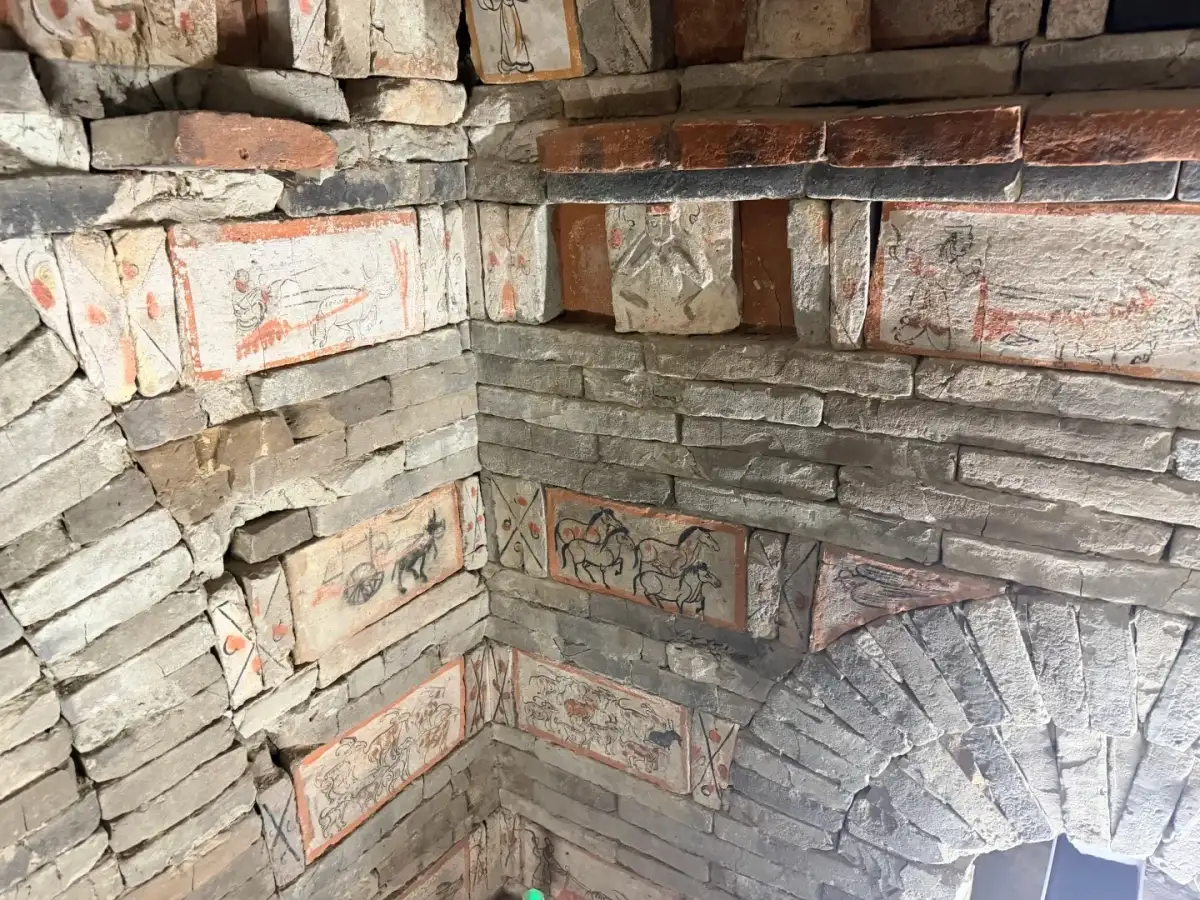
What can be observed in original sites, museum collections, and reproductions, respectively?
In a tomb chamber setting, the images maintain a relationship with the walls and the space itself; museum exhibitions facilitate comparison with exhibition labels, materials, and details; while reproductions can serve the functions of dissemination and interpretation. These three contexts should not be described as the same on-site experience simply because the patterns are identical. Knowing where you are going before your visit, and then examining the identity of the materials on-site, ensures that your viewing objectives align with the actual conditions.
Reproductions are not without value. They can help compare images with actual activities and may allow visitors to understand the culture even in environments where displaying the originals is impractical. It is important to clearly identify them and to discuss the visual understanding derived from them separately from issues regarding the original artwork’s materials. The original post, “Free-Spirited Journey | Observing Ink,” highlights the replicas, which serve as a concrete cue for travelers to pay attention to the exhibition labels.
If you wish to visit the original site, please confirm the actual areas open to the public based on the specific opening hours, reception arrangements, and conservation guidelines for that visit. Do not assume that all the tomb clusters or images featured in the scenic area’s promotional materials are accessible during a single visit. When contacting the staff to make arrangements, specify that you are interested in the brick murals and scenes of daily life; prepare your foreign-language explanations around this focus as well. This approach will better facilitate your actual viewing experience than simply stating that you wish to see the “underground gallery.”
A small visual record
Choose an image where the activity is clearly depicted, and list one figure, one tool, and one action—focusing your description first on what is visibly present.
document the names and material identities provided on the explanatory labels, distinguishing between originals, reproductions, and other display media.
Note one more formal issue that interests you—such as how lines express movement or how figures establish relationships—and set it aside for further study.
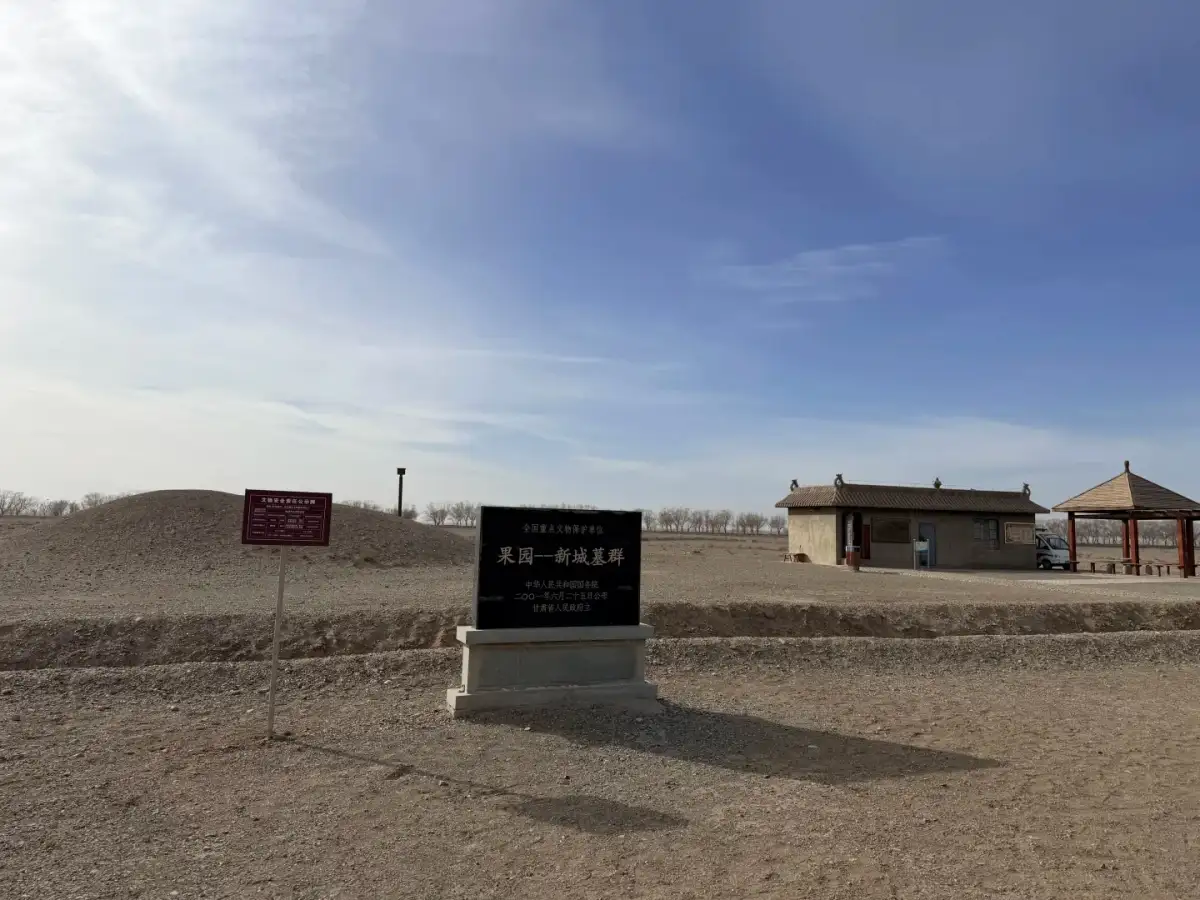
This record can be accompanied by a single photograph—provided photography is permitted—rather than trying to capture every scene on your phone. If photography is restricted on-site, summarize your observations in writing and continue your exploration through formal publications or official exhibitions. Respecting conservation measures does not hinder cultural enrichment; rather, it allows you to focus your attention on what you actually see, rather than constantly worrying about missing a shot.
reveal two different scales in a day at Jiayuguan.
If visiting the fortified city and the brick murals as part of the same tour, separate questions can be posed: for the fortified city, examine how space is organized; for the brick murals, examine how activities are depicted. Schedule a break between the two segments to allow the eyes to shift from grand, sweeping vistas to smaller-scale images. The tour sequence should be determined based on transportation and access conditions; avoid reducing both themes to brief stops for photos. Since the content differs, each deserves its own viewing rhythm.
When bringing family members along, you can ask each person to choose a familiar activity and describe it to the others. Children might start with the animals, adults with the tools or composition, and those interested can then add the formal historical context. Discussing a specific image together is more effective for maintaining engagement than having everyone listen to the entire history at the same time. The reward of this trip isn’t memorizing the most names, but being able to clearly explain what you’ve seen.
Shifting focus from a fortified city gate to a painted brick, the cultural scale of Jiayuguan changes. The ramparts and watchtowers illustrate geography and defense, while scenes of daily life convey expressions of people and their activities. By carefully interpreting different materials within their respective contexts, the Hexi Corridor becomes more than just a route through the landscape; it transforms into a place where one can continually gain insight into concrete daily life and art.
Source and Editorial Notes
They do not serve as proof of actual travel experiences or services provided by Dongxing Travel.
Jiayuguan Municipal Bureau of Culture and Tourism · Jiayuguan Cultural Heritage · Official materials; Verified/Compiled on: October 3, 2026.
Gansu Government Services Jiayuguan Tourism Section · Wei and Jin Dynasty Tomb Murals · Official materials; Verified/Compiled on: October 3, 2026.
Site, collection or reproduction?
In a Jiayuguan cultural itinerary, establish whether you will see the Jiayuguan Wei-Jin tombs, museum collections or reproductions of painted tomb bricks. Each offers a different context. Pairing the fortress with these images connects large defensive structures to representations of everyday life.
Start with the action
Ask what a figure is doing and which way the action moves, then examine how a few lines make it legible. Funerary images are not direct equivalents of contemporary life. Follow access and photography rules; if the site is closed, ask which exhibition can provide context.
Planning references