September 10, 2026 · Travel Diary
an entrance to the garden, nor is it necessarily the best panoramic view.
On a six-day Shanghai-Suzhou-Hangzhou itinerary, visit Suzhou’s Liu Yuan Garden after Shanghai, followed by Hanshan Temple and other attractions. For visitors experiencing Chinese gardens for the first time, the most common question is: “Where are the most iconic photo spots?” A more rewarding way to explore Liu Yuan is to view the entrance, corridors, courtyards, and subsequent turns as a connected whole. The field of view sometimes narrows and sometimes widens; the experience comes from movement, not just from a single fixed vantage point.
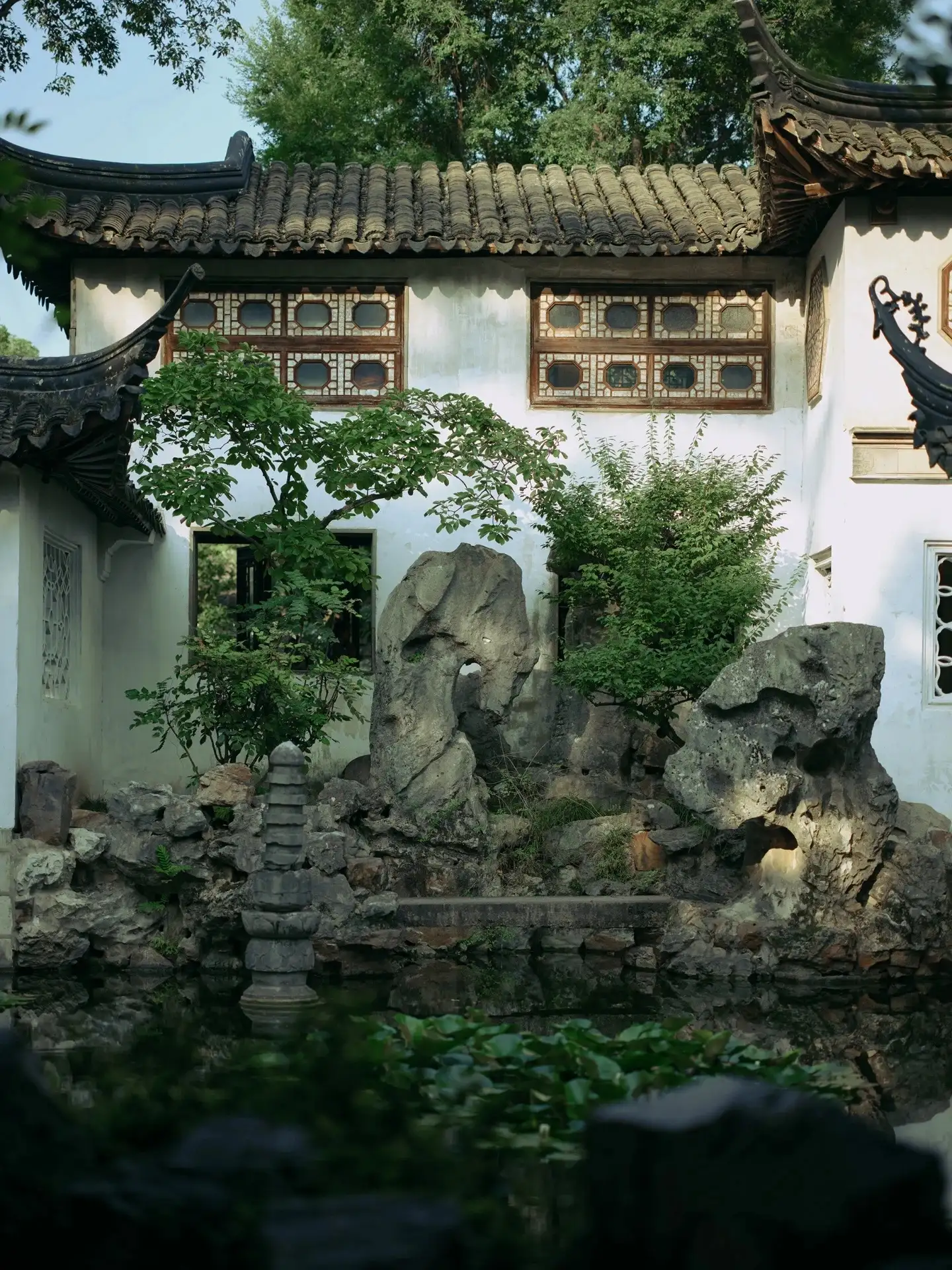
The window frames, arched doorways, trees, and rock arrangements in Lingering Garden provide easily understandable clues for first-time visitors. They are distributed at varying depths: windows are right before your eyes, trees and rocks are within the courtyard, while corridors and walls define even more distant boundaries. By beginning your observation with these visible details and combining them with the historical information provided in the official guide, the garden will gradually transform from a flat map into a space you can actually walk through.
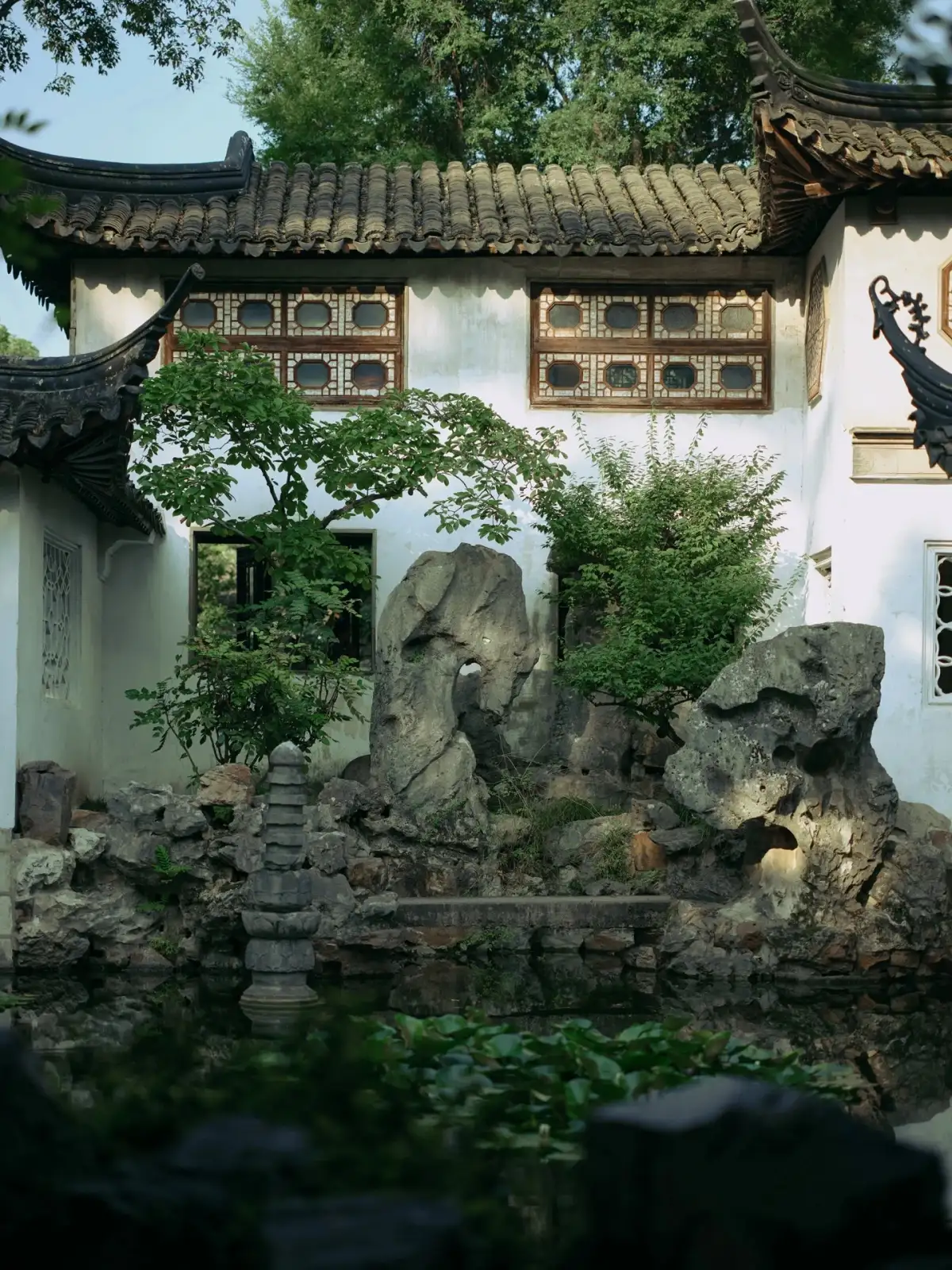
Stone features and wall windows in the courtyards of Liu Garden.
Start by choosing a window and see how it frames the scene behind it
When facing a lattice window or arched doorway, take a slight step back to simultaneously observe the shape of the frame and the trees, rocks, and buildings behind it. Then move a little to the side and observe how the previously obscured parts reappear. You’ll discover that a window isn’t merely a decorative element—it also provides boundaries and direction to your view. There’s no need to photograph every window; selecting a few with different designs is enough to make a small comparison.
in the corridors; light shifts depending on the roof and openings. On sunny days, you can see the boundary between light and shadow, while on cloudy days, it’s easier to discern subtle color variations in the materials. Seasons change the state of the plants, but the relationship between the corridors and courtyards remains clear. Don’t turn your entire visit into a long wait just to replicate the slanting light in a particular photograph; the weather you’re experiencing right now also calls for its own way of viewing.
just a bamboo window or a round archway
In this photo of a wooden window at Lingering Garden, the frame does not block the entire view but leaves an opening through which bamboo can be seen. The wood tones, bamboo leaves, and white walls are clearly distinguished, making the plants outside appear closer as a result. While photos can help illustrate the concept of framing a view, you can still ask yourself questions on-site: If you take a step forward, what would the bamboo outside the window block, and how much of the corridor behind you would be revealed?
A circular arched doorway offers another kind of visual boundary. The path in front of the doorway draws your gaze toward its center, and once you pass through, you’ll see trees, rocks, and a new space. The experience of walking toward it is not the same as standing still to take a photo of it. By moving slowly and glancing back at the right moments, you’ll discover how the garden unfolds a limited space into a continuous series of transformations—which is precisely why it’s worth taking the time to stroll through Liu Yuan.
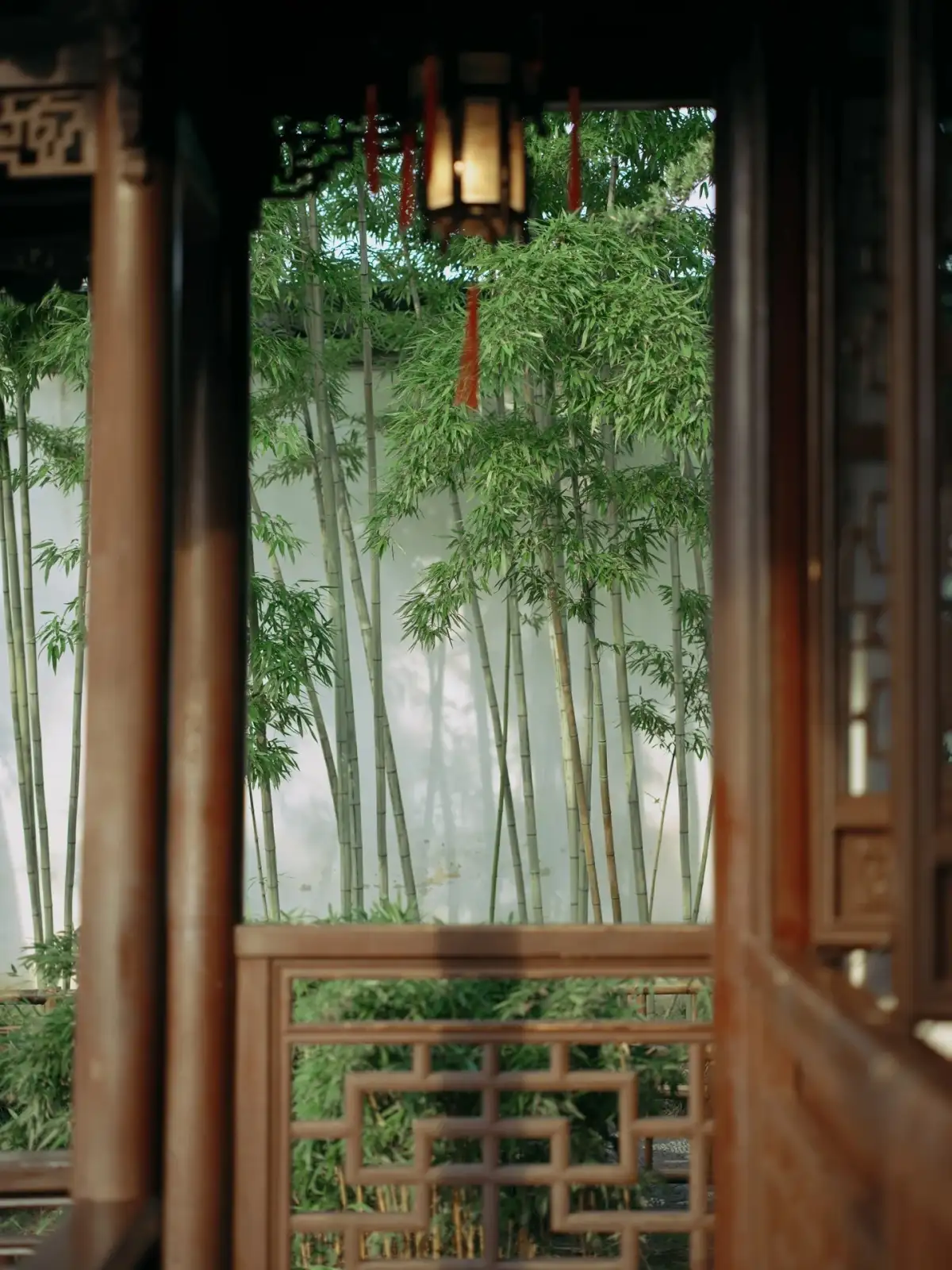
Shadows of bamboo outside the wooden windows of Liu Garden.
The trees and rocks in the courtyard—viewed within the context of the architecture
Trees and rock arrangements are not isolated elements. Together with the scale of walls, window openings, and the ground, they form the courtyard: a single tree can obscure half a facade, while a rock arrangement might make the space beyond appear and disappear. By first observing the overall composition and then examining the textures and details, it becomes easier to understand the garden’s layout than by simply taking a series of photos of a single stone.
If you’d like a guided tour, ask specific questions: Why does this courtyard feel different from the previous space? How do the doors and windows guide the gaze? How do the architecture and plants complement each other? Rather than trying to memorize a large number of names all at once, these questions make it easier for companions without a background in garden design to participate. When encountering a crowded path, continue walking until you reach a wider section, then observe once there is space—so as not to obstruct others while trying to capture the entire composition.
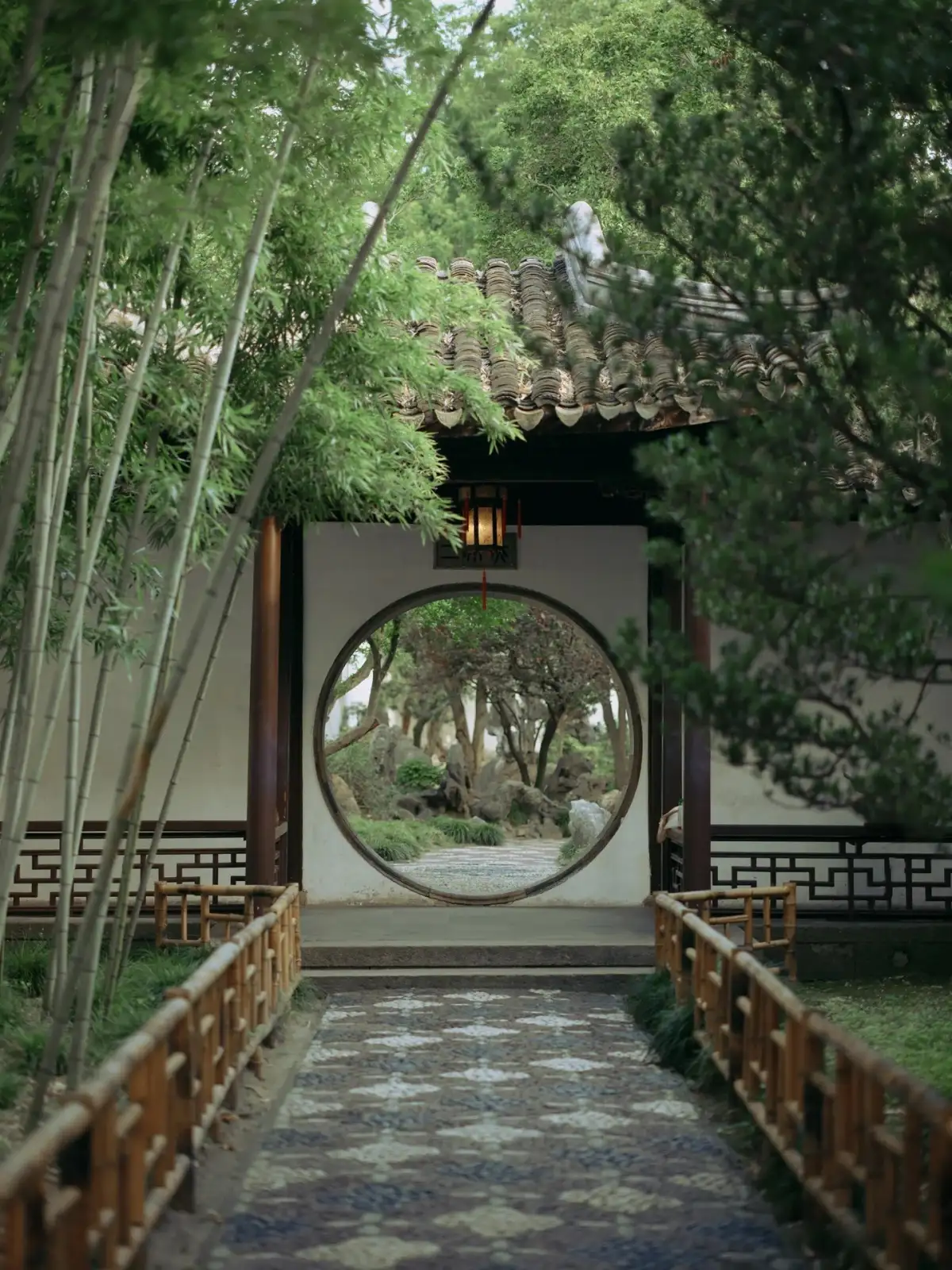
The corridors and circular arched doorways of the Liu Garden.
The quality of half a day lies in how many moments you truly understand
Since there are other sites in the Suzhou section, your visit to Liu Yuan should be planned in conjunction with meals and transportation. Architecture enthusiasts can make this the highlight of the day and reduce the amount of repetitive content later on; those who prefer to balance temple and urban scenery can select a few representative courtyards and corridors, rather than visiting every single one listed. The specific scope and duration of the tour will be determined by the day’s schedule.
Before leaving the garden, select one photo of a gate, one of a window, and one of a courtyard, and try to explain why they are different. This simple review can transform the spaces you’ve just seen into memories. Afterward, whether visiting tea gardens in Hangzhou or neighborhoods in Shanghai, you’ll find it easier to notice how architecture organizes people and scenery. Thus, the Lingyun Garden becomes more than just a sightseeing spot during a six-day trip through Shanghai, Suzhou, and Hangzhou; it becomes a visual exercise for understanding the Jiangnan region.
Related Itineraries and Reference Sources
Shanghai, Suzhou, and Hangzhou: 6 Days, 5 Nights · View Itinerary
Compiled by the Dongxing Travel Editorial Department based on itinerary materials and publicly available travel journals for pre-trip reading; accompanying images are landscape references from the source journals. The specific itinerary will be confirmed by a consultant based on travel dates and actual conditions.