
Suzhou’s garden design
Look at framed openings, winding paths and borrowed views to see how a small site creates surprising visual depth.
A deeper China. A journey of your own.
Slow down between cities, waterways and gardens.
Plan my trip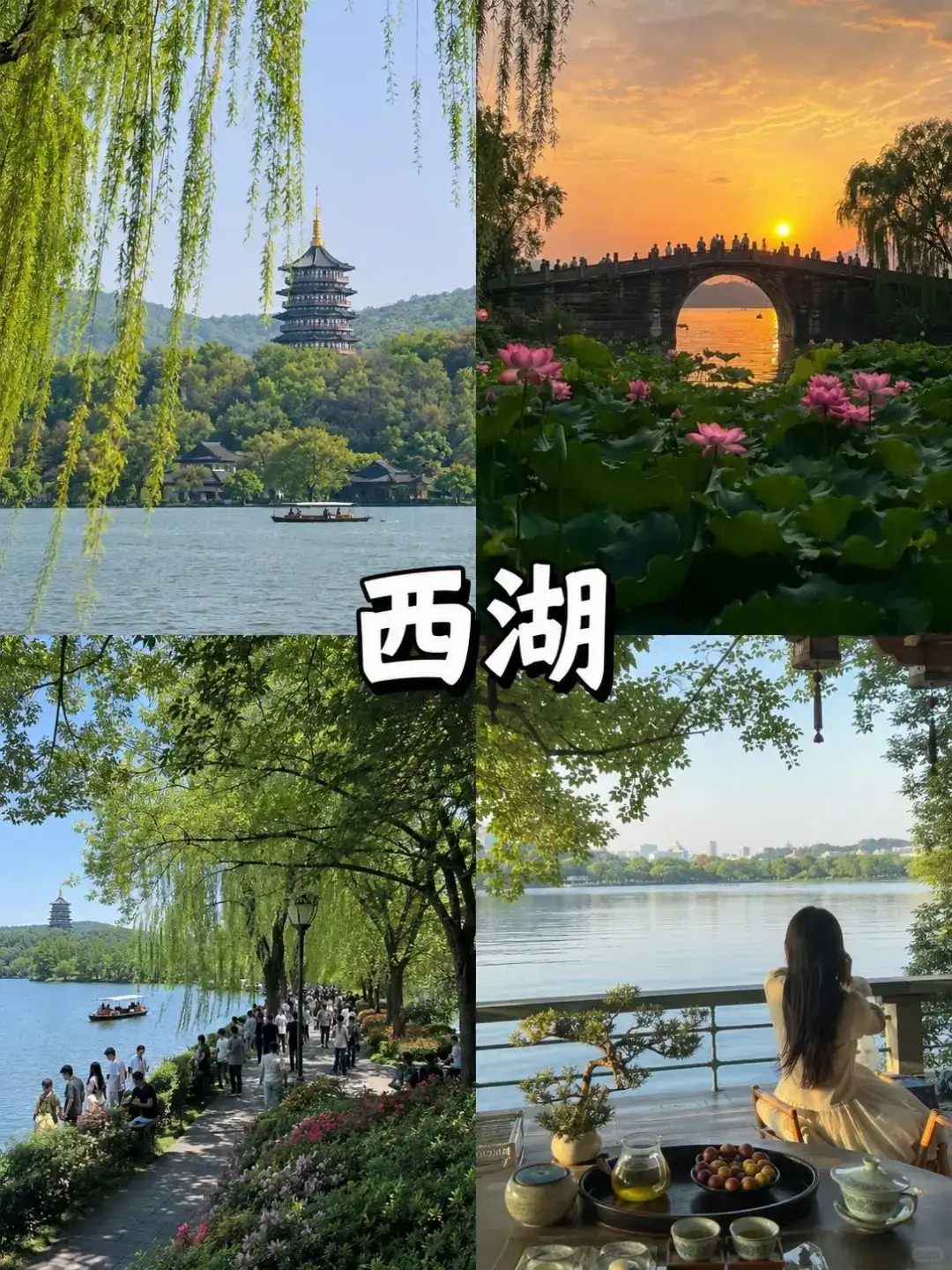
“Jiangnan” names a broad cultural landscape south of the Yangtze, not one attraction that can be visited in an afternoon. Suzhou’s gardens, canals and lanes, Hangzhou’s relationship with its lake and hills, and the region’s water towns express different ways people have shaped homes and public space around water. Begin with one city as a base and add one well-chosen extension instead of changing towns each day. UNESCO recognizes Suzhou’s classical gardens for their refined ability to evoke natural scenery in small spaces. Their paths, framed windows and borrowed views reward slow looking: the same scene changes as you take a few steps. Canals and old streets also remain places of residence and commerce, not empty heritage displays. One water town is enough to understand how bridges, waterways and houses fit together; collecting many similar bridges can flatten those differences. Seasons matter. Summer can be humid and wet, while holiday crowds alter the feel of narrow lanes and popular gardens. Check reservations and boat operations for each place separately. High-speed trains simplify intercity travel, but the timetable’s short rail segment excludes station transfers, waiting and local movement. A journey that looks close on a map still deserves a substantial part of a day.
Look at framed openings, winding paths and borrowed views to see how a small site creates surprising visual depth.
Follow public riversides and notice the relation among bridges, houses, former landing points and today’s shops and residents.
If adding Hangzhou, explore how lake, hills and urban streets meet rather than expecting another version of a Suzhou garden.
Pick a town that fits your route and stay long enough to see its street pattern, while respecting residential privacy.

After one garden, walk a nearby public lane and compare deliberately composed scenery with the surrounding urban fabric.

Walk a continuous public canal route and notice how bridges shape access to markets and homes instead of collecting near-identical bridge photographs.
Study one or two gardens, then explore nearby public canals and streets rather than adding several distant towns.
Choose Hangzhou’s lakefront or one water town as a separate substantial stop, not a rushed transfer-day photograph.
Choose the location and style of stay around the final route, your companions and availability.

Travel from Hangzhou to Wuzhen, Nanxun, Xitang, and Suzhou, taking your time over five days to explore the waterways, gardens, and lakes of these ancient towns in Jiangnan.
Explore this journeyShanghai’s cityscapes, Suzhou’s gardens, Hangzhou’s lakes, and Wuzhen’s water alleys—six days that weave together the diverse charms of Jiangnan.
Explore this journeyInclude station access, waiting and onward local transport when planning between cities; a stable overnight base reduces friction.
Popular gardens, museums and town activities may change their entry systems. Check each official notice.
Carry clothing suited to humidity and rain, and leave space to move through narrow streets without blocking residents.
One carefully selected town is usually enough to understand the water-lane pattern; use the rest of the time to compare city, garden and town.
Choose for your main interests, arrival point and easier consecutive nights; the train link still uses travel time.
Travel Interpretation
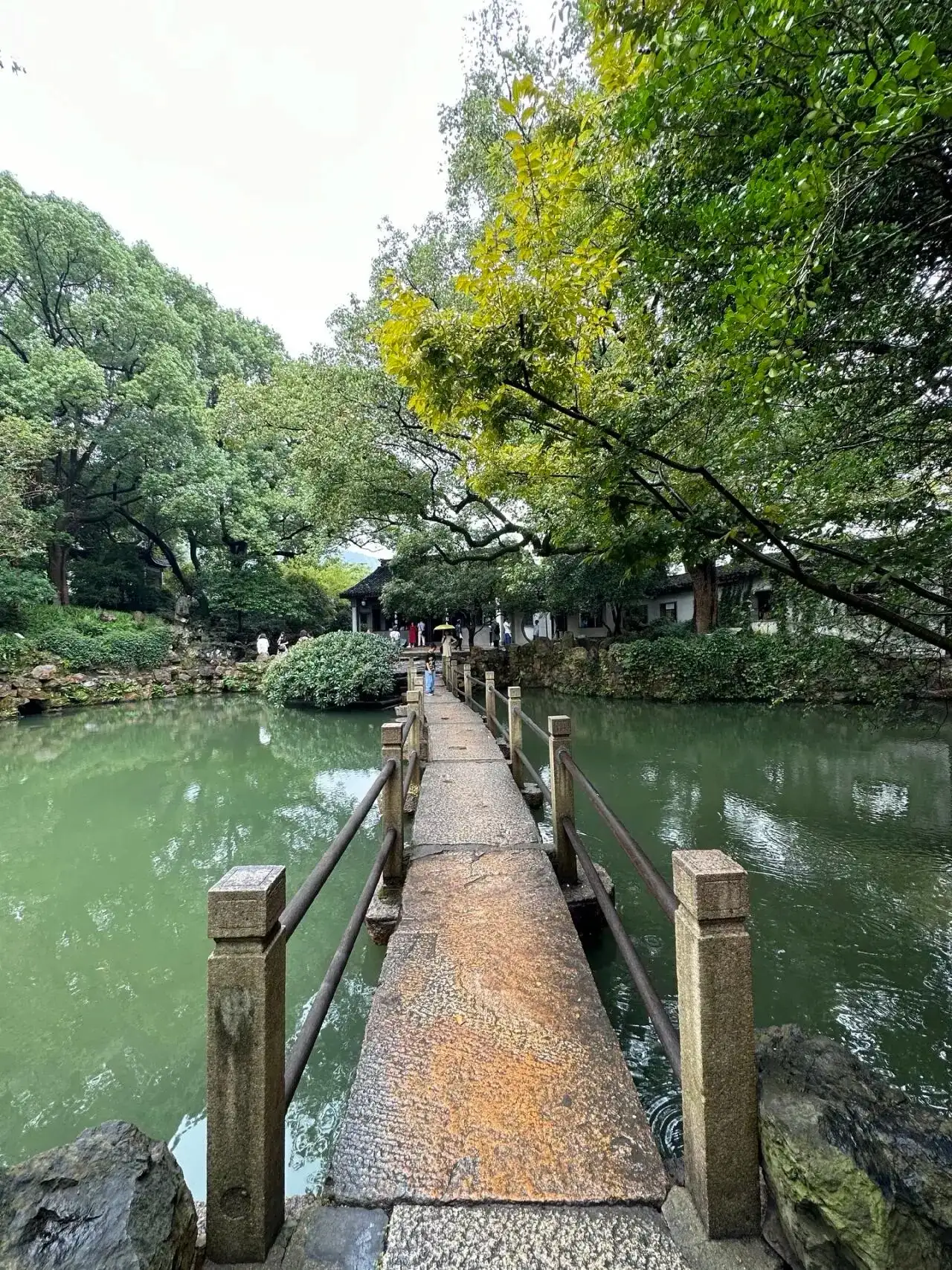
interpret Wuxi’s Jichang Garden through the lens of “borrowing scenery,” the relationship between the Eight Sounds Ravine, and the mountain pond. Explain how the tower’s silhouette, distant mountains, and nearby water organize the line of sight, and suggest different ways of observing the garden for travelers with limited time, photographic capabilities, and physical stamina.
Read the journal →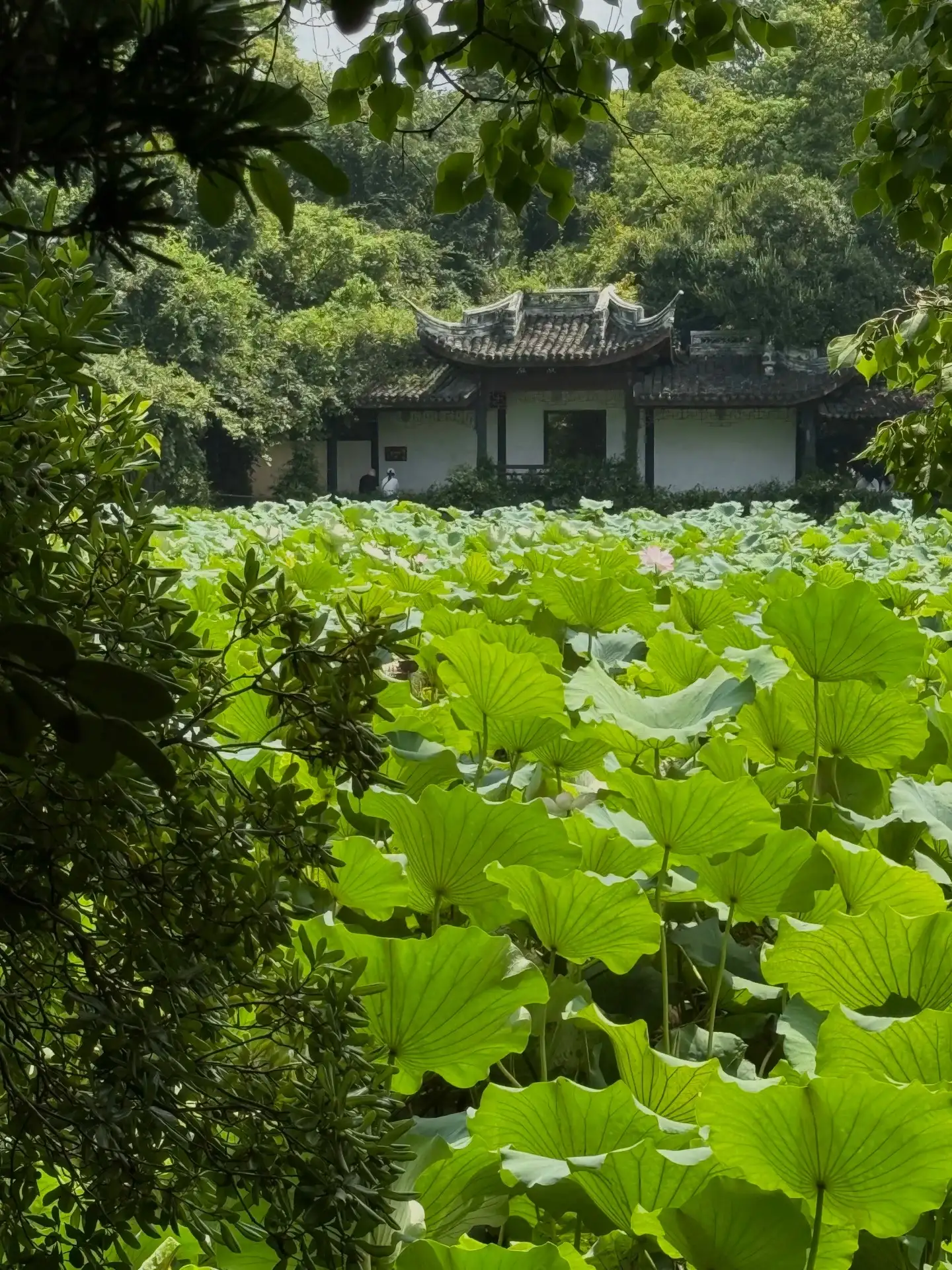
Travel Interpretation
Explore the commercial connections of Jili Huzhou Silk by visiting the Xiaolianzhuang and Jiaye Hall libraries. By bringing together the history of the gardens, the book collections, and the donations, explain how the ancient town’s cultural route has a central thread and how visitors can move from the architectural scale to an appreciation of the labor involved in preserving ancient texts.
Read the journal →
Travel Insights
distinguish between the registration procedures for hotels and accommodations other than hotels, explain the 24-hour rule after check-in, and outline the nationwide online processing channels for 2026. Organize address and check-in information based on scenarios such as moving to a new city, visiting relatives, and traveling in a group.
Read the journal →
Start with your interests, available time and the right combination of places.

Plan by region and interest, rather than choosing one season for the whole country.

Meet local life with curiosity, consideration and an open mind.

FROM INSPIRATION TO YOUR JOURNEY
A place you dream of. A journey shaped around you.
Plan my trip