Eastbound Travel Editorial Department · Travel Diaries and Pre-trip Reading
On your first day in Kaifeng, you can dedicate it entirely to exploring the city walls.
Kaifeng can easily make your travel plans extend longer than expected: Song Dynasty culture, temples, city walls, lakes, alleys, and food—each holds its own appeal. For a first-time visit, it’s best to set aside a full day within the city, focusing on one historical site and a few leisurely walks. Spend the morning in the Longting area to understand the relationship between the lake and the city; in the afternoon, choose two locations—such as Shuanglong Alley, Bookstore Street, or the area around Xiangguo Temple—based on accessibility and transportation; and plan dinner for the evening. With this approach, the focus isn’t on checking items off a list, but on understanding how an ancient capital continues to thrive.
When choosing accommodations and transportation, first check the locations of your hotel and the day’s starting and ending points. Since different stations in Kaifeng are located in various parts of the city, you’ll need to transfer between them; therefore, don’t include an immediate walking tour of the ancient city upon arrival in a tight schedule. If you have limited time on the day of arrival, focus on exploring a single neighborhood and enjoying a meal, and save temples or exhibitions that require more in-depth exploration for the next day. For international visitors, clear Chinese place names and offline maps can reduce the time spent navigating and make it easier to ask for directions or arrange transportation.
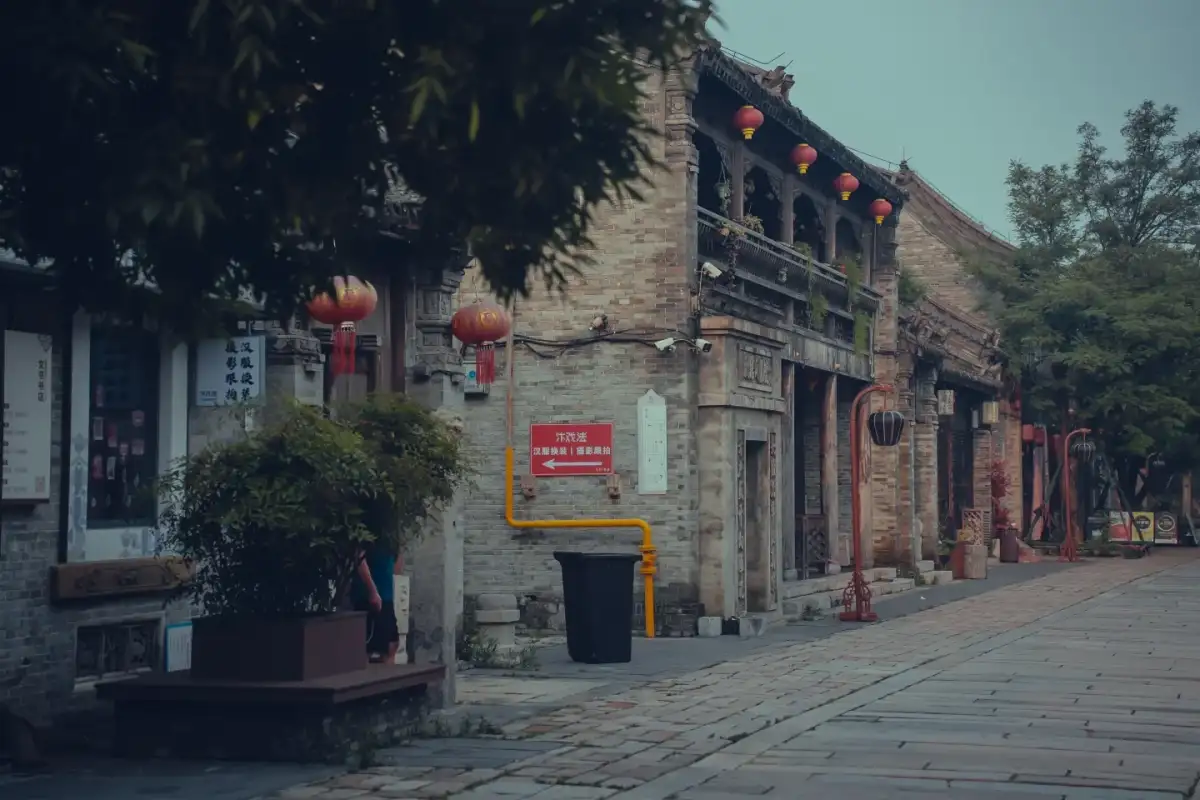
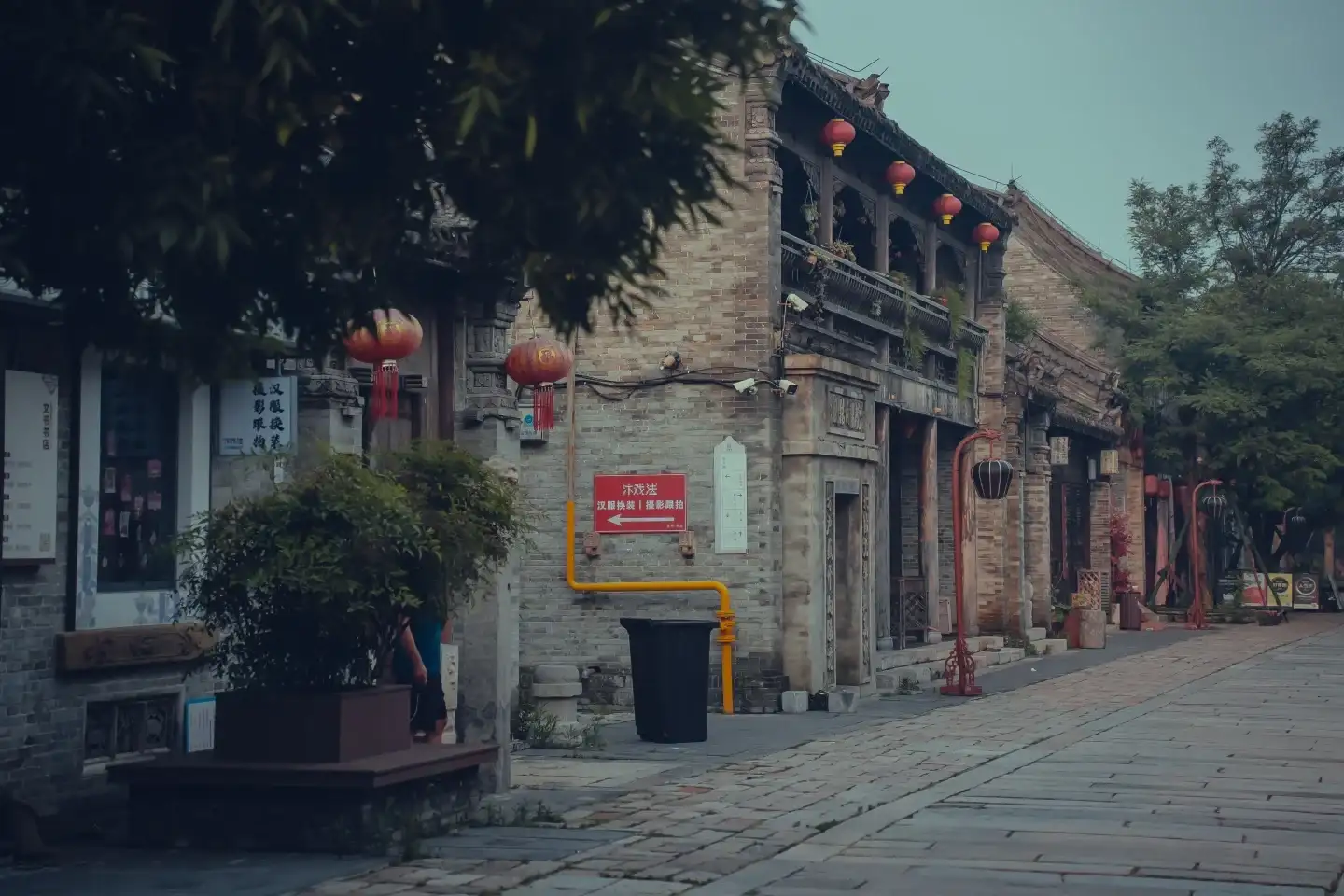
Brick-walled townhouses, lanterns, and cobblestone streets in Shuanglong Alley, Kaifeng. .
Memories of the Song capital are not limited to a single, intact Song-dynasty city.
Kaifeng’s appeal lies in its layered history, not in the fact that every visible building retains its original Song Dynasty appearance. The city has undergone construction and changes across different eras; underground relics, later-era architecture, preserved and renovated neighborhoods, and contemporary daily life collectively make up the city’s visual narrative. Municipal government materials on the protection of historic and cultural cities emphasize the “city-within-a-city” structure, the layout of the ancient city, and its cultural resources. Approaching the streets with this understanding offers a more accurate perspective than simply labeling every building with an antique feel as a millennia-old original.
Before visiting a site, it’s helpful to familiarize yourself with two key points: its original function and the historical period represented by its current architecture and exhibits. This subtle distinction won’t diminish the joy of travel; rather, it allows you to see how the city interprets and presents its past. When encountering venues, themed spaces, or events showcasing Song Dynasty culture, enjoy the content while keeping the modern presentation distinct from the archaeological remains. An ancient capital doesn’t need every brick to come from the same era; how history is preserved, narrated, and put to continued use is, in itself, a story worth observing.
Start by the lake, letting the city’s outline gradually come into view
The lakeside area around Longting Pavilion is ideal for kicking off the morning. The expanse of water provides a sense of distance from the rooftops and trees, allowing newly arrived visitors to slow down and acclimate. Take a short walk along the accessible lakeshore, taking in the layers of the nearby railings, tree shadows, and distant buildings, before deciding whether to enter areas that require tickets or reservations. By planning your public walk and scenic area visits separately, you can adjust your itinerary based on your energy levels and interests that day, rather than feeling obligated to complete the entire itinerary just because you’ve made it to the lake.
Viewing the lake from the shore can be quite specific: when the wind creates ripples on the water’s surface, the reflections scatter; when the water is calmer, the outlines of buildings are easier to make out. Morning light differs from afternoon light, and vegetation changes with the seasons—a photograph is merely a snapshot of the lighting at a single moment. Spending ten or so minutes observing these changes first, before delving into the city’s history, provides a visual reference for the text that follows. If you’re traveling with children or someone who needs a break, choose a short section that’s easy to return from, making the first stop a time to stretch your legs and get your bearings.
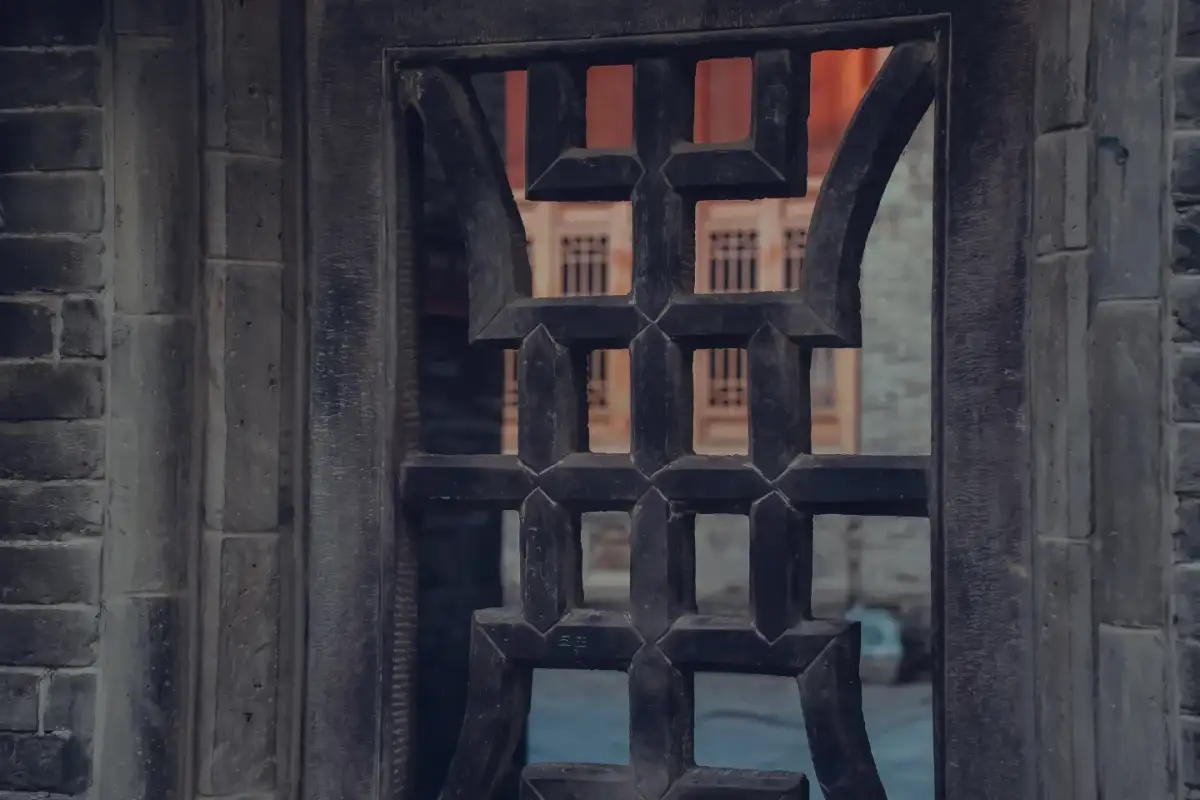
The latticework on the doors and windows of Shuanglong Alley in Kaifeng, with courtyards in the background.
Shuanglong Alley: Exploring the Relationship Between Courtyard Gates and the Street
Shuanglong Alley serves as a segment for observing the neighborhood, with a focus on how courtyard gates, walls, and streets connect. First, observe the steps in front of a gate and the width of the street; then, examine the relationships within the courtyard that can be legally observed from inside the gate. Compared to grand palaces or temples, the alleys bring history back to a scale closer to everyday life. The continuous arrangement of houses, the spaces for pausing at entrances, and the sightlines at street corners all reveal how people moved through this space—rather than merely indicating which dynasty a particular architectural style belongs to.
Preservation and renewal efforts can alter the use of a neighborhood, resulting in a mix of traditional facades, restored sections, and new businesses. Reading on-site explanations helps distinguish between these different elements. You can choose to stop at one or two cultural exhibits open to the public, while observing other courtyards primarily from the outside to respect the actual occupants. When taking photos, capture a length of the street—this better conveys the character of the place than framing each shot with just a single doorway. If pedestrians are visible in the distance, they help establish a sense of scale; there’s no need to turn the street into a deserted stage for travelers.
The name “Bookstore Street” is a fitting introduction to a passage of text.
Once you reach the area near Bookstore Street, shift your focus to the signs, printed materials, and ordinary storefronts. While the name evokes books and writing, when actually traveling there, you should check what businesses are currently open and what they offer, rather than assuming the entire street is lined with antique bookstores. If you come across a suitable bookstore, cultural and creative shop, or cultural exhibition, pick an item with a description you can understand and read it at your leisure. A concise illustrated guidebook about Kaifeng can sometimes be more helpful in organizing your impressions of the city than buying a string of souvenirs.
Visitors who don’t read Chinese can still begin by observing the typography, layout, and storefronts. How horizontal and vertical writing appear on different signs, and how traditional lettering and modern signage coexist on a single wall, are all part of the city’s visual landscape. Translation tools can be used to identify shop names and the purposes of objects, but one should not draw historical conclusions based solely on a single translated phrase. By comparing this area with the courtyard neighborhoods you’ve just walked through, you’ll discover that the same city encompasses both the intimate scale of family life and spaces for commerce and social interaction. Walking thus takes on a new theme, rather than simply switching to another street to continue taking the same photos.
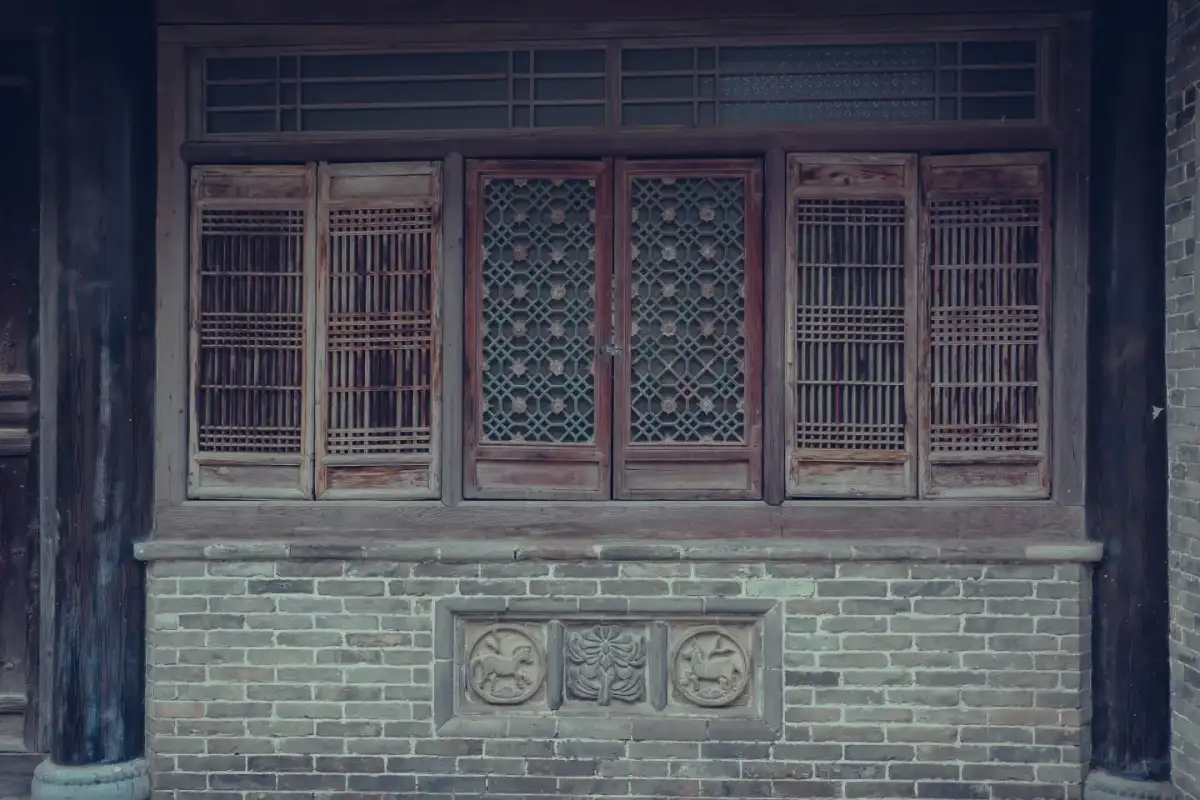
Wooden windows and carved brickwork at the base of a building in Shuanglong Alley, Kaifeng.
In the temples, religious spaces connect with urban life
If you include the Great Xiangguo Temple in your same-day itinerary, it’s best to set aside a separate block of time for it. First, explore the main areas—such as the Hall of the Four Heavenly Kings, the Great Buddha Hall, and the Octagonal Glazed-Tile Hall—based on the current opening schedule, then choose one area to examine in detail. Official sources in Henan highlight the four-sided wooden carving of the Thousand-Handed, Thousand-Eyed Guanyin inside the Octagonal Glazed Hall as a significant work of art; when viewing it, pay attention to the multi-faceted form, the arrangement of the arms, and the intricate details of the carving, allowing the temple’s cultural heritage to transform from mere names into tangible works of art. The specific areas open to the public are subject to on-site arrangements.
The temple’s current layout is the result of later reconstructions, so not all of today’s structures can be directly attributed to the original Song Dynasty. For those unfamiliar with Buddhist traditions, it’s best to start by appreciating the art and architecture, then supplement your understanding of the religious functions and urban history through exhibition labels and guided tours. As the temple is still actively used for worship and public access, please respect the designated boundaries and photography rules while visiting. After the tour, as you walk back onto the street and reflect on the halls and wood carvings you just saw, you’ll find it easier to understand why Daxiangguo Temple holds its own place on Kaifeng’s cultural itinerary than if you’d only taken a photo at the entrance.
A single meal—grounding the experience of the ancient capital in the body
After a half-day of walking, sitting down for a meal is an integral part of the itinerary. Kaifeng’s xiaolong soup dumplings and sweet-and-sour carp with fried noodles are dishes that reflect local traditional culinary techniques. Start with a serving of xiaolongbao or a dish suitable for sharing with companions, and observe how the dough, broth, and thin noodles offer distinct textures; Choose specific ingredients, flavors, and dining environments based on your own preferences. You can select just one or two dishes you’re curious about, adjusting the portion sizes to match the number of people in your party—there’s no need to fill the table just to check off every item on a food list. For those with allergies or special dietary needs, writing a clear explanation in Chinese in advance and asking about specific ingredients and preparation methods is more helpful than simply looking at photos on the menu.
You can continue exploring the city even while dining. Observe how the restaurant faces the street, how the seating and kitchen are arranged, and how the flow of people moves during mealtimes—this way, food becomes more than just an isolated concept. Don’t mistake the length of a line for a guarantee of quality, nor rely on social media posts to confirm current prices. If you plan to visit a market or food stall area that’s open in the evening, rest first, then head there based on its actual location and operating hours. Lunch and dinner can have different themes: reserve the daytime for cultural sites, and let the city’s daily rhythm unfold naturally in the evening.
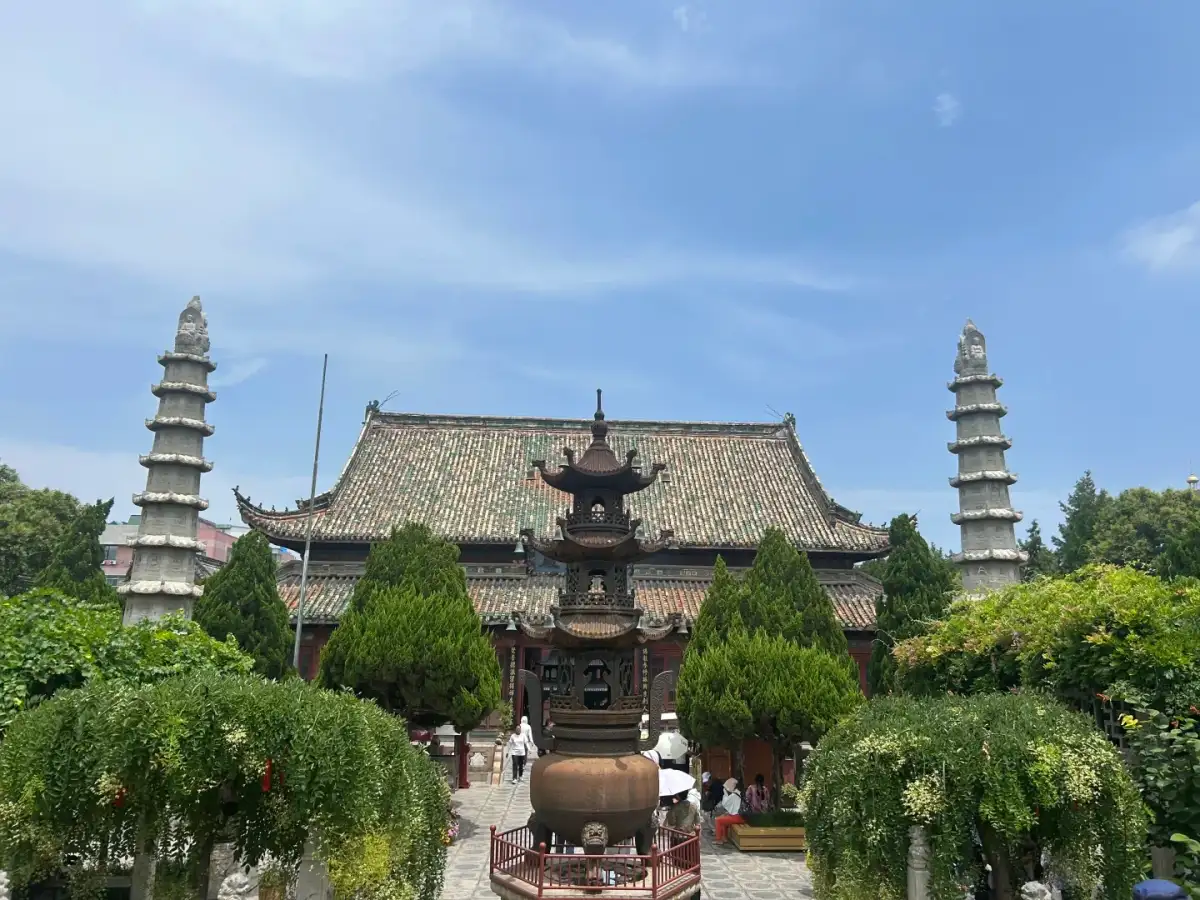
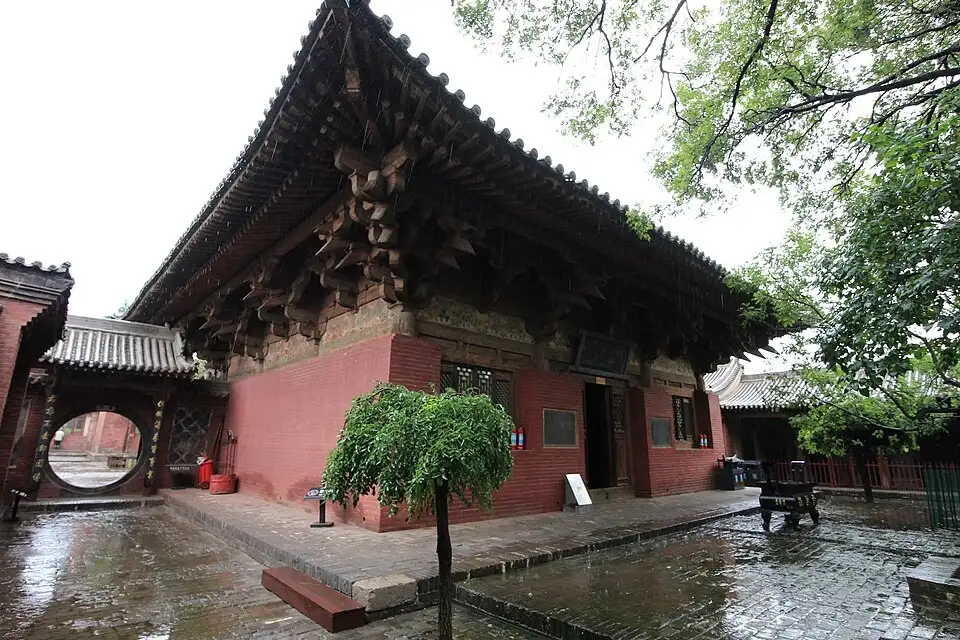
The halls, incense burners, and courtyard plants at Daxiangguo Temple in Kaifeng, with some background tourists in the distance.
Choose optional activities and set a clear focus for each day
If you have an extra day, you can choose one activity based on your interests from museums, the city walls, or other cultural venues confirmed to be open. History buffs can spend more time exploring exhibitions; those who enjoy walking can plan a suitable route along the city walls or through a neighborhood; and if traveling with children, choose activities that allow for more flexible timing. Themed attractions or performances can also be scheduled separately if they align with your interests, but be sure to understand how they portray history—and avoid mistaking staged scenes for authentic historical artifacts.
A one-day itinerary isn’t suitable for including all these optional activities. Choose the question you’re most curious about, and that will guide your next steps: if you want to know what the underground ruins look like, look for exhibits on archaeology and urban history; if you want to understand life in the alleys, set aside more time for a leisurely stroll. Confirm reservations, session times, and return transportation based on your travel dates, rather than relying on fixed schedules from outdated travel guides. Narrow your choices down to one or two actionable items—this will make your trip more fulfilling than constantly adding new places you’ve heard of, and it will also better accommodate the varying interests of your travel companions.
After dinner, set aside one street to wrap up the day.
As the day draws to a close, plan a short walk near your accommodation—perhaps along Bookstore Street or in another convenient part of the city center. The inscriptions and shopfronts you’ve explored during the day take on a different character when illuminated at night; the crowds of people shopping and dining bring the ancient capital’s legacy back to life in the present. If your travel companions are tired, simply call it a day and have dinner and rest near the hotel. The lakeside, courtyard gates, wooden carvings at temples, and a meal of local fare are enough to make for a rich and fulfilling day—there’s no need to add many more distant attractions.
For those staying another night in Kaifeng, set aside the second day for the theme you’d most like to explore further: urban history exhibits, literary exploration, or a new neighborhood walk. If departing that day, double-check the actual station and pickup location in advance, and schedule your final cultural stop at a location that’s easy to wrap up from. The appeal of the Song capital doesn’t require every building to retain its Song-dynasty appearance. After carefully reading the explanatory notes and then venturing into the ordinary streets, you’ll discover that different levels of urban preservation and renewal coexist; leaving in this way, Kaifeng will reveal a more concrete image than a mere impression of ancient charm.
Further Reading and References
Compiled and organized by the Eastbound Travel Editorial Department based on publicly available travel notes and listed information. Intended for pre-trip reading; this is not a personal travelogue. Please verify opening hours, transportation, reservations, and service arrangements based on your actual travel dates.
Kaifeng Municipal Government: List of Protected Historic and Cultural Cities
Henan Provincial Government Portal: Daxiangguo Temple in Kaifeng
Kaifeng Municipal Local Standard: Traditional Food Production Techniques
Give the walk a question
Shape a Kaifeng old city walk around a question: study doorways and streets in Shuanglong Lane, writing and commerce on Shudian Street, or the city outline by the lake. Two themes with lunch can make a complete visit without adding every temple or performance.
Read dates as well as appearances
Distinguish surviving heritage, renewed streets and commercial presentation. A traditional facade does not establish a Song-dynasty date. Read the stated age and use of buildings. If staying for food after dark, check current operation and transport independently.
Planning references