East Travel Editorial Department · Travel Diaries and Pre-Trip Reading
Set aside an afternoon by the river for this pavilion
It’s easy to plan a quick stop at Tengwang Pavilion just to snap a photo at the entrance, but another approach is to set aside an entire afternoon for it and save the final part of the day for the Gan River. Start by viewing the main building and surrounding structures within the park, then enter the exhibition halls. Choose a floor open to the public that suits your stamina to ascend, and finally return to ground level for a stroll along the park paths or the public riverbank outside the scenic area. These three parts of the visit each answer different questions: how the pavilion was rebuilt, what views of the city can be seen from above, and how the river within the city is utilized by its residents. If your main goal for the day is to see the night view, you can enter later in the evening, but be sure to check the specific times for park entry, tower access, and the performance in advance—don’t assume that just because the lights are on, the tower is still open for exploration. Nanchang’s hot and humid weather can affect the experience of climbing the tower continuously; it’s better to eat a light meal and bring water before entering the park than to find yourself out of energy halfway up the stairs. When the entrance is crowded, there’s no need to immediately join the line for photos—the building offers many other angles worth viewing.
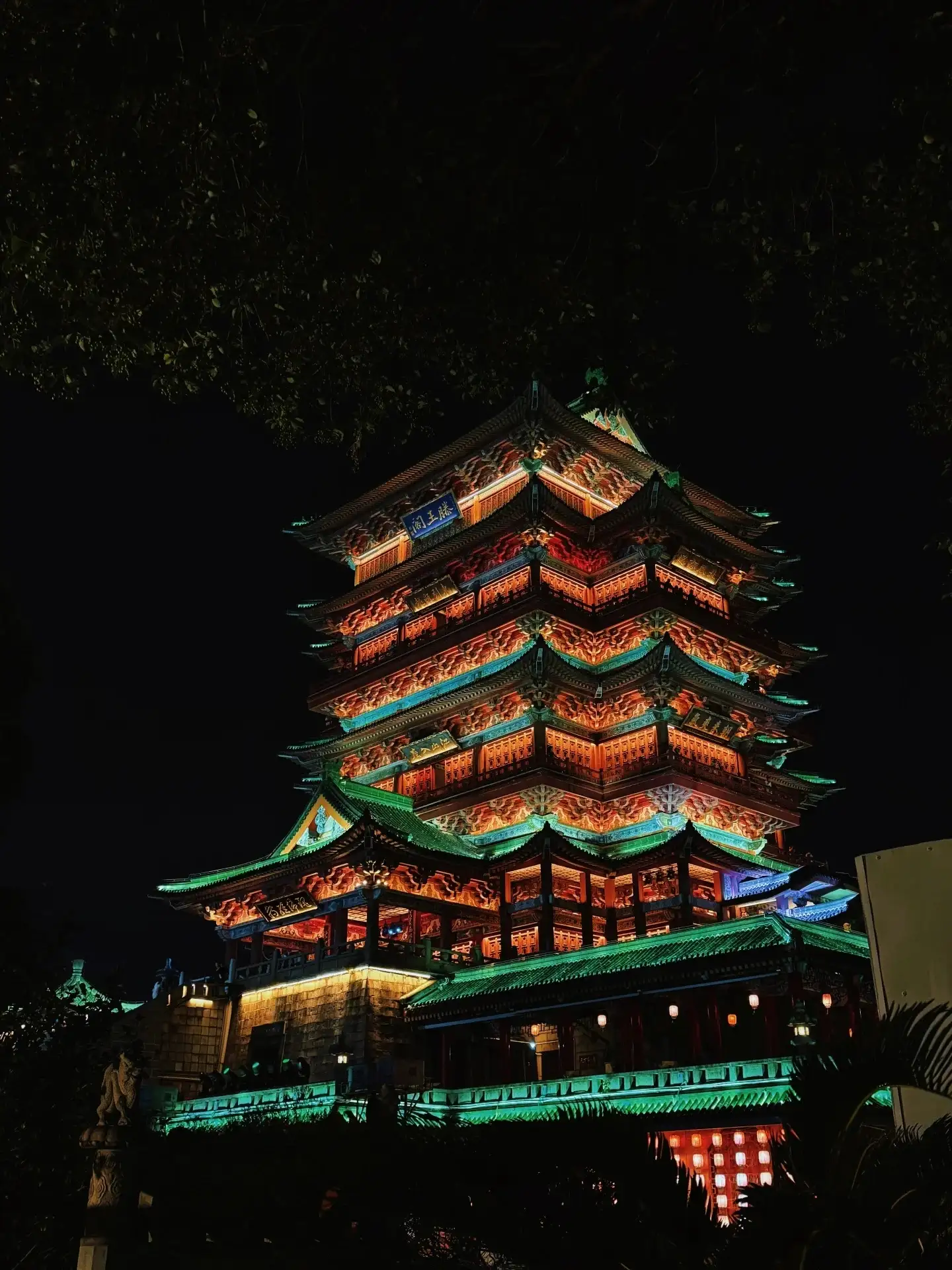
Night view of the main building of Tengwang Pavilion. the Artist.
How is this building connected to the Tang Dynasty?
The name “Tengwang Pavilion” is associated with the Tang Dynasty, yet the main building we see today is a modern reconstruction. According to information provided by the Nanchang Municipal Government, the current building was rebuilt in 1989. The design drew upon the sketches of Liang Sicheng and Mo Zongjiang, as well as traditional architectural references, and adopted a Song-style architectural form. Knowing this adds another layer of depth to the visit: the continuity of the cultural name, the repeated cycles of rise and fall of the historic pavilion, and the age of the building before us are three distinct issues. Do not assume that every detail—from the roof tiles to the painted decorations or the balustrades—has been preserved from the Tang Dynasty, nor should you overlook the structure simply because it is a reconstruction. Take a moment in front of the display panels detailing the reconstruction process to see how the designers reimagined the pavilion using images and historical documents. For visitors from other countries, the city’s approach to reconstructing historical sites is in itself a cultural practice worthy of discussion. It transforms literary memory into a space that can be entered and climbed, and allows this pavilion to once again become part of modern Nanchang’s urban landscape.
First, look at the eaves; then, look at the base.
When observing the building from the front of the main hall, your gaze is naturally drawn upward by the layered eaves. If you lower your gaze slightly, you’ll notice that the towering plinth and staircase also define the building’s posture. The extension of the eaves, the upward curve at the corners, and the arrangement of columns and window panes all flow seamlessly together with the path leading to the entrance from the ground. Don’t just count the number of roof levels visible in the photos; the relationship between the exterior and the interior floor plan can be confirmed on the building’s floor plan inside. As you walk around to the side, the relative positions of the main building and the annexes will shift, and the city’s high-rises in the distance will occasionally appear in the background. These modern buildings aren’t going anywhere, so when viewing the site, consider them as part of what defines Nanchang today. If you want to take a clear photo of the main building, find a spot that doesn’t block the walkway and wait until the foot traffic has eased. The railings and carvings on either side of the stone steps are worth a closer look, but do not lean on unstable edges—especially when the ground is wet and slippery after rain. Watch your step before looking up at the eaves.
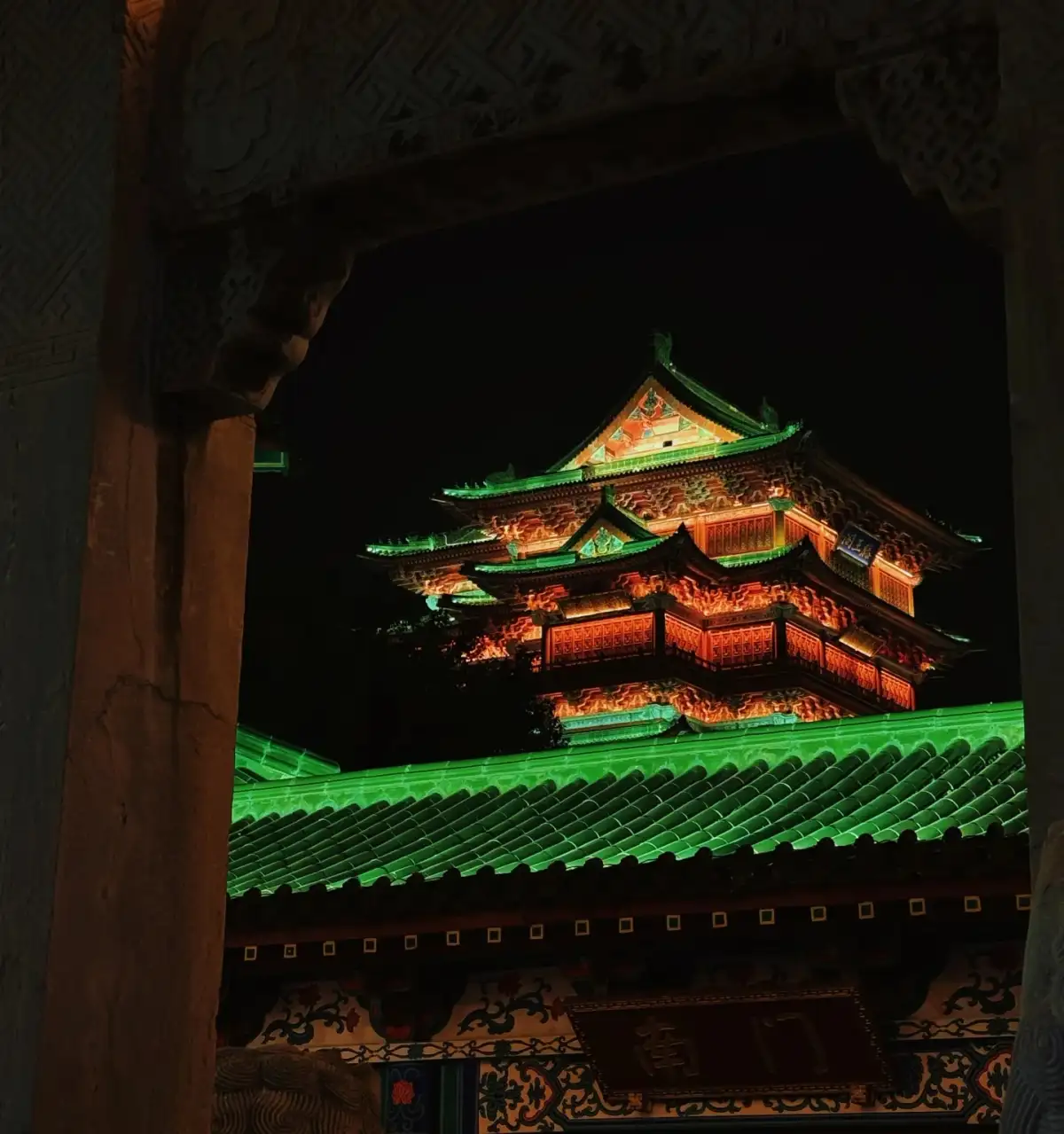
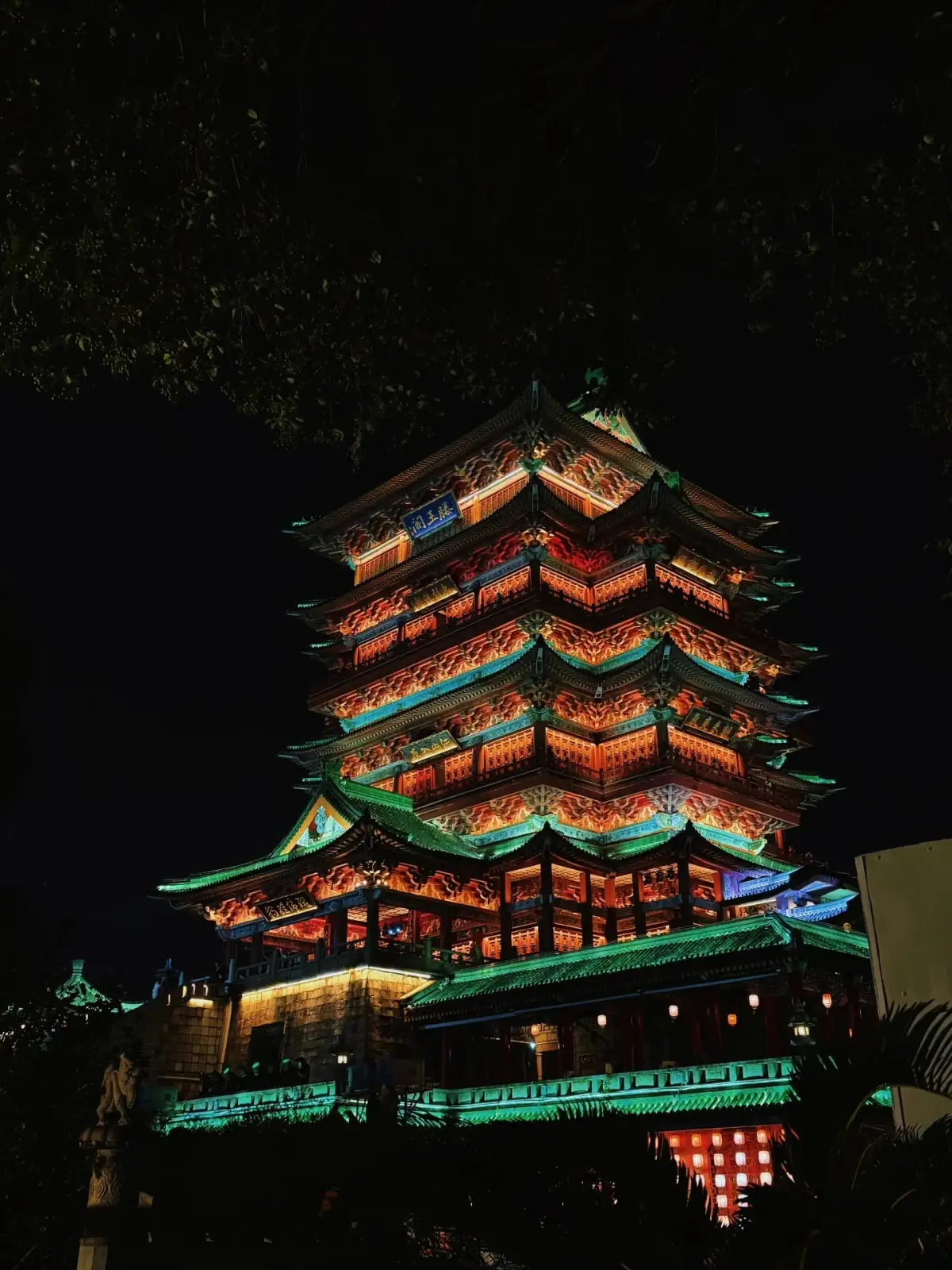
Night view of Tengwang Pavilion’s eaves and main building. the Artist.
You don’t have to move at the same pace on every floor inside the building
Before going up the tower, read the guide and select the exhibition themes that interest you. If you’re interested in literature, focus on the sections about Tengwang Pavilion and the dissemination of poetry and prose; if you’re interested in architecture, prioritize the reconstruction materials and the building’s structural layout. If your companions have difficulty reading the lengthy Chinese exhibition panels, it’s best to start with the illustrations, models, and spatial relationships, then supplement with the guide’s explanations, rather than spending the same amount of time at every section of text. Climbing stairs continuously can be tiring; for short breaks, choose exhibition halls or wider spaces to avoid blocking the flow of traffic going up and down. If you’re traveling with elderly people or visitors with knee problems, inquire in advance about which areas are accessible via elevator and accessibility features on that day. Reaching the observation deck doesn’t mean all exterior walkways are open—simply follow the on-site signs to make your selection. Once you reach a spot where you can comfortably take in the view, spending a little more time there is often more rewarding than rushing to the top floor. Reading and ascending have their own rhythms; there’s no need to treat the entire building as a task that must be completed floor by floor.
Spotting That Famous Poem Amid the River Views
Wang Bo’s famous verse makes it easy to seek out Tengwang Pavilion with a mental image of the setting sun and flying birds. But when you actually arrive at the riverbank, the weather, season, color of the river, and view will all change. Thus, the poetic experience can begin with observation, rather than waiting for the familiar scene from the photo. First, identify the course of the Gan River, then observe the river bridges, the cluster of buildings on the opposite bank, and the positions of the nearby rooftops. The river provides a continuous and expansive plane, while the pavilion and modern buildings rise from different directions, making the city’s expanse tangible. During the day, it’s easy to distinguish between near and far; at dusk, the lights from windows and bridges gradually become more prominent; at night, as details fade, the silhouettes of buildings take center stage once more. If the sky is overcast, the gray of the river’s surface contrasts with the colorful buildings in the foreground. There is a breeze on the outdoor walkway; when taking photos, hold your phone steady, do not lean over the railing, and do not block the only passageway at the viewing platform for an extended period. Reading a piece of classical literature before gazing at today’s river view allows one to appreciate how the written word has inspired later travelers to return to this very spot time and again.
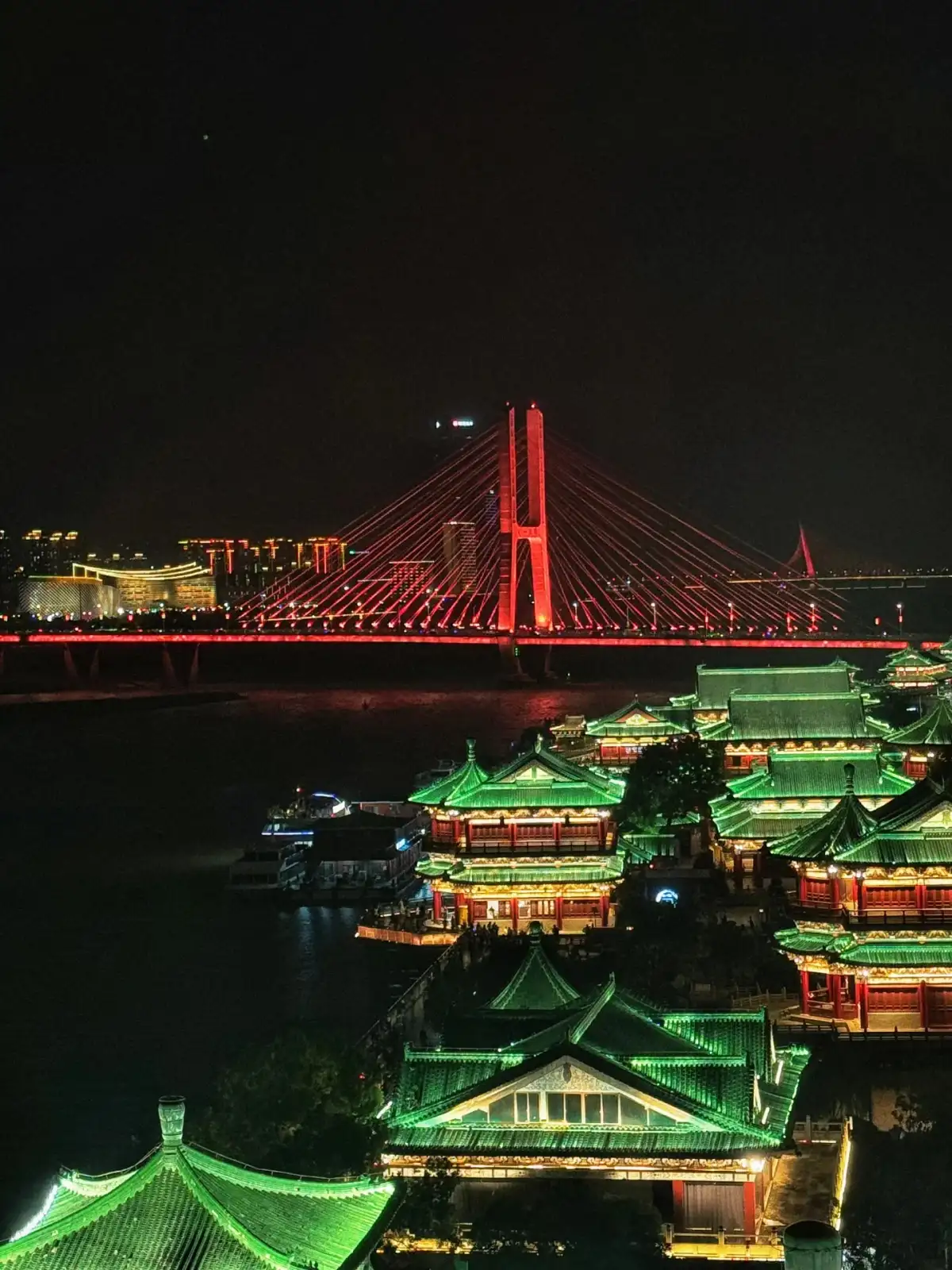
The roof of Tengwang Pavilion and the bridge over the Gan River. the Artist.
After descending the stairs, I returned to the riverbank.
Back on the ground, take a stroll along the open paths in the park to view the pavilion you just climbed from a different angle. Observing the river from above and the pavilion from below—these two experiences complement each other. If you’d like to continue your walk, once you’ve exited the scenic area, be sure to confirm the actual route and accessibility to the public riverbank; do not climb over fences or use the cruise ship pier as a regular passageway. On the riverbank, pay attention to the relationship between the roads, walkways, and the water’s surface, and observe how the city allows people to approach the river while maintaining necessary boundaries. When sitting down to rest, keep the main building on one side of your field of vision; this makes it easier to notice the surrounding sounds and activities than if you were facing the building head-on. If you plan to take a boat ride, be sure to check the pier, schedules, weather, and ticketing arrangements separately—do not assume that your tower admission ticket automatically includes the boat tour. Even if you don’t plan to take a boat, you can still end your visit on the riverbank. The tower serves as a cultural focal point, while the riverbank offers a relaxing interlude; combined, they ensure that a day in Nanchang is more than just the name of a single attraction.
Plan your night view and departure together
Tengwang Pavilion is visually striking when illuminated, but I decided to wait until nightfall and first plan my route back to the hotel. Traffic and foot traffic at the scenic area entrance are likely to increase simultaneously. Locating a pickup spot where you can park legally and that’s easy to recognize is less stressful than standing at the most crowded entrance and repeatedly hailing a ride. If using the subway or bus, save the Chinese names and walking directions for the nearest suitable stations before departure, and double-check the last departure times for that day. Nighttime sightseeing isn’t the time to walk while staring at your phone—stone steps, tree roots, and curbs are even harder to spot in the dark. When taking photos, keep your body steady to capture the architecture rather than setting up a tripod in public walkways; The lights of the city’s river bridges and the warm hues of the pavilions can be captured together in a single frame. If there’s an evening performance, be sure to confirm its time, ticket types, and seating arrangements separately. Waiting for the lights to come on is one option, but you can also finish your daytime tour and leave, reserving the evening for a quiet dinner—especially if your companions have already climbed quite a few stairs inside the building.
Different weather conditions give Nanchang a different atmosphere.
On sunny days, you can schedule your outdoor exploration for times when the light is softer, saving the warmer parts of the day for reading indoors; on days with showers, keep your walk through the garden short, view the exhibits inside first, and return to the open viewing areas once the rain stops. When the wind picks up on the river, the outer corridors and the riverbank will be cooler than indoors, so a light jacket and a compact umbrella are practical to have. In case of thunderstorms or unexpected closures, follow the staff’s instructions and reschedule your visit to the upper levels for another time. Visitors with only half a day can cover the exterior of the complex, the main exhibition halls, and a short walk along the riverbank; Those staying longer should set aside a separate time to explore the historic streets of Nanchang; there’s no need to rush through every site in one go starting from Tengwang Pavilion. As you leave, reflect on what stands out most clearly in your memory: the eaves, the reconstruction diagrams inside the building, or the moving lights on the bridge. Any answer is valid. The reason Tengwang Pavilion is worth revisiting time and again is precisely because literature, architecture, and the city did not remain frozen in the same era; they converge alongside the Gan River, yet each retains its own sense of time.
Further Reading and References
Compiled and edited by the Dongxing Travel Editorial Department based on publicly available travel notes and listed information. Intended for pre-trip reading; this is not a personal travelogue. Please verify opening hours, transportation, reservations, and service arrangements based on your actual travel dates.
Nanchang Municipal Government: Tengwang Pavilion
Divide the pavilion and river views
Explore Tengwang Pavilion in daylight to study its base, eaves and displays, then step back for Gan River views. A Nanchang cultural walk can finish without waiting for illumination. If poetry matters most to your group, concentrate the explanation inside the pavilion visit.
Before staying into the evening
Check the day's indoor access, performance arrangements and riverfront access separately. Visible lighting does not mean every space remains open. Agree on a pickup point and a weather alternative; in rain, shorten distant viewing and focus on interior details.
Planning references