East Travel Editorial Department · Travel Diaries and Pre-Trip Reading
Start with the Baijianlou and slow down your pace first
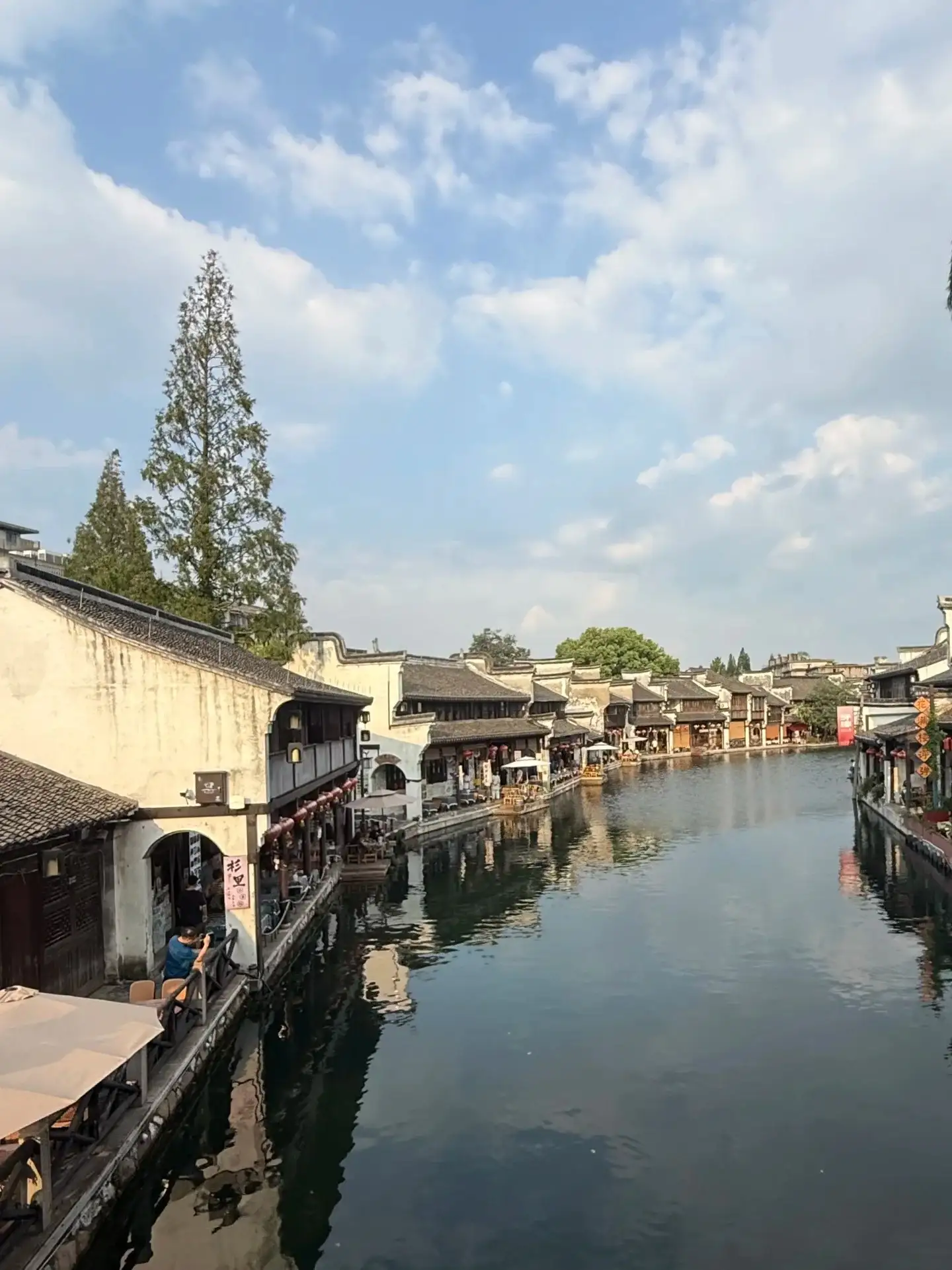
One can begin exploring Nanxun in the Baijianlou area. The white walls, tiled roofs, and eaves of the riverside residences form a continuous silhouette, while bridges and corners divide it into several sections. Archival records from Huzhou mention water town elements found here, such as covered walkways, waterfront wharves, and flower walls. For international visitors experiencing Jiangnan for the first time, these specific features are more helpful than metaphors like “the Venice of the East”: they illustrate how people interact with the river and move beneath the eaves.
If you’re planning a half-day trip, combine the Baijianlou riverside with a garden or private courtyard; if you have a full day, be sure to allow time for lunch and a return trip to the river. Moving between different locations within the ancient town requires crossing street intersections and bridges, so the actual path is not a straight line. Before setting out, clearly mark your destination, the town’s entrance, and your final departure point to avoid constantly backtracking due to entering and exiting from different directions. Using the river as a reference point, you can naturally adjust the length of your route based on your stamina.
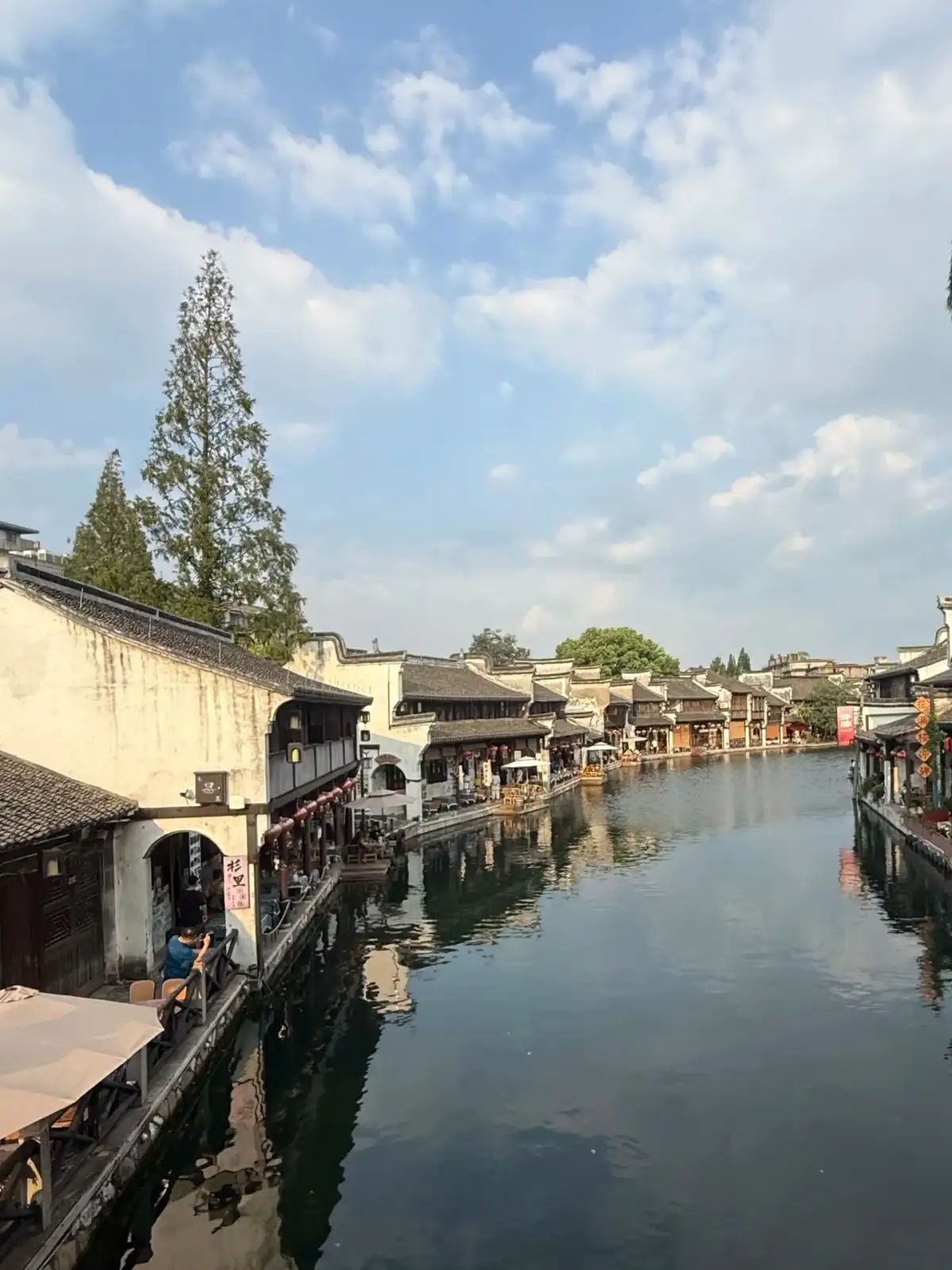
The Baijianlou waterway in Nanxun and the residential buildings along its banks.
The continuity of the eaves creates a balance of shade and open space for the walker
When viewing the riverside residences, pay attention to the relationship between the eaves and the road. There is shade beneath the eaves and open water alongside; together, they allow one to experience both shelter and exposure at a similar distance. Standing on the opposite bank, one can see a whole row of rooftops; walking under the eaves, one sees more of the doors, columns, and ground. Both perspectives are worth noting: the former reveals the collective silhouette, while the latter illustrates how the architecture connects with the human body.
A continuous row of eaves does not mean that all spaces are open to visitors. Entrances to residences, commercial spaces, and public passageways must be assessed individually; if there are thresholds or management notices, take a moment to read them carefully. If residents are using the space in front of their homes, give them room; in that case, you can adjust your shot to focus on the eaves and the water’s surface instead. The beauty of a water town isn’t achieved by forcing daily life to come to a halt; a quiet stretch of wall, a bridge arch, or a wharf can naturally create a clear and compelling image on its own.
Downstream from Shuibu, upstream from the bridge
The stone steps and bridges along the Nanxun riverbank offer two opposing directions. The waterfront brings people closer to the water’s surface, while the bridges elevate them to span the river. Standing on the public riverbank and viewing both together reveals that the water town is not a flat plane: houses, roads, and the river exist at different elevations, and movement requires navigating between them. Observing the width of the stone steps up close and the proportions of the bridges and houses from a distance reveals the structural details that lie beyond the white walls and black tiles.
The waterfront may be slippery or still in active use; do not go down to the water’s edge just to take photos. Bridges may have slopes or steps; when stopping, do not block the path. Plan your route in advance if you’re carrying large luggage or a stroller. If you choose a water-based activity that day, be sure to verify current operations, boarding and disembarking points, and safety requirements; do not assume that a boat ride is an essential part of your ancient town itinerary. You can already appreciate the traces of water transport through your walk; whether to take a boat depends on the conditions and your interests on that day.
The bridge also serves a practical purpose: it restores clarity to the arrangement of buildings on both banks. Earlier, from beneath the eaves, only a section of a facade was visible; but after crossing to the opposite bank, the continuous row of roofs and the location of the wharf come into view simultaneously. When observing, find a relatively wide vantage point; first look downstream, then glance across to the opposite bank. The longitudinal view illustrates the river’s continuity, while the horizontal view highlights the close relationship between the banks and the houses. When you see ripples on the water’s surface, there’s no need to wait for a perfectly still reflection—the ripples themselves lend the walls and eaves a different kind of lightness. You can alternate your route between the two banks in this way to avoid repetition and give your feet a chance to experience different surfaces.
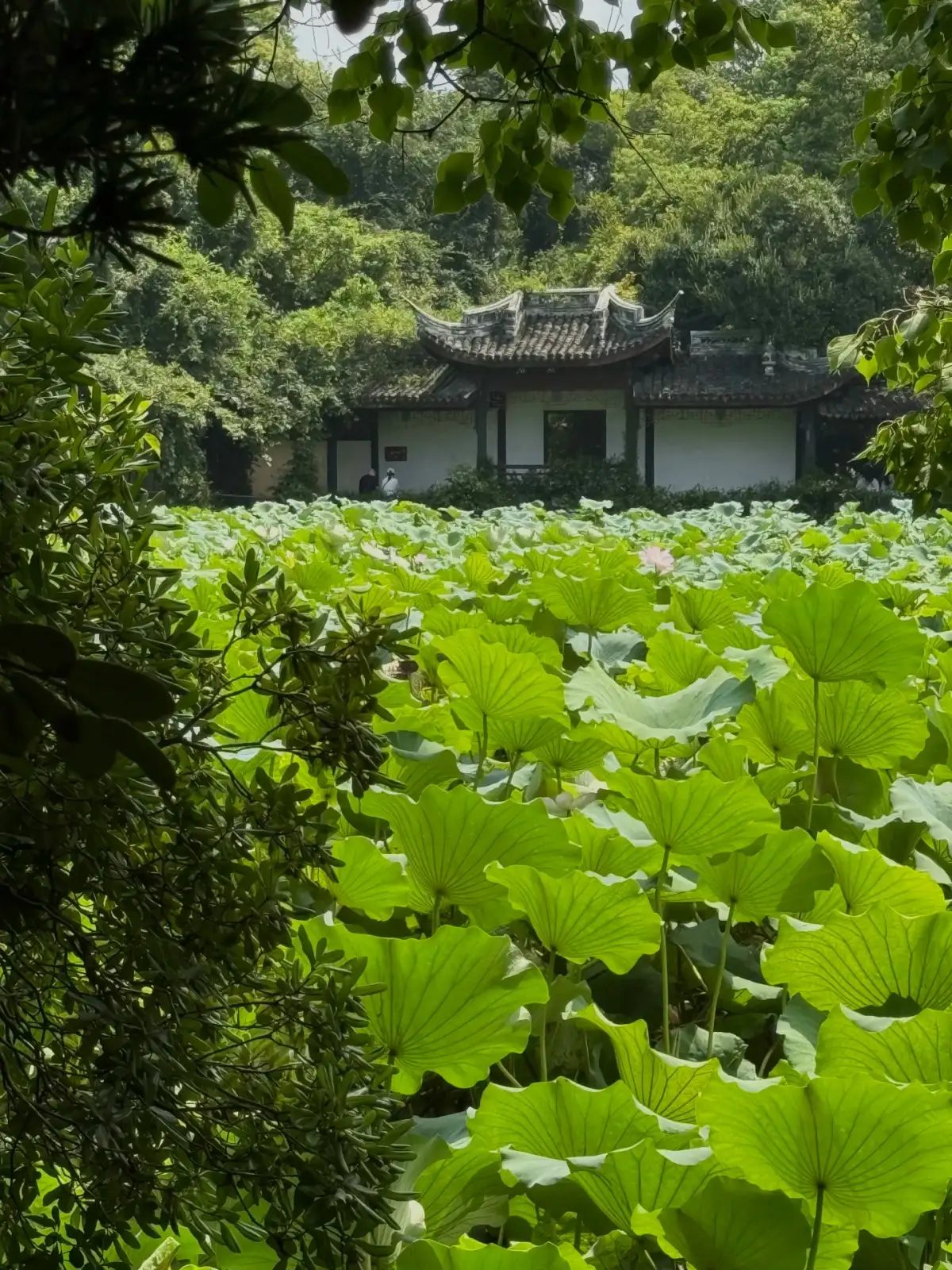
The lotus pond and white-walled buildings at Xiaolianzhuang in Nanxun.
Xiaolian Village: Bringing Water into a Different Scale
If you choose to explore the gardens for the second half of your walk, head to the open areas of Xiaolianzhuang. Adjacent to the Jiaye Hall Library, it forms an important historical architectural complex in Nanxun. During your visit, compare the public waterfront of the riverside residences with the water features within the garden that are organized by the architecture: one flows continuously with the neighborhood, while the other emphasizes lingering and the relationship with the scenery. For garden enthusiasts, this juxtaposition is quite intriguing.
Upon entering, first check the guide and the open areas, then observe from the pond’s edge how pavilions, corridors, and trees form an enclosed space. If the flowers and trees do not appear as they do in the photos, do not feel you have missed the best season; the size of the water surface and the relationship between the eaves and the shoreline remain clear across different seasons. The history of Xiaolian Zhuang involves specific families and the context of its construction; it should be understood through official or on-site explanations, rather than arbitrarily interpreting every decorative element as a symbol of wealth. The garden can be understood through its spatial structure, while a chronology helps place these observations within their historical context.
The significance of a library lies not only in its bookshelves
If you’re interested in book-collecting culture, set aside some dedicated time for Jiaye Hall. The name of this library might lead one to expect nothing more than a vast collection of books, but a visit also offers the chance to observe how the architecture arranges courtyards, rooms, and natural light. Both reading and collecting require specific storage conditions and organizational systems. Recognizing this allows one to view the building as a space that serves specific functions, rather than merely a beautiful old residence.
Which exhibits are open to the public and which rooms are accessible depends on management arrangements; the collection itself does not necessarily mean visitors can directly browse the materials. First, confirm which items on the display panels are authentic artifacts and which are replicas. You can distinguish between the history of the collection and its current presentation. If you attend a guided tour, you can ask questions about how the collection was established, how books circulate, and how the building is preserved. Exploring history does not require speculating about which table a particular owner sat at each day; the confirmed information about the collection and the building is sufficient to support a substantive visit.
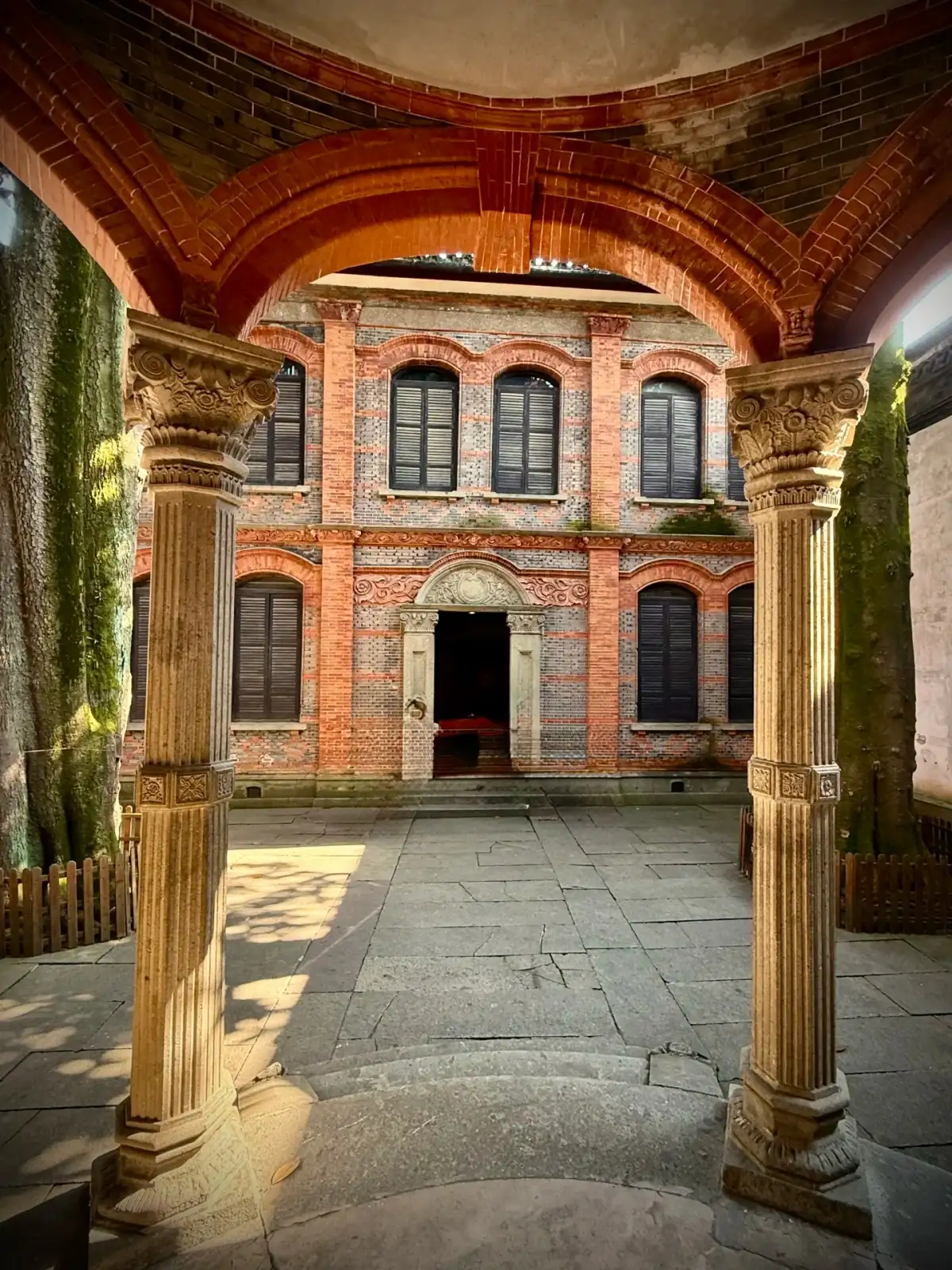
Brick-arched corridors and courtyard facades of an old residence in Nanxun.
Modern courtyards: observing how different materials come together
Nanxun also features buildings like the former residence of Zhang Shiming that are worth exploring in depth. If you prefer residential compounds to gardens, choose these as the main indoor visits for the day. The Chinese and Western elements in architecture cannot be simply dismissed as “eclectic”: only by observing where doors, windows, floors, brickwork, and ornamentation appear can one understand how they relate to the room’s function and the overall layout.
within a single courtyard, the layout may remain clearly defined, while certain rooms feature different materials and window designs. First, observe the overall sequence; then examine specific architectural elements—there’s no need to assign a foreign-style name to every window. On-site explanations can supplement information on material sources and dates; for elements that cannot be verified, stick to observing their forms. To explore the two large estates in depth, you should reduce the distance of your riverside walk accordingly to avoid reaching the final site with no energy left to take it all in. The architectural sites in Nanxun are best experienced selectively; it’s not advisable to try to visit as many as possible in a single trip.
Meals by the river and the changing seasons provide a gentle rhythm to the day
Plan your lunch for the middle of the walking route, choosing a restaurant with seating and a clear menu. You don’t need to sample every local dish in one go—just choose based on the number of people, dietary restrictions, and how much energy you have that day. When sitting by the river, be mindful of the boundary between shops and public walkways—don’t treat the dining area as a free photography platform. If the riverside seating isn’t suitable, the indoor seating offers a place to rest, giving you the patience to continue exploring the architecture in the afternoon.
On cloudy days, the white walls and tiled roofs take on a softer, layered appearance; on sunny days, reflections and the shadows cast by the eaves are accentuated; on rainy days, be mindful of slippery conditions on the stone bridges and riverbanks. In summer, plan your walk for cooler times of the day; in winter, factor in the chill you’ll feel from standing by the water for extended periods. At night, lighting alters silhouettes and reflections, but it cannot replace the architectural details visible during the day. Flowering seasons, sunsets, lighting, and foot traffic all vary depending on actual conditions, so your itinerary should include a backup plan that allows for switching to indoor visits or ending the trip early.
Before heading back, take a moment to recognize the different scales within this water town
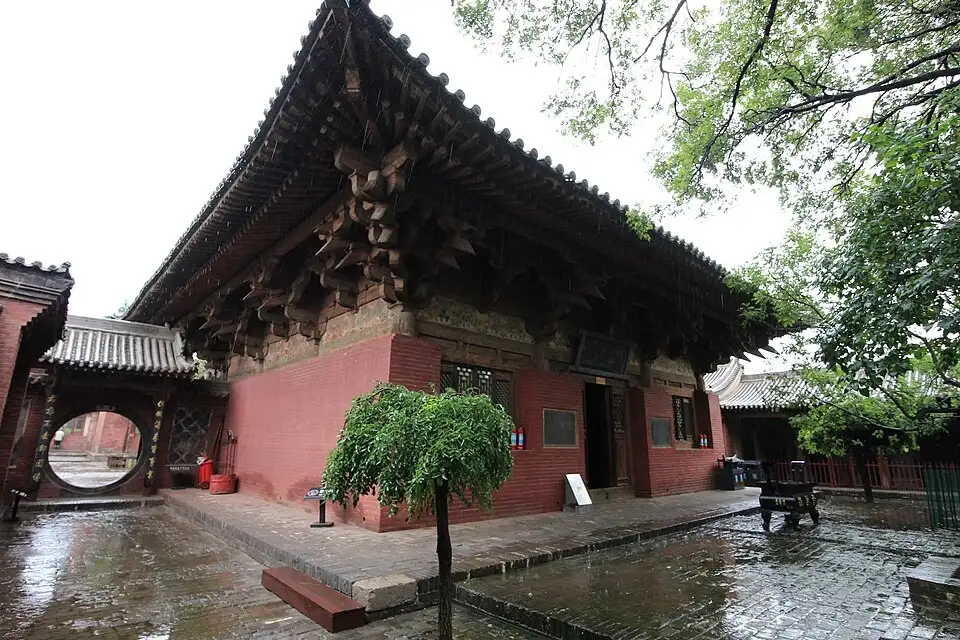
you can walk a short stretch along the Baijianlou riverbank. In the morning, you’ll see a continuous row of residences; after passing through gardens or courtyards, you’ll be able to discern the differences in their scale: clusters of houses stretch along the river, grand mansions are arranged in layers within their courtyards, and gardens alter the viewing perspective through the interplay of shade and water. With these three distinct structures coexisting, Nanxun is no longer just a postcard featuring bridges and reflections.
Check official channels before departure for specific opening hours, ticketing, shuttle services, and venue rules. Don’t assume that all locations follow the same pricing structure based on prices from old notes. International visitors should save the Chinese names of the ancient town’s exits and return stations—this is especially helpful after dark or when traveling in a group. You can organize your photos into three categories: waterfront, courtyards, and details, noting the specific questions each set truly answers. The next time you visit another ancient town in the Jiangnan region, you’ll have a framework for comparison—rather than just a list of “which ones are better for photos.”
Further Reading and Reference Sources
Originally compiled by the Dongxing Travel Editorial Department based on publicly available travel notes and listed information. Intended for pre-trip reading; this is not a personal account of the experience. Please verify opening hours, transportation, reservations, and service arrangements according to your actual travel dates.
Huzhou Municipal Archives Bureau: Baijianlou
Information on National Key Cultural Relics Protection Units in Huzhou City
Waterside homes or a garden first?
Begin a Nanxun canal walk with Baijianlou waterfront details: continuous covered edges and landing steps explain how streets meet the river. Then compare this with a garden. A Xiaolianzhuang Garden visit suits an interest in how water is arranged inside walls. This sequence links two scales of a water town rather than collecting similar bridge photographs.
Must you add both a library and a mansion?
After a longer riverside section, choose either a library or a modern-era mansion for closer study. The first invites questions about books and the building's function; the second allows comparison of materials and domestic spaces. Establish meal and return points beforehand. In rain, shorten exposed retracing and focus on public indoor content rather than completing every named site.
Planning references
Planning reference: Nanxun canal walk 1