East Travel Editorial Department · Travel Diaries and Pre-Trip Reading
Setting out from Xining, start by selecting a specific stretch of the lakeshore
A trip to Qinghai Lake doesn’t have to start with a full circumnavigation. If you’re visiting for the first time from Xining, you can start by choosing an officially open, easily accessible lakeside area, and spend the day traveling there, taking a short walk, and enjoying a quiet moment. Erlangjian, located on the south shore, is a common starting point for many itineraries; if planning to visit other accessible spots, be sure to check their locations, access routes, and management areas separately—don’t assume photos taken from different shores were taken along the same walking route. The lake is vast, and what appears to be a short distance on a map may actually require a drive along the road. Before setting out, decide on your return route or confirm the exact location of your lakeside lodging, then decide whether to wait for the evening light. Only by allowing time for both the journey and your time by the lake can you move beyond mere impressions of the blue water to truly appreciate the interplay between the water, the grasslands, the mountains, and the weather. This stop can be quite focused, but there’s no need to rush.
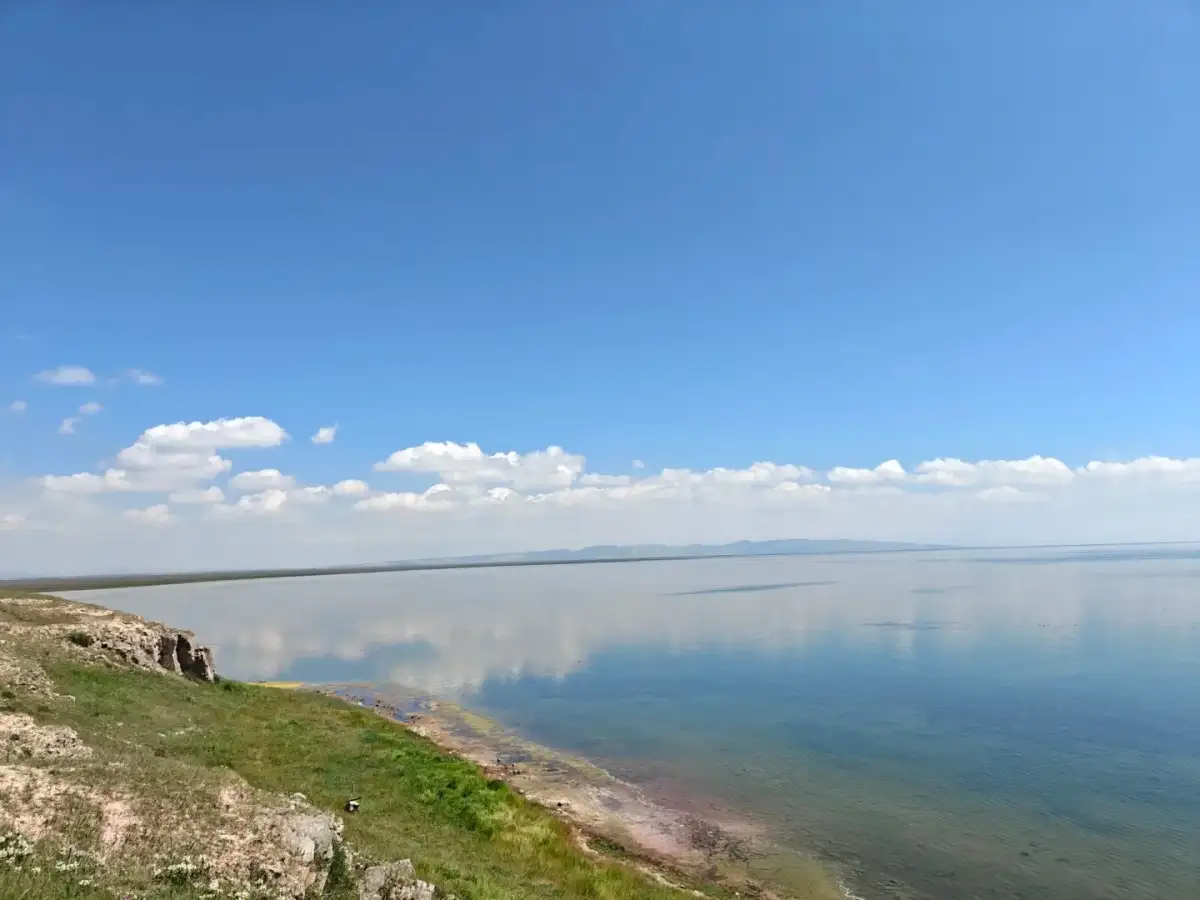
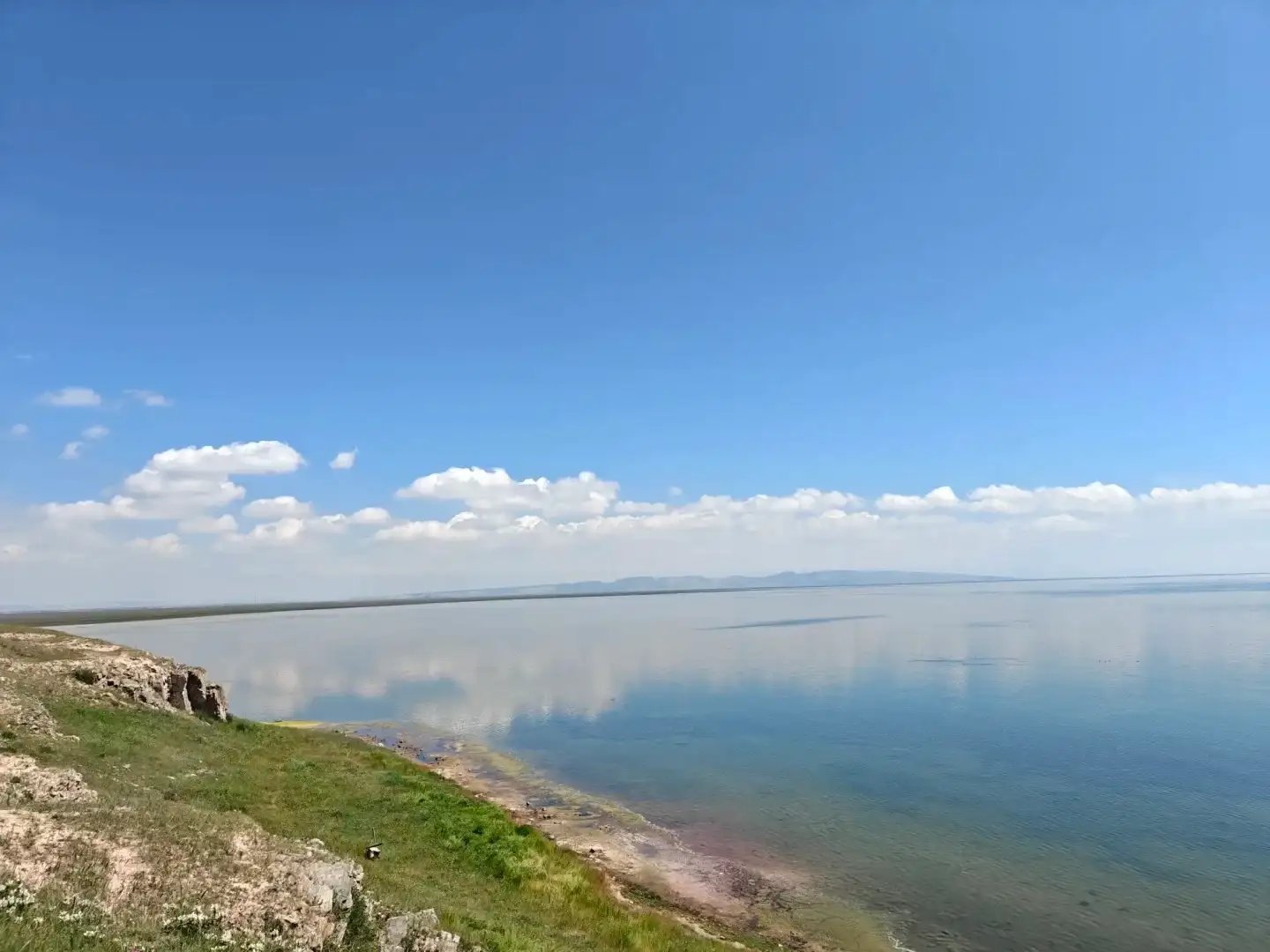
Grasslands, shallow waters, and cloud shadows along the shores of Qinghai Lake.
Once you see the lake, let your eyes rest for a moment
When you first see Qinghai Lake, it’s easy to keep reaching for your phone—the vast expanse of water and distant mountains make you want to capture every angle. Start by choosing a stable spot where you can linger for a while, staying put to observe what lies near the shore, in the middle of the lake, and in the distance. Up close, you might notice color variations in the shallow water and tiny ripples; farther out, the water’s surface appears more uniform, while the farthest horizon blends with the mountains and clouds. When the wind is light, the reflections of the clouds rest on the lake’s surface; as the wind picks up, the water’s surface is etched with patterns in different directions. Blue is not a static color; it changes with angle, light, and water depth. If you take a few minutes to observe quietly before taking a photo, you’ll often discover what truly captures your interest. You don’t have to stand right at the water’s edge—the distance between the lake and the official trails or viewing platforms also allows you to appreciate the shape of the lakeshore.
to take a leisurely stroll along the open path and observe the changing scenery along the shore
short walk along the lakeshore—ideal for observing the changing scenery. Walk a stretch along the officially open paths to see when the grasslands meet the water’s edge, when the shoreline rises, and how the distant mountains shift with your perspective. While different walking spots reveal different views of the lakeshore, this doesn’t mean you should approach or step into the water at every turn. If you encounter fences, ecological conservation signs, or closed roads, stop as required and do not follow trails left by others in search of so-called “hidden gems.” The grasslands and wetlands surrounding the lake serve both productive and ecological functions; the open spaces you encounter during your journey do not mean they are unmanaged. If you simply want a leisurely walk, keep the round-trip distance within a range that allows for a comfortable return, and turn back once you reach a spot where the landscape changes noticeably. This way, the hues of the water, the direction of the wind, and the contours of the shore along this short stretch will be easier to remember than if you walked for a long time until you were exhausted.
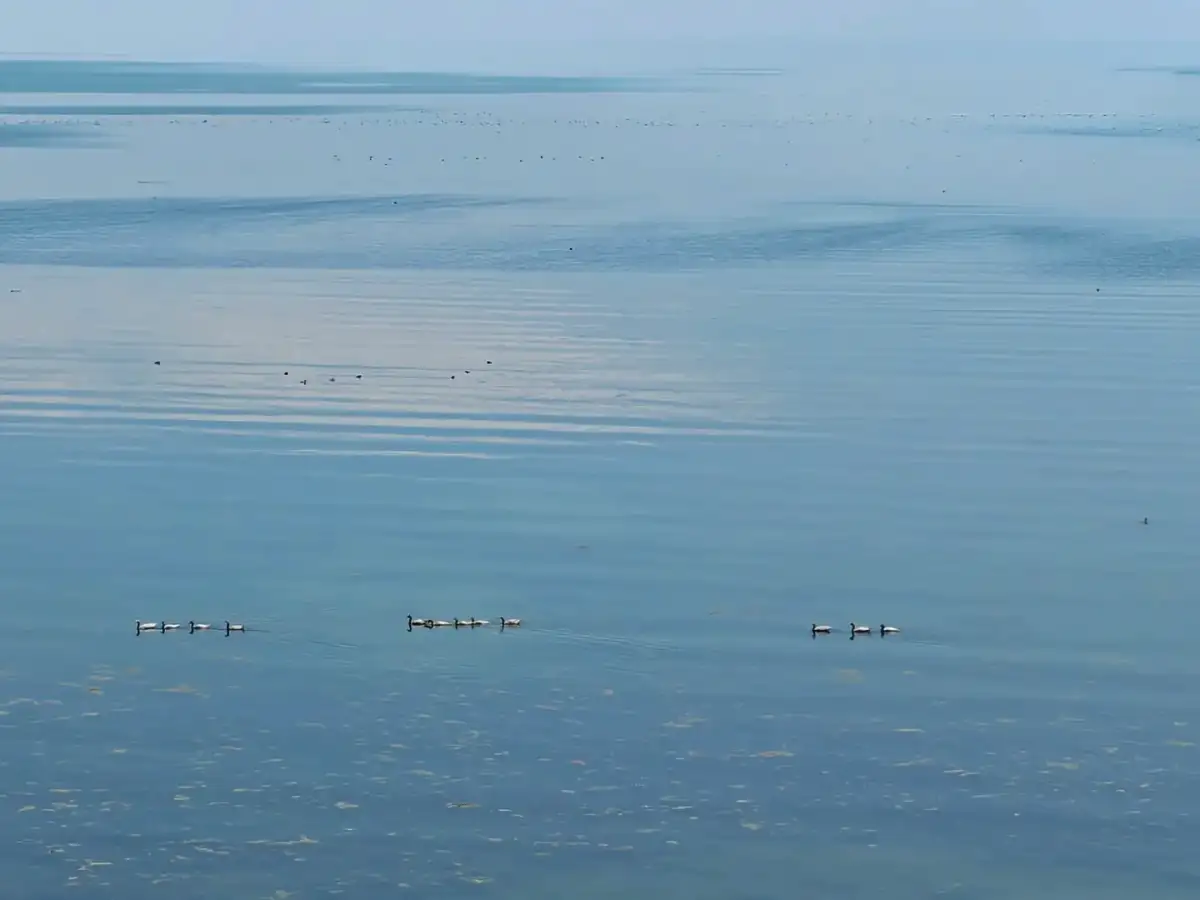
Flocks of waterbirds glide across the calm surface of Lake Qinghai.
Waterbirds add a touch of movement to the tranquil lake surface
Sometimes from the shore, you can see small flocks of waterbirds moving, with delicate ripples spreading out behind them, creating a striking contrast between the flock and the vast expanse of calm water in the distance. To observe them, you don’t need to go to a place called “Bird Island,” nor should you enter the nature reserve just to get closer. You can bring binoculars and, from a permitted viewing spot at a safe distance, observe how they swim, pause, or take flight; if you’re unfamiliar with the species, first note their appearance and behavior, then consult reliable sources later. Do not feed or chase them, and do not use drones as a means to approach the flocks. The number and location of birds visible vary with the seasons and weather; failing to spot them on one visit does not mean there is a lack of life along the lake’s shores. The ecological value of Qinghai Lake is not always evident in bustling scenes; it also exists in the shoreline vegetation, shallow waters, and areas that are off-limits to visitors. Knowing how to maintain an appropriate distance is an integral part of nature travel.
the grasslands and distant mountains, allowing the lake to become part of a complete landscape
The area around the lake is more than just water. Distant hillsides, nearby grasslands, roads, and pastoral activities all come together to form the actual plateau environment. If you see a flock of sheep at an official parking spot, observe how they’re distributed across the pasture—don’t treat fences as photographic obstacles to be crossed, and don’t disturb the herders’ work. Depending on the season, the grasslands may be lush green or take on a yellowish hue, and the extent of snow cover on the mountains also varies. The expansive flower fields seen in some photos are specific to certain plots of land and seasons; they should not be taken as representative of the landscape along the entire lakeshore throughout the year. When viewing the mountains, there’s no need to label every distant peak with its distinctive name; instead, begin by identifying the undulations of the slopes and the interplay between snow and shadows. Only by placing the lake back within this context will you understand why a single stop might allow you to experience a still water surface, grass swaying in the wind, and suddenly gathering clouds all at once.
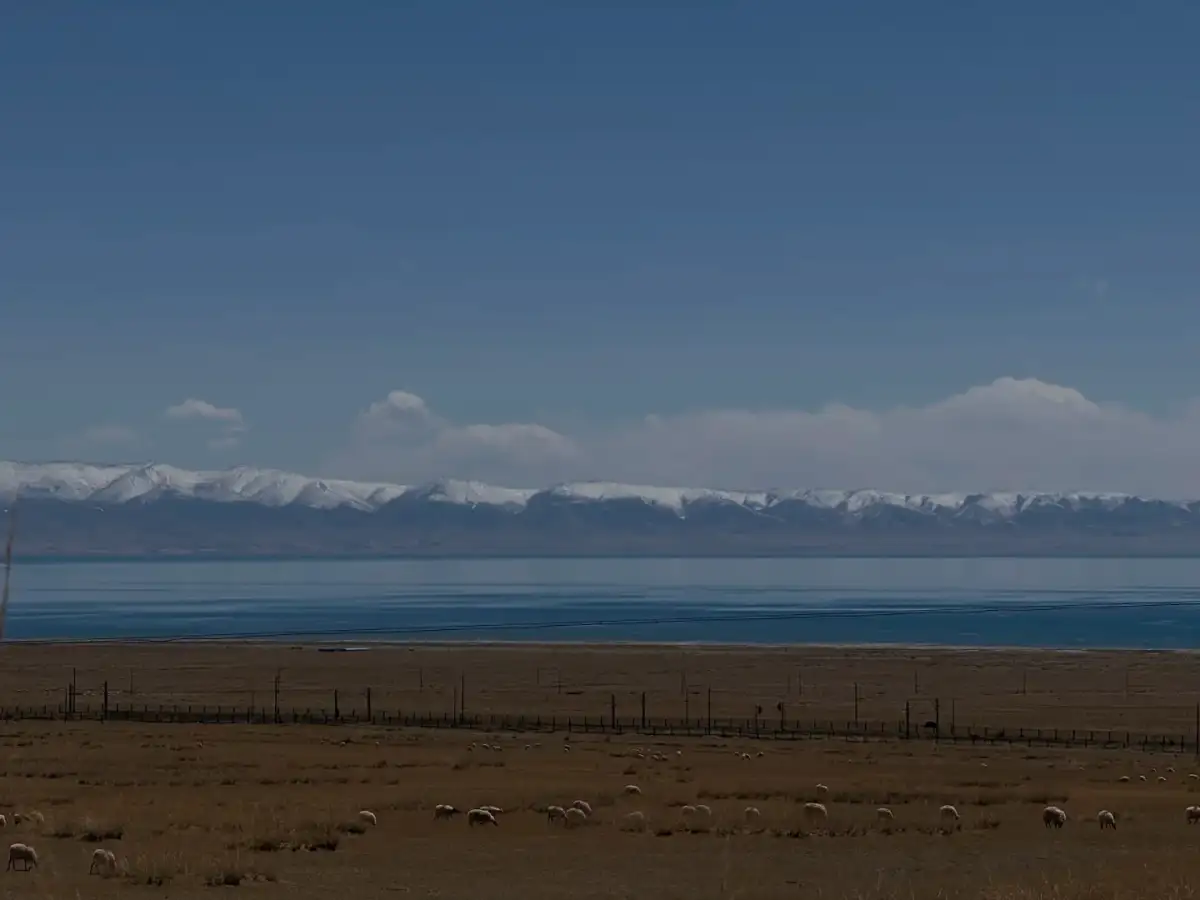
Qinghai Lake, the grasslands along the shore, and the snow-capped mountains in the distance.
Sitting down here will be more rewarding than looking for another place to park
During the journey around the lake, frequently getting in and out of the car can turn a trip into a series of movements focused solely on finding the perfect photo spot. If you’ve reached a suitable, open stretch of lakeshore, stay a little longer, find a public resting area to sit down, and watch how the same stretch of water changes over the course of half an hour. Cloud shadows may drift by, the wind may create rougher ripples, and new light may appear on the previously unremarkable shoreline. Bringing a modest amount of food and drink, cleaning up any trash you generate, and then continuing at a leisurely pace is far more comfortable than cramming all your breaks into the car. When eating, be mindful of the actual local dining options available, and don’t treat the legend surrounding a particular dish as a must-try mission. If you want to take photos of people with the lake in the background, do so from the road or a designated platform—don’t step onto the meadows or cross the shoreline boundaries. Finding a stable spot allows everyone in your group to enjoy the lakeside in their own way, ensuring the day isn’t solely about photography.
Adapt to the plateau weather and break your activities into smaller segments
The wind, temperature, and sunlight along the shores of Qinghai Lake will make you feel quite different from what you experience in downtown Xining. When planning a walk, break it up into short segments, and after each one, check with your companions to see if they’re willing to continue—don’t simply carry over your habits from walking on flat city streets here. Wear layers that allow you to adjust to changing weather conditions, and be sure to bring plenty of water and sunscreen. During cold seasons, also watch out for ice on the roads and along the shore. If you experience significant discomfort, stop exploring immediately and seek local assistance promptly; do not push yourself just to complete a predetermined route. Photos of blue ice in winter are particularly captivating, but just because the lake surface appears frozen doesn’t mean you can enter it. All related activities and accessible areas must adhere to official opening schedules and on-site management guidelines. In summer, strong winds or rain may also affect vehicle and boat operations. If adjustments are necessary, modifying your itinerary to include a brief viewing from the shore or returning early won’t diminish the value of your trip.
reserve transportation and boat tours, and verify the details separately
If you choose official scenic areas such as Erlangjian, verify your reservations, identification documents, admission times, and parking locations before departure; international visitors should confirm their passport information and available ticketing methods. Transportation, sightseeing boats, and other attractions within the scenic areas each have their own operating schedules; purchasing an admission ticket does not guarantee immediate access to all activities. Operational notices issued by Gonghe County clearly state that in the event of special weather conditions—such as strong winds or rough waves—on-site arrangements on the day of your visit shall prevail; therefore, you should allow for flexibility in your actual itinerary. Regarding Bird Island, Sand Island, or other locations mentioned in older travel guides, as these sites are subject to varying ecological protection requirements, you should check current official information to confirm whether they are open to visitors—do not set out based solely on descriptions from years past. When chartering a vehicle, agree in advance on stopping points, parking locations, and the end time of the trip, and avoid making last-minute requests to the driver to take side roads through grasslands. With clear transportation plans in place, you can truly slow down and enjoy your time along the lakeshore.
On your way back, take the true colors of the lake with you
Once you leave the lakeshore, the shades of blue in your photos may vary: one might lean toward gray, another have a green tint, and yet another appear very bright due to reflections. These photos capture the actual changes that occurred that day—there’s no need to standardize them all to a single vivid hue. If you’re planning to visit Taka or other destinations in Qinghai afterward, double-check travel times and weather forecasts—don’t push yourself to rush to multiple destinations after spending so much time at the lake. You might also set aside the remaining time for Xining: rest up first, then take the time to appreciate the connection between this high-altitude city and the lake. Perhaps the most memorable moments of a visit to Qinghai Lake are the quiet moments—when waterfowl glide slowly by, when the mountains emerge from behind the clouds, or when your travel companions finally stop rushing. Choose a suitable spot along the shore, embrace the colors offered by the season and the weather, and respect the boundaries of this ecological space; then, within a limited time, the vast lake will take on a tangible presence.
Further Reading and Reference Sources
Compiled and organized by the Eastbound Travel Editorial Department based on publicly available travel notes and listed information. Intended for pre-trip reading; this is not a personal travel account. Please verify opening hours, transportation, reservations, and service arrangements according to your actual travel dates.
State Forestry and Grassland Administration: Ecological Conservation and Wetlands of Qinghai Lake
Several stops or longer at one place?
For a Qinghai Lake shore visit, choose one formally open section and alternate walking with sitting. Qinghai Lake colour observation needs time: cloud shadows, wind and distant mountains change the same view. You need not keep moving to match promotional colour. With limited time, remove one extra shore stop and retain rest and the journey back towards Xining.
Should you approach birds you can see?
Qinghai Lake birdwatching should leave the birds' behaviour unchanged. Observe quietly from permitted positions without feeding, chasing or crossing conservation boundaries. Optical aids or notes can replace a closer position. Check access to public shore sections and protected areas separately; a photograph of a flock does not establish that every location is open to visitors.
Planning references
Planning reference: Qinghai Lake shore visit 1