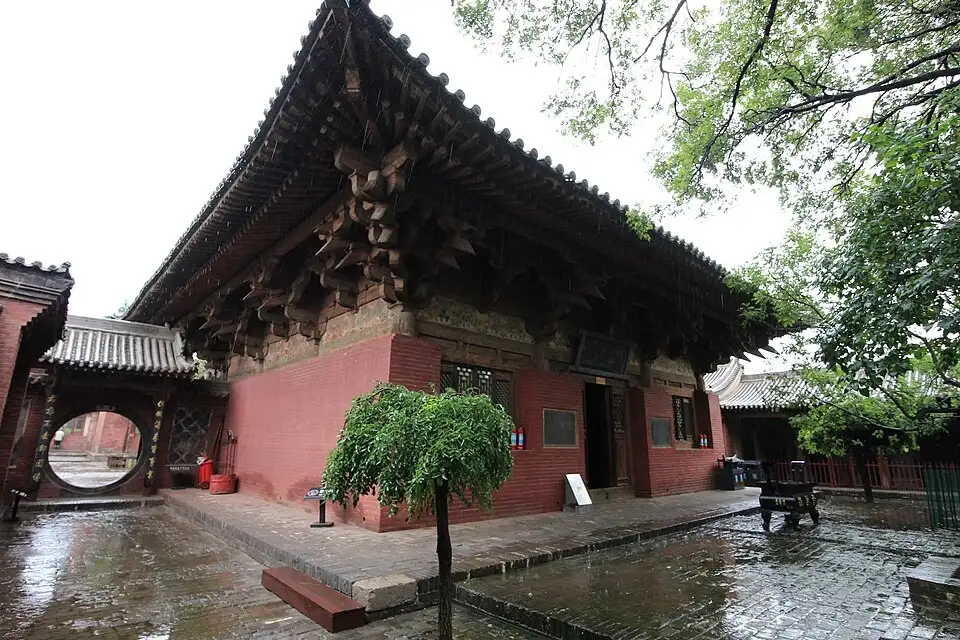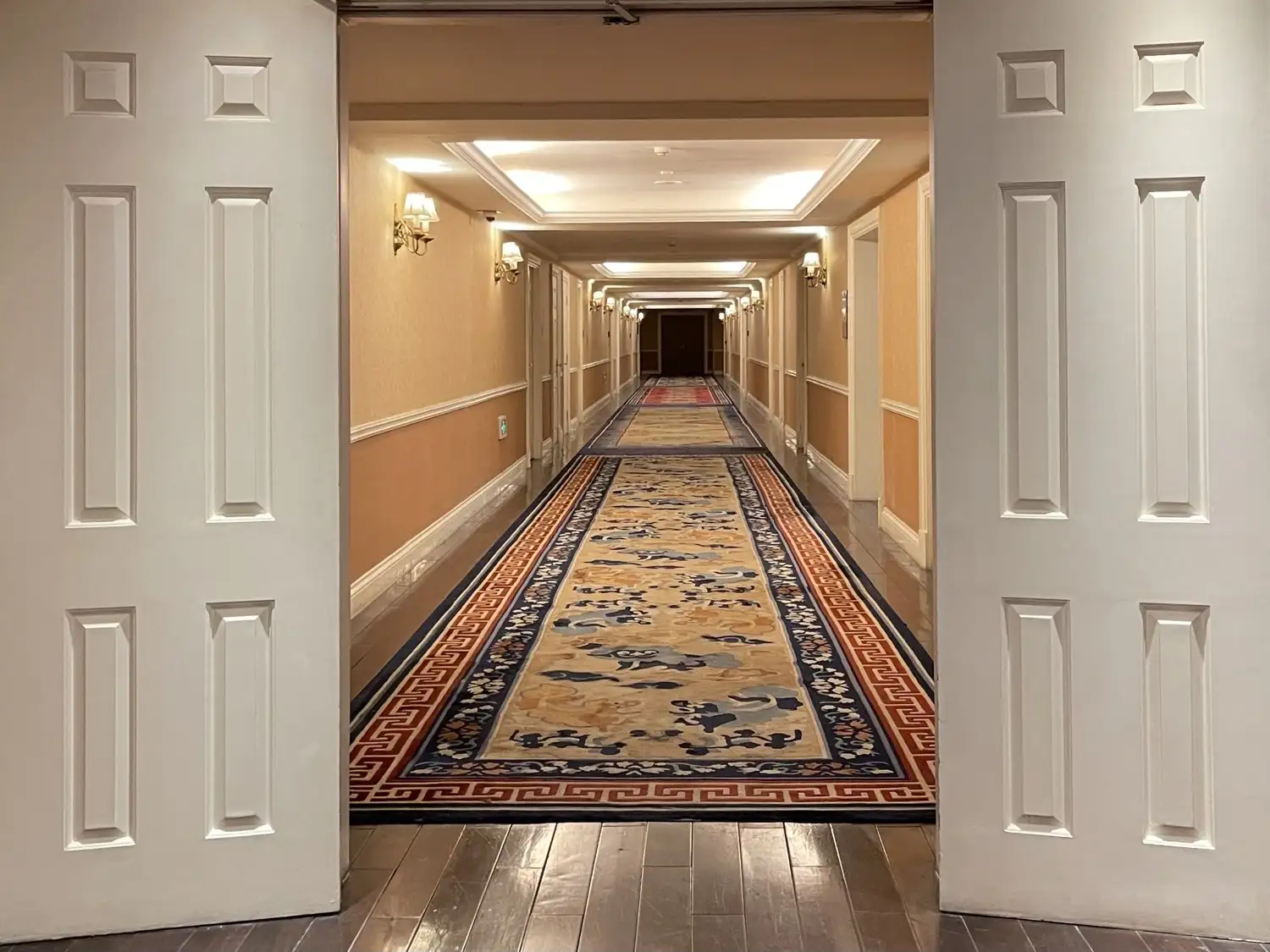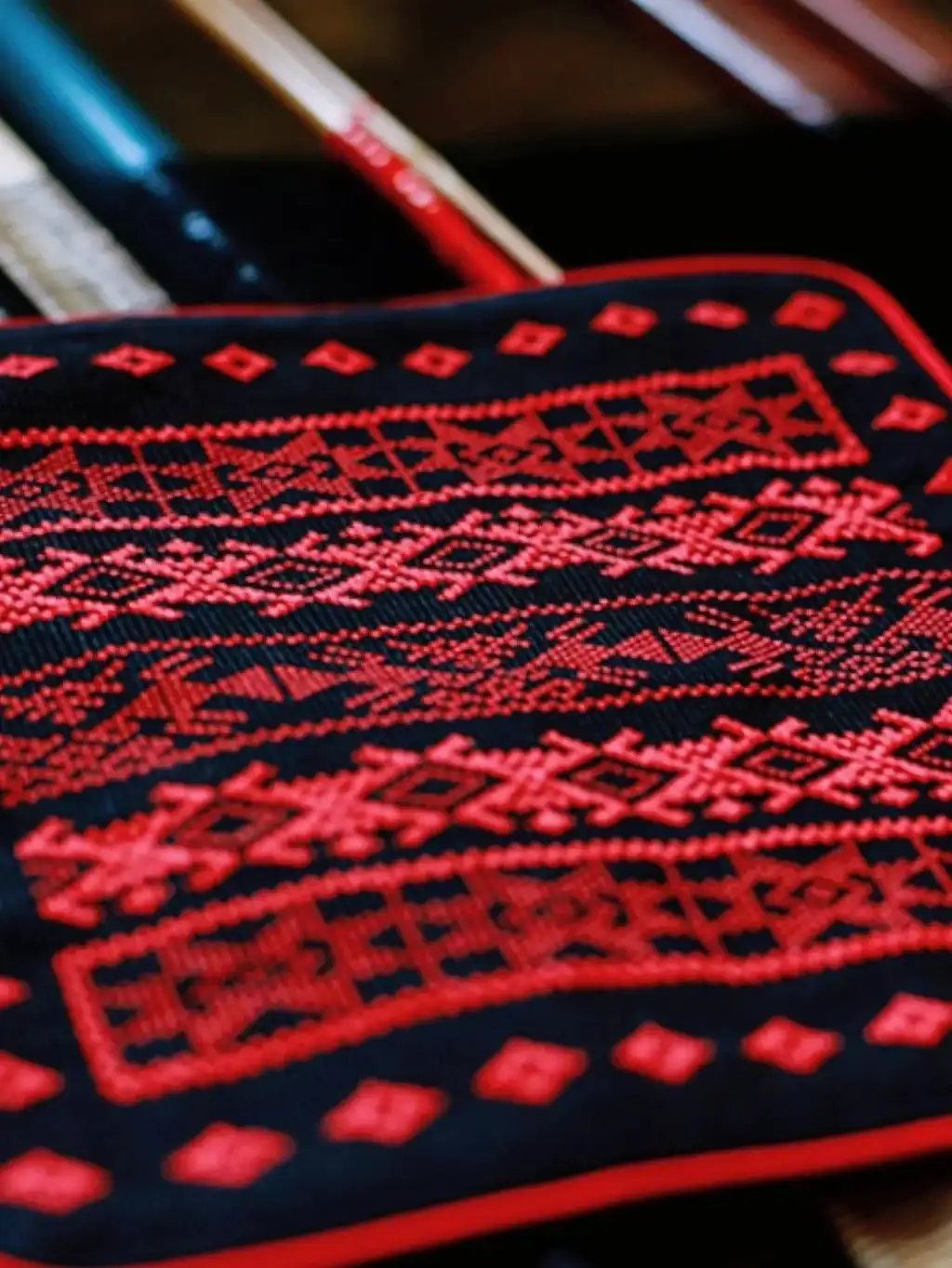
Photos of ethnic clothing taken during a trip to Sanya often focus on color and design. To gain a deeper understanding during your shoot, shift your focus to the fabric itself: How does thread become cloth? How do colors get into the thread? And how are the patterns connected to the craftsmanship and customs? This small shift in perspective transforms the clothing from mere tourist props into cultural artifacts imbued with labor and knowledge.
These examples showcase the choices and expectations found in the real marketplace. The technical information below is based on the China Intangible Cultural Heritage website. The suggested experiences are editorial recommendations and do not imply that any single merchant’s definition constitutes an official certification standard for all garments.
Scenario 1: You see a beautiful pattern but don’t know where to start asking
Q: Is Li brocade simply patterns embroidered onto fabric? According to official descriptions, the traditional Li spinning, dyeing, weaving, and embroidery techniques constitute a complete system comprising spinning, dyeing, weaving, and embroidery. Each stage involves distinct processes for handling thread, color, fabric structure, and decoration. Visitors can first ask which techniques were used in the piece before them, and then observe how the patterns are formed; this is more accurate than simply referring to all designs as “embroidery.”
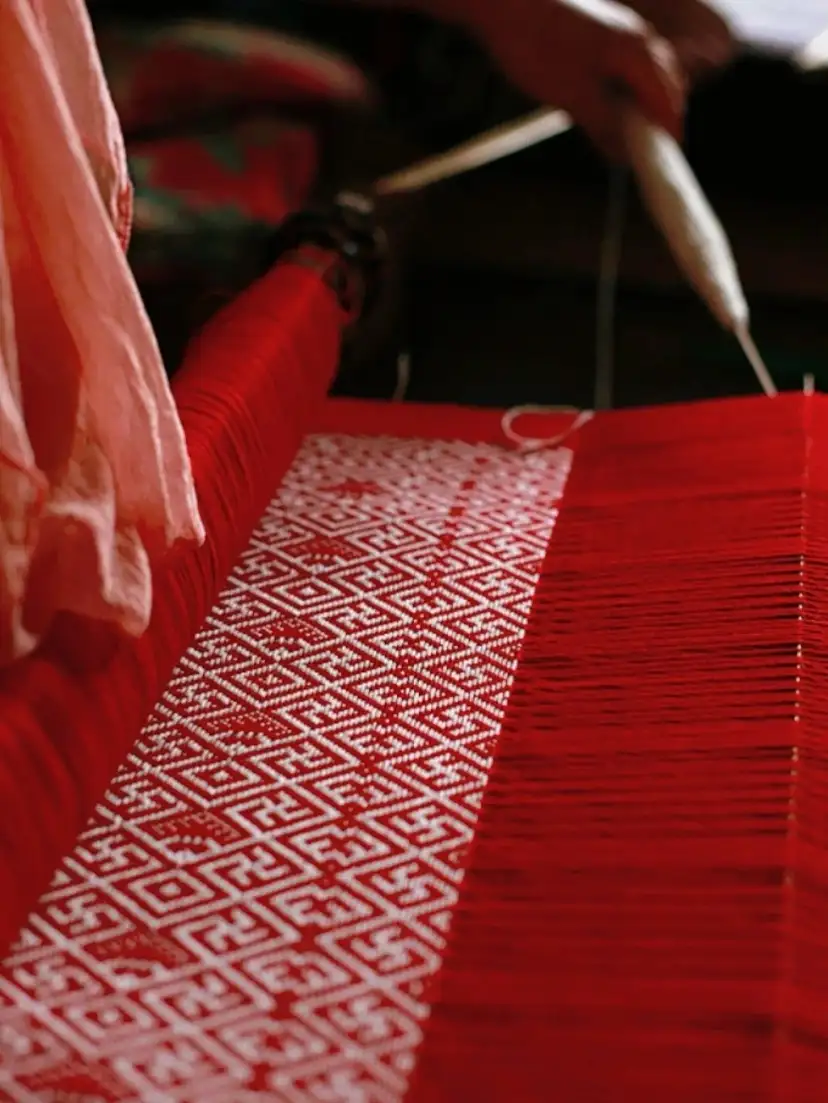
Spinning transforms natural fibers into usable thread; dyeing changes the color of the yarn or fabric; weaving organizes the threads into cloth; and embroidery further adds decorative elements to the fabric. Official materials introduce fibers such as cotton and hemp, plant-based dyes, and techniques like the waist loom. When observing these processes, it’s not necessary to memorize the names of all the tools at once; simply understanding what each step addresses will help you grasp the division of labor behind the creation of a piece of fabric.
If there’s a public demonstration, first observe what the artisan is working on—whether it’s fibers, yarn, or finished fabric. The process differs depending on the material being worked on. If you’re unsure, ask a simple question: “Are you weaving this section of fabric, or are you adding a pattern to it?” Asking about the specific action taking place right in front of you will yield more concrete information than asking, “Is this the most authentic method?”
There is more than one way to create a pattern. Official descriptions include techniques such as shibori dyeing, jacquard weaving, and various forms of embroidery, illustrating how colors and patterns can be incorporated into the fabric at different stages of production. Viewers can compare the relationship between the threads and the patterns on a piece with a description, while the specific techniques are explained by the exhibitor. Recognizing this diversity of techniques is, in itself, a valuable insight.
Scenario 2: Wanting to know the meaning of a particular motif
Q: Can every pattern be explained with a single auspicious meaning? Official materials indicate that patterns are linked to customs and are associated with distinguishing between different Li dialect groups. This suggests to visitors that patterns are not merely interchangeable decorative symbols. Only by first understanding the background of the piece, the traditions employed by the artisan, and specific details—and then discussing its meaning—can an interpretation remain true to its authentic context.
A certain shape may remind you of a bird, fish, or plant—this can serve as a starting point for observation, but a resemblance does not mean the name has been confirmed. You can first describe the lines you see and then ask for the piece’s description. The names given to the same pattern in different sources may also require further understanding; you shouldn’t take the lyrical descriptions in tourist brochures as historical facts. Cultural interpretation allows for questions that do not yet have complete answers.
When visiting with children, you can compare repetition, symmetry, density, and color sequences. These are formal characteristics observable to the naked eye and do not rely on inventing stories for each pattern. Have your child sketch a simplified outline, then listen to the expert explanation—this allows them to see how their own observations align with traditional knowledge. Conduct this activity in designated areas, and avoid tracing parts of the artifacts or works that require physical contact.
Scenario 3: Deciding Whether to View the Display, Try a Hands-On Activity, or Take Photos of the Clothing
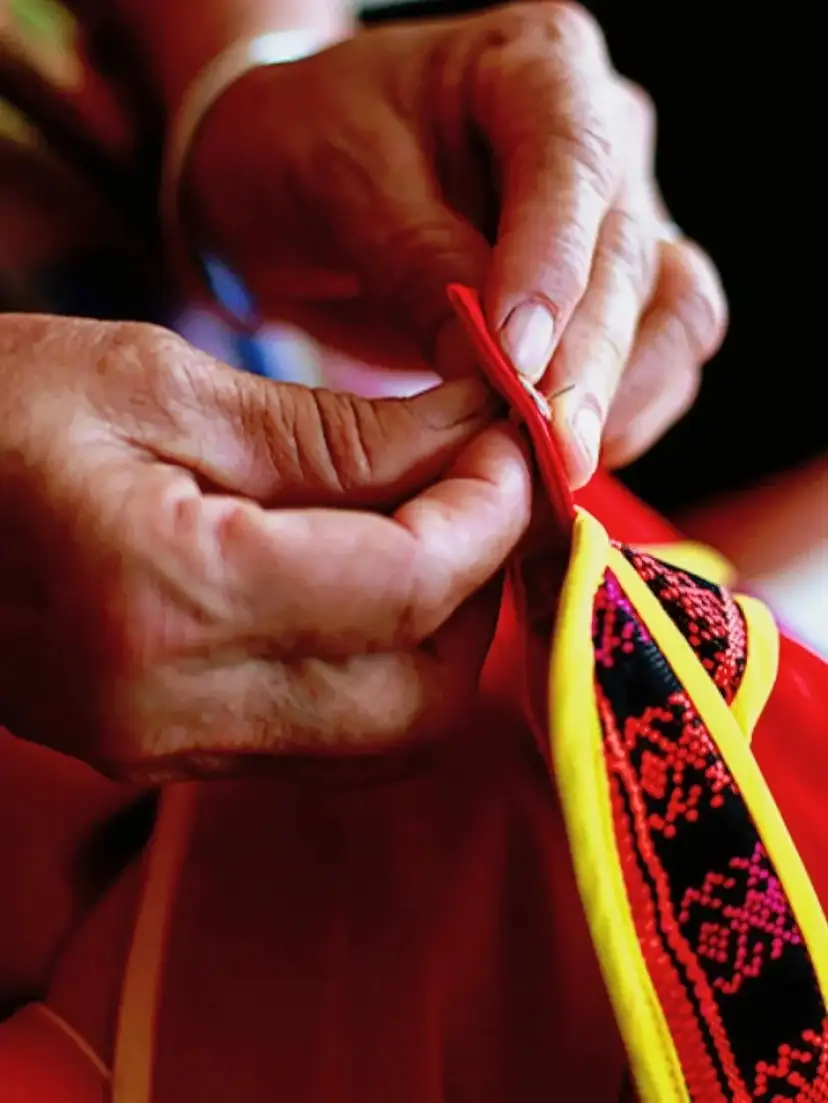
Q: Can I truly understand this craft by participating in only a short hands-on experience? It can serve as an introduction, but a full understanding requires more resources. The hands-on experience lets your fingers feel the difficulty of a specific movement; demonstrations show how skilled artisans organize the process; and exhibits and guided tours provide additional context on materials, customs, and history. Each of these three components offers its own insights; before your visit, combine them according to your interests—there’s no need to schedule them all at the same time.
Before booking an experience, clarify exactly what activities are involved, what materials will be used, whether you can observe the relevant techniques, what age groups the activity is suitable for, and how language communication will be arranged on the day of the event. Prices and duration are specified by the individual providers; this article does not set a uniform standard. If your primary interest is in weaving, but the available options only include clothing photography, you should understand that the two activities differ in content before deciding whether it meets your goals for this visit.
When taking photos, capture a close-up of the garment, noting its exact name and the vendor’s description. A full-body shot should show the garment being worn and its surroundings, while a close-up should highlight the warp and weft or the pattern. By combining these two, your travel journal will clearly document what you’ve experienced. If a vendor believes a certain outfit combination is inappropriate, first understand their perspective and scope of service, then choose an arrangement that allows for mutual communication. Avoid mixing different cultural elements and presenting them as a single “traditional” style.
If the garment before you is a modern design, there is still value in understanding it. Ask which elements were borrowed and what production methods were used, and simply note it as a modern piece. Both traditional craftsmanship and contemporary design are worth appreciating; the key is that the name matches the reality. Just because a product uses ethnic patterns does not automatically mean it fully implements traditional techniques; travelers can consider this distinction as part of their decision-making process.
How these techniques continue to thrive is also worth seeing
In 2024, the traditional Li spinning, dyeing, weaving, and embroidery techniques were transferred from the List of Intangible Cultural Heritage in Need of Urgent Safeguarding to the UNESCO Representative List of the Intangible Cultural Heritage of Humanity. Official descriptions link this change to safeguarding initiatives such as skill transmission, training, education, and practical application. Understanding this milestone allows “intangible cultural heritage” to be more than just a promotional label; it becomes a process in which people continuously learn, teach, and apply these skills.
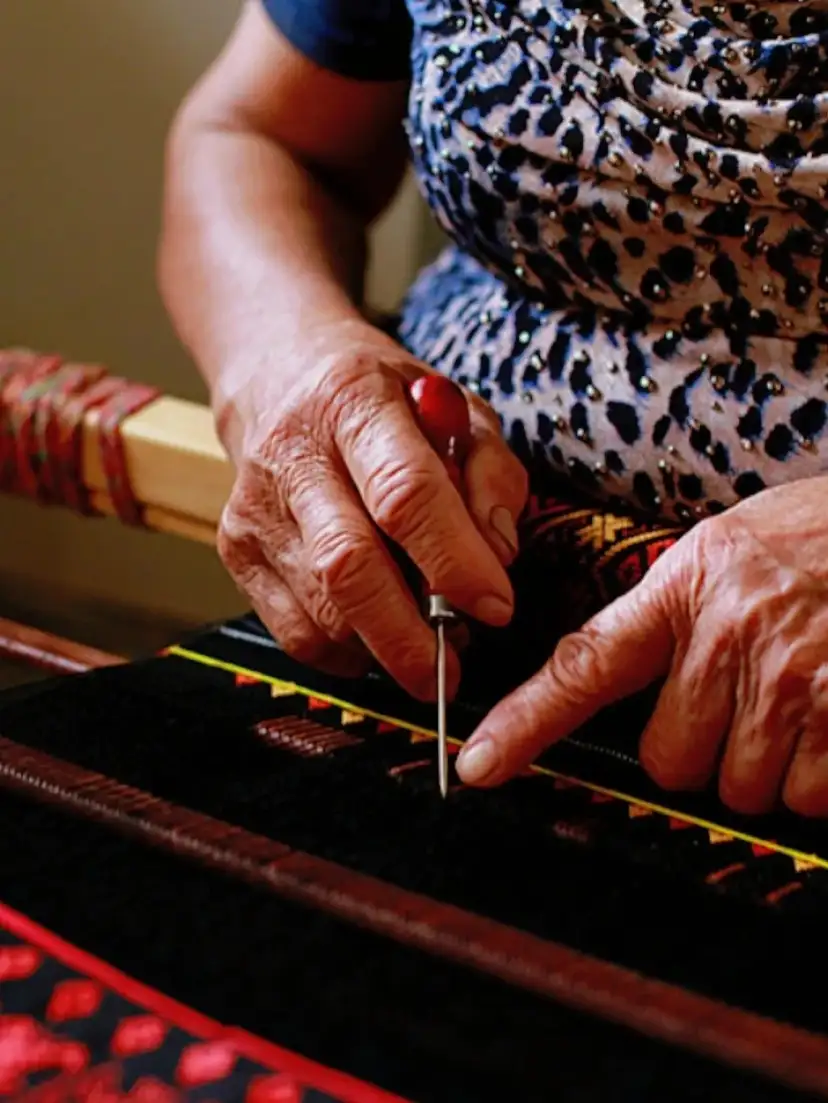
The travel experience can serve as a window into this process. Rather than simply asking whether a piece is ancient, more meaningful questions include: Who is teaching these skills? How do students practice? And what are these pieces used for today? When interacting with public exhibitors, respecting their work and time fosters more natural, brief, and concrete exchanges. Whether or not to make a purchase is up to the visitor; simply observing can also create value through a thoughtful understanding of the piece’s name and background.
When taking photos, it’s especially important to be considerate of the people involved. Before shooting, ask the artisan for permission, and only after receiving consent should you document their hand movements, tools, and materials. Even if a photo is full of atmosphere, don’t lose sight of the craft’s subject simply because it looks beautiful. By focusing the image on details that illustrate the production process, the narrative may actually become clearer.
Before leaving, try to write an accurate description of what you’ve seen: which stage of the process you observed, how the piece was presented, and which details remain unclear. Such notes may not be as eloquent as poetic descriptions, but they’ll help guide your future research. If you and your travel companions each keep one question in mind, the cultural experience can continue beyond that day, rather than ending once the photos are taken.
inSanya Itineraryincorporate cultural elements—it doesn’t have to cut into all your beach time. Set aside a block of time for careful observation and conversation, so the garment’s patterns gain a sense of origin and the production of a single piece of fabric reveals its steps—and you’ll discover another side to your beach vacation. When you raise your camera again, you’ll already know exactly what you want to capture.
Source and Editorial Notes
They do not serve as proof of actual travel experiences or services provided by Dongxing Travel.
China Intangible Cultural Heritage Network · Traditional Li Spinning, Dyeing, Weaving, and Embroidery Techniques · Official materials; Verified/Compiled on: October 3, 2026.
Weaving or costume photography?
When exploring Li brocade in Sanya, decide whether making or clothing patterns interest you most. Li textile techniques include distinct processes. Before choosing a Li brocade workshop, ask which stage is offered, what materials are used and who guides it. Costume photography gives a different view.
Ask about a specific textile
Establish the displayed textile's source or maker, then ask about meanings they can explain. Similar forms do not prove identical meaning everywhere. Confirm touching, photography and participation separately. If buying, retain the work's description and give attention to the maker's practice.
Planning references