When exploring the theme of Reform and Opening-Up in Shenzhen, the first decision isn’t which exhibit to start with, but which venue to visit. While titles such as “Urban History” and “Urban Planning” may seem related to Guangdong’s Reform and Opening-Up, they are actually spread across different venues or exhibition routes. By clarifying the names and then selecting an everyday object as your entry point, the grand narrative of change can be transformed into a concrete viewing experience.
Dayu’s posts on the “Recording Urban Planning” exhibition and the “The Great Tide Rises on the Pearl River” exhibition on Xiaohong, while Miao Miao the Hero’s old notes list the Reform and Opening-Up History Exhibition that was once held at the History and Folklore Museum. In May 2026, the Shenzhen Museum announced the closure of the old exhibition at the Jintian Road branch. Based on official information, this article focuses on the Reform and Opening-Up Exhibition Hall on Fuzhong Road as the subject of this Guangdong-themed exploration. The suggested itinerary and points of observation have been compiled by the editor and do not follow the list of attractions from previous posts.
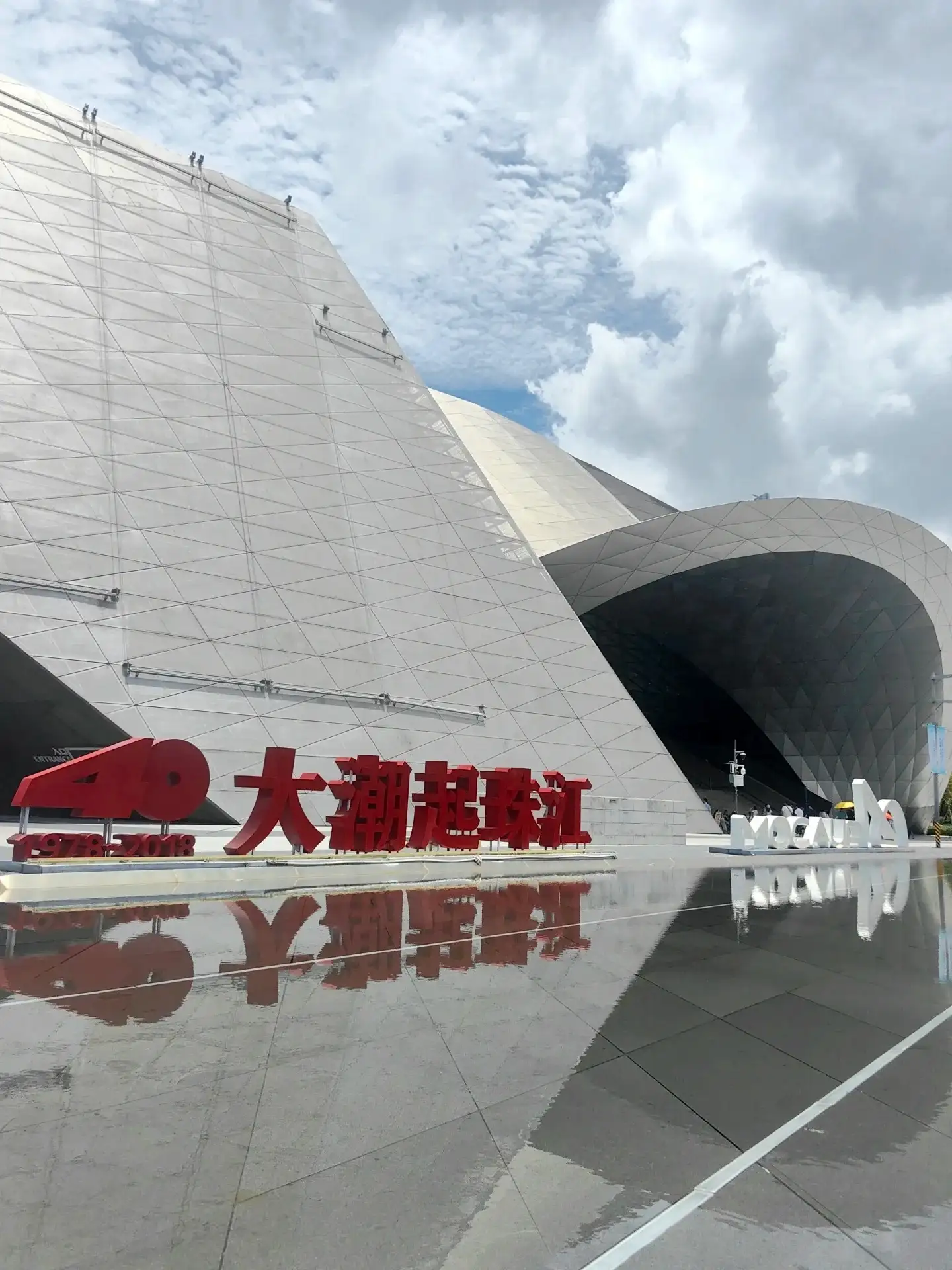
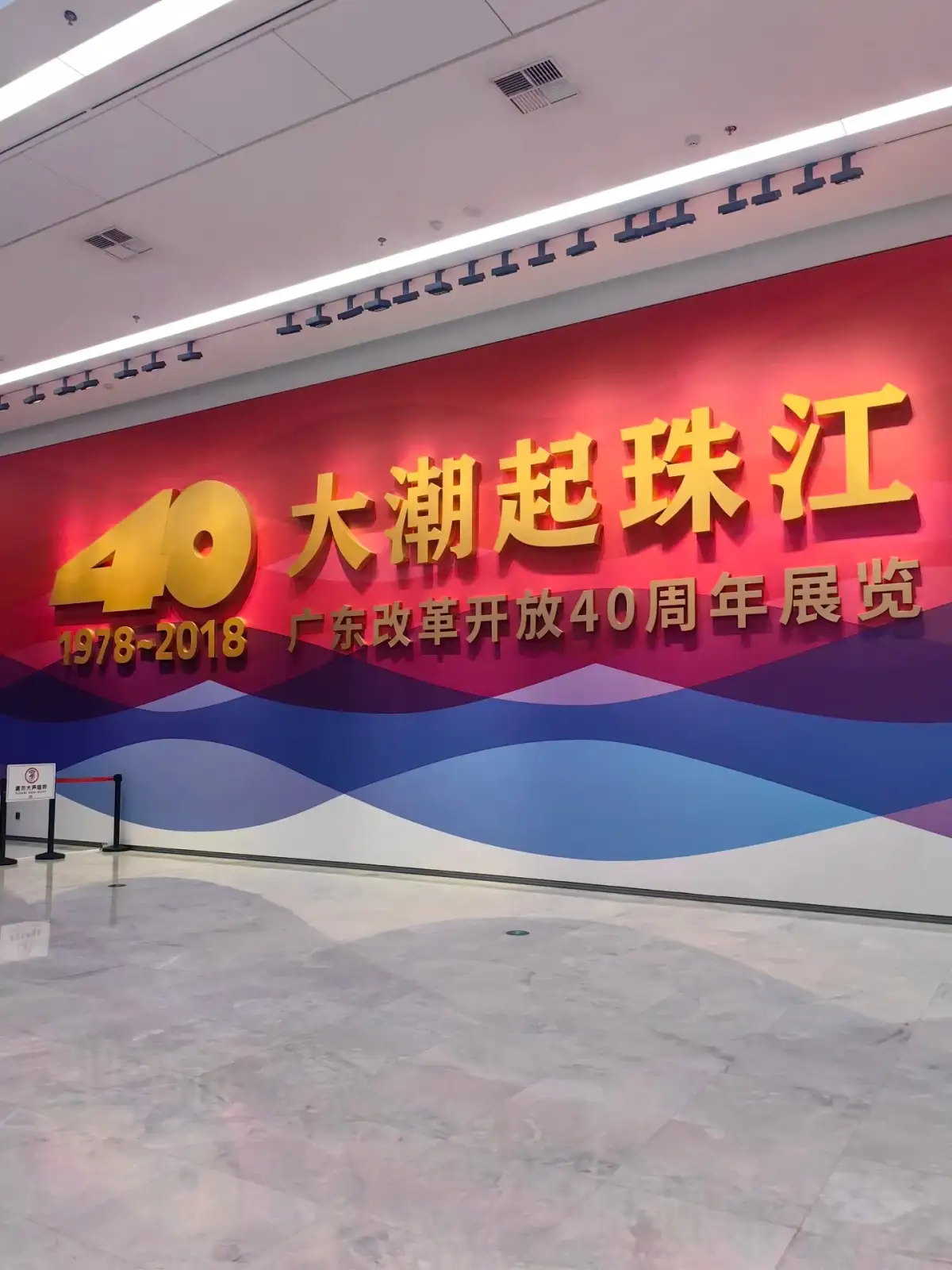
Q: If I want to learn about the Reform and Opening-Up, should I go to the History and Folklore Museum or the Reform and Opening-Up Exhibition Hall? If your focus is on the “Tidal Wave Rises on the Pearl River—40th Anniversary of Guangdong’s Reform and Opening-Up” exhibition, the official description points to the Shenzhen Reform and Opening-Up Exhibition Hall at No. 184 Fuzhong Road, Futian District. It chronicles the changes in Guangdong and should not be viewed simply as a history of Shenzhen alone. Before heading out, check the museum’s latest announcements and exhibition details, then save the exact location.
Q: If I only have time for one indoor tour, how should I choose between the urban planning and history themes? Those interested in models, urban spaces, and development layouts may want to focus on the urban planning theme; those seeking to understand the relationship between changes in daily life and institutional reforms will find the Reform and Opening-Up theme more suitable. While the two themes complement each other, viewing them consecutively requires allocating separate attention. It’s easier to delve deeply into the exhibits if you start by selecting a core question, rather than trying to cover all the exhibition routes simply because they’re located in the same area.
A single everyday object captures the vast scale of these changes.
When facing a large-scale thematic exhibition with numerous historical periods and events, everyday objects can serve as anchor points for momentary reflection. You can start with an artifact whose purpose is easily recognizable: first describe what need it fulfills, then read the exhibit label to understand the era and context. At this point, unfamiliar institutional terms can be linked to a specific action—such as manufacturing, purchasing, using, communicating, or traveling—giving history a tangible, human scale that is easier to imagine.
There is no single, definitive answer as to which specific exhibits are worth seeing. Adults may be familiar with certain types of items they once used, while children may be seeing them for the first time; international visitors can approach the exhibits by comparing objects with similar functions but different forms. Both familiarity and novelty are helpful. The former triggers memories, while the latter sparks questions; the facts provided on the exhibit labels allow these two perspectives to engage with one another.
When observing an object, first separate your personal judgments from the historical context. Whether you find it clunky, delicate, or difficult to operate reflects your immediate impression; understanding the actual conditions under which it was used requires historical context. Do not judge people of the past directly by today’s standards of convenience, nor should you treat the memories of a single family as the uniform experience of an entire city. The most fascinating aspect of an object lies precisely in the fact that it once responded to specific circumstances.
According to the official description, “The Great Tide Rises on the Pearl River” showcases the significant milestones of Guangdong’s reform and opening-up as well as its economic and social development. Within this overarching theme, everyday objects can serve as materials that connect policy, production, and daily life. By finding a corresponding text or image and asking how it explains the conditions under which the object before you came into being, you can move from “what people used in the past” to “why changes occurred at that time.”
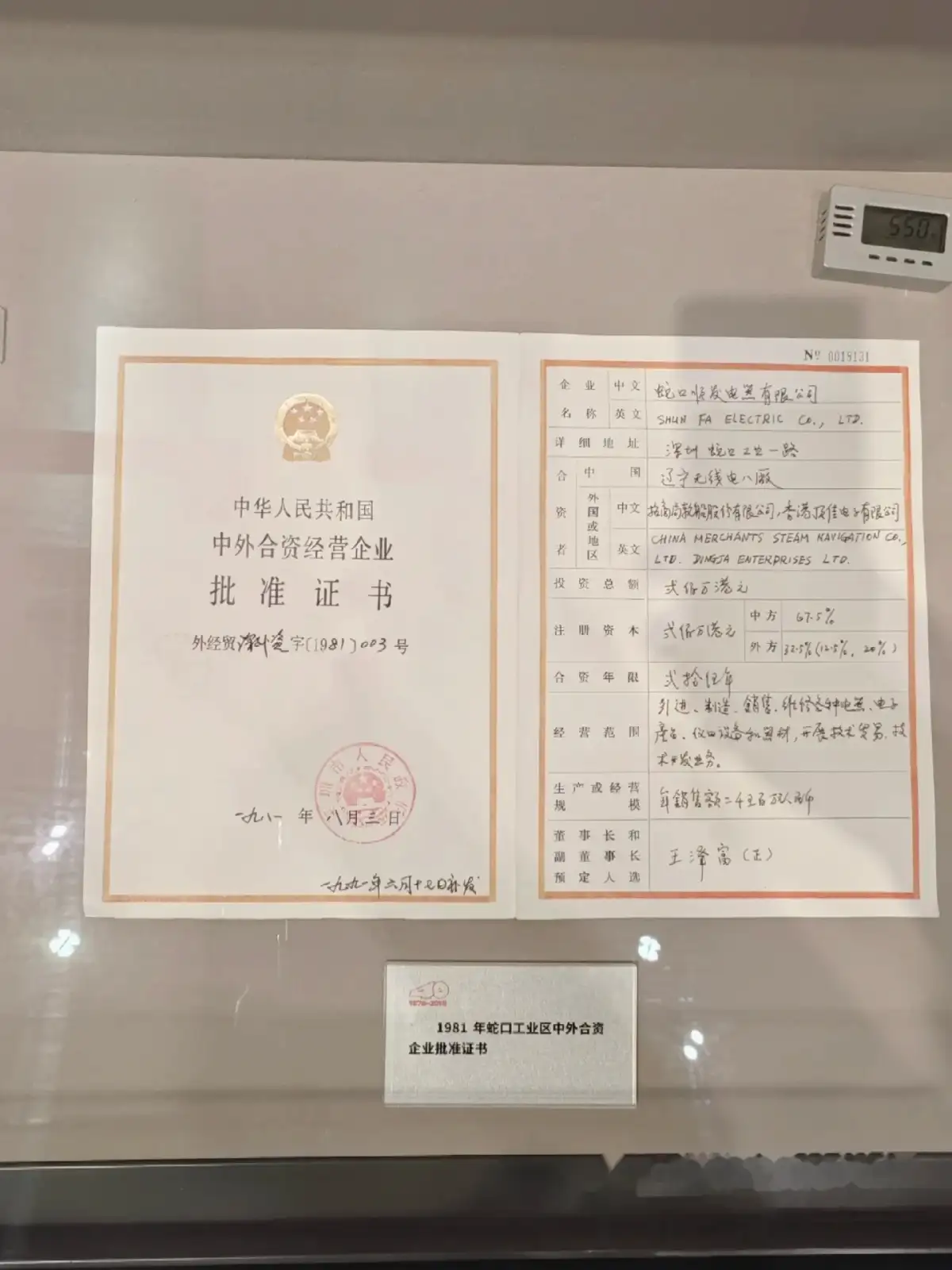
Let’s look at another photo, bringing the objects back to their users.
When objects are placed in display cases, their surrounding environment temporarily disappears. Historical photographs can supplement our understanding of how people used them, the contexts in which they appeared, and what other objects were present in those spaces at the time. Select a relevant image and compare what the photograph and the physical object each reveal to you. The physical object presents materials and dimensions, while the image depicts relationships; when combined, they offer a more multi-layered understanding.
When viewing the photographs, start by observing the relationship between the subjects’ actions and the surrounding space—don’t rush to focus solely on the architecture. Who is working? Who is observing? How are people gathered? Where are objects placed? Next, read the captions to confirm the date and location of the photograph. Details in the image may spark questions, but speculations without textual support should simply be left as unanswered questions. Photographs are not only visual materials but also historical records that require an understanding of their context.
When visiting with elders, photographs and artifacts can easily evoke vivid memories. You might ask them how they used similar items back then, and explore the similarities and differences between their memories and the exhibition. For families from overseas, you can also compare similar items from regions they are familiar with. Focus on usage needs and living conditions—don’t assume everyone’s pace of change was the same—as personal experiences will make the dialogue with the exhibition more concrete.
Finally, let’s turn our attention back to the city
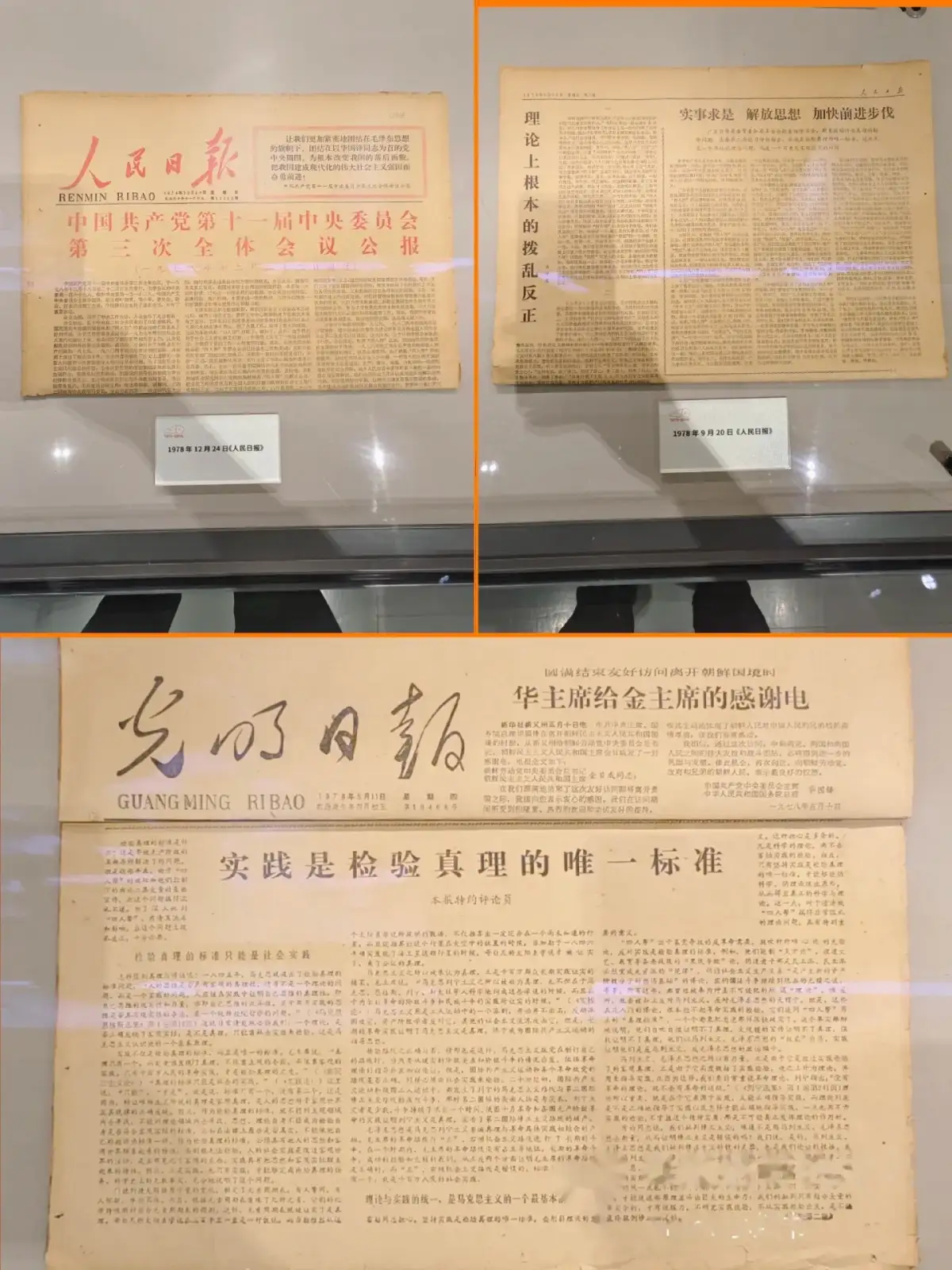
After viewing the artifacts and photographs, returning to the overarching narrative reveals that the grand picture extends far beyond a mere timeline. You’ll have come to understand how a need was addressed and how a way of life was transformed, and you’ll then be able to ask how these connect to production, transportation, or urban space. Reconnecting small pieces of evidence to the larger context is why thematic exhibitions are worth your time—and it also helps visitors identify the origins of their own understanding.
If you’re also interested in the theme of urban planning, it’s helpful to arrive with a specific question in mind. For example: After lifestyles have changed, what kind of urban spaces are needed to accommodate them? Maps and models are ideal for understanding regional connections, while historical artifacts are best for examining human use—each offers a different perspective. As you move through the exhibition, let your questions guide your journey along the exhibition route, rather than treating each new section merely as a backdrop for photos.
A brief visit with a clear conclusion
Select one exhibit, interpret its purpose and the background confirmed by the accompanying materials, and note its name along with a question.
Find a relevant image and compare it to see which people, spaces, or usage relationships have been added.
Return to the overarching narrative to explain how this exhibit helps you understand these changes, and what questions it cannot answer on its own.
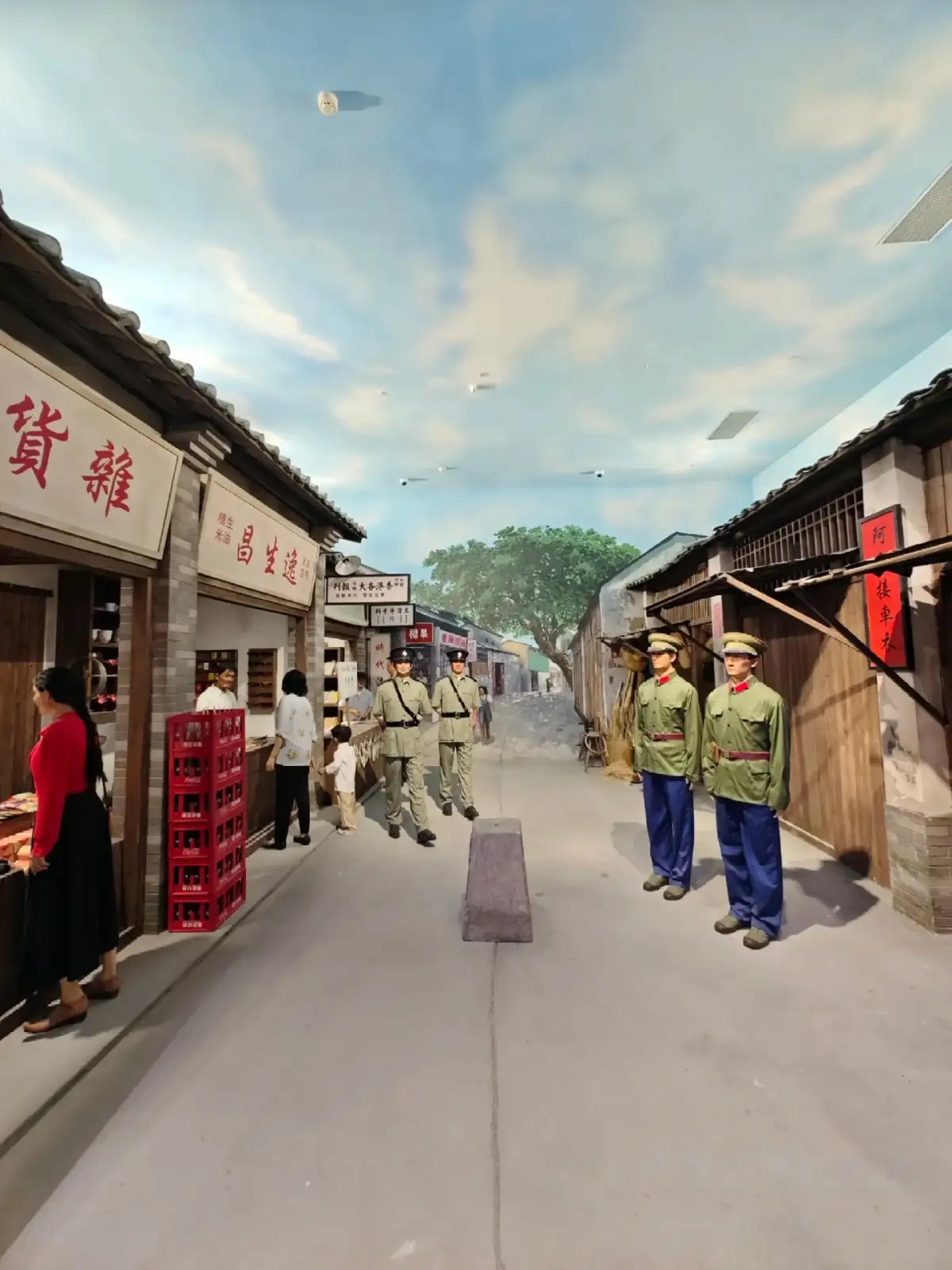
Since companions may have different interests, each can choose one exhibit to explore and then meet at an agreed-upon rest stop to share their insights. These choices may offer contrasting perspectives: some may focus on family life, others on work, and still others on urban connections. There’s no need to line up and wait in front of every display case, but the meeting location, time, and contact information should be clarified in advance so that everyone can engage in a shared discussion after their individual explorations.
Photographers should maintain the connection between the objects and their exhibition labels, while paying attention to the museum’s photography guidelines and reflections. If photos capture only the appearance of old objects, it becomes difficult to determine their age and purpose later on. When photography is permitted, recording essential descriptions or jotting down a brief note can transform the images into meaningful travel documentation. Real personal information and shots featuring the faces of other visitors should not be the main focus of the images.
After leaving the museum, walk intoShenzhen’s Urban Journey, shifting the focus from the skyline back to human activity. Where do people work? What spaces are suitable for living? How do people connect with one another? The exhibition does not provide a single, definitive answer for the entire city, but examining an everyday object within its historical context reveals that the transformations of a modern city also unfold on a very small scale.
Sources and Editorial Notes
They do not serve as proof of actual visits or services provided to Dongxing Travel clients.
Shenzhen Museum · A Museum Is a University: Introduction to Permanent Exhibits and Online Exhibitions · Official materials; Verified/compiled on: October 3, 2026.
Shenzhen Museum · Announcement on the Closing of the “History of Reform and Opening-up in Shenzhen” Exhibition · Official materials; Verified/compiled on: October 3, 2026.
Foreign Affairs Office of the Guangdong Provincial People’s Government · Shenzhen Reform and Opening-up Exhibition Hall · Official materials; Verified/compiled on: October 3, 2026.
Choose one familiar object
At a Shenzhen reform exhibition, choose one of the Shenzhen everyday objects whose use you can understand. Ask who used it and how it affected work or daily life, then connect it to a photograph. A short Shenzhen museum visit can follow that object without reading every panel.
Match the exhibition to its venue
A reform-themed exhibition and other museum venues may have different addresses, reservations and access. Locate the formal exhibition name instead of relying on a generic museum search. Check current notices and photography rules, then compare an object on today's street with what you saw inside.
Planning references