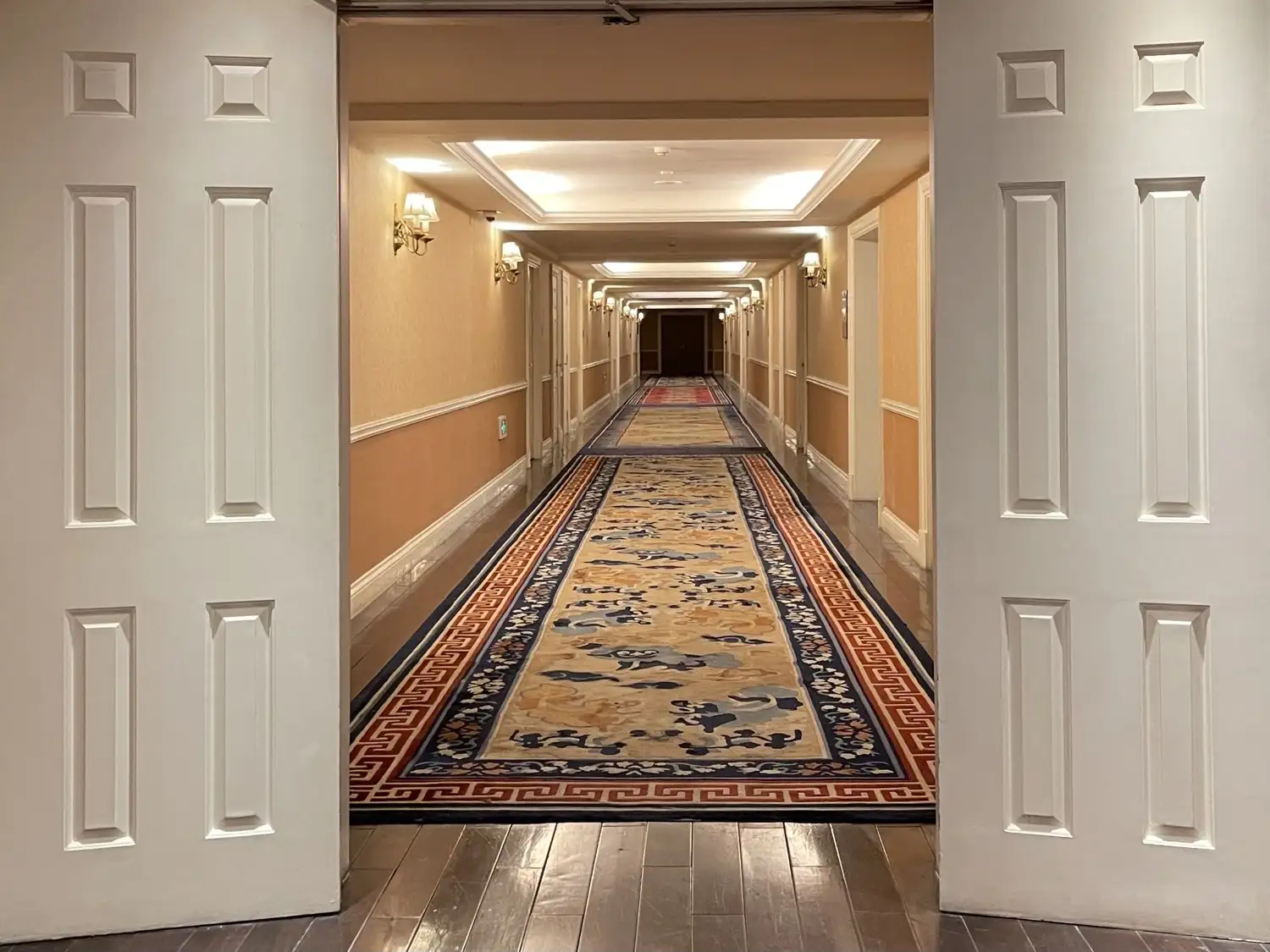
An overnight stay lets you divide the main sights into two manageable sessions. Travellers with luggage, older companions or light sleep should ask where a vehicle can stop, how far the remaining walk is and whether the room faces a busy street. Courtyard photographs do not establish sound insulation, lifts, private bathrooms or step-free access.
Confirm the actual room: traditional kang or standard bed, mattress, heating, air-conditioning, hot water, floor and bathroom location. Define a quiet room as one away from street activity and dining areas. Foreign visitors should also confirm the documents needed for accommodation registration. For a late arrival, obtain reception instructions and the usable city gate rather than relying on a daytime navigation route.
Group a remittance bank and nearby commercial streets on the first afternoon, followed by dinner and a short walk. Use the next morning for the county office or an open wall section before collecting luggage. The order can change; the point is to avoid repeatedly crossing the city. The tourism ministry's introduction helps distinguish different types of historic building.
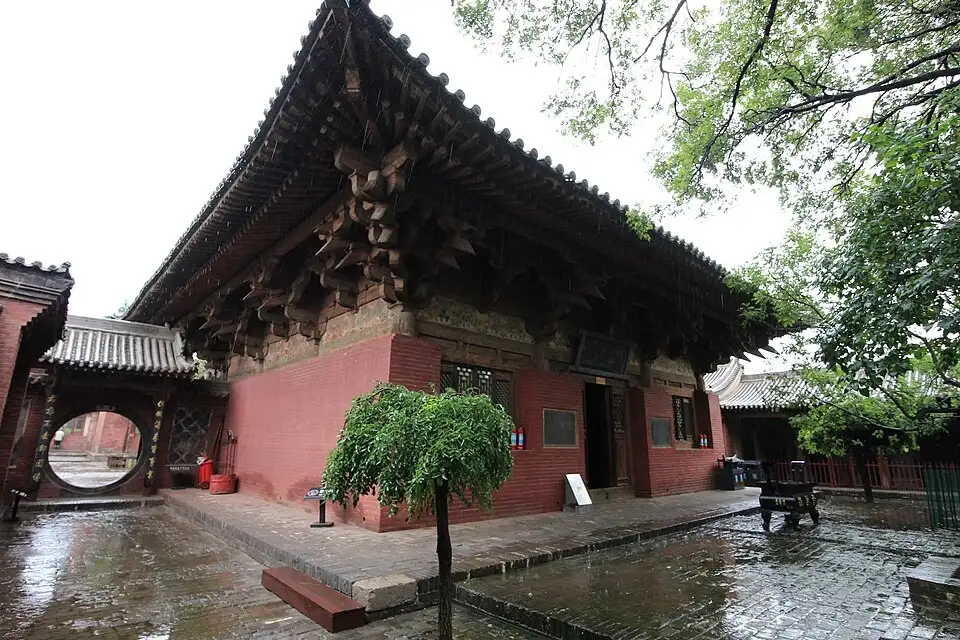
If adding Shuanglin or Zhenguo Temple, remember that UNESCO's site description places them outside the walls. Replace part of the second day rather than adding them to a full city programme. Confirm luggage collection and transfer charges, and check whether your train uses Pingyao or Pingyaogucheng station.
After poor sleep or in rain, retain just one morning priority and leave room for breakfast and departure. Planning advice and sources checked 22 October 2026; accommodation facilities and transfer arrangements must be confirmed directly.
Editorial archive date: 2026-03-04. This guide was compiled later; use the source-check dates stated in the text.