Eastbound Travel Editorial Department · Travel Diaries and Pre-Trip Reading
Start by exploring the arcades in Wencheng, then spend the afternoon in the coconut groves
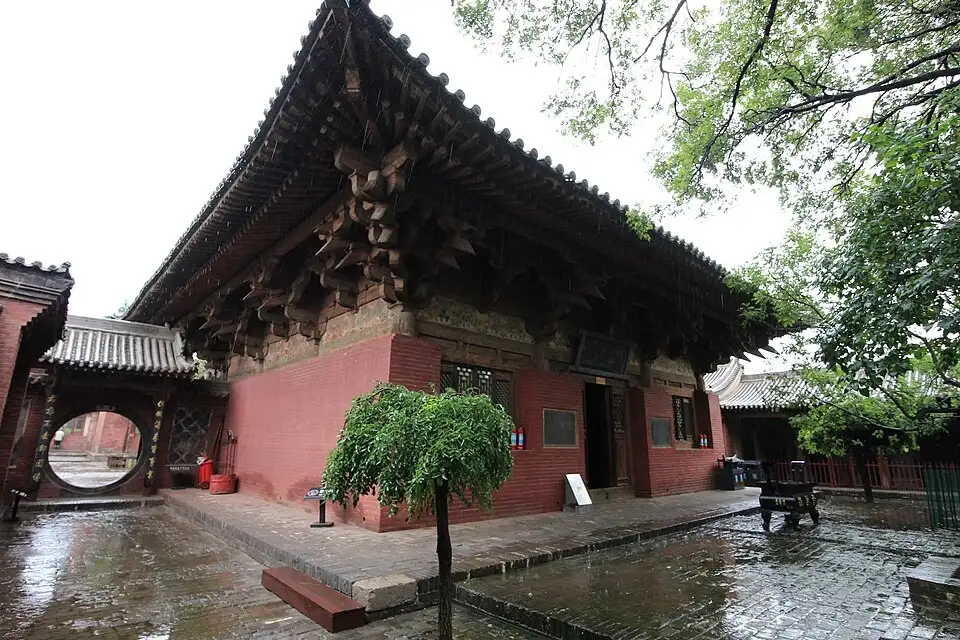
Wenchang encompasses urban streets, coastlines, villages, and coconut groves; when planning a day’s itinerary, select two themes that truly complement each other. You could spend the morning exploring the architecture and daily commerce of this overseas Chinese hometown on Wannan Old Street in Wenchang Town, then take a ride to the coconut groves in the eastern suburbs after lunch, and spend the afternoon strolling along open village roads and coastal areas. The Old Street does not lead directly to the beach at its end, nor do the coconut groves in the eastern suburbs represent the entirety of Wenchang’s coastline; travel time between locations must be calculated based on specific sites and routes. If arriving via Wenchang’s railway station, confirm the routes from the station to your accommodation and from your accommodation to the Old Street separately; settle your luggage first before exploring the arcades. There’s no need to cram in Puqian, Tongguleng, the area around the launch site, and multiple bays all in one day—each location has its own direction and itinerary. The Laojie section is ideal for exploring architecture and dining, while the Coconut Grove section depends on favorable weather and transportation coordination; the order of these two can be adjusted based on your accommodation location. By setting aside time for a meal, allowing for a full journey between locations, and establishing a clear return point, you’ll ensure that Wenchang isn’t just a fleeting view of coconut trees rushing by your car window.

The window decorations, shutters, and cobblestone streets of Wenchang’s Wannan Street, lined with continuous arcades. the Blink of an Eye
Wen Nan Old Street has the legacy of the Nanyang era etched onto its buildings
Wen Nan Old Street stretches along the Wenchang River. According to the Wenchang Municipal Media Convergence Center, its development is linked to investments made by overseas Chinese who returned to their hometowns during the late Qing Dynasty and early Republican era. With this background in mind, observing the arcades allows one to move beyond their mere appearance and explore the relationship between people and their homeland. Some people left Hainan for the Nanyang region in search of a livelihood; after accumulating wealth and experience abroad, they brought architectural concepts back to their hometown, resulting in streets that showcase both local and foreign elements. When visiting, there’s no need to assume every building dates from the same era, nor should you guess the owner’s country of origin based solely on the shape of the windows. First, read the historical explanations on-site, then select one or two facades with distinct features to examine the details: the open arcades on the ground floor, the window lintels on the upper floors, the parapets at the top, and the recognizable patterns in the ornamentation. The history of this overseas Chinese community can also be introduced through the sculptures near the entrance depicting journeys abroad and homecomings, but these represent a contemporary way of telling history and cannot replace the specific historical records of individual households. For visitors with experience living in Southeast Asia, familiar architectural cues may easily evoke a sense of connection; however, they should still distinguish between personal associations and Wenchang’s actual local history, seeking clarification before delving deeper.
Walking along the arcades, shade and business go hand in hand
The ground-floor arcades combine shade, shelter from the rain, and shop entrances—best appreciated on foot. Walk slowly along one side, observing how the columns divide the storefronts, whether the entrances are set back behind the columns, and how pedestrians navigate between merchandise, seating, and doorways. The decorations on the upper-floor exterior walls gradually come into view as the light shifts; even at noon, while sheltering under the arcade, you can still make out the distinctions between the windows and the walls. When the ground is wet, pay close attention to column bases, doorsteps, and drainage areas—don’t assume the entire stretch is slip-free just because there’s an overhang above. If someone is sitting in front of a shop or a store is receiving a delivery, give them space to pass first; when you stop to look around, choose a spot that’s a bit wider. Although the arcades connect to the street, the seating inside shops, staircases, and residential entrances each have their own boundaries—ask before entering. When encountering buildings with renovated facades, consider both the current maintenance and the historical form together; don’t assume that every wall must retain its weathered patina to feel historic. Walking through a row of shops with different businesses connected by a single corridor reveals that these buildings are not isolated exhibits—they continue to navigate the sunlight, rain, and street-level commerce of a tropical city to this day.

Coconut palms, sandy shores, and the ocean along the coconut grove on the eastern outskirts of Wenchang.
Life along the Wenchang River doesn’t need to be staged as a performance
View the Wenchang River from a permitted access point on the Old Street to take in both the rear of the arcades and the riverside road. This perspective adds a new dimension to the relationship between the river and the neighborhood compared to a standard front-view photo of the buildings; looking back from the riverbank also makes it easier to see how the houses are arranged in a continuous row along the street. Choose your specific riverside vantage point based on railings, roads, and on-site signage; do not enter closed-off sections of the riverbank or private backyards. Wen Nan Old Street still hosts everyday businesses such as clothing stores, barbershops, general stores, and tea houses. Observing how an ordinary shop opens for business and how neighbors interact often offers a more authentic glimpse into daily life than searching for a uniform, vintage facade. If you wish to photograph customers or people drinking tea, ask for permission first; do not treat the faces of the elderly as proof of the town’s history as a home to overseas Chinese. If you’re interested in learning the local dialect, ask a guide to explain the words on signs, terms of address, and phrases used in everyday conversation, then listen to how they’re actually used in the shops. Plan your riverside stroll for before lunch, walking to a familiar intersection before returning to a dining spot. Don’t keep venturing deeper into residential alleys just to find one more old house; everyday life in Wenchang has its own rhythm and boundaries, and travelers can already observe many concrete details in public spaces.
Chicken, rice noodles, and a cup of tea—that’s how to spend the morning sitting down
For lunch, you might start with Wenchang chicken as a main course, paired with vegetables and a staple food. The “white-cut” preparation is common; for dipping sauces and other cooking methods, refer to the restaurant’s menu. Before ordering, ask about how the chicken is prepared, the portion size, and the seasoning. If your companions do not want bone-in pieces, offal, or a specific dipping sauce, it’s more practical to state this directly rather than simply ordering by the dish’s famous name. Baoluo Rice Noodles are another culinary highlight in Wenchang; their name is linked to Baoluo Town, and the combination of rice noodles, broth, and toppings makes for a great breakfast or a lighter meal. Don’t assume every bowl is the same based on your experience with rice noodles in other cities—be sure to confirm whether beef, seafood, peanuts, or chili peppers are included. “Laoba Cha” teahouses are ideal spots for companions to sit down and chat. Some shops serve bread or other snacks; start by checking the day’s display and menu, then choose items you recognize. If you plan to try Qingbuliang later in the afternoon, save a little room for dessert—there’s no need to sample every famous dish in a single meal. Food also connects us to the hometowns of overseas Chinese: similar chicken rice or dim sum dishes have different variations overseas. A visit to Wenchang offers a chance to discuss these connections, but what local restaurants serve is ultimately up to their own management—travelers shouldn’t expect every meal to be an exact replica of the flavors found in Southeast Asia.
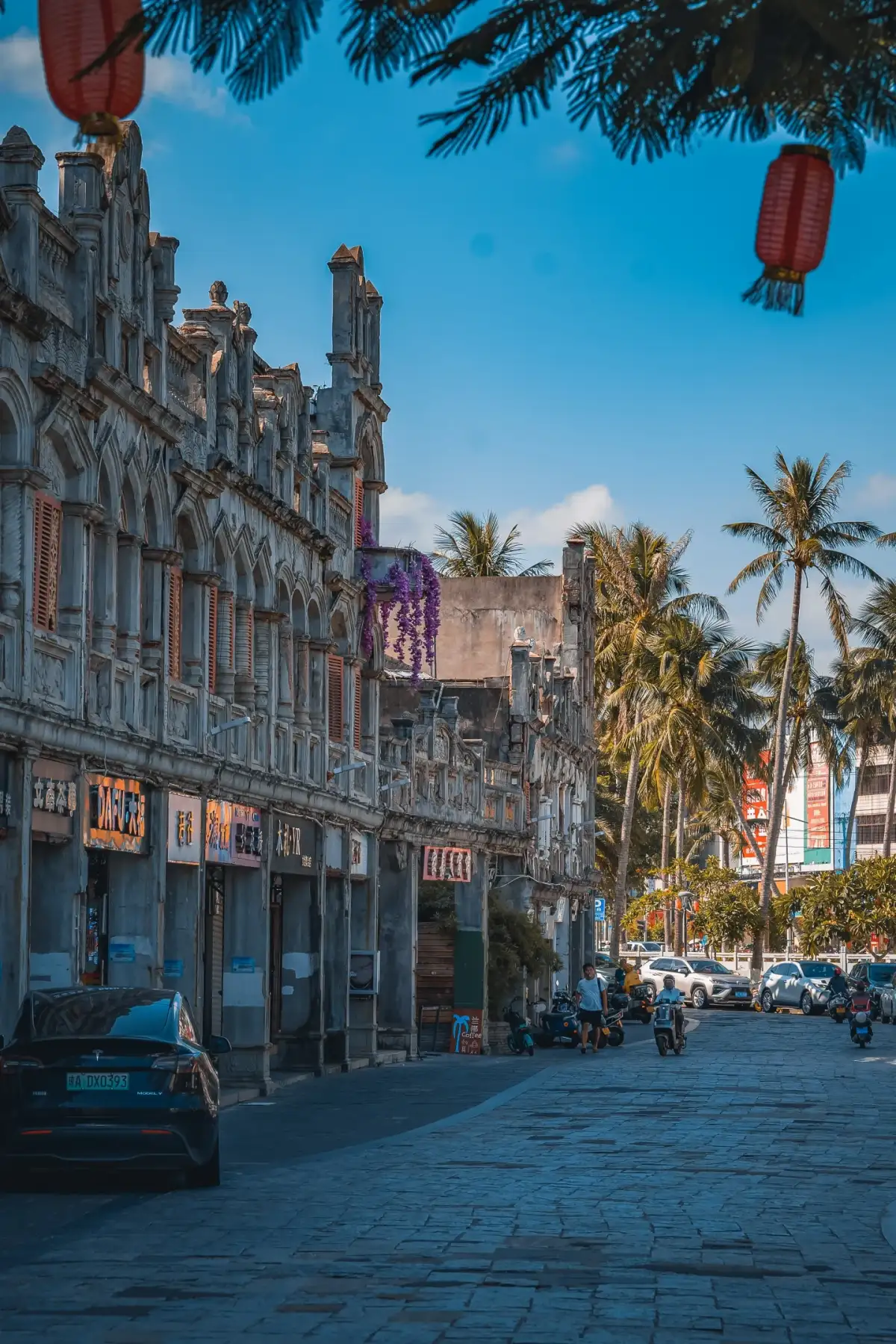
Palm trees, lanterns, and street traffic alongside the arcades on Wenchang’s Wannan Street. the Blink of an Eye
In the eastern suburbs, coconuts are also an integral part of daily life
In the afternoon, head to the Dongjiao coconut groves. From the car, you can first observe the changes along the way as the landscape transitions from the city to the countryside, then get off at the agreed-upon location. A recent report by Hainan’s agricultural authorities links the contiguous coconut groves of Dongjiao Town to Wenchang’s coconut industry, reminding visitors that coconut palms not only form part of the landscape but are also integral to cultivation, processing, and sales. Walk along a section of the village road open to the public to observe the relative positions of the coconut trees, residences, courtyard gates, and vendor stalls; some trees are arranged in open areas, while others are close to family living spaces—the entire area is not a single, unified park open for unrestricted wandering. If you’d like to learn about harvesting, the uses of coconut meat, or coconut shell crafts, feel free to ask business owners who are willing to explain—but do not climb the trees, pick the coconuts, or enter the planting areas on your own. When buying a freshly cracked coconut, confirm the price and how it will be opened first; after drinking it, place the shell in the designated collection area. The way the fruit hangs from the coconut palms, the patterns of light filtering through the leaves, and the movement of the branches and foliage all reveal a texture and rhythm distinctly different from those of the arcaded streets. Observing this authentic industry along the village roads offers a deeper understanding of the eastern suburbs than simply viewing the coconut groves as a backdrop—and helps explain why coconuts feature so prominently in local cuisine and crafts.
From the coconut grove to the coast: First, confirm which section is accessible
The coconut groves and coastline in the eastern suburbs can form part of an afternoon walk, but you’ll need to select specific locations that are confirmed to be open and have clearly marked entrances and exits. Once at the beach, first check the shoreline signage, wind and wave conditions, and staff instructions before deciding whether to simply stroll along the shore or participate in permitted activities. An open sea does not mean every spot is suitable for entering the water, and a gently sloping beach cannot replace a safety assessment of the water conditions on that particular day. If your main goal is to observe the interplay between the coconut groves and the sea, simply choose a walking path on land that offers an escape route. Pay attention to how the coconut trees approach the sandy shore, how the buildings face the sea, and how the wind causes simultaneous changes in the leaves and the water’s surface. During strong winds, stay away from dangerous trees and the water’s edge; during thunderstorms, follow the arrangements made by nearby businesses or hosts. The sky by the sea is particularly bright, and the colors in the afternoon differ from those on city streets in the morning. Be sure to plan ahead for hydration, sun protection, and rest—don’t simply rely on the wind to dispel the heat. It’s usually clearer to choose a spot to stop and return to the same pickup point than to walk a long distance along the coast and then hail a taxi on the spot—especially when traveling with children or the elderly. The return location should be determined before you begin your walk.
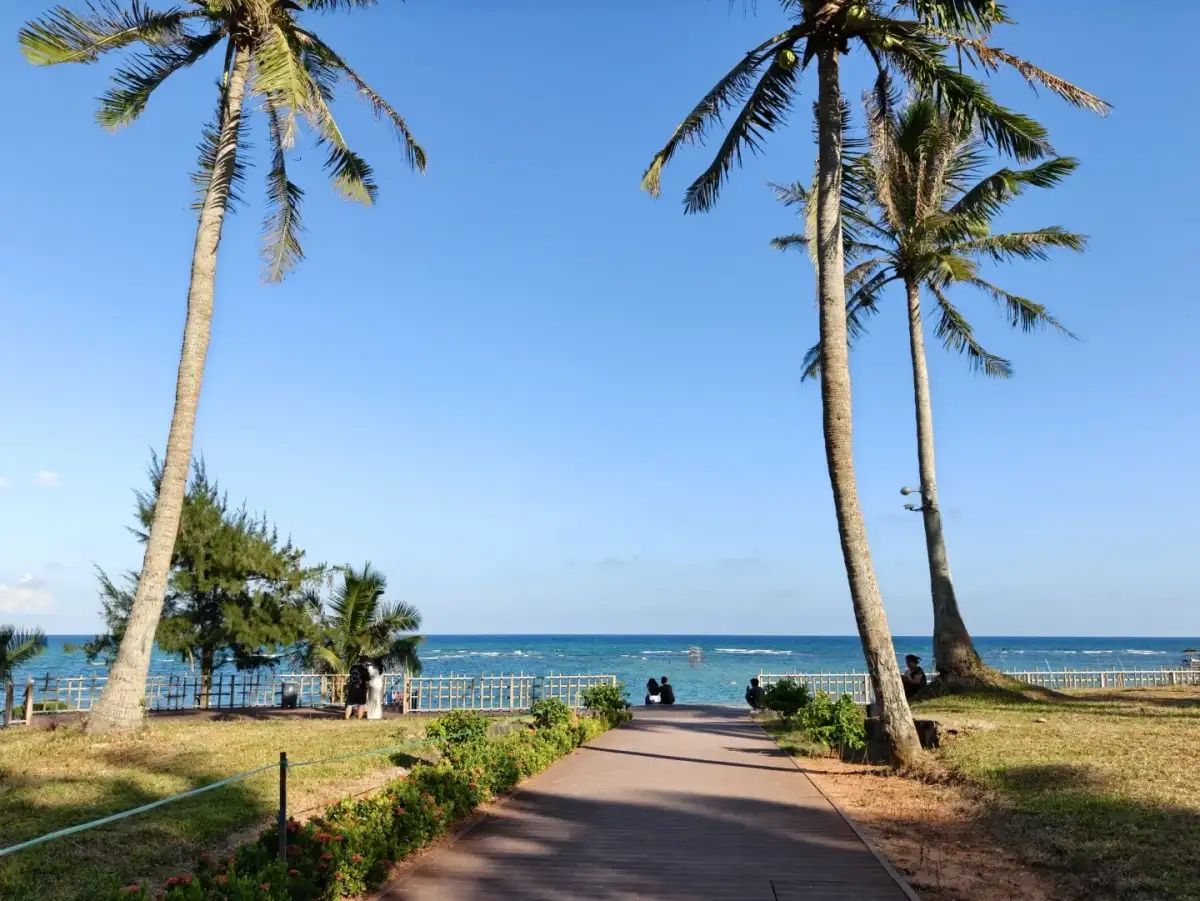
The seaside promenade, railings, and coconut palms in Wenchang’s eastern coconut groves, with tourists in the distance serving as a non-dominant background.
The Aerospace Park and other bays—set aside separate time for each
Wenchang is also well-known for its space-related activities, but arrangements for launch viewings and tours must be confirmed separately. Published launch information, road closures, access restrictions, and weather conditions can all affect your itinerary; do not assume that simply arriving in Wenchang guarantees you’ll see a launch that day, or that you’ll be able to access all coastal roads using navigation apps. If this theme is important to you, you should verify the applicable arrangements in advance with a qualified host and set aside a suitable time slot; even a day spent solely exploring the arcades and coconut groves offers a complete experience of this overseas Chinese hometown and tropical lifestyle. Decisions regarding Tongguleng, Puchuan, or other bays should also be made based on direction and the duration of the visit; in particular, the names and locations of Wannan Old Street and Puchuan Arcade Street must not be confused. During typhoons, prolonged rainfall, or strong winds, check official warnings first; tea houses in the city, cultural spaces that remain open, and rest stops can serve as alternatives for the day, though the decision to proceed should ultimately be based on local conditions. Leave room for flexibility in your plans; don’t make a single photo of a coconut grove at sunset or a rocket launch your sole objective. Only then will you have the opportunity to truly experience this city’s culture, industries, and cuisine.
Return to the meeting spot in the evening and cap off the day with some Qingbuliang to soothe the sea breeze
As the afternoon draws to a close, we’ll return to the meeting point along familiar village roads, taking one last look at the houses and businesses nestled beneath the coconut groves. In the morning, we explored shade and commerce in the arcades; in the afternoon, we observed cultivation and the coastline among the coconut trees. Though these two segments focus on different aspects, both are connected to how the people of Wenchang organize their daily lives. After confirming the number of participants and items, we’ll return to our accommodations as planned. There will be no last-minute detours to distant bays during the ride back, allowing dinner and rest to flow seamlessly. Those with a sweet tooth can order a bowl of qingbuliang at a shop with a clear menu. First, ask whether the base is coconut milk, sugar syrup, or something else, and which fruits, beans, and toppings are used, then choose according to your taste. The daytime breeze by the coast and the nighttime sounds of the city each have their own charm; there’s no need to rush back to the beach to prove the day was complete. If you’re staying in the eastern suburbs, have dinner locally and confirm the route back to your accommodation in advance; if you’re staying in Wencheng, you can also plan a short stroll near the Old Street. A row of arcaded shops, a grove of coconut palms, and two meals where you can clearly identify the ingredients—these elements have already woven together the history of this overseas Chinese hometown, tropical agriculture, and the flavors of Hainan into a day worth remembering.
Further Reading and References
Compiled and organized by the Eastbound Travel Editorial Department based on publicly available travel notes and listed information. Intended as pre-trip reading material; this is not a personal account of firsthand experience. Please verify opening hours, transportation, reservations, and service arrangements according to your actual travel dates.
Hainan Online: Wannan Old Street, “Laoba Cha,” and Local Snacks
A town-and-coast day
Wenchang arcaded streets can introduce local life and overseas connections before an afternoon in the Dongjiao coconut groves. This Wenchang coastal route still requires road travel. Confirm the precise coastal stop; the name Dongjiao alone does not establish proximity to your hotel.
Ask separately about coastal activities
Access to a shore does not establish safe swimming conditions. Follow weather, warnings and local management. Check any space-related visit, booking and transfer separately rather than assuming a launch or event is routine. Name the return entrance and allow breaks from strong sun.
Planning references