
East Travel Editorial Department · Travel Diaries and Pre-Trip Reading
First, get to know Wangkou from the other side of the river
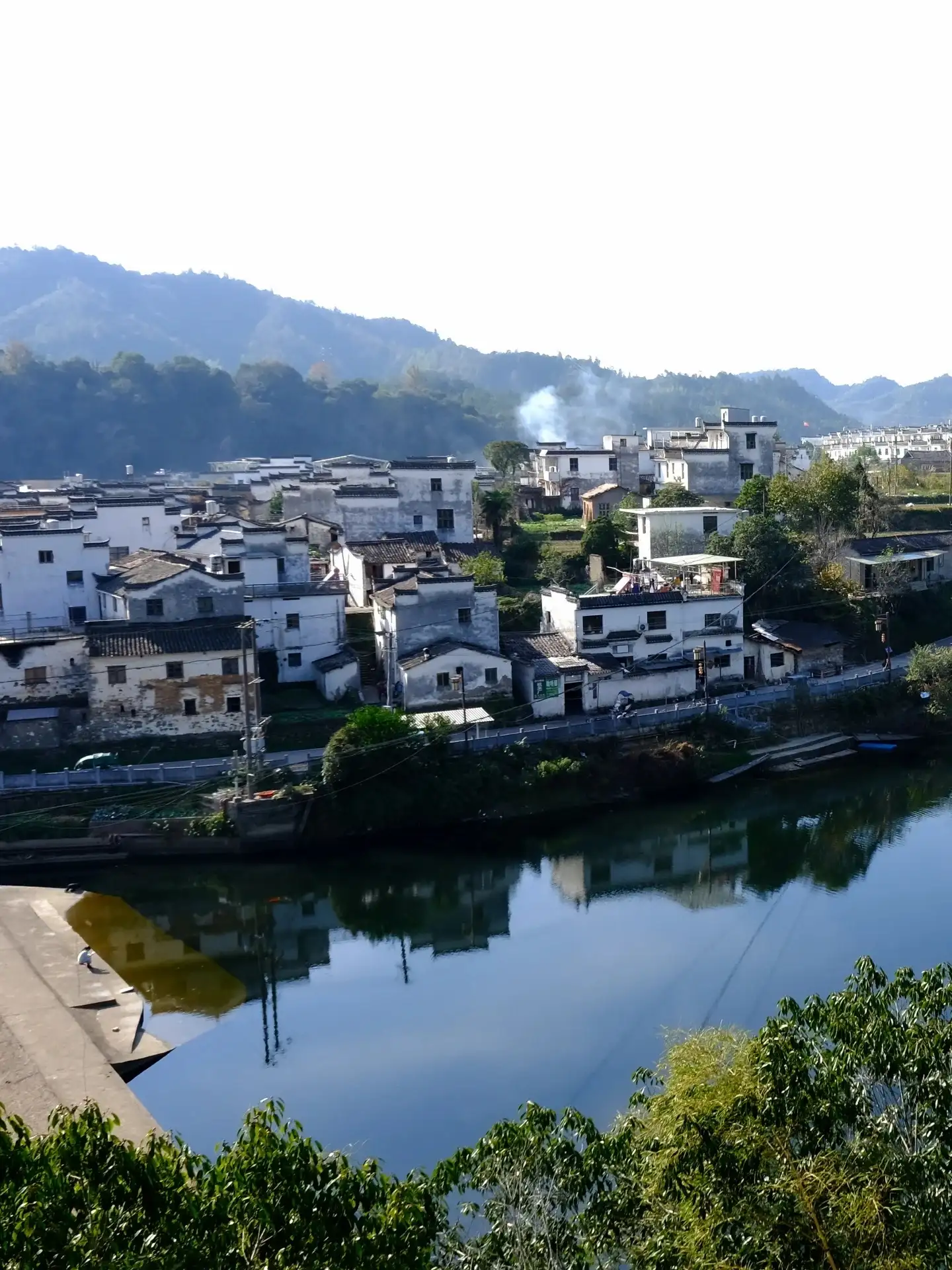
Wangkou is best viewed from outside the village. Standing at a vantage point with clear access, take in the river bend, the dwellings, and the mountains and forests beyond—the village’s outline becomes clearer than that of a single horse-head wall. The houses along the water’s edge form a continuous boundary, with their roofs rising in tiered layers toward the village interior, while the river separates the dense cluster of buildings from the mountains across the way. Upon arrival, first locate the parking area and entrance; do not get out of your car randomly along the bend, and do not take a shortcut without guardrails just because you’ve seen an aerial photo. On sunny days, the water reflects the scenery; on cloudy days, the white walls and dark roofs stand out more prominently—both weather conditions are ideal for discerning the village’s layout. On-site information signs place Wangkou within the context of its historical water and land transportation networks and commercial activities, giving the river a more concrete significance than mere scenery. Tourists taking photos along the river today can begin here by imagining how the roads and docks once supported village life, and then carry that question with them as they explore the ancient street.
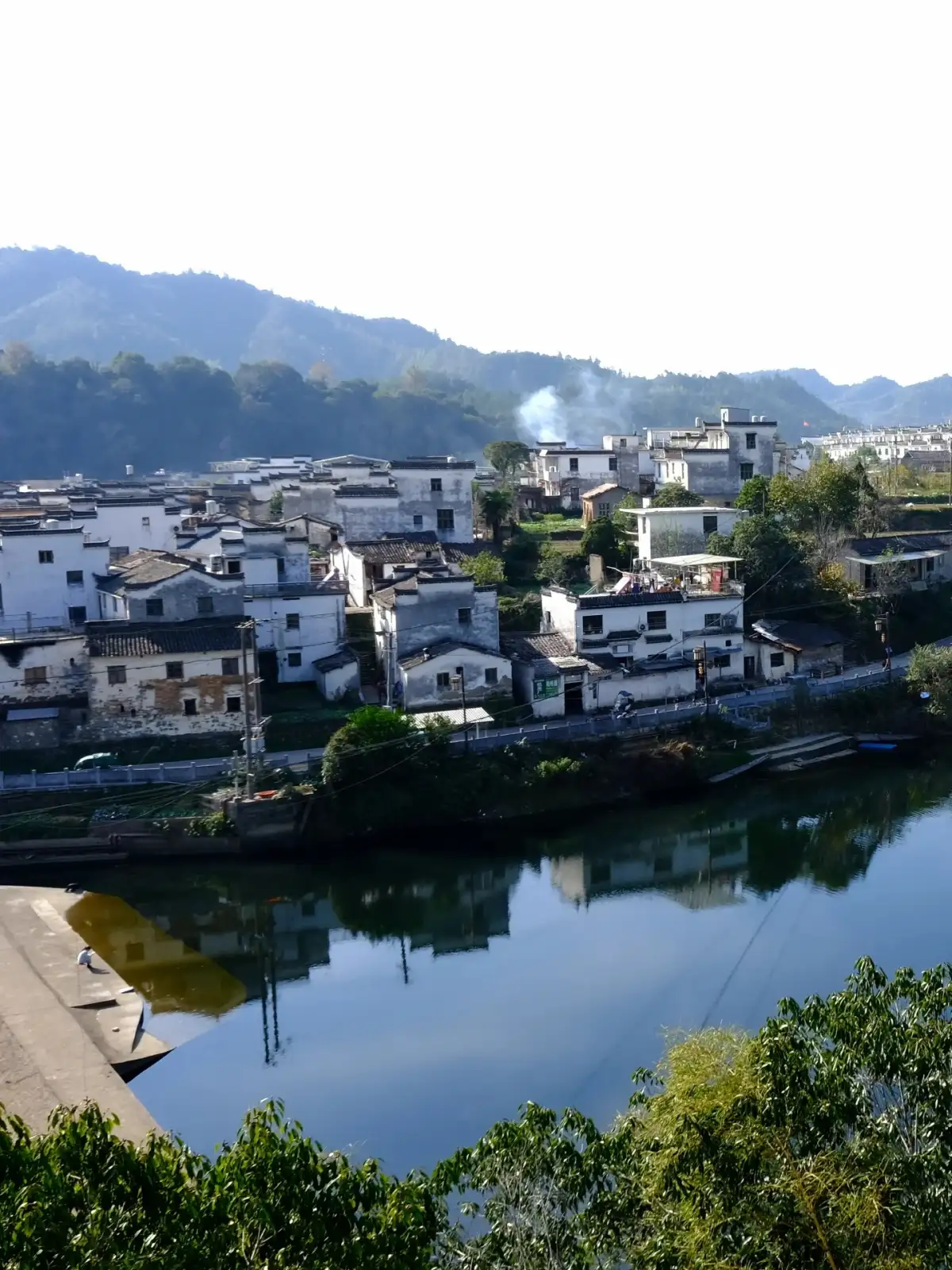
Residences along the Wangkou River and the surrounding mountains and forests.
Entering the Old Street, the River Temporarily Disappears
As you enter the village along the designated route from the entrance, the landscape shifts from a distant panoramic view to a series of narrow streets. The storefronts, alleyways, and openings leading to the river are not arranged along a straight visual axis; after just a few steps, you’ll encounter a new turn. Wangkou’s historic streets are best explored at a leisurely pace. First, identify the main street, then see which side streets lead back to the public riverbank. Keeping a map of the scenic area handy can help you avoid repeatedly turning around in the narrow alleys while relying on your phone’s GPS. When observing, don’t just look at the white walls—the brick surfaces, door thresholds, drainage gutters, and retrofitted electrical wires all reveal how the streets are used. The space left in front of doors is sometimes very small; a single car, a few flower pots, or a bench can alter the way people pass through. If you encounter residents moving items, yield the right of way before continuing. The winding nature of the alleys isn’t merely a quirk designed for tourists; it allows different residences, shops, and public buildings to find their own entrances within a limited space. Only by stepping inside can you see these practical connections.
The steps by the water connect the scenery to daily life
As you return from the historic street to the riverbank, notice how public pathways wind through the houses and connect to the lower riverbank. River jetties, steps, and waterside paths reveal how the village utilized the river, but observing it from above is quite different from descending to the water’s edge. When the steps are wet, the river is high, or the path is blocked, it’s best to stay above; do not imitate the people in the photos who are standing on the weir or in shallow water. As you look at the water’s surface, compare the differences between areas of slow-moving current and those where the water flows over a drop, and observe why the buildings on both banks are at different elevations. The village introduction mentions the waterways and trade of the past, providing a context for reflecting on these small passages leading to the riverbank. Don’t assume the specific purpose of a single set of steps during a particular dynasty based solely on its appearance; for a detailed historical understanding, it’s best to consult the guided tour commentary. This is a good spot for a brief pause to listen to the sound of the water and regain your bearings after wandering through the streets. Once you know which side of the village the river is on, the rest of your walk will be more than just a journey from one sign to the next.
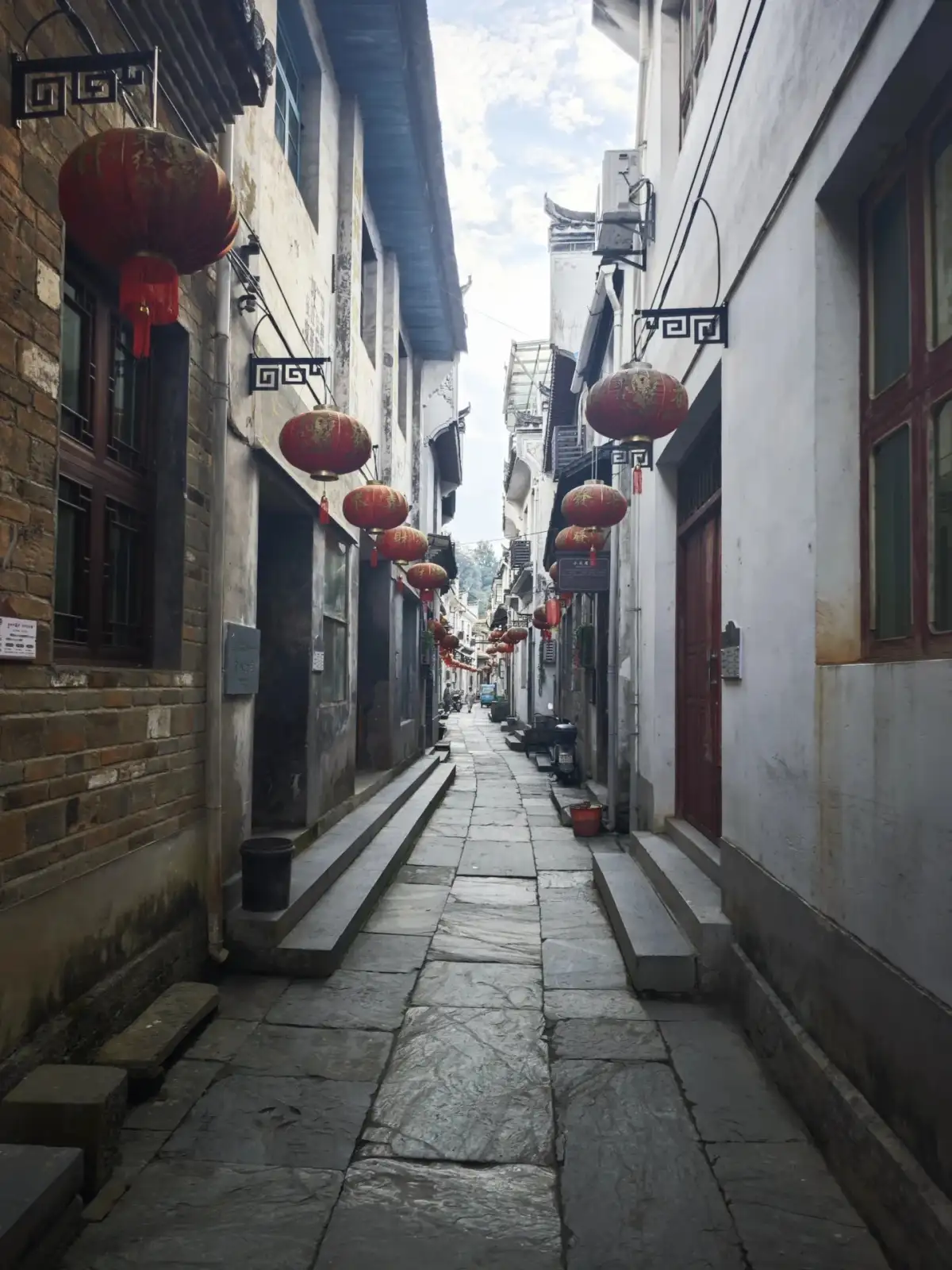
Wangkou Old Street and the stone-paved passageway.
The Yu Clan Ancestral Hall can be explored starting with its inscriptions
reach the Yu Clan Ancestral Hall; there’s no need to immediately focus on the details of the wood carvings. First, observe the relationship between the plaque, the couplets on the columns, and the interior space. Note which texts emphasize learning, family achievements, and shared memories, and then consider where they are placed. Visitors who cannot read Chinese can ask a guide to explain just one or two examples; there’s no need to memorize the literal meaning of every plaque. The inscriptions on the gatehouse and in the main hall serve as a gateway to understanding the ancestral hall’s function: it not only preserves family memories but also publicly displays certain behaviors worth emulating. Once inside, follow the designated path to observe the courtyards, columns, and roof trusses, noting how the interplay of light and shadow guides your gaze. The intricate wooden structures require a closer look, but maintain a respectful distance—do not touch or tap on them; similarly, do not cross the barrier to photograph the exhibits within the restricted area. An ancestral hall is not simply an enlarged version of a village residence; the public hall and the ancestral memorial space have different rules of use. Keep this in mind, and when you return to the streets outside, you will be able to distinguish between private life and communal affairs.
From Family Precepts to Village Covenants
Another aspect of Wangkou worth noting is the village’s public order beyond the family unit. Field visit records from Wuhan City Vocational College mention the Gongxin Hall, the Village Covenant Stele, and the Ancestral Hall inscriptions, and discuss family precepts and neighborly relations. Before your visit, you may want to jot down these names and ask your guide to point out the specific locations open for viewing that day. Clan halls emphasize the family community, while village covenants concern neighborly relations; though related, they cannot be simply viewed as one and the same. When viewing the stone steles, first determine which sections of text are the original inscriptions and which are modern explanations, then understand whether they record regulations, construction projects, or other matters. For foreign visitors, this provides an opportunity to discuss a common question: Before the formation of modern institutions, how did villagers articulate their responsibilities toward one another? The answer need not be exaggerated to suggest that the entire village was ever free of conflict. The inscriptions preserve what was advocated, mandated, and commemorated, while real life was far more complex. By keeping these distinctions in mind, one can move beyond the beautiful architecture of an ancient village to explore its social relationships.
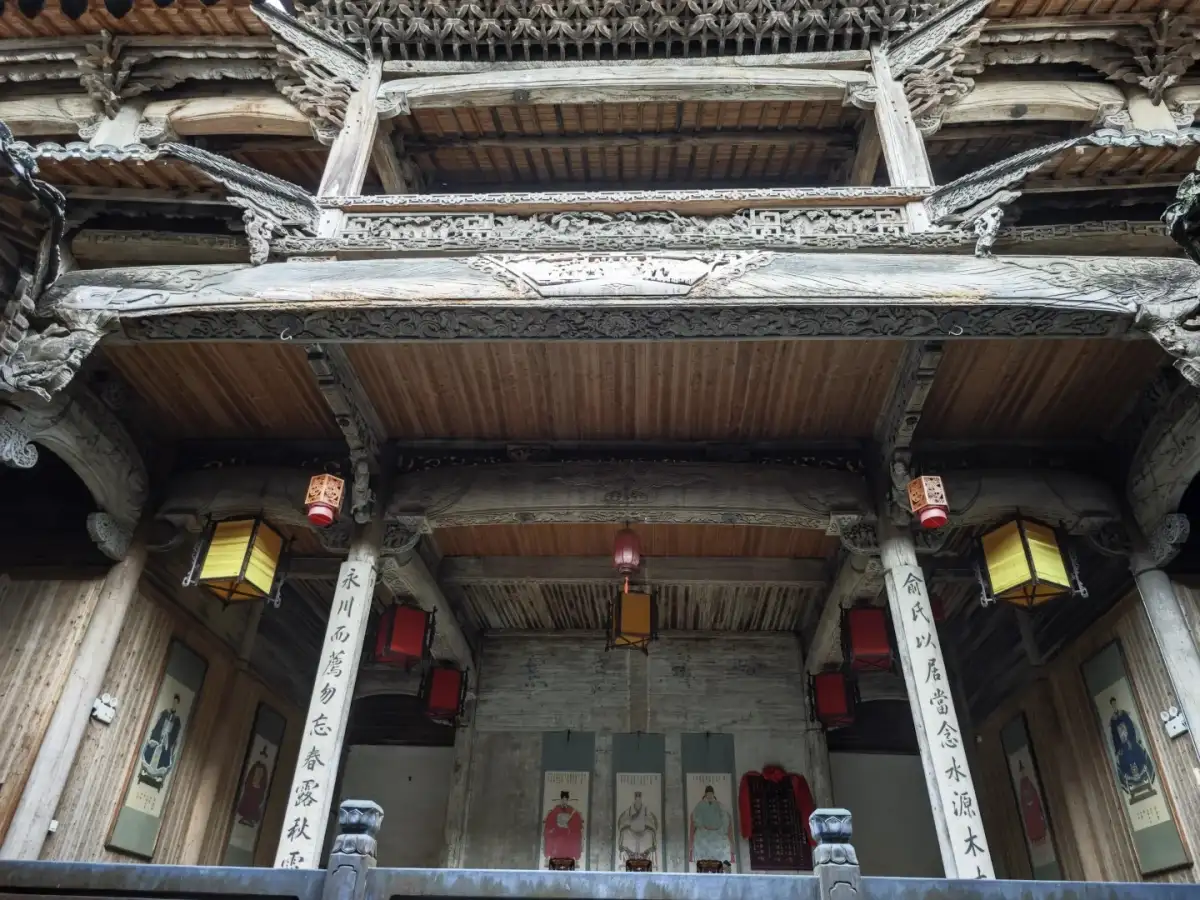
The wooden structure of the Yu Clan Ancestral Hall and its interior furnishings.
Set aside a little time for the nameless doorsteps
After viewing the public buildings, it’s best to return along the main street to the area of ordinary homes and small shops. Don’t rush to find famous landmarks; instead, observe how storefronts operate, how alleyways remain unobstructed, and how new items are incorporated into old buildings. If fabrics, food, or daily groceries displayed along the street catch your interest, ask before looking—don’t treat the shops as free backdrops. If you need to eat, choose a place with a clear menu and seating where you can rest, and confirm the portion sizes and ingredients; when unfamiliar with local dish names, photos or translations are more reliable than simply guessing the literal meaning. Taking a genuine break will also prevent your afternoon exploration from becoming increasingly rushed. If you plan to buy food to take away, find out how to store it and consider your upcoming transportation plans. The village is still evolving, with air conditioning, electric vehicles, and tourist signs all part of daily life today. Understanding an ancient village doesn’t mean excluding modern elements; rather, it means observing how they occupy the space and coexist with the original roads and buildings. This section has no set endpoint—you can stop whenever you feel the need to rest.
place Wangkou within the context of Wuyuan’s eastern route
Wangkou can serve as a stop on a Wuyuan itinerary, but road transportation is still needed to travel between the county seat, Jiangwan, Huangling, and other locations. Decide on the main objective for the day before you set out: if your focus is on the social life and architecture of the ancient village, set aside a full half-day for Wangkou; if you have a reservation for another scenic area in the afternoon, allow extra time in the morning to account for transfers. Confirm the entrances, ticket types, and accessible areas for each attraction separately; do not assume they are the same just because they often appear in the same tourist brochure. Check the day’s schedule for public transportation and the final walking distance; those returning later in the day especially need to clarify the pickup location. If driving, park and walk; do not attempt to drive your vehicle into every ancient street. If accompanied by a guide, mention in advance your interest in the history of clan halls, village regulations, or waterways so the tour can focus on these topics. Many villages hold cultural significance, but they can only be meaningfully compared when the itinerary is well-planned; constantly switching vehicles to rush from one spot to the next will likely leave you remembering only the similar white walls and tiled roofs.
After the rain and in the fall, there are different sights to see
Spring and summer bring frequent rain, so the riverbanks and stone surfaces in Wangkou may be slippery. Your route should be structured around the main street, which is elevated and in good condition. When a sudden shower hits, head first to an indoor space where you can take shelter, and wait until the rain eases before venturing to the open riverbank; do not continue searching for low-lying shooting spots when the river level is rising noticeably. In the fall, you can capture the colors of the mountains and forests alongside the village rooftops; on sunny afternoons, the high contrast means that the bright white walls and dark doorways won’t both appear sharp in the same photo. In winter, be mindful that daylight ends earlier and plan your return trip accordingly. If you’re only stopping briefly outside the village, the panoramic view of the river bend offers a complete experience on its own; if you have time to explore the village, you can fill in the details of daily life and social structures that aren’t visible in the panoramic view. Before leaving, take one last look at the river—the ancient street, the ancestral hall, and the riverside path you just passed will now fall into place. The bend at Wangkou thus belongs not only to the flowing water but also to the traveler’s understanding: a village that appears quiet at first glance gradually reveals the traces left behind by commerce, family, and neighbors.
Further Reading and References
Originally compiled by the Dongxing Travel Editorial Department based on publicly available travel notes and listed information, intended for pre-trip reading and not as a personal account of the experience; please verify opening hours, transportation, reservations, and service arrangements according to your actual travel dates.
Wuhan City Vocational College: Field Visit to Wangkou and Rural Gathering
A focused village stop
Link the riverbank, old street and Yu ancestral hall into a slow visit to Wangkou village. On a Wuyuan eastern route, choose one substantial cultural stop. If your group has already visited several villages, spend more time observing the river instead of repeating similar introductions.
Know where to pause
Water steps, doorways and lanes may serve residents' daily needs. Check signs before stopping. Ask about visible family teachings without entering private interiors. After rain, reduce stops close to the water and name a specific bridge or entrance for meeting.
Planning references


