East Travel Editorial Department · Travel Diaries and Pre-Trip Reading
First, get to know this stretch of the riverbank along Xiling Gorge
Three Gorges Home is located in the Xiling Gorge area of Yichang, between the Three Gorges Dam and the Gezhouba Dam. This location defines its main attractions: the broad Yangtze River, the stream valleys leading to the shore, the buildings nestled against the mountains, and the cultural exhibits showcasing the gorge region—all of which can be explored and compared against one another in a single day. When departing from downtown Yichang, first confirm the day’s visitor entrance, transportation connections (between buses and boats), and return point before deciding which section to start with. This is not the same experience as a tour of the Three Gorges Dam or a long-distance cruise through the Three Gorges; cramming multiple activities into a single day can lead to underestimating the time needed for transfers. It’s best to set aside a full day for “Three Gorges Home.” Spend the morning exploring the shoreline and streams, then tackle the upper mountain sections in the afternoon depending on your stamina; if you’re traveling with elderly companions, you can focus primarily on the stream valleys. On the map, the two banks of the river appear close, but crossing actually requires using designated ferry services and organized transportation routes; do not estimate walking times based on the straight-line distance along the shore. The first things to establish for your itinerary are which bank you’re on, where you’ll board the next ferry or meet up, and which trails require retracing your steps.
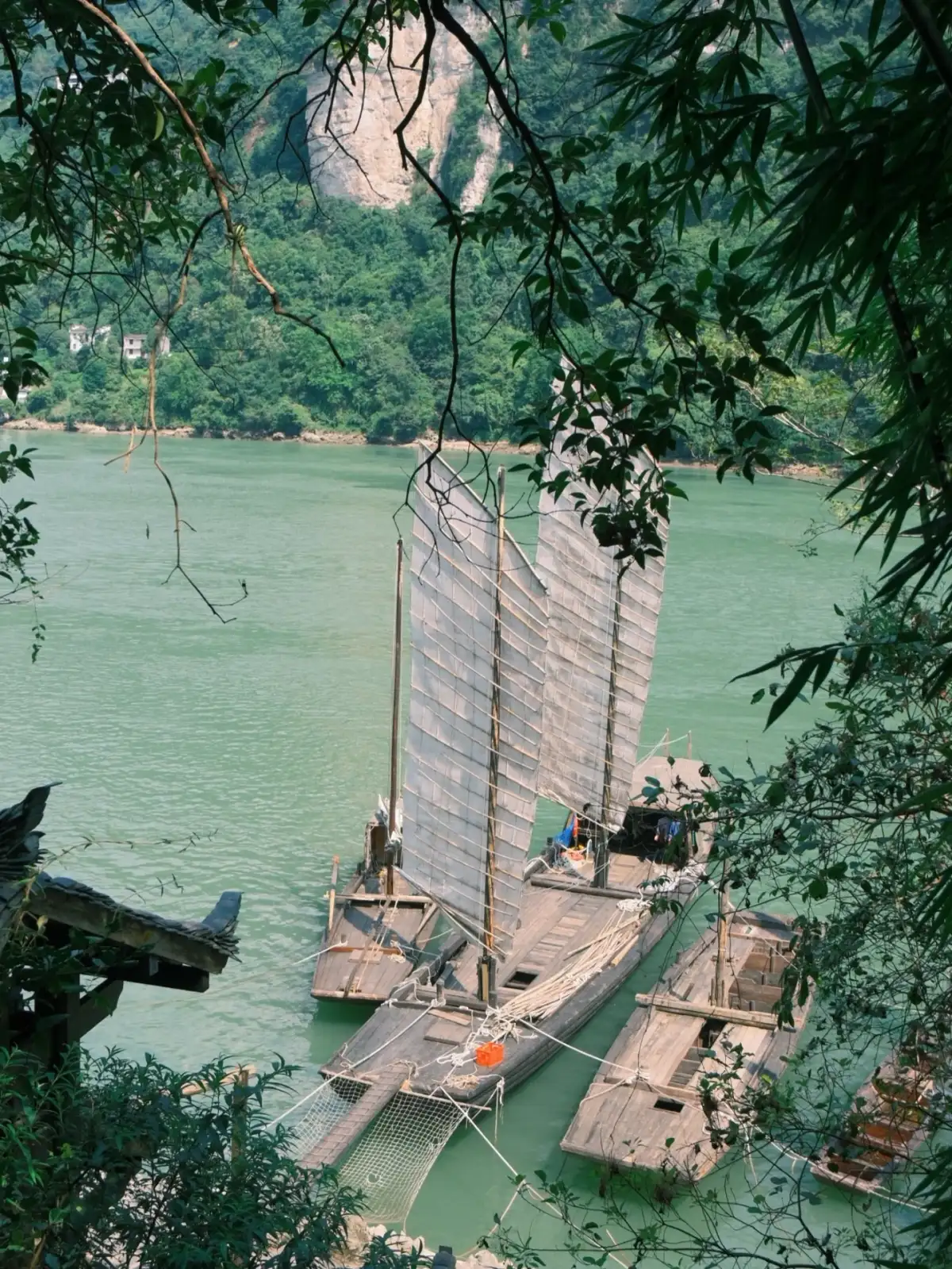
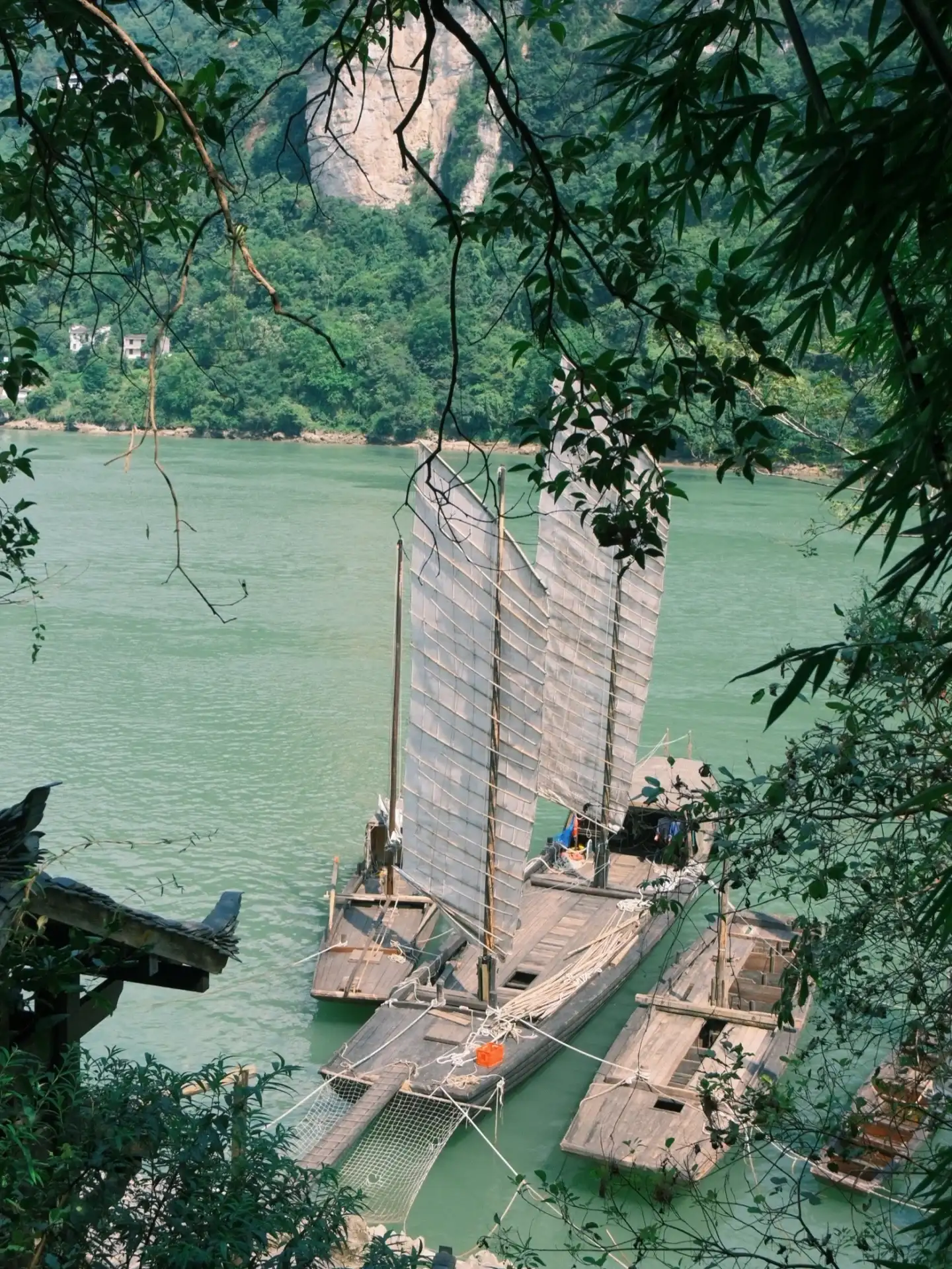
Sailboats along the shore at Three Gorges Home in Yichang, the waters of the Gorge River, and the mountains and forests on the opposite bank.
View from the river showing how the mountains enclose the river channel
Once you reach an open riverbank, start by observing the mountains on the opposite shore from a permitted viewing spot—don’t rush to find a specific rock with a name on it. The mountains of Xiling Gorge rise steeply from the water’s edge, with cliffs, forests, and buildings at the base of the slopes dividing the riverbank into different levels; as boats pass by, they also provide a reference point for the river’s width. The visual experience differs between the distant bends and the gentle, near-shore stretches. You can walk a short distance along the open shoreline to observe how the ridges are obscured after a bend. If you’re riding a boat arranged by the scenic area, settle in before observing the interplay between the two banks; be sure not to block the boarding and disembarking passages when taking photos. The color of the river changes with the inflow, lighting, and weather; the same stretch of the gorge does not always appear blue-green. A light mist can soften the appearance of distant mountains, while clear skies make it easier to see the vegetation on the slopes—both conditions offer visual interest. Railings, safety lines, and crew members’ guidance along the riverbank should also be factored into your composition; do not cross these boundaries simply to leave only water and mountains in the frame. The value of this stretch of riverbank lies in understanding how the small stream behind it ultimately flows into a great river.
Longjin Creek brings the view closer
Upon entering the Longjin Creek area, shift your attention from the mountains on the opposite bank to the tree roots along the shore, the reflections on the creek’s surface, and the lower sections of the buildings. The scenic area’s guide highlights riverside dwellings and floating homes as distinct aspects of the gorge’s charm, and Longjin Creek offers the perfect vantage point to observe these elements up close. As you follow the designated trail along the stream, take a moment at each bend to observe whether the water upstream is shaded by trees and whether the scenery on either side of the bridge has changed. When the water near the shore is calm, the reflections of wooden boats and the buildings on the bank tend to form continuous patterns; when the wind picks up or boats pass by, the reflections quickly scatter. Allow plenty of time for this section so that your companions can stop as they please and then regroup. The bridge surfaces and steps along the stream become wet when it rains; ensuring your shoes have good traction is more practical than worrying about whether your outfit is suitable for photos. Enter only areas where access is explicitly permitted; do not treat visible rocks along the water’s edge as natural pathways. If a narrow section is crowded, pass through first, then look back from the wider area ahead—you’ll still be able to see the direction of the stream valley, and this will allow others to continue walking unimpeded.
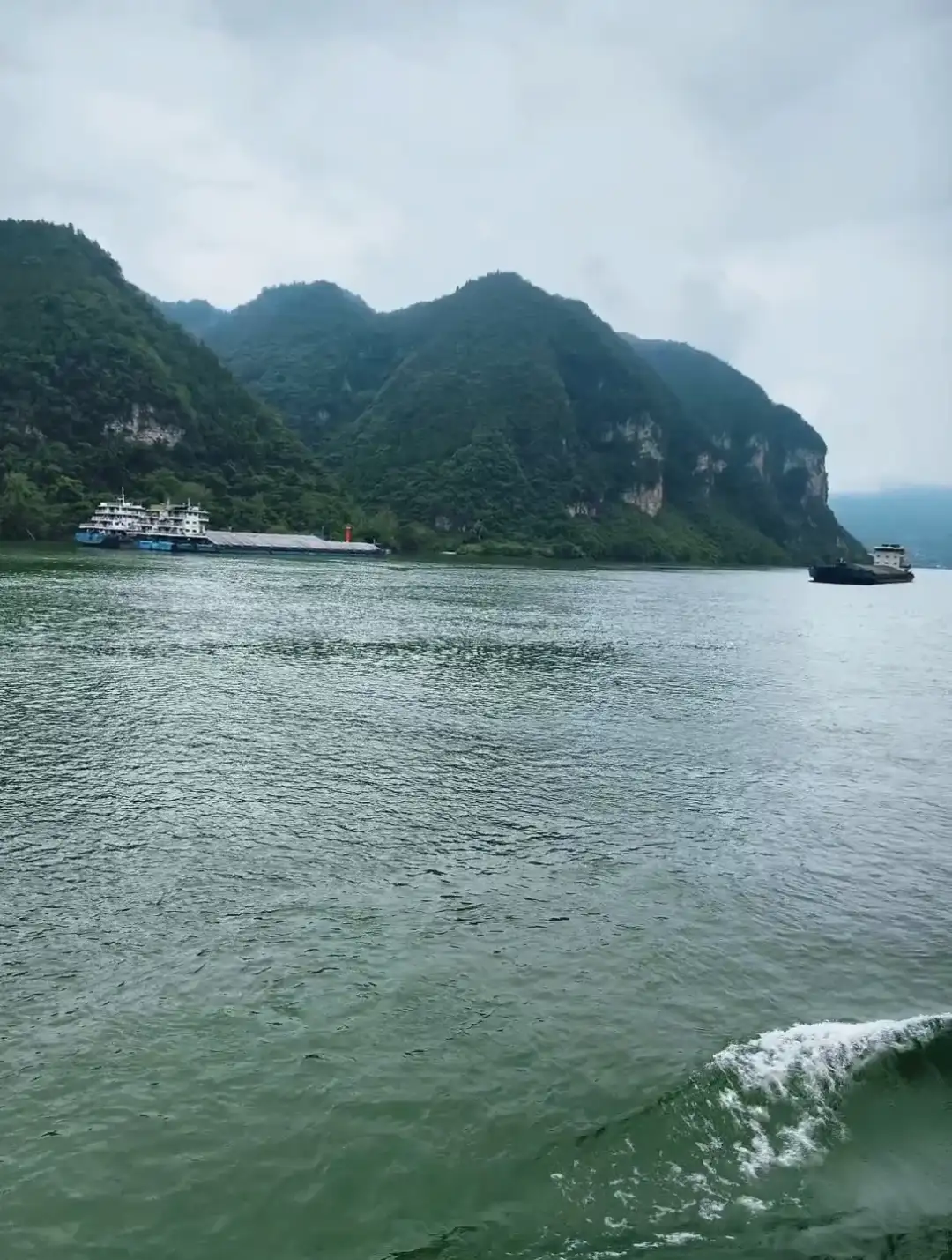
Views of the gorge waters, piers, and mountains along the route of the “Three Gorges Home” cruise.
Stilt houses and wooden boats should be viewed within their cultural context
When observing the stilt houses along the gorge, the most noteworthy aspect is how the architecture adapts to the slope of the riverbank: the upper sections provide living and recreational spaces, while the lower column bases help manage the elevation difference. When you encounter wooden structures along the stream, observe the relative positions of the roof, platforms, and supports from the side to determine whether the building is closer to the water or the mountain. Wooden boats evoke the history of river crossings, transportation, and riverside life, though the boats and traditional costumes on display within the scenic area also serve as tourist attractions. To gain a more accurate understanding, distinguish between authentic artifacts, reconstructed displays, and live performances while viewing. If a guide is present, ask how this architectural form was used locally or how the boats’ structure relates to navigation on the gorge-filled river, rather than simply asking a performer if you can take a photo with them. Both staff members and visitors have their own pace of activity; ask for permission before taking photos of people, and avoid entering waterfront sets or performance areas in search of close-up shots. The architecture and boats can prompt genuinely specific questions: How were goods loaded and unloaded? How does rainwater drain from the eaves? And why is a platform needed between people and the water?
Set aside some energy for the mountain sections
Beyond the riverbanks and valleys, the scenic area also features attractions such as mountain villages. Before planning this part of your itinerary, check the day’s guide map and the actual routes available for ascending and descending the mountains to confirm the number of steps, transportation facilities, and the connecting paths back to the riverbank. If you head up the mountain simply because a distant view looks appealing, you may find yourself halfway up only to realize the return journey is quite long. Those willing to climb can treat the mountain as a separate afternoon route, resting and rehydrating before continuing; if your companions prefer not to hike uphill, you can pre-select a spacious meeting spot where you can easily stay in touch. Viewing the gorge from the mountain offers a more complete picture of the relationship between the cliff face and the river channel, with nearby houses appearing as points along the slope. This is also a good spot to reflect on the elevation changes observed along the riverbank that morning and to understand why the buildings along the shore aren’t arranged in a straight line. On hot days, there’s no need to visit every high vantage point; after rain, be mindful of slippery stone steps and handrails. If staff advise that certain areas are closed or access routes have been adjusted, adjust your itinerary promptly to allow time for guided commentary and a stroll along the stream—the day will still be well-spent.
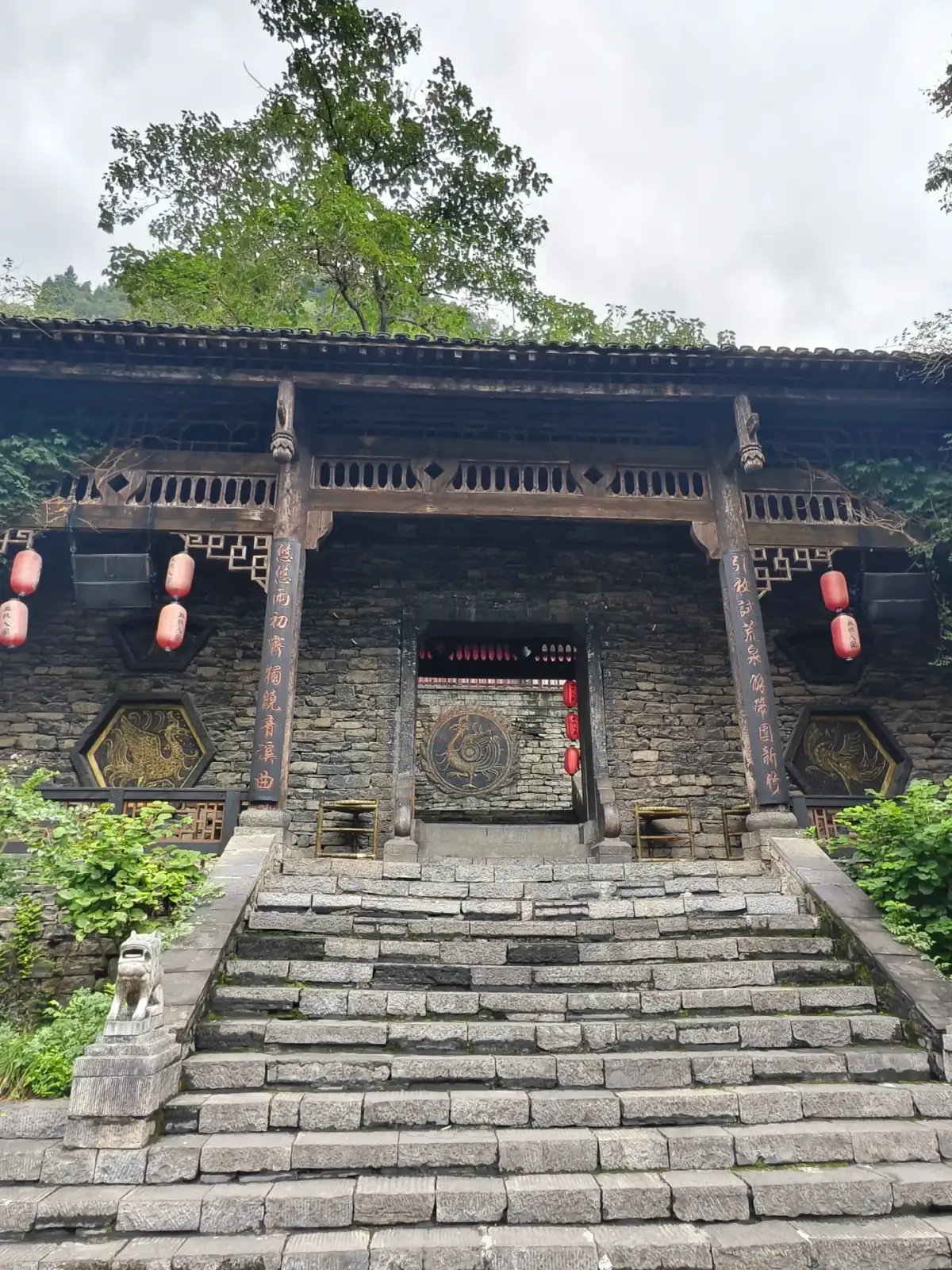
Stone steps, wooden decks, and red lanterns on the hillside at Three Gorges Home.
Set aside separate time to explore the history of Shipai
The Shipai area, where “Three Gorges Home” is located, also has a history tied to the War of Resistance. Official Yichang scenic area materials list attractions such as the Shipai War of Resistance Memorial Hall; however, you should verify with your tour operator before departure whether it is open and included in that day’s itinerary. If a visit can be arranged, set aside a separate time slot from the folk performances to allow for a thorough understanding of the locations, figures, and chronological relationships depicted in the exhibits. Start by familiarizing yourself with the gorge waterway on a map before viewing the exhibition; this will help you grasp why the geographical location held strategic significance. When reading the exhibition panels, pay attention to the sources of historical materials, whether the displayed objects are originals or replicas, and the exact locations of the sites mentioned in the commentary. For international visitors unfamiliar with this period of history, ask the guide to first explain the background of the war and Yichang’s strategic position before delving into specific events. A visit should not merely be a matter of checking off a name on a scenic itinerary, nor should the memorial space be treated as a lively backdrop for photos. If you are unable to enter the museum on the day of your visit, you can still keep this historical topic on your itinerary and continue to learn about it using reliable sources once you return to the city, avoiding the temptation to substitute it with unverified legends.
Lunch: Bringing the Flavors of Yichang to the Itinerary
You can have lunch at established dining establishments. Be sure to check the menu, portion sizes, and serving times first—especially to ensure you have enough time to make it to your afternoon boarding or meeting point. Yichang’s culinary highlights include Tujia-style cured meats, oven-baked potatoes, pressed Sichuan peppers, as well as local snacks like radish dumplings and “cool shrimp.” Since preparation methods vary by restaurant, asking specifically whether chili peppers, pickled ingredients, or animal fat are used is more likely to result in a meal that meets your needs than simply stating you don’t eat spicy food. “Liangxia” is the name of a sweet treat, not a shrimp dish; for radish dumplings, you should also check the restaurant’s actual finished product first, to avoid ordering based solely on your imagination of ordinary boiled dumplings. If you base your lunch on a hot dish, vegetables, and a staple food, you’ll have more energy for the uphill hike in the afternoon. You can save the local snacks for when you return to Yichang; there’s no need to expect every riverside restaurant to offer all the signature dishes found in the city. Discussing food can help you understand the connection between life in the gorges and the mountainous terrain, but don’t assume that every version of a particular dish follows the same standard recipe, and certainly don’t assume that a restaurant’s name alone certifies it as an authentic representation of a specific ethnic group.
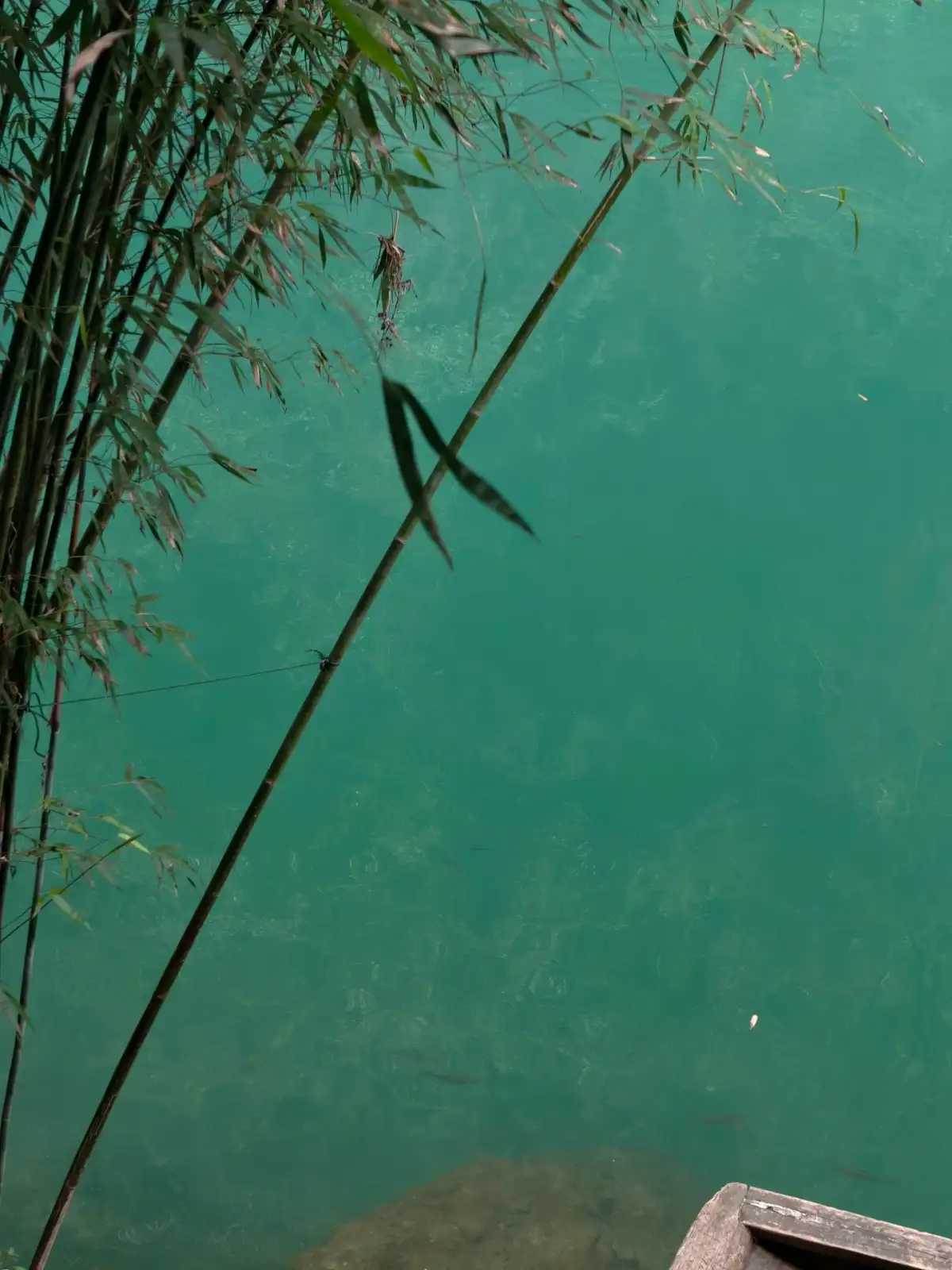
Schools of fish in the stream at Three Gorges Home and bamboo leaves along the shore.
Consider seasonal changes and transportation connections together
Weather conditions not only affect visibility during canyon tours but also the operation of vehicles and boats, as well as trail accessibility. In the event of persistent rain, thunderstorms, strong winds, or changes in water levels, check the day’s updates from the scenic area and transportation authorities before deciding whether to proceed as planned. During hot, sunny seasons, schedule your time on the unshaded riverbank for early morning or late afternoon, and spend midday in shaded dining and rest areas; during cooler seasons, bring an extra layer of clothing on the boat, as the temperature in the valley may feel different from that on city streets. Do not rely solely on online information regarding a specific boat departure, the last bus, or cable car operating hours when planning your day. You must confirm each of the four stages—traveling from the city to the scenic area, entering the scenic area, moving between attractions within the area, and returning to the city—separately to determine which segment’s delays might affect the next. When purchasing tickets or making reservations, ask international visitors to have their valid identification information ready and verify which transportation options and sightseeing areas are included in the selected package. If you need to catch a train the following night, allow plenty of buffer time for your return to the city; since the train station is located separately from your downtown accommodation, don’t wait until you reach the riverbank to discuss whether you’ll make it in time.
Before leaving the gorge, turn your gaze back to the Yangtze River
At the end of the trip, you can first return to the agreed-upon exit or boarding point, then use the time before departure to take one last look at the open river. In the morning, you’ll admire the mountains along the riverbank; later, you’ll venture into Longjin Creek; and then, from elevated vantage points or through historical exhibits, you’ll gain insight into human activities. By this point, the Yangtze River before your eyes will have taken on a more concrete sense of depth and dimension. The platforms by the creek, the wooden structures on the slopes, and the riverside transportation aren’t isolated features—they each answer questions about how to approach the water, how to utilize the terrain, and how to connect with the outside world. On the final stretch, do not venture further down unfamiliar paths; pay particular attention to how many trail sections remain between the mountain descent and the meeting point. Check headcount and personal belongings with your companions, then return as directed by the on-site organizers. From the boat, you can continue to watch the mountains recede from the foreground into the distance. Upon returning to Yichang, dinner will be arranged near your lodging. If you still have the energy, take a stroll along the city’s riverside promenade. The gorge banks within the scenic area contrast with the more open river views in the city center, bringing this day full circle—from a small stream to a city that thrives along the river.
Further Reading and Reference Sources
Compiled and organized by the Eastbound Travel Editorial Department based on publicly available travel notes and listed information. Intended for pre-trip reading; this is not a personal travelogue. Please verify opening hours, transportation, reservations, and service arrangements according to your actual travel dates.
Yichang Municipal Government: Geography and Zoning of “Three Gorges Home,” and the History of Shipai
Yichang Municipal Government: Yichang’s Famous Dishes and Local Snacks
Hubei University of Economics Chu Cuisine Research Institute: Yichang Cold Shrimp
Stream or hillside sections?
At Three Gorges Tribe, make Longjin Stream the core before deciding on hillside sections. A Yichang canyon visit focused on water and stilt-house presentation already has a clear theme. If higher viewpoints matter, ask for a separate allowance for climbing, rests and return connections.
Check each transport link
Confirm hotel-to-entrance travel, movement inside the attraction and departure pickup separately. Water and road connections are different services. In rain, ask about open sections and alternatives. Confirm food ingredients and treat performances as subject to the day's arrangements.
Planning references