The short answer: mountain viewpoints or a slower river landscape
Consider Wulingyuan in Zhangjiajie first if your main interest is dense stone pillars, high viewpoints and a vertical mountain setting. Consider Guilin and Yangshuo first if you want to combine rivers, karst hills, village walks and relaxed meals. Neither name defines a fixed activity level; the chosen attraction, transport and personal mobility determine the real experience. With a short holiday, one destination explored properly is often more workable than adding both.
Checked on 4 October 2026, this comparison separates official landscape facts from editorial route suggestions. It does not guarantee clear skies, low crowds or lower prices on your dates, and supplies no invented train or ticket. Choose the landscape first, then test whether you can protect a full visiting day.
Landscape differences: sandstone pillars and karst-country views
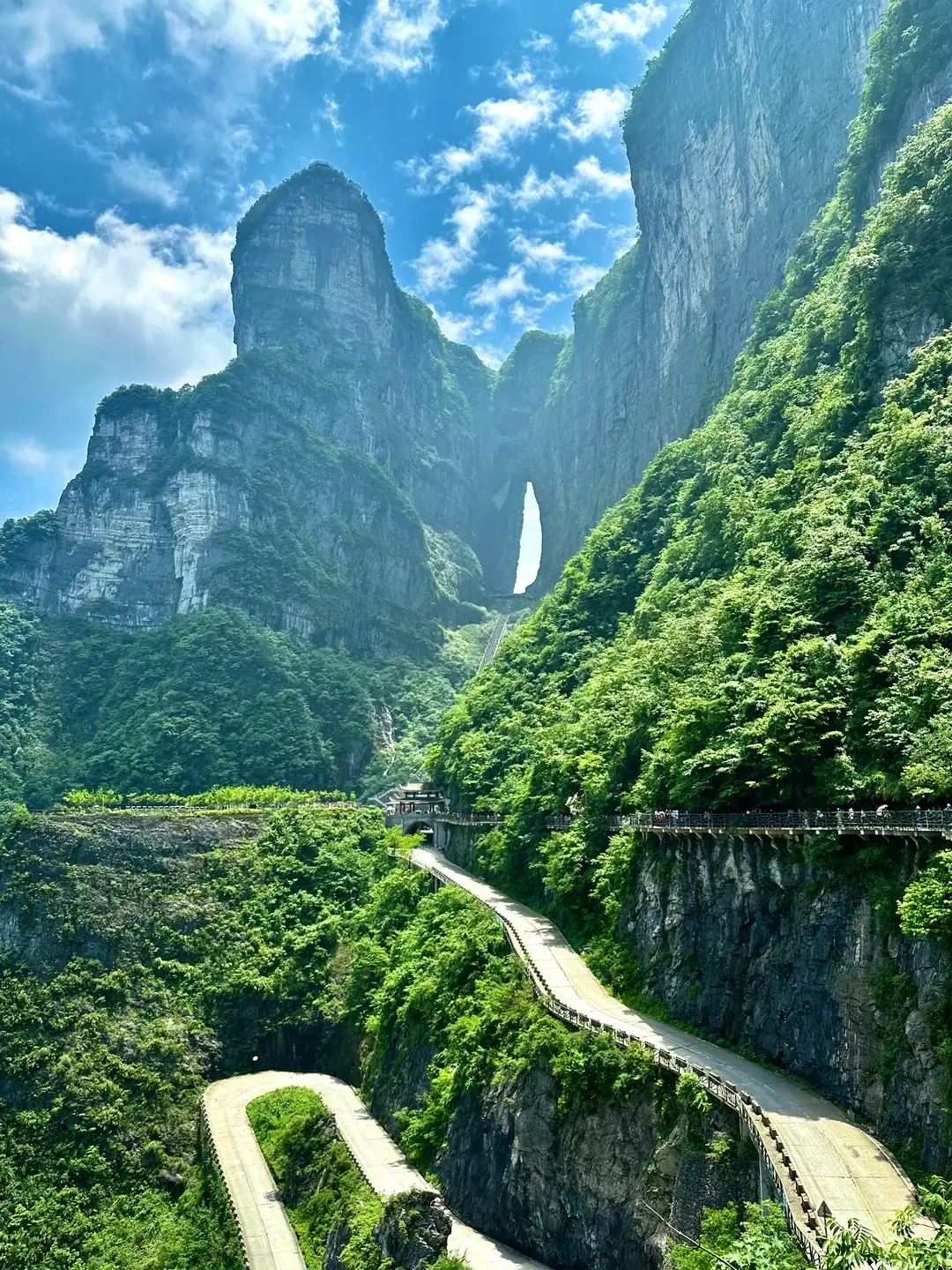
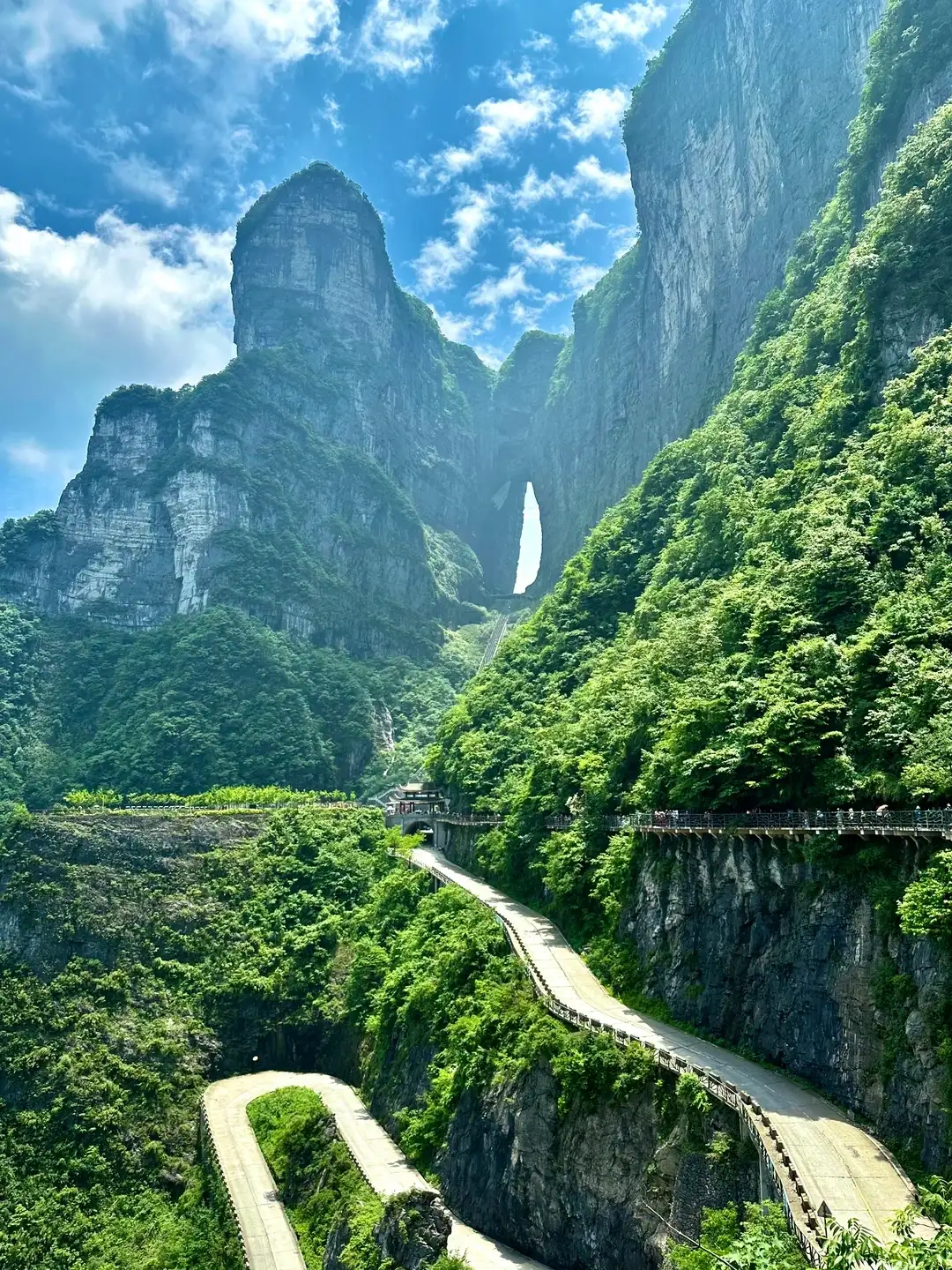
UNESCO’s Wulingyuan description emphasises sandstone pillars and a mountain setting. Different heights and viewpoints reveal different aspects of the landscape. A summit, gorge and forest section are not interchangeable, and every photograph labelled Zhangjiajie does not show the same ticketed area. Wulingyuan and Tianmen Mountain are distinct visiting themes, with separate access decisions.
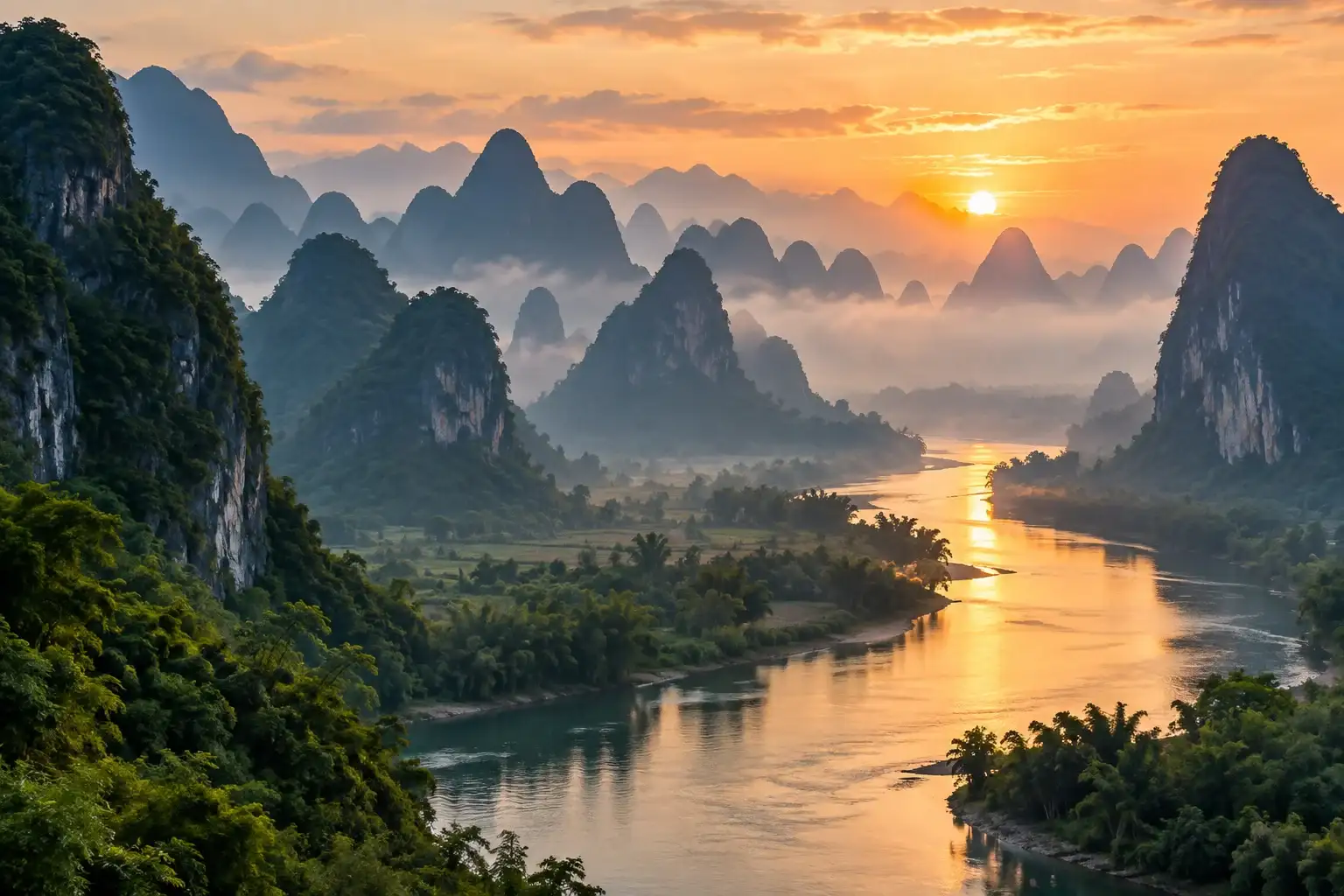
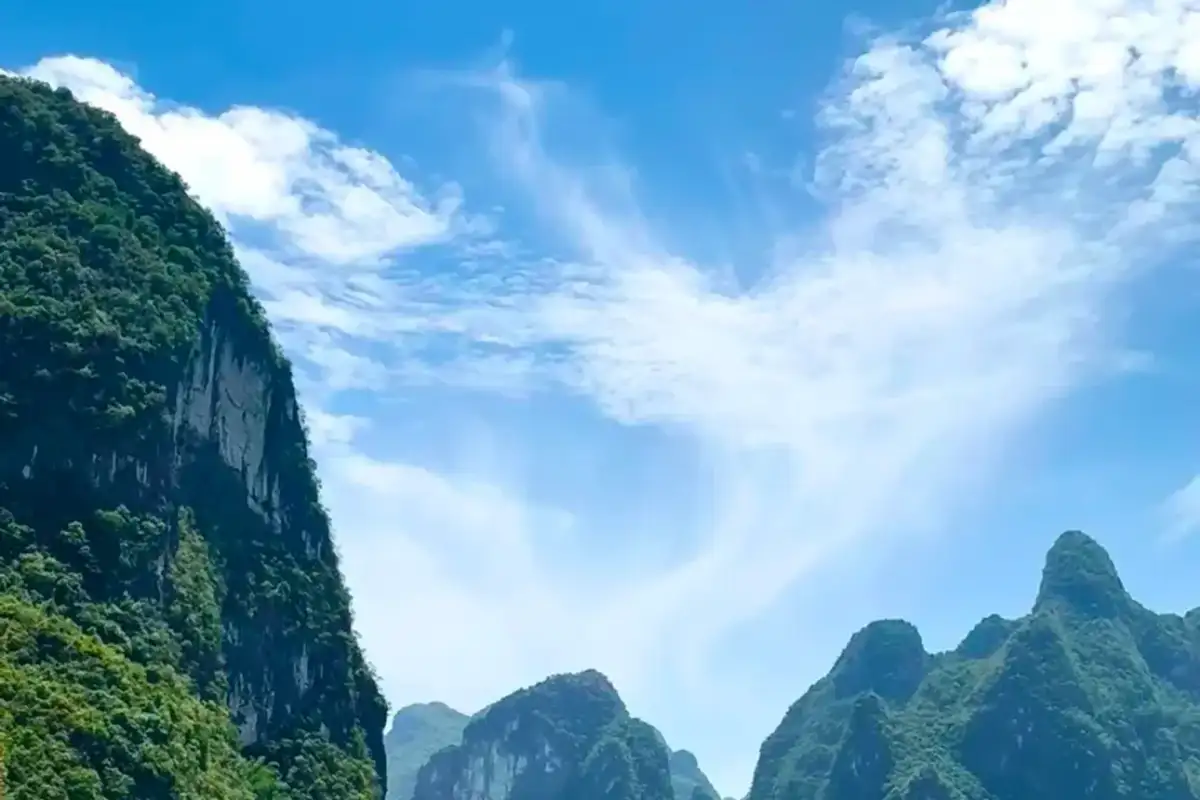
UNESCO’s South China Karst description supplies context for the Guilin landscape, while the official Li River site explains the river-tour area and route. Yangshuo countryside, Yulong River activities, a longer Li River cruise and central Guilin are different products. If reflections, fields and lower-level views appeal to you, select those elements without feeling obliged to take every available boat.
Fitness: cableways do not remove all walking
Some Zhangjiajie routes combine cableways, lifts, park transport and walking, but queues, changes, platforms, viewpoints and steps still require effort. Inspect the chosen route: ask about long stair sections, exposed edges and the day’s operating transport. Fear of heights and walking ability are different. Someone may walk well but dislike glass or an exposed viewpoint; discuss these needs separately instead of requiring everyone to visit identical spots.
Guilin and Yangshuo can include time on a boat or a short countryside route, but climbing, cycling and longer hikes add effort. Inspect boarding steps, pier access and waiting. For reduced mobility, ask the operator directly rather than assuming sitting on a boat establishes accessibility. Compare comfortable continuous walking, slopes and boarding ability instead of labelling an entire city suitable for all older travellers.
Weather: visibility for mountains, operating water conditions for boats
High viewpoints in Zhangjiajie depend on visibility. Rain or fog can change the expected view, and no particular hour can be promised clear. Keep the main landscape day flexible and prepare a shorter route or a confirmed lower-effort activity. Follow closure and operating instructions for storms, strong wind or ice; atmospheric scenery is not a reason to disregard restrictions.
For Guilin, inspect current water conditions, weather and sailing announcements. A rainy season does not establish that every section operates. Check a longer Li River cruise separately from a short raft activity elsewhere: identify the pier, endpoint, route and traveller conditions. The operator decides whether a sailing runs. Photographs do not guarantee water colour or level. Both destinations need a genuine alternative rather than a checklist that compels exposure.
Draw a small access map before paying
For Zhangjiajie, label Wulingyuan and Tianmen Mountain separately, showing entrances, reservations, internal transport and accommodation. Read the current ticket product for included park vehicles, cableways or lifts instead of importing an old all-inclusive price. With an arranged vehicle, compare the hotel with the actual entrance. Arrival in central Zhangjiajie does not mean arrival at a Wulingyuan inspection gate. Confirm passport fields and entry conditions in the official system.
For Guilin, draw the sequence from city to departure pier, Yangshuo and accommodation, adapting it to the sailing chosen. The official river description explains that longer cruises can depart outside central Guilin and end in Yangshuo. Hotel transfers, luggage and the return therefore need separate decisions. Do not assume a boat ticket includes every onward movement; ask for an itemised service description.
With three or four nature-focused days, protect complete days
Start with the locations before and after the nature stop and inspect the actual connection. An arrival afternoon after a long journey is not a complete landscape day. For Zhangjiajie, protect one principal mountain theme before deciding on Tianmen Mountain. For Guilin, protect a coherent Guilin-to-Yangshuo landscape route before adding countryside sections. These day counts are planning examples, not a package promising complete coverage.
Ask children whether walking, boating or climbing interests them. Photographers should preserve room for weather and light rather than fix every day around one platform at one exact hour. Travellers who want more rest can remove a distant transfer and allow normal meals and time at the hotel. If choosing one, fit with the existing route and suitable effort often matter more than which destination has greater name recognition.
For both, verify the transfer as a separate itinerary item
Both can belong in a longer trip, but search actual air, rail or other combinations for the travel date. Geography does not prove a direct service or daily flight. Count hotel departure, station access, waiting, changes, luggage and the journey to the next hotel, not only vehicle running time. A station containing the city name may not be the best one for the selected attraction; save the complete Chinese name.
If moving consumes much of the day, label it a transfer day and add only light arrival activity. Do not combine a core mountain visit, an intercity journey and another destination’s boat excursion into one day. Give each place its own complete visiting time and preserve removable optional stops. Near an international departure, protect the travel margin rather than forcing activity when conditions change.
After choosing, check six concrete items
Write down the landscape, exact attraction, accommodation, booking route, mobility limits and weather alternative, then confirm identity and payment arrangements. Current operator information governs prices, concessions, equipment and activity conditions. Another foreign visitor’s successful entry does not replace your own document check. Photographs help identify interests, not validate a vehicle, boat or guiding package; ask specific inclusion questions.
Give the route one clear description: for example, Wulingyuan mountain viewpoints with breaks and weather flexibility, or a Guilin-to-Yangshuo river landscape with optional countryside activity. This aligns expectations and helps a consultant confirm outstanding details. If choosing both, write a separate description for each and add a real transfer day. A good choice is one you can explain, reserve, manage and adjust.
Continue planning your China journey
Related destination: zhangjiajie
More practical China travel guides
Official references and verification date
References checked on 4 October 2026. Recheck current rules before booking and departure.