
East Travel Editorial Department · Travel Diaries and Pre-Trip Reading
Starting from Zhangye, first identify the specific type of landform
There’s more than one famous geological scenic area around Zhangye; the viewing highlights, entrances, and routes for the Seven-Color Danxia and Binggou Danxia differ. The Seven-Color Danxia attracts visitors with its combination of colorful hills and Danxia landforms; your itinerary can focus on color, strata, and topography; Don’t just enter “Danxia” into your navigation app and assume you’re heading to the same place. When departing from downtown Zhangye, be sure to factor in travel time to the outskirts, park entry, and movement within the scenic area. If you don’t arrive in the city until the afternoon, first confirm whether you have enough time to complete the tour and return home before deciding whether to set out that day or wait until the next. The colors of the mountains are worth taking the time to appreciate; it’s not advisable to rush through the entire trip just to catch the last bus. Choosing a time slot that allows you to enter, stay, and leave at a leisurely pace is the first step to truly experiencing the landscape. Before setting out, consider whether you’re more interested in the overall shape of the mountains or in their stratification and textures—this will influence how long you spend at each viewpoint.
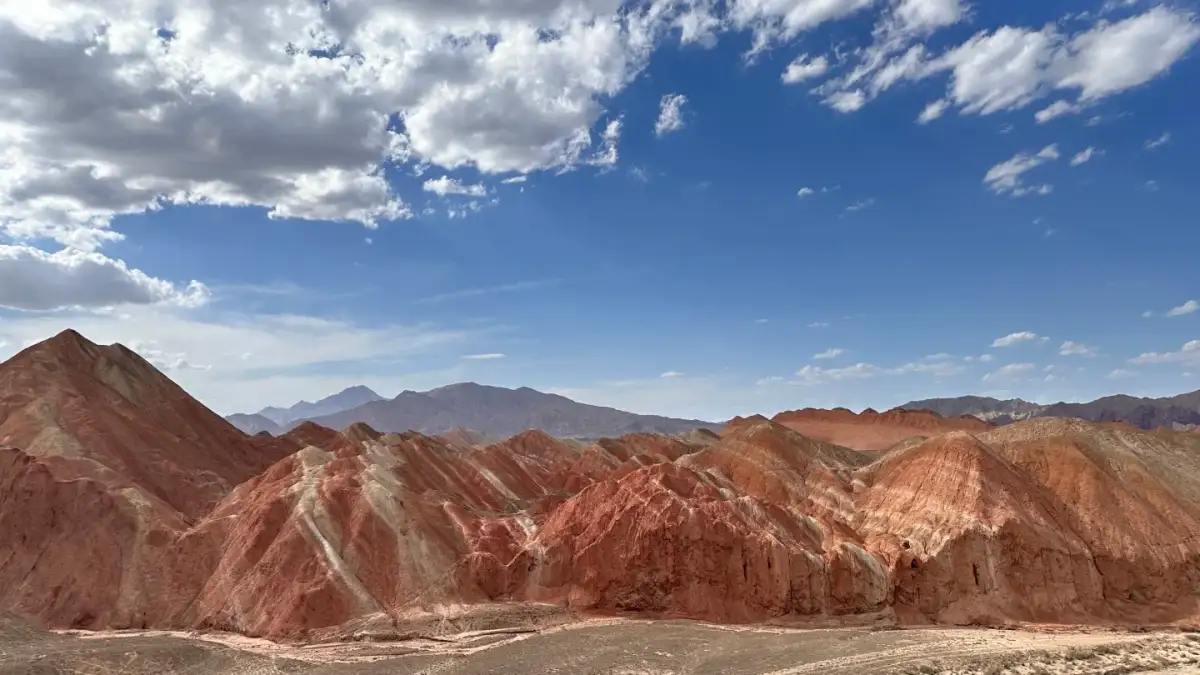
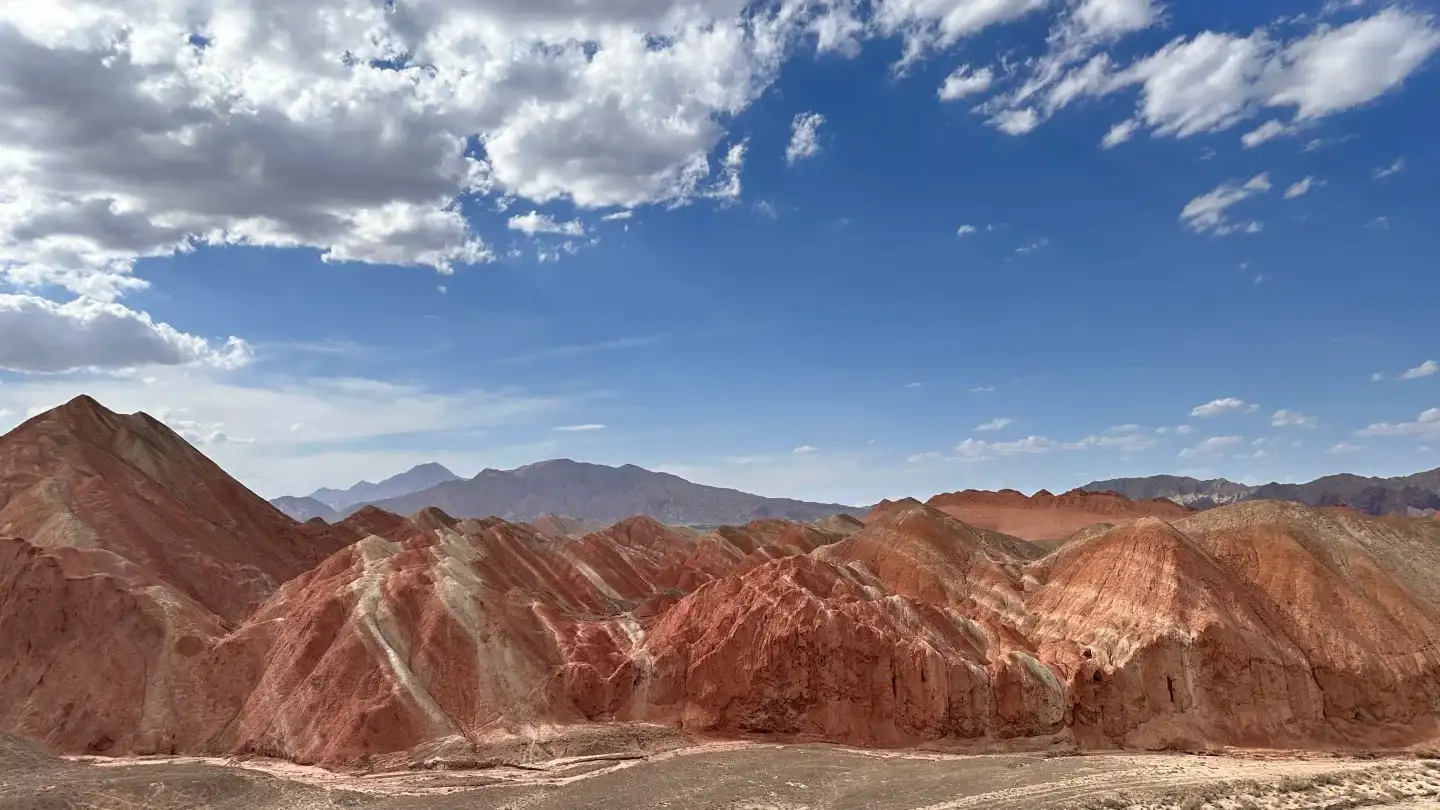
A panoramic view of the Zhangye Colorful Hills under a blue sky and cloud shadows.
First distant view: Start by observing how the mountains connect When you arrive at the overlook, it’s easy to be drawn to the red, yellow, and gray-green hues, but you might want to first...
Once you reach the overlook, it’s easy to be drawn to colors like red, yellow, and gray-green, but try to set the colors aside for a moment and observe how the hills connect with one another. Some hilltops are rounded, while others have slopes carved by gullies; in the distance, taller, darker mountains form the backdrop. The Colorful Hills are not a flat, striped piece of fabric, but rather undulate, twist, and extend across the actual terrain. Start by following your line of sight to find a ridge, then observe how it changes direction as it crosses different slopes, and finally compare the adjacent color bands. Viewing the landscape in this way helps avoid interpreting the scenery merely as a highly saturated photograph. The elevation of the observation deck also affects the range of the view; the same mountain may not look the same when viewed from a lower vantage point as it does from a higher one. If the area is crowded, choose a spot within the designated viewing platform that does not obstruct the flow of traffic and wait there briefly; there is no need to step onto the protected mountainside to avoid railings or other visitors.
get closer to the color bands to identify the lines and grooves
on the main roads or platforms where you can get a closer look—the details are often more complex than the panoramic view. Color bands sometimes stretch diagonally across the slopes, while at other times they’re cut into discontinuous lines by gullies; fine erosion patterns run down the slopes, causing horizontal bedding planes to intersect with vertical water channels. Choose a slope where gray-green and reddish-brown meet. First, observe the boundary between the two colors, then note whether the boundary is straight or how it curves with the terrain. Official descriptions of the landform link this landscape to sedimentary layers, tectonic movements, and erosion, but during on-site observation, there’s no need to rush to assign a specific mineral to each color. Accurate geological interpretation requires specialized data; what the naked eye can first discern are differences and relationships. After a few minutes of close observation, turn your gaze to the distance, and you’ll discover that the mountains—which initially appeared as large swaths of color—are actually composed of countless fine textures. While color is captivating, it is texture that makes the landscape truly worth a closer look.
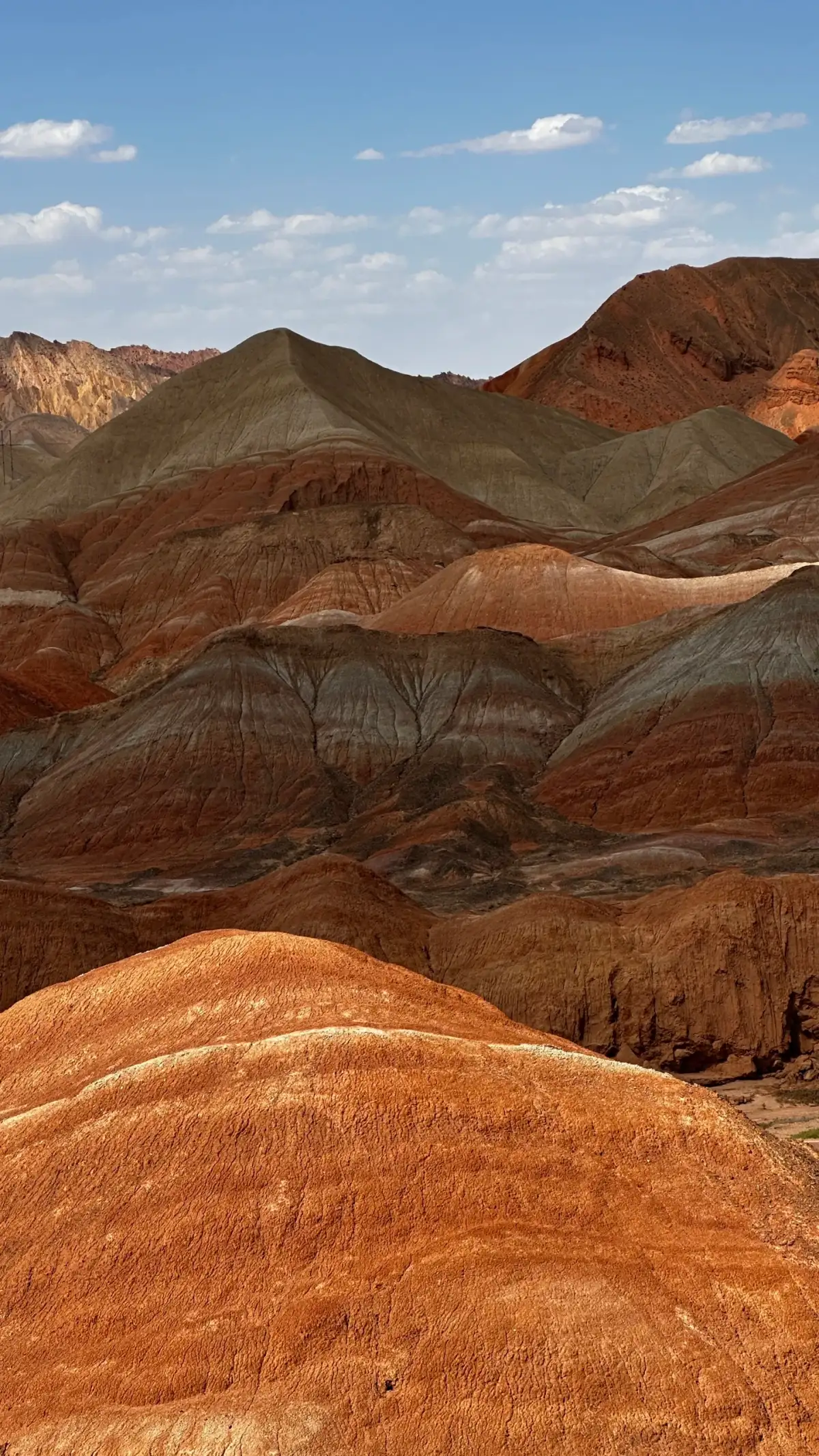
Hills of the Colorful Danxia, with alternating bands of gray-green and reddish-brown.
At each viewpoint, ask yourself a different question
It’s not advisable to use the same “one panoramic shot” approach at every viewpoint within the scenic area. At the first viewpoint, familiarize yourself with the undulating mountain contours; at the next, focus on the inclined bedding planes; and further along, look for the differences between rounded hilltops and sharp gullies. If you reach a platform with a relatively open view, compare whether the colors in the foreground and background are the same, and observe how the brightness of the sky affects the mountains; when you get up close, focus your attention on a small section of the slope. Moving between platforms usually requires coordinating with the scenic area’s daily transportation schedule. When entering the park, check the routes and stops first; don’t simply follow the fixed numbered order in old travel guides. If you’re feeling tired, you can reduce the number of stops—carefully observing two or three spots is more meaningful than rushing to see them all. Approach each viewpoint with a specific question in mind; a continuous tour will gradually deepen your understanding, rather than leaving you with nothing but a collection of indistinguishable mountains on your phone.
Note that the colors may vary depending on whether the weather is sunny, cloudy, or after rain.
While photos of Danxia often promise exceptionally vivid colors, the actual scenery on-site varies depending on lighting, air quality, moisture levels, and viewing angle. Shadows on a sunny day help reveal the undulations of the slopes, while the more even light on a cloudy day may actually make it easier to see both color bands and fine textures clearly. After rain, the soil layers sometimes appear darker, but rainfall may also alter road conditions and management arrangements; do not ignore access restrictions in pursuit of more intense colors. Automatic processing on smartphones, filters, and the photographer’s chosen angle also affect the visuals seen online. When you arrive on site, start by observing with your own eyes before adjusting your shot; there’s no need to force the mountain’s colors to match a specific online image exactly. If you want to compare how the colors change, spend some time at a single permitted viewing spot and watch how the shadows of the clouds shift from one slope to another—this is far more interesting than constantly moving around in search of the most vibrant mountain.
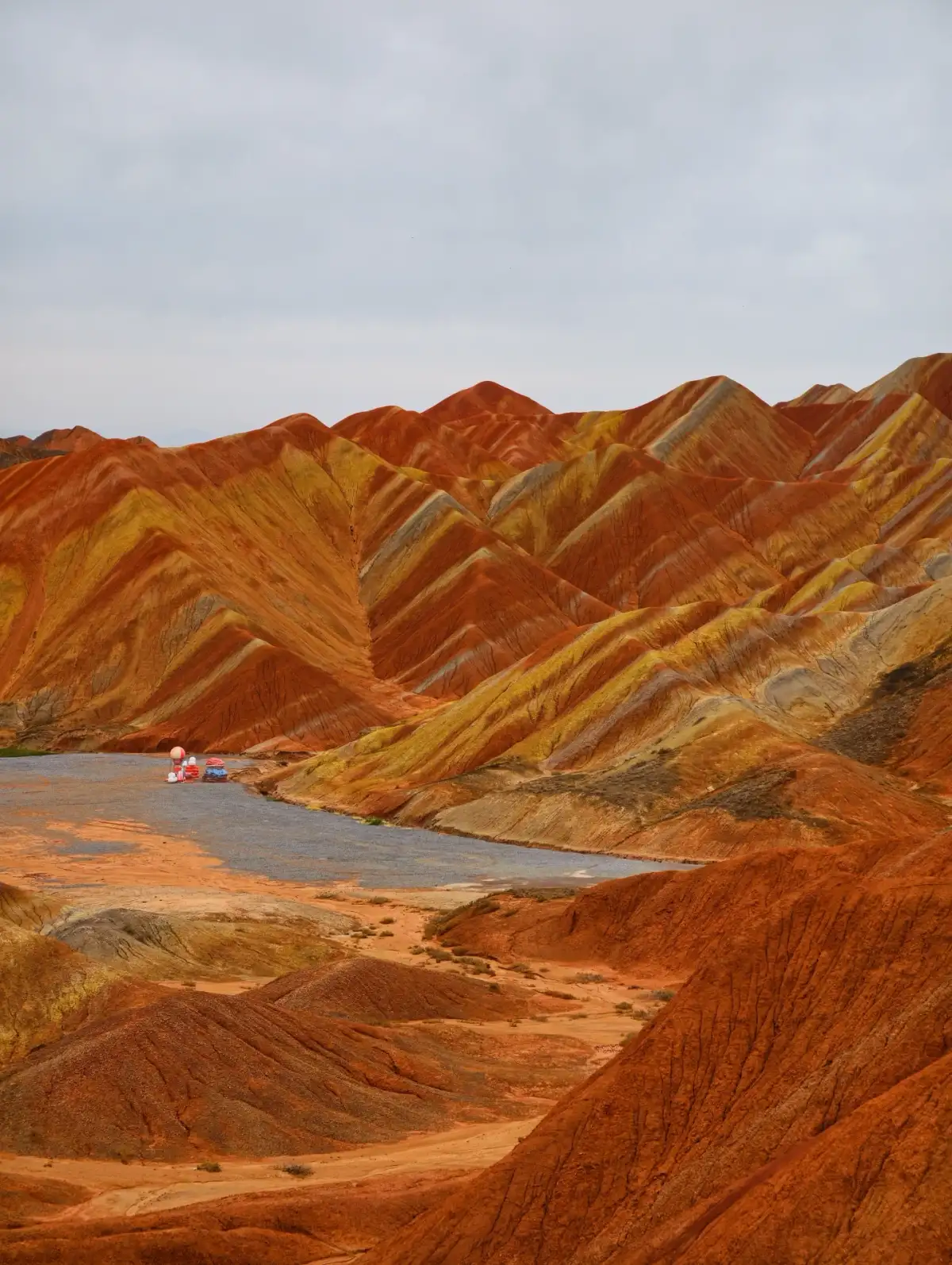
Color bands and grooves of the multicolored Danxia landscape on a cloudy day.
Evening light—be sure to factor this into your return trip plans
the lower position of the sun will elongate the shadows on the hills, giving the stratification and grooves a different sense of depth. If you plan to visit in the afternoon or evening, you should first check the day’s park closing time, internal transportation schedules, and return conditions before deciding where to end your tour. Don’t assume the park will remain open until sunset just because of the sunset time. A reasonable plan should allow you to enjoy the soft light and still have time to leave via the official route. Start your photography on a slope where light and shadow meet, comparing the warm tones of the brighter areas with the grays in the shadows, then move on to the overall mountain contours. If thick clouds roll in, the evening may not bring the expected golden hues, but you can still focus on the interplay between the sky and the landscape. While waiting for the light, stay within a safe viewing platform, and if the wind is strong, secure any loose clothing or small items. Careful observation requires a stable vantage point, as well as a clear understanding of how to make your way back.
a stretch of the route with minimal obstructions—be sure to bring enough of what you actually need
The landscape of the Colorful Hills is open; many walking sections lack tree shade, so the sun, wind, and dryness will be more pronounced than during a city stroll. Bring water, a hat, and shoes suitable for walking stairs—prepare these based on how long you plan to stay—and keep your belongings as minimal as possible. In summer, when the sun is intense, take breaks in designated rest areas along the way; in cooler seasons, be mindful of the wind on the viewing platforms and don’t rely on your urban sense of temperature when choosing what to wear in the mountains. Scenic area shuttle buses connect different attractions but cannot replace the need to climb stairs and walk between platforms at each stop; if a fellow traveler has difficulty walking, ask in advance about accessible locations. If you’re bringing children, make it clear that they must not climb over railings or step onto the colored earthen slopes. Those surfaces that appear soft and inviting are protected geological features; footprints can alter their texture and hinder future restoration. Staying on designated paths not only protects the landscape but also allows for a more focused observation experience.
divide the tour into two sections: the Colorful Hills and other attractions in Zhangye
A trip to the Colorful Danxia can be combined with cultural sightseeing in downtown Zhangye, but the two require different levels of energy and time. If you plan to visit places like the Great Buddha Temple on the same day, be sure to check the opening hours and reservation requirements for each site separately, and leave enough time for lunch, rest, and the round trip to the outskirts. For those who appreciate landforms, you might also visit Binggou Danxia on a separate day to contrast the colorful hills with the more distinct rock pillars and cliffs, rather than treating the two sites as repetitive attractions. Traveling between scenic areas requires transportation; do not assume that locations marked as “nearby” on a map can be easily reached on foot. If your itinerary includes other cities along the Hexi Corridor, the Danxia landforms can be contrasted with the oases, open plains, and distant mountains along the way—but do not sacrifice the experience of this visit just to tick off more places on your list. Zhangye’s rich diversity lends itself perfectly to exploring its natural and cultural aspects separately, then bringing them together at the end of your trip.
After you leave, remember one type of varied terrain
look at your photos back in the city, you can select three different types: one showing the overall mountain contours, one highlighting the relationship between color bands and gullies, and one capturing the slopes under varying light conditions. These may not all be the most vibrant shots, but they will document your gradual understanding of the landforms. If you want to delve deeper into the geological processes, consult official geological and scenic area guides. Match concepts like sedimentation, uplift, and erosion to the actual lines you’ve observed, rather than simply saving an abstract description. While the name “Colorful Danxia” emphasizes color, what truly lingers in your memory might be the sudden bend in a ridge, the gray-green strata cutting through the red slopes, or those few minutes when the shadows of the clouds moved slowly across the landscape. A single trip cannot cover the entire span of geological history, but it can teach you to observe with greater patience. Ask yourself a different question at each stop, and embrace the true colors revealed by the weather—then this outing will transform from a mere picturesque backdrop into a landscape you’ll revisit in your memories time and again.
Further Reading and References
Compiled and organized by the Dongxing Travel Editorial Department based on publicly available travel notes and listed information. Intended for pre-trip reading; this is not a personal travel account. Please verify opening hours, transportation, reservations, and service arrangements based on your actual travel dates.
Zhangye Municipal People’s Government: Zhangye Seven-Color Danxia Scenic Area
Must every viewpoint produce the same panorama?
For Zhangye Rainbow Mountains views, give each position a different question: connected ridges, tilted colour bands or erosion channels visible from permitted routes. Make Rainbow Mountains viewpoint choices around those differences rather than repeating a standard panorama. Keep one broad image and one detail so later viewing connects colour with its landform.
Is sunset essential to a worthwhile visit?
Danxia photography light changes brightness, while weather and image processing also affect appearance. The landscape need not match promotional colour. Daylight helps read structure; lower light can reveal shadows, but waiting depends on the actual plan. Check internal movement and the outward journey first. Allow water and rest on exposed sections instead of compressing the return to chase light.
Planning references


