Eastbound Travel Editorial Department · Travel Diaries and Pre-Trip Reading
First, let’s place the ancient city within a day in Zhangzhou
It’s best to set aside a full half-day for Zhangzhou’s Old Town; if you also want to explore the exhibition halls and enjoy a meal, you can easily make a full day of it. While its main districts are easy to navigate on foot, this doesn’t mean you’ll find yourself in the old town the moment you step off the high-speed rail. Confirm your arrival station, transportation into the city, and luggage storage in advance, then choose a convenient drop-off point on the outskirts of the ancient city to begin your walk. Treat Hong Kong Road, Taiwan Road, and Xiuwen West Road as your three main routes—this makes navigating the area far easier than trying to memorize a dozen or so photo spots on the fly. Whenever you come across something interesting, feel free to linger there a little longer.
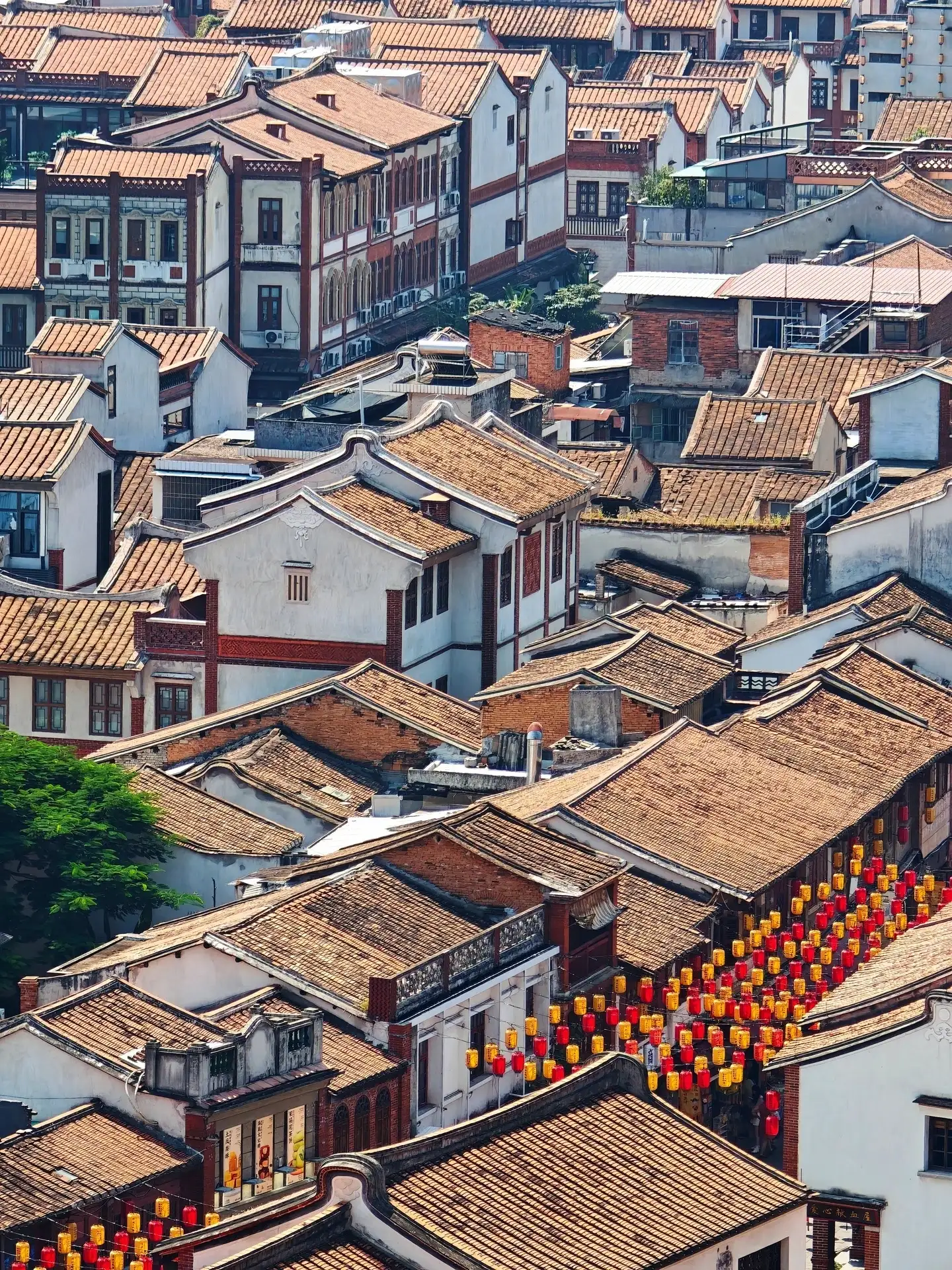
The Minnan character here is not limited to red brick alone. Stone structures, gray-white walls, tiled roofs, and wooden windows appear alongside later-added shopfront decorations; just around the corner, the architectural character may change entirely. Official Fujian descriptions highlight the arcades, Chinese and Western-style architecture, and Minnan-style dwellings found along different sections of Taiwan Road, providing clues for on-site comparison. For international visitors coming to China for the first time, it is important to first explain that the street names are modern place names, and then help them understand the historical context through the actual buildings and exhibits—thus avoiding the tendency to invent migration stories for every building based solely on the words “Hong Kong” and “Taiwan.”
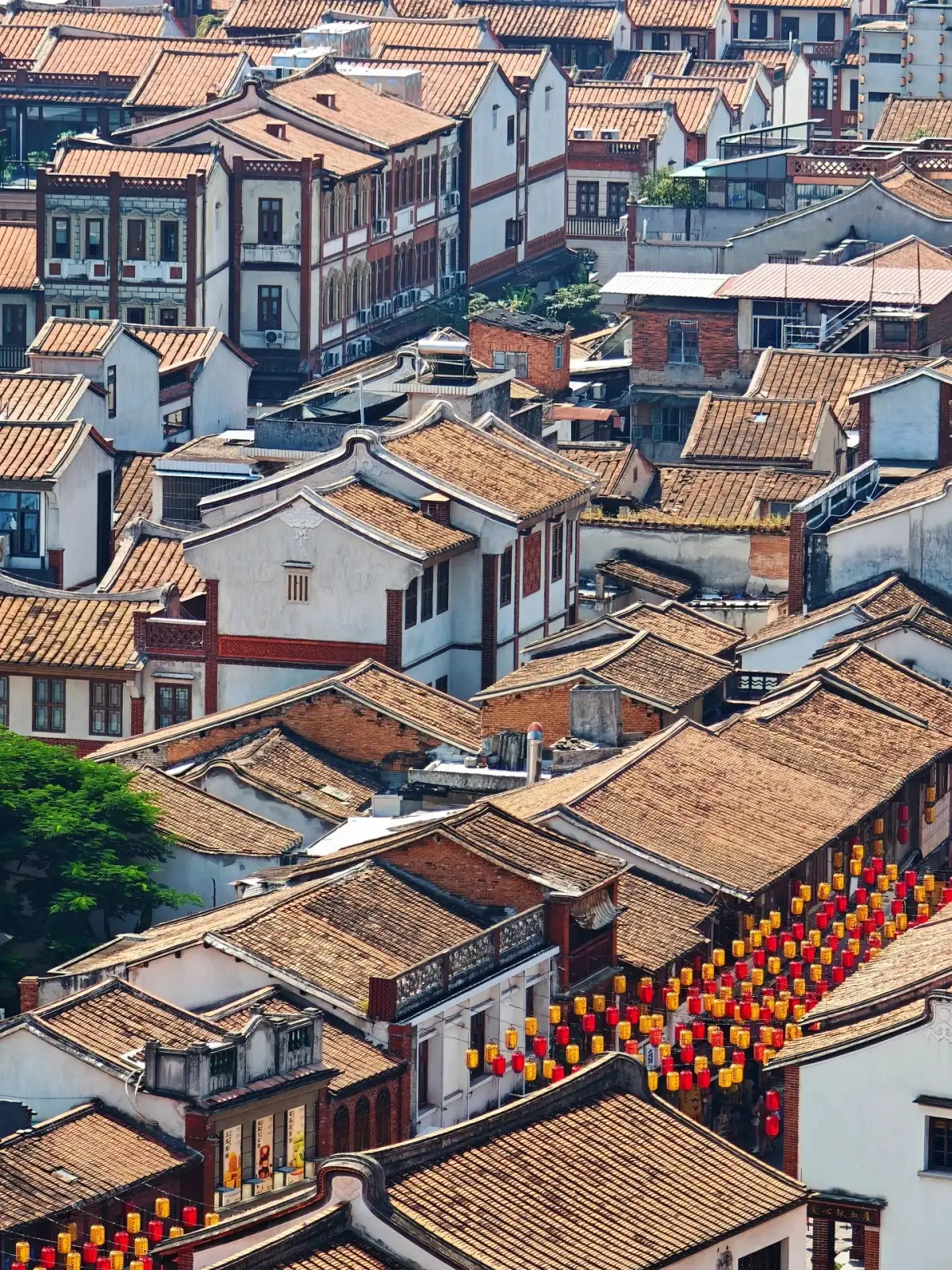
Roofs and streets of Zhangzhou’s Old Town.
The stone archway on Hong Kong Road: Reading the history embedded in the street
Entering from Hong Kong Road, the stone archway is a fitting first stop. Standing in the middle of the street, it is both a historic structure and an active part of today’s traffic flow. Begin by reading the inscription and on-site explanation to confirm its name and construction background, then observe how the stone pillars, crossbeams, and carvings come together to form a monument that people can walk through. Unlike city gates, reading the inscriptions on the archway reveals how traditional Chinese society placed figures, honors, or moral concepts within public spaces—rather than simply remembering a beautiful silhouette.
When viewing, choose a wider spot by the roadside to avoid traffic and store entrances. There’s no need to ignore street signs, power lines, and everyday facilities—the archways coexist with them today. To examine details, let your gaze travel upward section by section from the base of the columns; do not touch the carvings or climb the pedestals. If your companions cannot read Chinese, simply pick out one or two characters from the inscription to discuss; for complex, lengthy couplets, you can ask a tour guide for an explanation. Then continue walking down the street, observing how the shops in front of and behind the archway open their doors and display their goods—this creates a concrete connection between historical public monuments and contemporary commerce.
Changes along Taiwan Road: Comparing doors and windows along the route
Once you reach Taiwan Road, turn your attention to the row of shophouses. How the passageways under the arcades connect, whether the upstairs windows are decorated, and how the facades at the corners are designed—all are worth a closer look. The architectural variations described in official materials across different sections of the road need not be treated as a quest to find a single “correct” answer. You can start by identifying the features on your own; when you encounter a building with a preservation description, read the information and compare your initial observations with the official description. Newly added doors, windows, or coatings on the buildings also serve as reminders that the old street has been used and maintained over time—not every part dates from the same era.
If there are arcaded walkways, experience how they integrate shade, shelter from the rain, and shop entrances. When it rains, not every section provides continuous cover, so you’ll still need to walk slowly at intersections. Comparing two shops located some distance apart makes it easier to spot differences than taking ten photos while standing in one spot. For visitors who love design, note the proportions of the windows, the placement of signs, and the wall materials; for families, let the children look for a curved window, a section of stone pavement, and a wooden door. After observing on your own, share your discoveries with each other—you’ll find the streets reveal far more depth than if you’d simply hurried past.
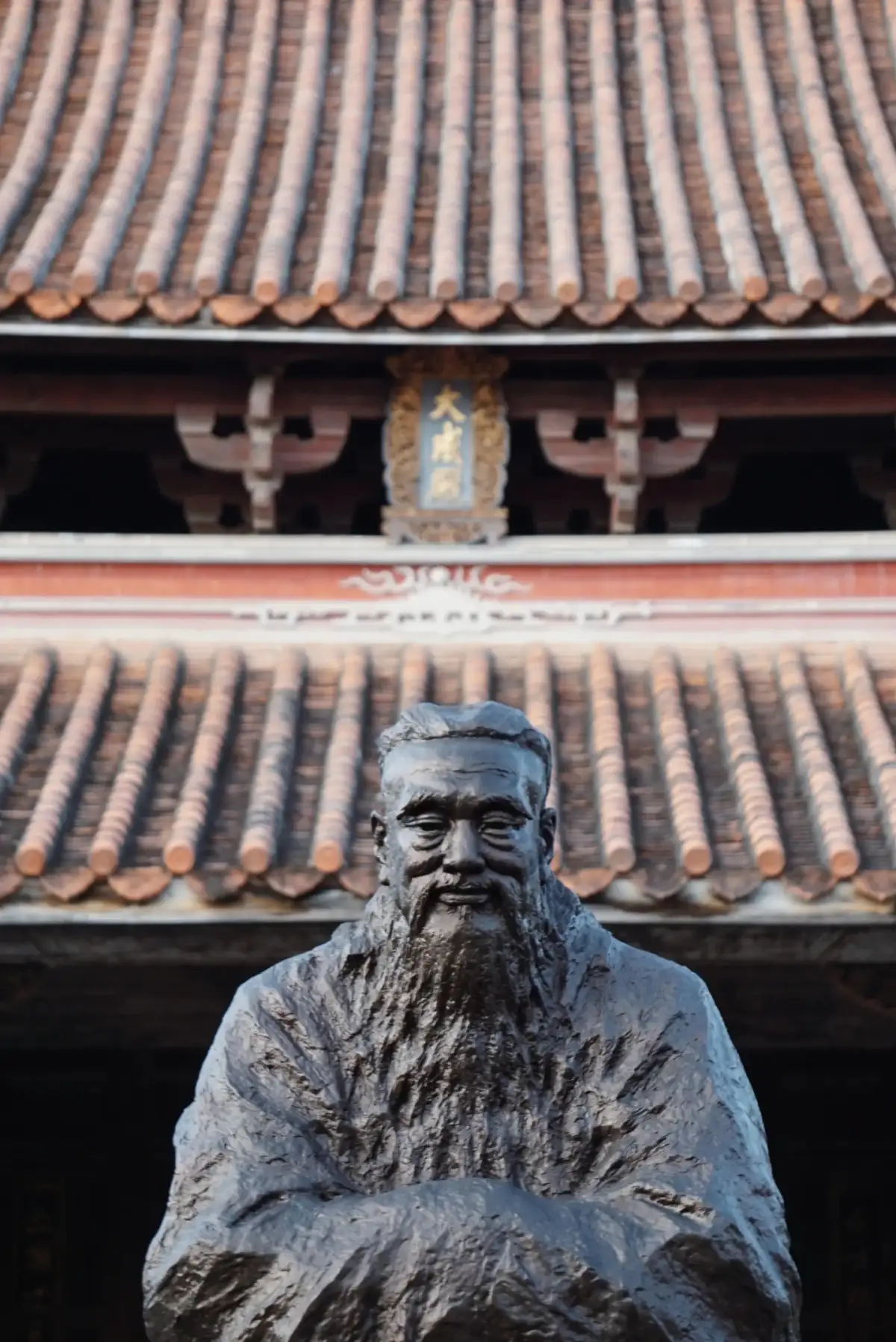
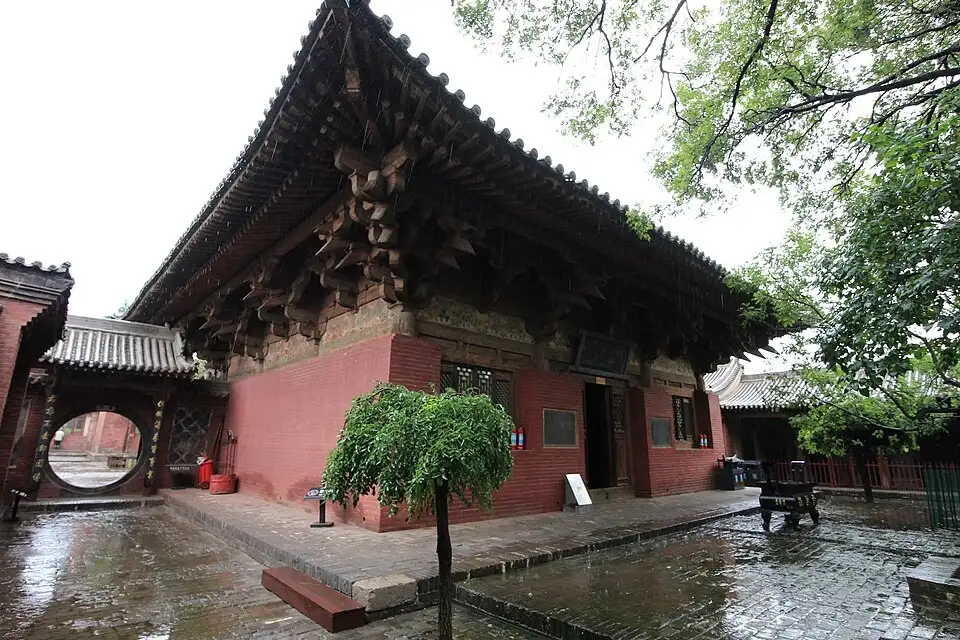
Confucius statue and hall at the Zhangzhou Confucian Temple. the Lighthouse
Turning to the Confucian Temple, the city also reveals its educational side
As you walk from the neighborhood toward the Xiwu Road area, make the Confucian Temple the focus of your next segment. Linked to Confucian education, rituals, and local culture, the temple offers a different perspective compared to the commercial functions of the shops you passed earlier. Upon arrival, first check the opening hours and visiting arrangements. If entry is permitted, follow the on-site route step by step; if the site is temporarily closed, examine the exterior architecture and explanatory signs, and save the interior for another visit. There are still plenty of places to explore in the nearby streets and alleys, so there’s no need to waste time repeatedly trying to enter a single courtyard.
In the open areas, pay attention to the direction of movement within the courtyards, the names of the halls, and the explanatory texts. The statue of Confucius can help companions unfamiliar with Chinese culture identify the figure, but understanding the Confucian Temple also requires explaining its connection to learning, ritual worship, and local public life. There’s no need to cover the entirety of Confucian thought in a single visit; it’s a good starting point to discuss why education has its own dedicated architectural spaces. You can also examine the eaves, columns, and paving—as long as you don’t disturb other visitors. If guided tours are available, check the content and duration beforehand and choose one you can listen to in its entirety, so that your visit yields more than just exterior photos.
Puppets and local crafts—choose one spot to examine closely
If the museum is open that day, the Xu Zhuchu Puppet Art Museum in the Shixing North Road area can serve as a cultural extension to your stroll through the ancient city. Confirm the exact address and opening hours before setting out, and once you arrive, set aside some time to explore without rushing. Puppets aren’t worth seeing just because their costumes are elaborate; the facial carvings, the lines of the eyebrows and eyes, the headdresses, and the differences between characters can all serve as entry points to understanding local opera. Start by reading the titles of the works and the artist biographies, then select a few pieces to compare carefully—this approach is far more rewarding than hurriedly scanning all the display cases.
When viewing puppet shows, you can pose a specific question: How do the characters’ appearances allow the audience to quickly discern their personalities or identities? If the exhibition includes the production process, follow along with the steps of material selection, carving, and painting. Do not assume that a static exhibition hall necessarily features live performances; if you wish to see a performance, check the program and schedule separately. The neighborhood also features other displays of traditional crafts and local culture; it’s best to choose one that interests you rather than trying to visit every “Intangible Cultural Heritage” site on the same day. For international visitors, providing a brief description of the characters or a translation of the story often leaves a stronger impression than adding more stops to the itinerary.
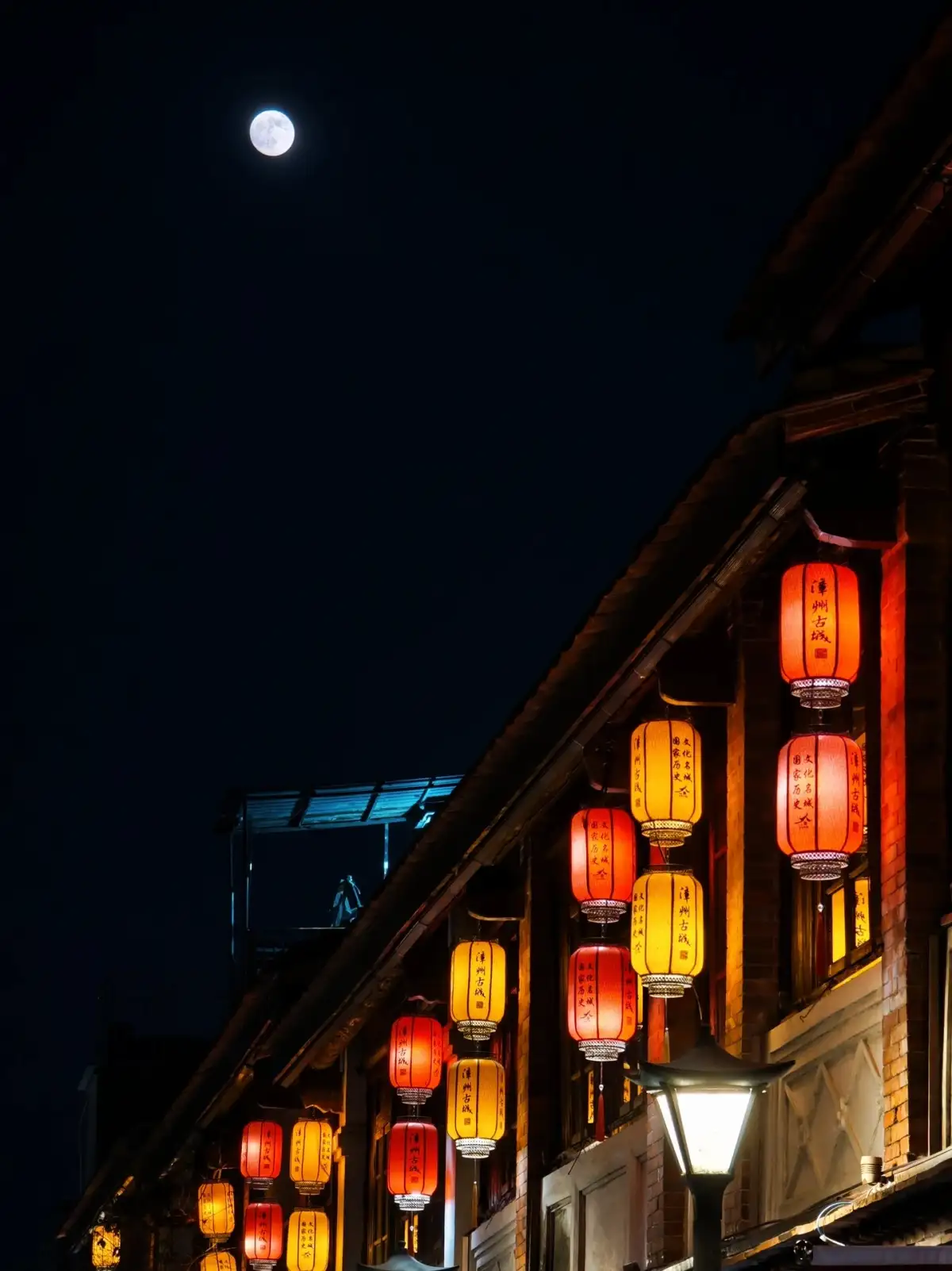
Lanterns and street houses at night in Zhangzhou’s Old Town.
Daily life in the alleys adds a twist to the walking experience
After leaving the exhibition hall or main streets, take a short walk down an alley with public passageways. House numbers, laundry hanging out to dry, potted plants, and parked cars reveal that the ancient city is not merely a tourist destination. The bustle of lanterns and shops on the main street may quickly give way to a quiet residential atmosphere at the entrance to an alley. Travelers don’t need to step into a courtyard to sense daily life; simply observing the arrangements at the doorways, the width of the streets, and how residents navigate these spaces can complement what they’ve already seen of the public buildings and commercial streets.
If a delivery person or resident is passing through an alley, yield the right of way; if you encounter a closed door, view the exterior from the street only. Do not climb residential buildings without permission to seek elevated vantage points, nor treat everyday household items you see as props to be moved at will. Since the streets here are largely interconnected, make a note of the alley’s name and the direction back to the main street before turning a corner, to avoid following online camera angles deep into unfamiliar areas. Wait until you return to a wider street before stopping to rest, giving your feet a natural break. The best way to observe the city’s daily life is often to maintain a polite distance, allowing others to go about their business.
Four-Fruit Soup and Braised Noodles: A Break for the Palate
For lunch or an afternoon break during a stroll through the ancient city, you can plan a meal centered around a staple dish and a dessert. It’s worth asking about the broth and toppings of Zhangzhou braised noodles, as well as the wrapper and filling of the five-spice rolls, before tasting them; the ingredients in Four-Fruit Soup may be more varied than the name suggests, and recipes differ from shop to shop. For guests with allergies to seafood, peanuts, or other foods, it’s more reliable to write a note in Chinese in advance and ask specific questions about the broth, ingredients, and seasonings than to rely solely on menu photos. If traveling in a group, you can share small portions—there’s no need to try every local snack in a single meal.
Check the menu to confirm portion sizes, prices, and payment methods; if the restaurant has seating, take a seat and enjoy your meal. If the lines are long during peak hours, take a stroll down a nearby street first, then find a more suitable restaurant—don’t treat a long line as a must-visit attraction. While eating, you can reflect on your recent observations: why the stone archway stands in the middle of the street, how the arcades facilitate passage, and which puppet character is the easiest to recognize. If you can’t answer right away, that’s a good question to look up later. Minnan culture isn’t confined to museums—it’s woven into everyday flavors and hospitality. Simply asking about the ingredients can teach you more than a quick photo op ever could.
Before and after the lanterns are lit, choose your own ending
When the weather is cool, a natural way to spend the day is to stroll the streets during the day, have dinner in the evening, and enjoy a short stroll among the lights at night. During the day, start by reading the informational materials and inscriptions; as night falls, observe how the lighting transforms the streets, without letting the night scenery replace the cultural experience. Lantern festivals tend to draw larger crowds, so those who prefer quiet can wrap up before dark; those eager to experience the evening bustle can follow the main routes they’ve already explored, keeping an eye out for intersections and their way back. Zhangzhou’s summers are hot and humid, so the afternoons are best spent in indoor exhibition halls or enjoying a tea break; on rainy days, be mindful of slippery cobblestone paths and storefront steps.
When returning to the high-speed rail station, factor in the time needed to exit the ancient city, hail a ride, and check in at the station. The Nanjing Tulou and Dongshan Island are part of separate itineraries; do not cram this walking segment into your schedule just because they are both located in Zhangzhou. Before leaving, try to note down a favorite building material, a piece of handicraft, and a food you’ve tasted—three things, each with its own authentic details—and the ancient city will provide you with memories to cherish. Its appeal lies in the fact that different functions coexist side by side: commemoration, learning, commerce, residence, and leisure all unfold within its streets and alleys. Only by walking a little slower can you see how these aspects of life are interconnected.
Further Reading and Reference Sources
Compiled by the East Travel Editorial Department based on publicly available travel journals and listed materials; intended for pre-trip reading and not as a personal account of firsthand experience. Information regarding opening hours, transportation, reservations, and service arrangements should be verified according to the actual travel dates.
Fujian Provincial Government: Historic Buildings on Taiwan Road
Fujian Provincial Government: Zhangzhou Ancient City Cultural Route
Sharing half a day between streets and the temple
Begin a Zhangzhou Old Town walk with a section of Hong Kong Road or Taiwan Road, comparing archways, arcades and windows before turning towards the temple. A Zhangzhou Confucian Temple visit shifts attention to education and ritual space. Pause in one interpreted courtyard rather than trying to connect every street; one architectural subject gives the later walk a useful reference.
Adding craft and food with a clear purpose
Use Zhangzhou old-town food as a rest rather than a checklist, asking about ingredients before trying braised noodles or four-fruit soup. For puppetry or local crafts, select one actually open exhibition and ask about a work's purpose and making process. One question for street, courtyard and material can be more useful than shortening every stop to collect more names.
Planning references
Planning reference: Zhangzhou Old Town walk 1