
Lhasa’s historic ensemble
Explore the distinct roles of Potala, Jokhang and Norbulingka while remembering that religious spaces are still meaningful to people today.
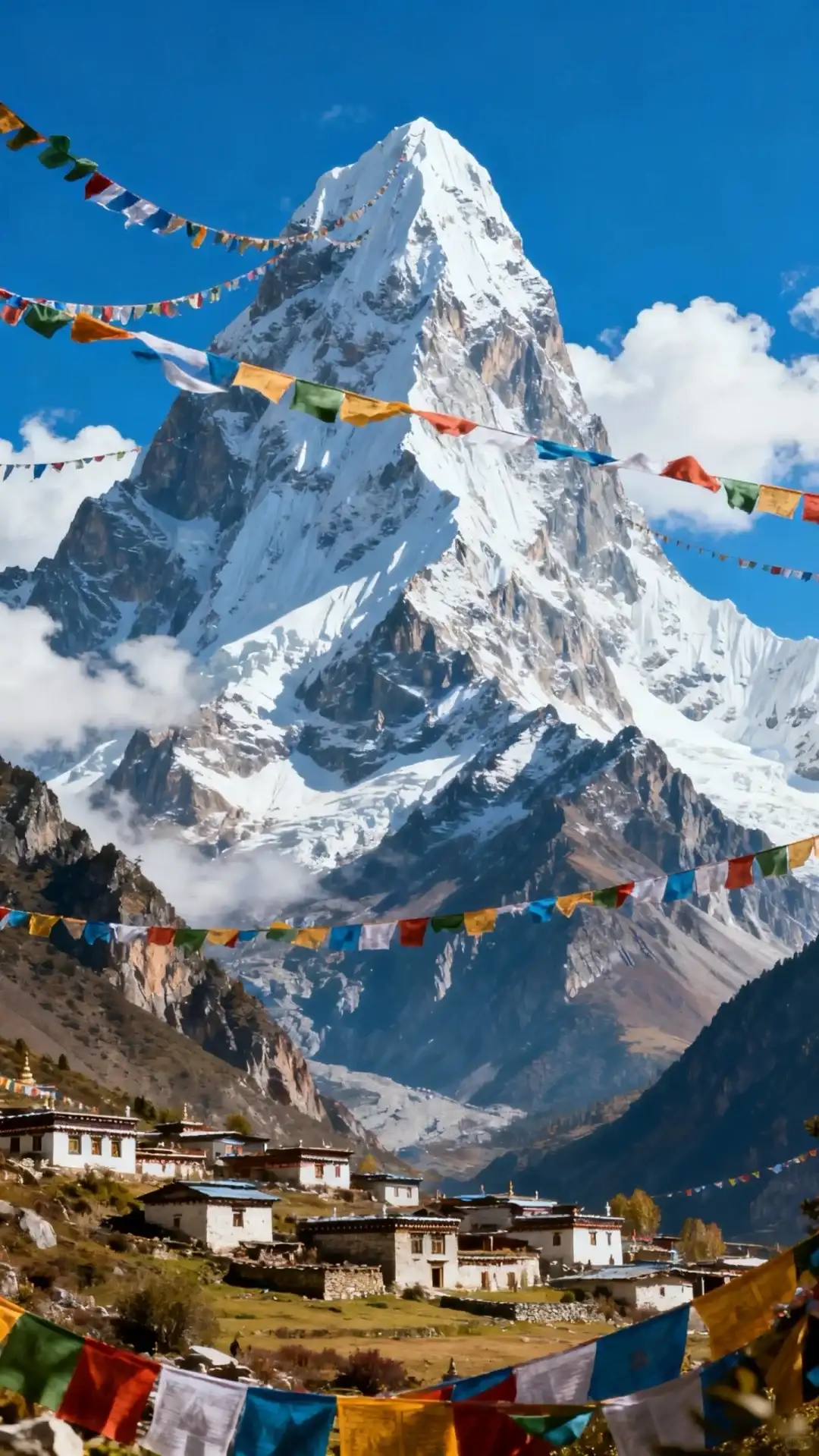
A journey in Tibet begins with respect for distance and elevation, not a packed list of attractions. Lhasa is a sensible place to adjust your pace and encounter the region’s history. The Potala Palace, Jokhang Temple and Norbulingka form a UNESCO-recognized historic ensemble, yet these places retain cultural and religious meaning and should not be treated merely as camera stops. Keep early walks gentle and pay attention to how you feel. Seek medical help for concerning symptoms; individualized altitude advice belongs with a healthcare professional familiar with your situation. Barkhor is an active area of pilgrimage, commerce and neighborhood life. Move with care and leave room for others. Beyond Lhasa, Nyingchi’s valleys and forests differ sharply from the more open highland routes toward Yamdrok Lake. Both involve significant road journeys, weather and elevation considerations rather than an easy half-day detour. Foreign visitors may face additional requirements for Tibet travel documents, approved arrangements and accessible areas. Confirm the applicable rules with a qualified operator and current official channels before booking; an ordinary China entry permission alone does not establish unrestricted travel rights. Temple entry, photography and dress rules depend on the site and day. Rest and contingency days make the trip more comfortable and provide options if weather or transport changes.
Explore the distinct roles of Potala, Jokhang and Norbulingka while remembering that religious spaces are still meaningful to people today.
Observe pilgrimage and everyday commerce from public routes without blocking movement or treating people as photographic props.
Nyingchi and Yamdrok offer different terrain and require separate road, elevation and access planning.
A suitable guide can explain architecture and religious context. Follow current access boundaries; do not expect ceremonies to be staged.
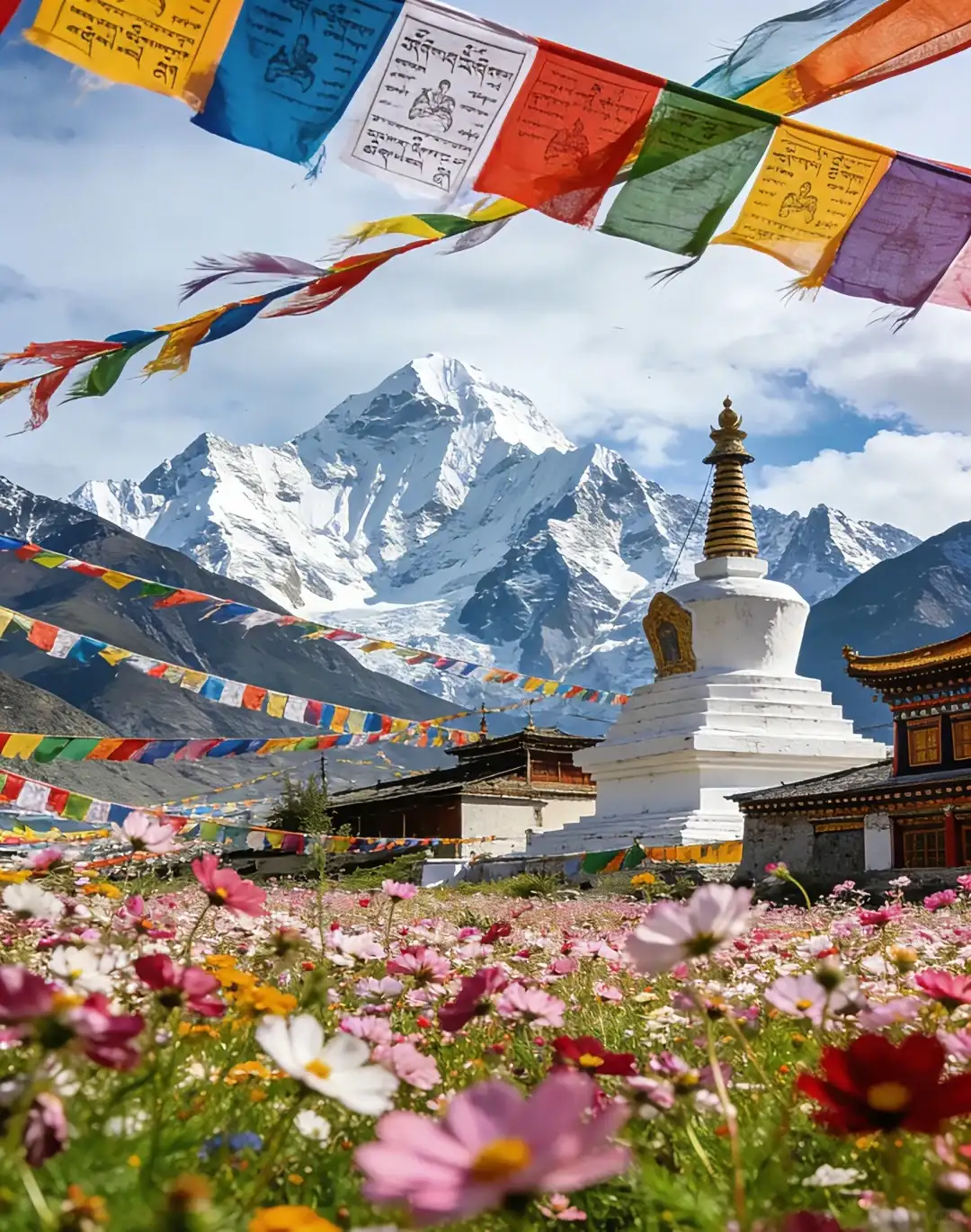
Use Lhasa to find a comfortable pace before deciding whether more distant valleys or lakes are appropriate.

Observe pilgrimage and commerce from appropriate public positions, moving with local flow and keeping entrances clear.
Separate major historic sites across gentle city days, subject to reservations and individual comfort.
If documents, health and conditions permit, devote meaningful time either to the Nyingchi valleys or to the Yamdrok direction.
Choose the location and style of stay around the final route, your companions and availability.
Foreign travelers should check current Tibet documentation, operator and area requirements before booking transport.
Avoid rushing uphill at the start; seek care for symptoms and discuss personal medical concerns before travel.
Photography and hall access differ by site. Read notices, listen to staff and make room for worshippers.
Do not assume so. Confirm the documents, approved travel arrangements and accessible areas that apply before booking.
Do not assume that is suitable. Allow adjustment and rest, then consider health, documents and road conditions.
Travel Diary
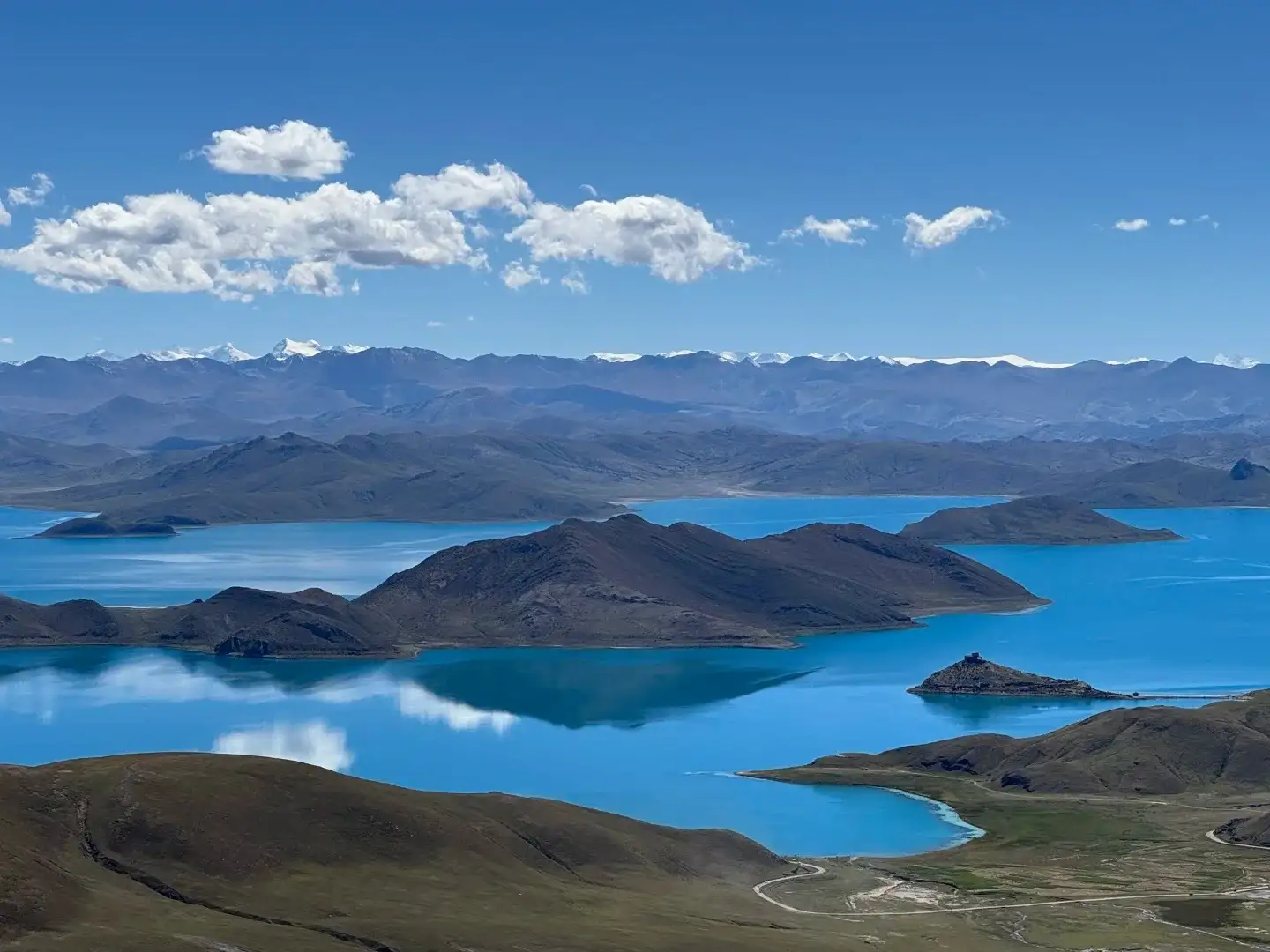
On a ten-day trip through Tibet, after returning to Lhasa from Nyingchi, Yamdrok Lake offered a more expansive perspective. The challenge lies in choosing where to stop, understanding the lake’s changing hues, and prioritizing the actual scene over the technical aspects of the photograph.
Read the journal →
China Travel Guide
Stone-pot chicken, matsutake dishes and Tibetan pork appear together in local food lists, but differ in price, preparation time and suitability. A small group can choose one main dish with clear ingredients, then add a staple and vegetables instead of ordering a full portion of every speciality.
Read the journal →China Travel Guide
Nyingchi includes towns, lakes, forests, valleys and several counties. A destination described as “in Nyingchi” is not necessarily close to the city. For a slower first visit, choose an accommodation base, give each day one main direction and then decide whether another overnight stop is worthwhile.
Read the journal →
Start with your interests, available time and the right combination of places.

Plan by region and interest, rather than choosing one season for the whole country.

Meet local life with curiosity, consideration and an open mind.

FROM INSPIRATION TO YOUR JOURNEY
A place you dream of. A journey shaped around you.
Plan my trip