


01
Treat long-distance arrival as a recovery day
After crossing time zones, complete the transfer and check-in and choose a modest activity near the hotel. Avoid tying an uncertain international arrival to an inflexible museum reservation. Include predictable rest points so everyone knows when they can sit down or return to the room.
Walking suitability involves steps, shade, toilets, seating and return options as well as distance. A mountain cableway does not mean a step-free visit. Obtain site-specific information and consider separate activities for different energy levels.
02
Check documents, seats and rooms for every traveller
Check each traveller’s name and documents for international transport, trains, reservations and accommodation. Child ticket, seating and travel rules depend on the operator; do not assume free travel from age alone. Give another accompanying adult offline access to confirmations.
Confirm room occupancy, extra beds or cots, meals and mobility needs before booking. Prepare allergy notes, medicine records and emergency contacts. If particular care or medical advice is needed, consult appropriate professionals before choosing activities.
03
A rhythm for every generation.
Discuss everyone’s interests and comfortable walking levels first. Leave time to rest each day and offer suitable choices for different interests.
04
Less moving, more time together.
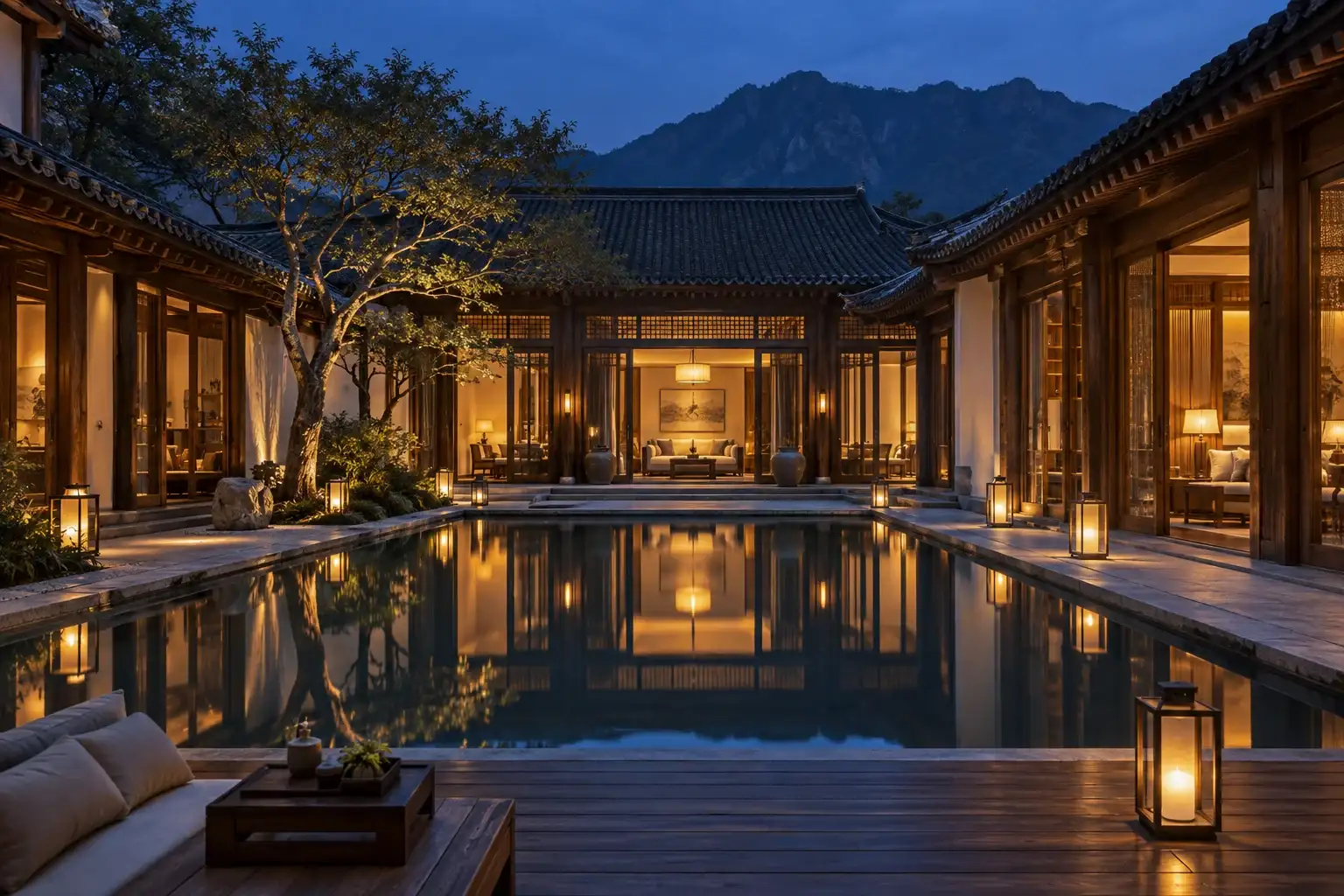
Fewer hotel changes can make routines easier. Separate long transfers from major experiences and avoid filling every part of the day.
05
Share practical needs early.
Discuss room types, meals, children’s equipment and accessibility before agreeing to a proposal. Availability must be confirmed with actual providers, not inferred from general descriptions.
Official sources checked: 2026-10-02. This guide supports planning. Refer to official sources and confirmed providers for time-sensitive arrangements.
Visa & entry guide

