Start with a region, not a universal best month
For a first trip centred on Beijing, Xi’an, Shanghai and cultural sightseeing, compare the spring and autumn dates you can actually use. Then check conditions, holidays and ticket availability in the regions on your route. This is a planning suggestion rather than one best month for the whole country. Northeast ice scenery, Jiangnan tea country and southwest mountains each need their own seasonal decision.
China Meteorological Administration climate bulletins document regional and year-to-year differences. Historical averages help with broad planning; they do not guarantee a dry, clear or cool week. Checked on 4 October 2026, this guide focuses on workable decisions. If your dates are fixed, adjust the route and indoor alternatives instead of cancelling merely because another guide prefers a different month.
Compare the activities within four broad regional settings
Northern and northwestern cities: begin with the amount of outdoor time. A Great Wall walk, a city wall and an open archaeological site have different exposure from an indoor museum. Place demanding outdoor sections in a comfortable part of the day and use meals or museums for a break. Spring and autumn can still bring cold air and wind, so pack layers and inspect a near-date forecast.
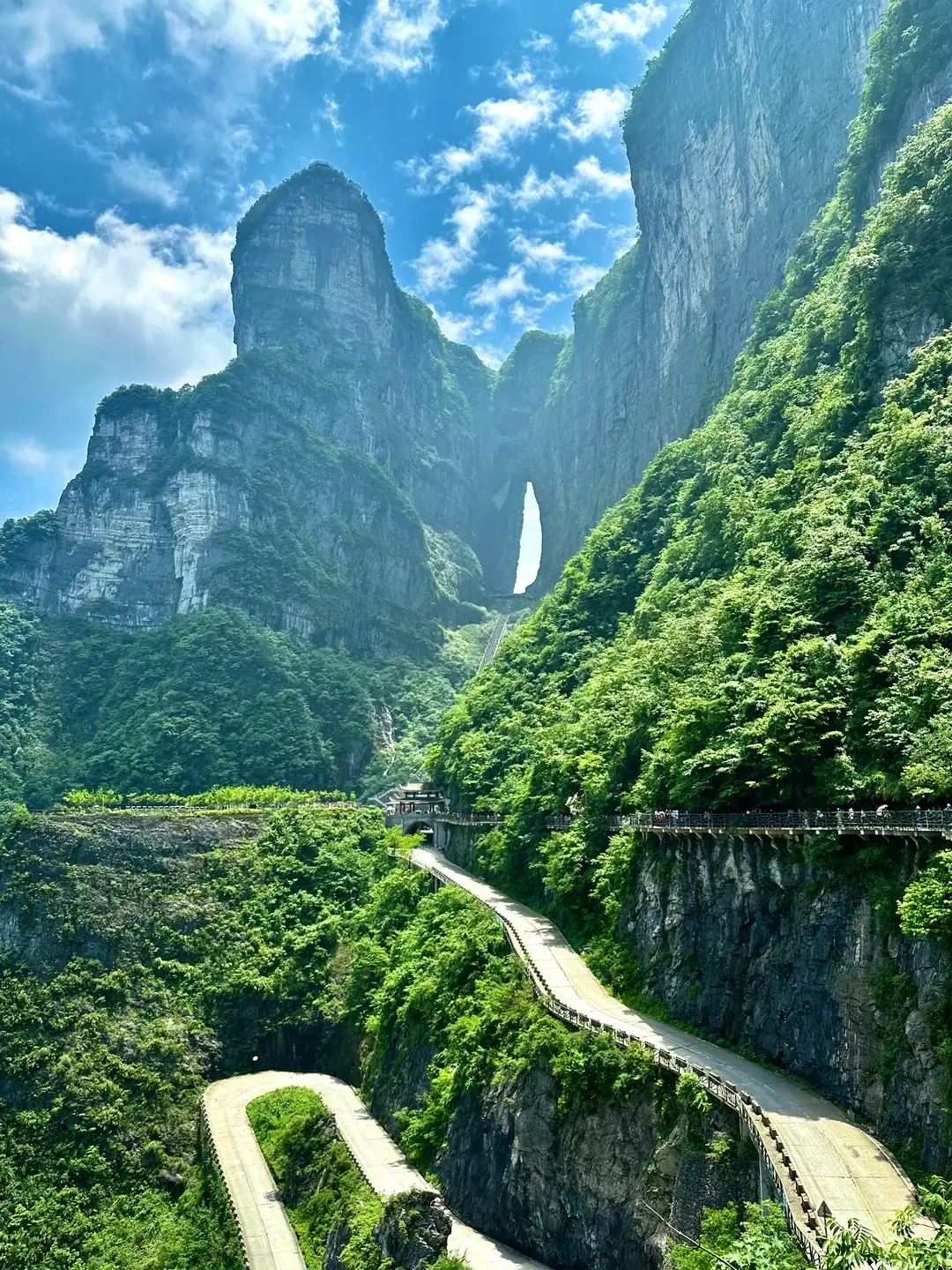
Jiangnan and coastal areas: West Lake, Suzhou gardens and Shanghai walks need a plan for humidity, rain and severe-weather disruption. Covered corners do not make a long walk weather-proof. In southern river landscapes such as Guilin, distinguish boat operation, riverside walking and city visits; water conditions and operating notices matter. In high-altitude southwest areas, a city forecast may not describe mountain conditions. A province name alone is not a clothing plan.
Pack for each day’s actual activities rather than selecting one outfit from a national temperature map. Restaurants, air-conditioned transport and exposed walking can follow one another, so adjustable layers help. Check local advice for mountain or high-altitude activities, choose shoes for the surface and rain, and consider laundry and luggage weight. Another traveller’s short-sleeved photograph does not establish your own comfort on the day.

Spring and autumn: comfort is only the first filter
Spring can work for a geographically coherent route through gardens, city neighbourhoods and tea culture. Flowering, tea activity and landscape appearance still depend on the location and year. If a blossom or tea-picking experience is the main goal, confirm what the venue offers for your dates. Seeing a tea plantation does not imply a visitor picking programme. Prepare separately for northern winds and mountain temperature changes.
Autumn also varies by region and elevation; October does not guarantee red foliage throughout China. Combine indoor and outdoor city visits, and check mountain routes and transport individually. Pleasant weather and a domestic holiday calendar are separate questions. Secure the least flexible activities first, then add neighbourhoods, parks and rest rather than filling every day with successive high-demand attractions.
A summer route needs a heat plan and a real fallback
A summer-only holiday does not make the whole country unsuitable. Choose a concentrated route with fewer transfers and adjustable walking. Complete exposed sections early, arrange a definite indoor visit or rest at midday, and assess evening conditions rather than assuming sunset removes heat or storms. Check museum reservations and weekly closures before relying on them as rainy-day alternatives.
CMA reports on heat waves and typhoons show why extreme weather can disrupt coastal and inland travel. When warnings apply, follow local transport and attraction announcements and drop exposed mountain or waterside activities. Do not build a non-refundable schedule around one optimistic forecast. Plan drinking-water access and suitable footwear, and shorten activity when fatigue, heat discomfort or a child’s condition makes the original plan impractical.

Winter: decide whether snow or comfort is your priority
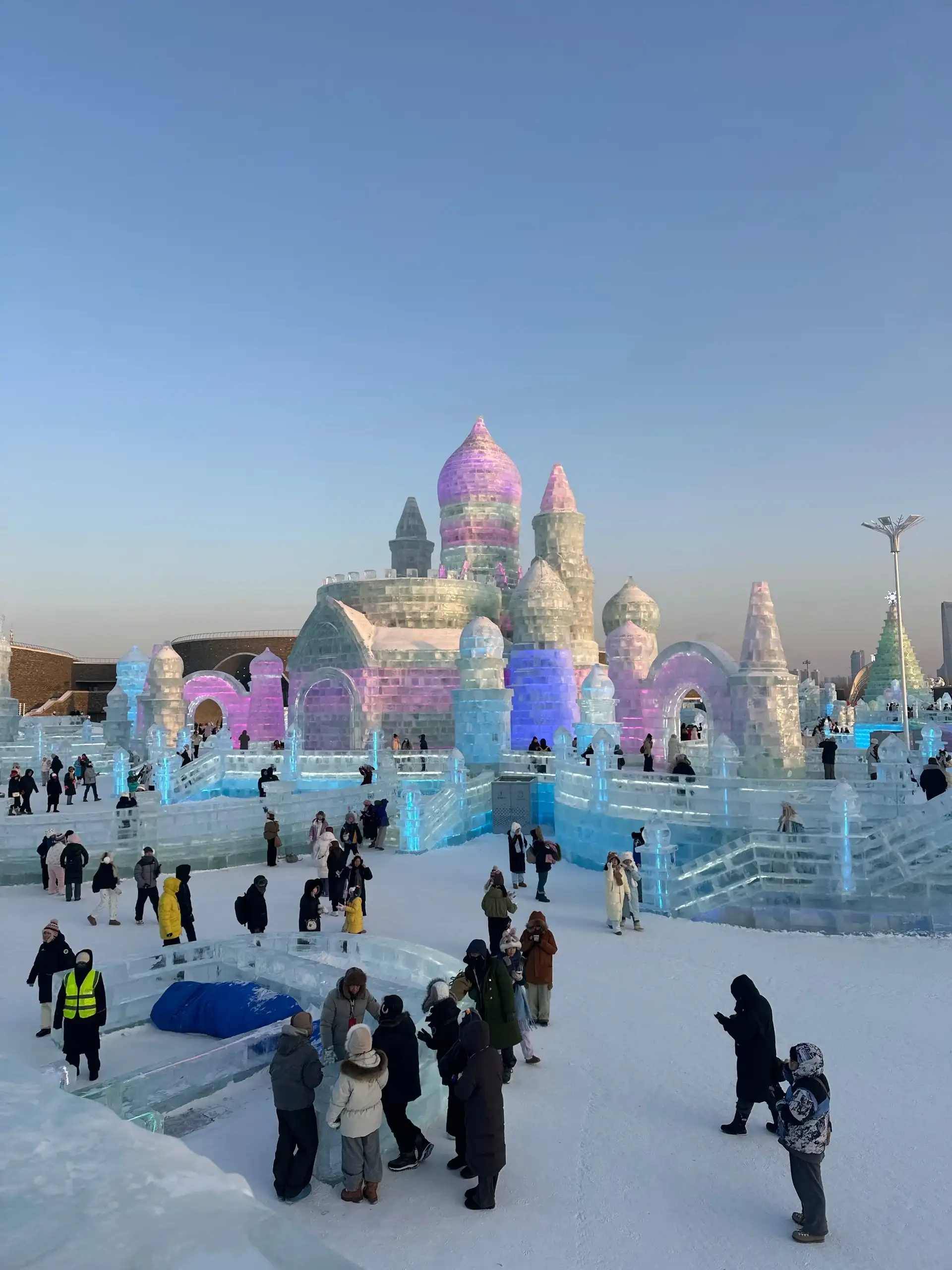
A northeast winter trip suits travellers who actively want ice scenery and will prepare for cold exposure. Seasonal park opening and closing depend on that year’s construction, temperatures and operations. A previous season’s opening date is not the next season’s announcement. In Harbin, combine architecture, indoor breaks and confirmed operating winter activities; do not assume every park is open on arrival or that city sightseeing and distant skiing form one short outing.
If prolonged cold is unappealing, shorten northern outdoor visits, add cultural venues or choose another region that suits your comfort. Southern China is not uniformly warm and dry in winter; damp conditions can affect Guilin and Jiangnan. Ask about indoor hotel conditions directly. A route spanning the northeast and far south needs clothing for both settings, which is often more important than adding another distant stop.
Check China’s holiday calendar and your own travel margins
Read the State Council holiday arrangements for the year of travel, particularly Spring Festival, the Labour Day holiday, National Day and adjusted working days. Spring Festival is not fixed to the same Gregorian date, and a normal weekend calendar does not describe holiday travel. Holidays can affect tickets, lodging and transport; dates outside them do not guarantee empty attractions. Also consider school holidays, weekends and the venue’s own peak hours.
After choosing international flights, establish arrival and departure cities, then select destinations connected by workable transport. A distant location with attractive seasonal weather can consume more time in transit than it adds in sightseeing. Preserve flexibility around major holidays and avoid a tight mountain-to-international-flight connection. Confirm actual services, fares and change rules with official booking channels.
Turn seasonal research into three decisions
First, name the experience you cannot replace. For ice scenery, a particular exhibition or a specific hike, check its operation, reservation and weather restrictions first. If the goal is a first introduction to Chinese city life, a coherent regional route matters more than finding one perfect week for the whole country. Record each traveller’s walking ability, heat or cold tolerance and available time rather than choosing solely from photographs.
Second, identify the actual alternative for a bad-weather day: an accessible indoor visit, a short local activity or rest. Third, list what must be confirmed before departure: entry eligibility, flights, accommodation, identity-based transport and popular reservations. Seasonal advice does not establish permission to enter China. Recheck official forecasts and notices near departure and on the day; this region-and-activity method produces a more practical itinerary than a national best-month chart.
Continue planning your China journey
More practical China travel guides
Official references and verification date
References checked on 4 October 2026. Recheck current rules before booking and departure.
China Meteorological Administration: China Climate Bulletin 2024
China Meteorological Administration: Weather and Climate Events of 2024