

You’ve found the spot on the map, and the taxi has arrived nearby, but you still have to walk a bit to reach the hotel or attraction. This uncertainty regarding the final leg of the journey is best addressed with an address card before departure. The card should include not only the place name but also the facility name, address, map location, and entrance information—all in one place—so that both your phone’s navigation and on-site communication can rely on the same set of details.
两种真实笔记提示了同一个需求:能搜索,不等于已经理解到达过程。本文软件事实依据上海国际服务门户二〇二六年介绍,卡片结构和步骤由编辑整理,不把任何应用显示当作景区通行许可。
Step 1: Record four types of information for each stop
Official Name: Keep the exact Chinese name of the accommodation, station, or attraction; if there is an official English name, include it as well to help you identify it.
Actual Address: Obtained from the accommodation booking, official descriptions, or the service provider; ensure the location and address match exactly.
Map Location: Save the selected location and its surroundings; avoid saving only an isolated marker without any recognizable context.
Directions: Write a one-sentence description of the confirmed public entrance, meeting point, or reception area; leave unconfirmed details blank for now and ask the provider for clarification.
The card can be a note on your phone, an order summary page, or a piece of portable paper. The key is to be able to quickly show the exact location, not to make it look pretty. When communicating with drivers or staff, placing the Chinese name and address at the top is more convenient than having to search through multiple booking emails. You don’t need to include your phone number and ID information on every map card to avoid unnecessarily exposing personal information.
, it’s especially important to cross-check the city and address. A single brand may have multiple locations, and a tourist attraction may include different areas to visit. Before saving, open the location details to verify that they match the booking information. The map pin serves as a navigation tool, while the order and official description provide the actual destination; only when these two elements correspond does the card complete its first step.
Step 2: Break down the directions into segments
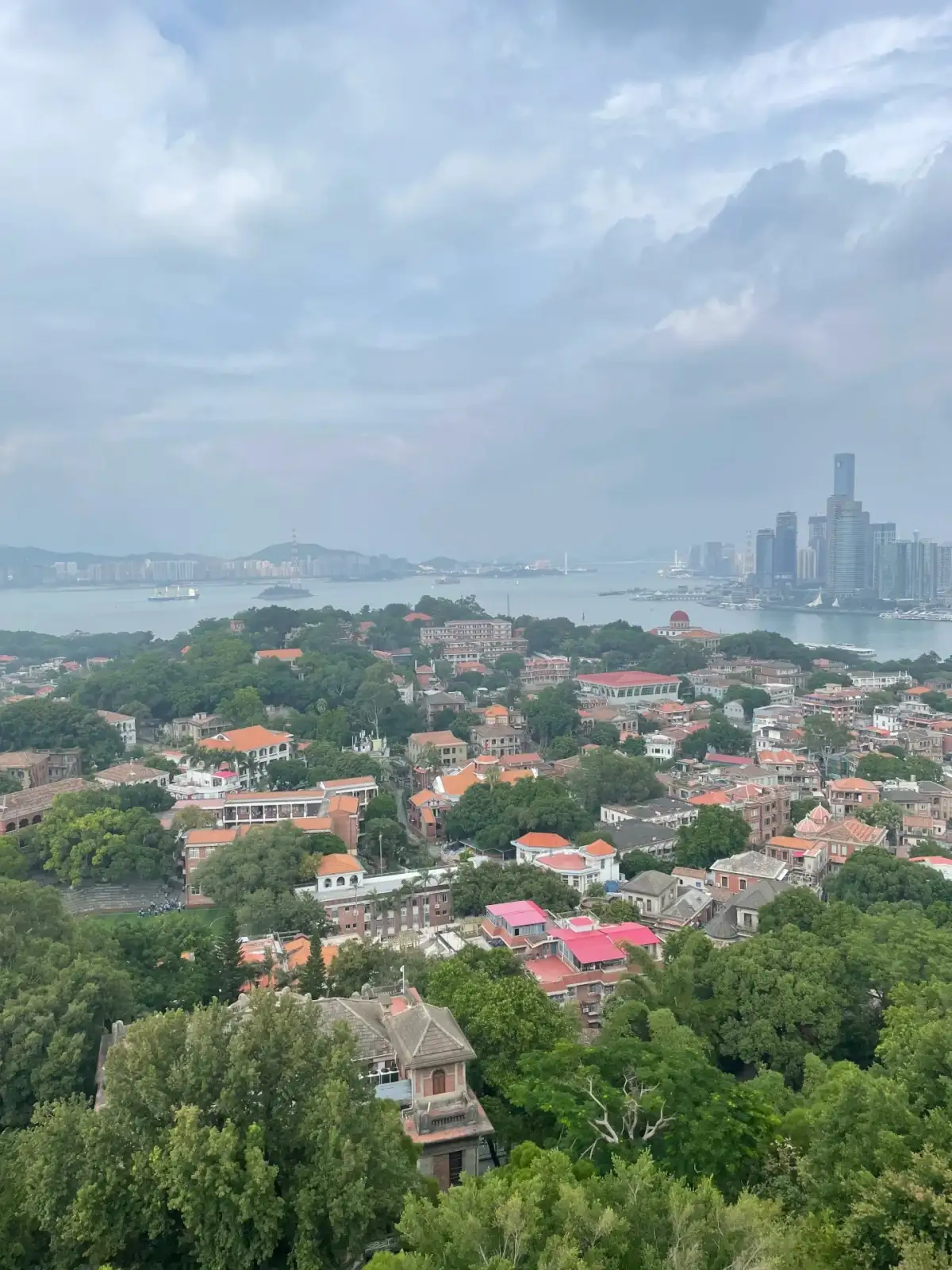
When traveling from an airport or station to your accommodation, it’s helpful to break the journey into two segments: travel within the city and the final entry into the building. For the first segment, use a map to check transportation options; for the second, supplement with the accommodation provider’s arrival instructions. Two entrances that are close together on a map may serve different purposes; if you have a lot of luggage or are traveling with someone with limited mobility, the actual meeting point may be more helpful than the entrance closest to you on the map.
As introduced on the Shanghai International Service Portal, Amap’s multilingual services allow you to save hotels and destinations in advance and provide city navigation, bilingual communication cards, and city-based information organization. Travelers can use these features based on their own devices and service availability; this article should not be interpreted as a tutorial for a specific app interface. Saving your actual address first and then comparing transportation options is a preparatory step that works across different apps.
If the map suggests walking a certain distance, first check the type of environment along the route, then consider your luggage and travel companions. A short distance doesn’t necessarily mean it’s easy to pull a suitcase. When a hotel provides entrance or reception instructions, prioritize comparing them with the map; travelers who need assistance should ask directly if there is a suitable entrance and available help, rather than making assumptions based on photos of the building.
When traveling between cities, create a separate set of cards for each city. Place Shanghai hotels, Hangzhou hotels, and the next stop’s station in their respective sets, and mark locations you’ve already left as “completed.” This way, when you open the map, it’s easy to see where you’re going today, rather than accidentally tapping a saved location from the previous city just because the name sounds familiar. This kind of organization is especially valuable on long trips.
Step 3: Add a specific location to a broad area
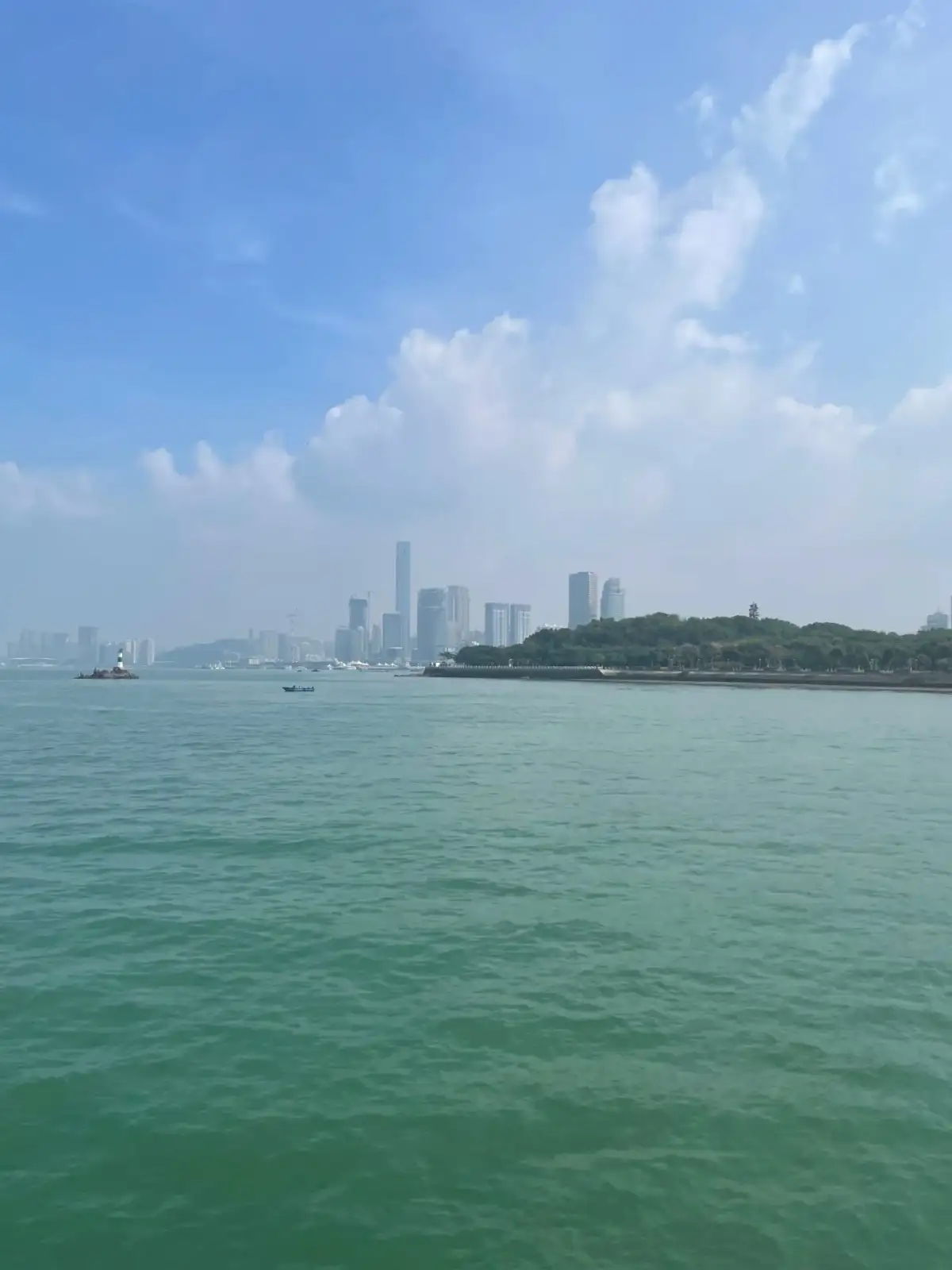
Gulangyu is a great example. The island’s name represents the destination as a whole, while the pier, specific attractions, and accommodations determine where you begin your journey. Xiaomaomao’s notes from the Summit begin with a walk from Neicuo’ao Pier, then organize the route using the names of multiple attractions. This article does not replicate the specific visitor flow or time spent on that trip; instead, treat it as a practical observation that “large destinations require a detailed starting point.”
When searching for an island, an ancient town, or a lake district, first ask yourself exactly which public entrance, pier, or designated meeting area you need to reach. The center point shown on a map may help you gauge the general area, but it may not necessarily correspond to your boat ticket or admission ticket. The information on your transportation reservations and tour bookings is crucial for determining your actual destination; once you’ve saved this to your card, you can then plan your route from that point.
Walking between attractions can also be organized based on actual points of interest. Save the next destination clearly; when you reach an intersection, you can still observe the street and direction without being rushed by navigation prompts to ignore your immediate surroundings. If a section of the route is temporarily adjusted or new on-site signage is present, adjust your route according to actual public access arrangements. Navigation provides suggestions, while the road ahead and on-site information provide the current conditions.
For neighborhoods with many turns, you can add an easily recognizable public landmark to the card, such as an officially designated entrance or the name of an adjacent street. Landmarks aid communication but should not replace the exact address. Temporary store signs may change, so established place names are generally better suited for pre-trip notes; once you arrive on-site, use directions to confirm the final stretch with staff.
When you get separated from your driver or travel companions, or if your phone is temporarily unavailable:
Agree in advance on a real, public, and accessible meeting spot, and send the name and location to the entire group. Don’t just say “meet at the exit,” as a single attraction may have multiple exits. The meeting point should account for the day’s actual opening hours and route; clearly specify the agreed-upon time and contact information as well. This preparation is part of routine itinerary coordination and does not rely on whether a particular app offers specific features.

When your phone is temporarily offline, saved order and address information can still be used for communication, but do not assume that all maps support full offline navigation. Save key names, addresses, and necessary arrival instructions in advance; backups—whether on paper or stored on your device—can cover some of your needs. When you need real-time directions or assistance, ask on-site staff and clearly explain your destination.
If different family members are responsible for keeping the information, ensure that at least one person other than the primary contact knows the current location and the next destination. Adults can arrange age-appropriate contact methods and meeting procedures for children, while guardians should continue to manage sensitive documents. Address cards are best suited for sharing itinerary information; there is no need for everyone to have access to the entire group’s private documents.
Q: Is an English address alone sufficient? While it may be convenient for your own reference, presenting the Chinese name and full address on-site usually reduces the need for further translation. It’s clearest to save both: English helps you identify the reservation, while Chinese helps staff locate it. If the two versions seem to point to different locations, contact the provider first for clarification to avoid inventing your own translation just to fill the card.
A well-prepared address card doesn’t make the journey feel mechanical; rather, it creates space for spontaneous stops. ToShanghaisearching for a hotel after arriving, orXiamenWhether transferring to a boat or switching vehicles between cities, the same principle applies: first clarify your destination, then decide how to get there. Once you have a clear destination in mind, you can devote more of your attention to the city itself while on the road.
Source and Editorial Notes
They do not serve as proof of actual travel experiences or services provided to Dongxing Travel clients.
Shanghai Municipal People’s Government International Services Portal · Digital map services expand support for international visitors · Official source; Verified/compiled on: October 3, 2026.
Make it useful on arrival
A China travel address card should combine the formal place name, hotel address in Chinese, a usable contact number and a map pin. State the China pickup point separately, down to an entrance or road side. If a site has several entrances, confirm one workable meeting point.
When the phone is offline
Save an offline screenshot or carry a short paper card, after checking the booking address. Share the hotel and meeting point with companions without putting passport numbers on a display card. A map pin identifies the area; the final walk and vehicle stopping point still need confirmation.
Planning references


