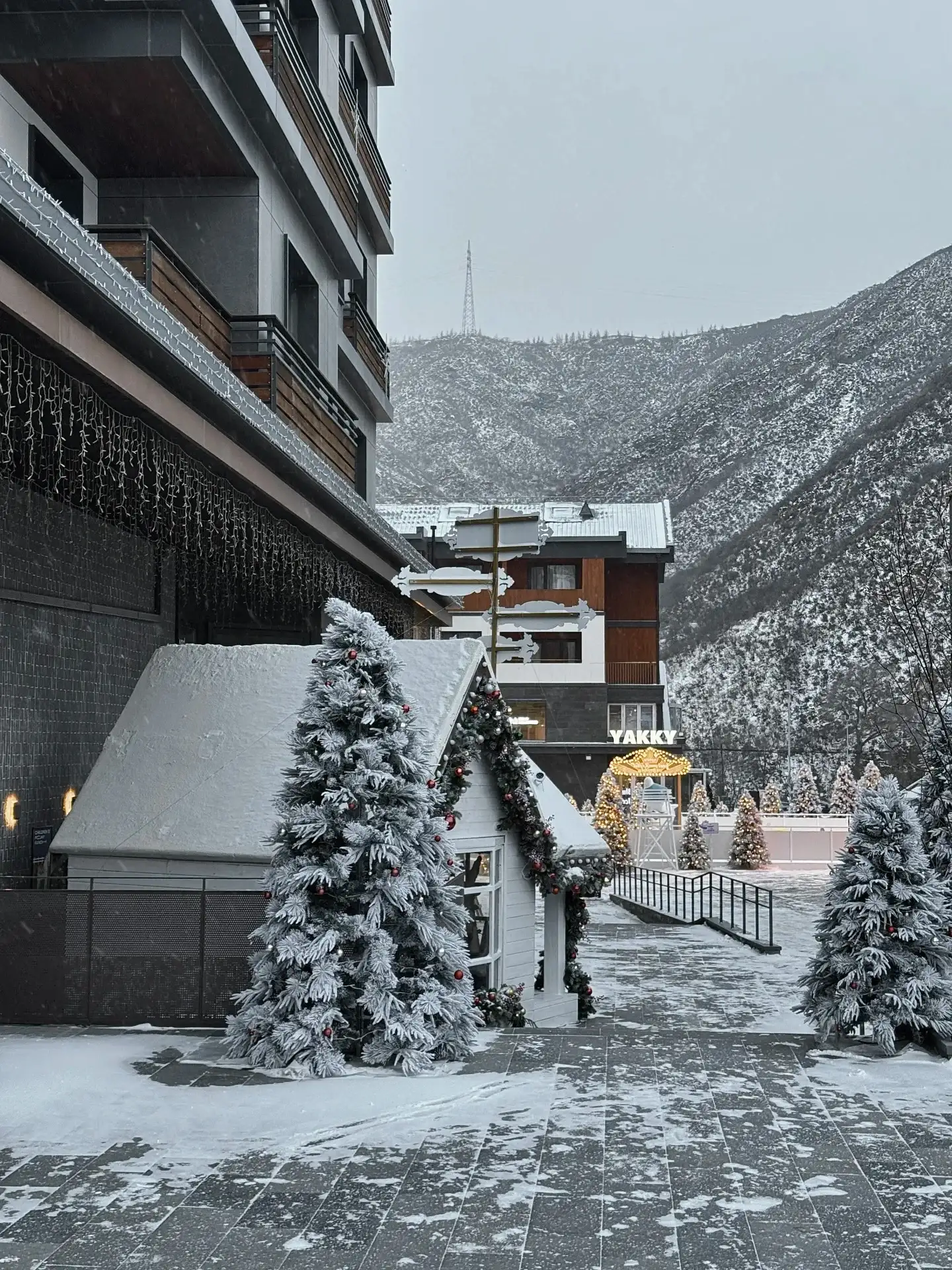
When a family visits a ski resort, they may not all be participating in the same activity.
On a first trip to Chongli, the most eye-catching elements in photos might be the slopes and distant mountains, but in reality, a typical day also includes picking up gear, lessons, breaks, and group gatherings. Experienced skiers want to maximize their time on the slopes, beginners need comprehensive instruction, and non-skiers in the group may be more interested in the snowy scenery and indoor activities. If all three preferences are crammed into a single schedule, it’s easy for everyone to end up waiting for one another. A better starting point is to first clarify how each person plans to spend the day.
The Xiaohongshu post “Copy This! A Weekend Skiing Guide to Chongli That Won’t Ruin Your Feet and Will Get You Great Shots” balances skiing with breaks for photography, while “Fulong Ski Resort Trail Map and Guide” features comparisons of specific trails by experienced skiers. These two original posts highlight vacation packages and technical interests, respectively. This article focuses on the practical aspects of a first-time trip, avoiding discussions of individual flight tickets, schedules, rental prices, or snow conditions; principles for on-slope behavior are based on FIS public guidelines.
First, let’s discuss learning objectives, then move on to lift tickets and equipment.
The core goal for beginners can be quite simple: to familiarize themselves with the equipment, understand basic movements, and participate in drills under the instructor’s guidance—all within an appropriate learning environment. This goal differs from the free skiing of experienced skiers; it requires first confirming the course details, teaching location, and actual group size before discussing how lift tickets and equipment fit into the plan. If you only have ticket information for free skiing but no clear details about the lesson schedule, your first experience is likely to involve spending a significant amount of time on on-site, last-minute coordination.
Travelers from overseas should also clarify the language of instruction. Before booking, ask whether the instructor can communicate in a language you understand, and whether children and adults can be grouped together. Language affects the comprehension of instructions, and group size affects the level of individual attention each person receives—these are key factors in the specific conditions of the lesson. Don’t rely solely on terms like “private lesson” or “beginner lesson” in place of a full description; only after the actual service details are clarified will your companions know exactly how they’ll be involved.
If family members have varying skill levels, the ski school can assess and group them based on actual circumstances. Adults who enjoy skiing may not be well-suited to both skiing freely and supervising novice children at the same time; separating these two tasks makes it easier to establish clear responsibilities and meeting arrangements. All travelers need to do is describe their experience, age, and goals; leave the technical progression and course selection to qualified instructors, and avoid treating online descriptions as substitutes for on-site instruction.
Picking up your gear is not just a trivial prelude
Before the lesson begins, picking up, trying on, and confirming your equipment will take up a significant amount of time. You can include this post-arrival process as a separate item in your itinerary, clarifying the pickup location, required information, and how the lesson meeting point connects to the rental area. First-time participants often require more explanation, so set aside this time in advance. This ensures that instruction doesn’t have to start with a rushed rush to begin, and it also gives the instructor an opportunity to assess the student’s actual situation.
Personal clothing and belongings should also be organized with learning and rest in mind. Important documents, communication devices, and changed clothing should each have designated storage locations; it is more convenient for travel companions to know where to meet in advance rather than having to figure it out on the spot once at the resort. Clothing for taking photos can be reserved for a separate time and does not need to be worn throughout the entire learning session. Clearly separating items by purpose reduces the need for repeated changes and trips back and forth during the day, and also makes it easier to care for non-skiing family members.
Olympic footage can spark interest, but beginner goals must remain clear
The Beijing Municipal Government’s introduction to the Cloud Top venue details its background in Winter Olympic snow sports. This context adds cultural interest to a trip to Chongli and naturally leads to expectations of competitive scenes at the resort. For a first-time lesson, a more practical goal is to complete exercises suited to one’s own ability rather than imitating competitive moves. Separating the interest in watching from the level of actual participation allows beginners to enjoy their progress and enables experienced skiers to maintain their own desire to ski.
FIS regulations emphasize that skiing should be adapted to one’s individual ability, as well as the terrain, snow conditions, weather, and crowd levels, while respecting trail markings. Travelers can use these principles as a framework for understanding on-site arrangements: under varying conditions, one cannot determine whether a particular trail is suitable solely based on its color or online reviews. Specific choices should follow on-site guidance, and you should promptly communicate your own feelings. Communication and proactive explanation during lessons are valuable components of the learning process.
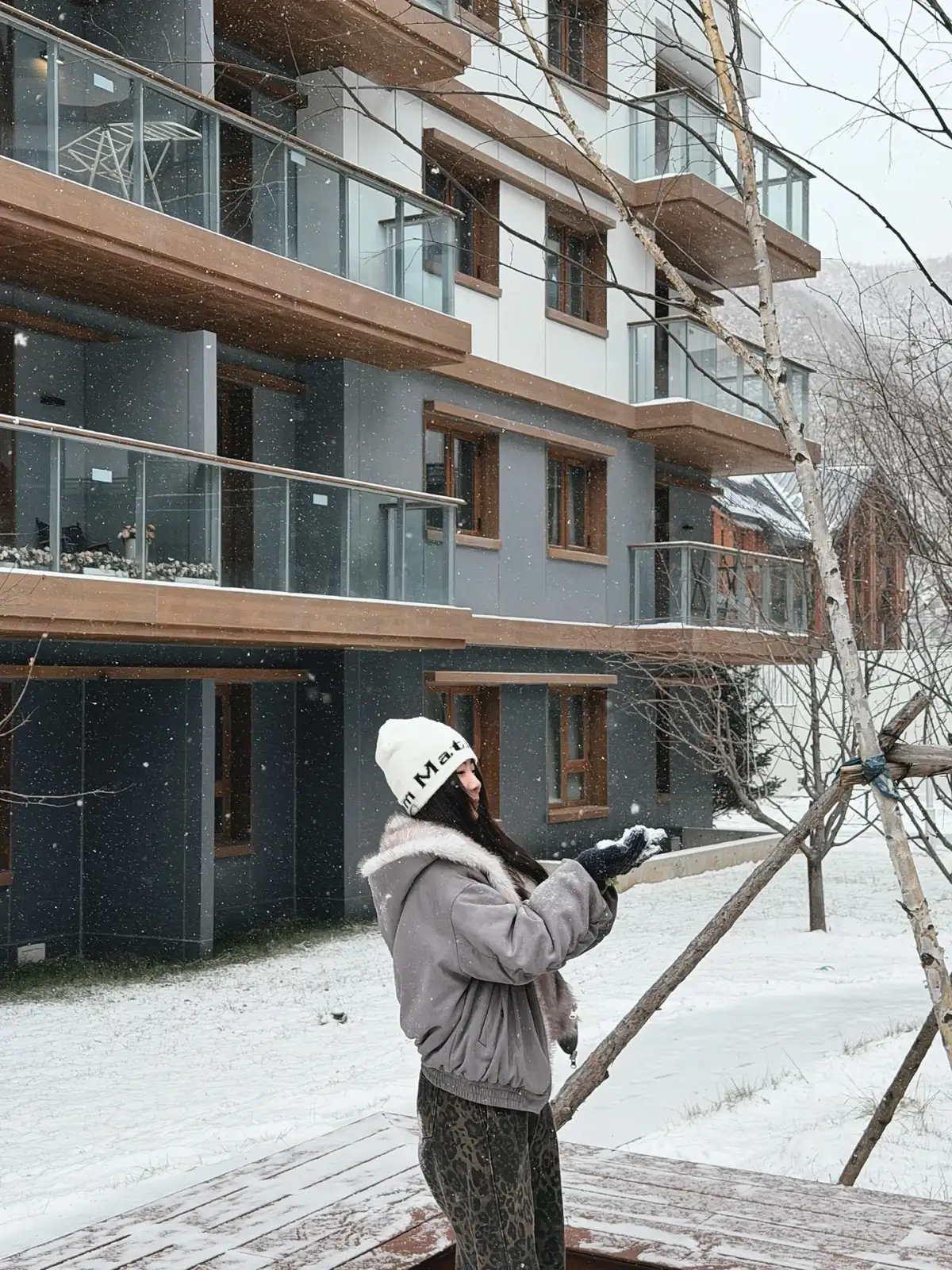
The backs of visitors on the slopes of the Chongli Ski Resort. Photo:Mia · Original Post.
For photography sessions, it’s best to have a dedicated spot.
Photos of snowy landscapes can be a key part of the trip, but photography and skiing use space differently. Photographers want to stop to frame a shot, while others may be moving. FIS regulations advise against lingering in narrow areas or where visibility is limited, and on-site ski resort guidelines should also be followed. Therefore, it is best to first locate spots where sightseeing and photography are permitted before planning your shots; do not temporarily block the ski run for the sake of a photo, nor ask learners to be distracted by posing for the camera.
A collection of meaningful winter photos might include distant mountains and the resort environment, scenes of rest after a lesson, and details of the snow in areas open to the public. If people appear in the shots, capture them from a distance as silhouettes or in relation to the surrounding environment; when photographing familiar companions, always respect their wishes first. Photos do not all need to showcase difficult maneuvers—learning, resting, and traveling together can equally convey the theme of a trip.
If your primary interest is photography rather than the sport itself, you can make capturing the snowy scenery the focus of your trip, while arranging to share meals and meet up with the skiers. This division of roles satisfies both interests and prevents one member from being forced to participate in activities they aren’t interested in just to keep up with the group. The specific activities available at the ski resort should be selected based on the day’s schedule. Once the theme is clear, the advisor can more accurately coordinate everyone’s day.
Even those who don’t ski need a comprehensive itinerary
If traveling companions are not taking lessons, they should know in advance which normally open areas they can stay in, how to take breaks, and how to stay in touch with others. Avoid reducing their day to simply “waiting for us to finish skiing,” as waiting also requires a suitable environment and activities. You can arrange for moderate amounts of walking, sightseeing, and meals, or have the family regroup at specific checkpoints. When everyone has their own focus, group dynamics become much more relaxed.
Children’s courses and adult activities; transportation and handoffs require particular clarity. Who will accompany the child upon arrival, who will pick them up after the lesson, and what the actual meeting point is called—it’s best to discuss this information within the family beforehand. While these details may seem routine, they determine whether group assignments can proceed smoothly. If there are last-minute changes, communicate with the lesson provider first, then adjust other activities accordingly, so participants know what to expect next rather than being left to guess.
Before leaving, leave space for returning equipment and transferring to your next mode of transportation
, returning equipment, changing clothes, retrieving belongings, and boarding transportation remain part of the day. If the return trip involves connecting to a high-speed rail or flight, sufficient time must be allocated based on the actual route; the end of practice should not be mistaken for arrival at the station. The editor recommends specifying equipment return and meeting points first, followed by the return trip arrangements. This approach helps establish clear boundaries for the lesson and prevents everyone from having to rush to handle multiple tasks simultaneously during the final stage.
This siteIntroduction to the Chongli Destinationcan serve as a starting point for regional planning. When consulting with an advisor, specify each traveler’s experience level, preferred language for instruction, and whether they wish to ski or take photos, then coordinate these details with specific lessons and transportation arrangements. A successful first winter trip can be a learning experience that is easy to follow, engaging, and concludes on a relaxed note; photos of the snowy scenery can then capture the memory without having to dictate the pace of the entire trip.
Sources and Editorial Notes
This article is an original travel analysis compiled by the Dongxing Travel editorial department based on the listed materials; it is not a firsthand account by the author. The full text of the original posts has not been reproduced; accompanying images are used within the scope of authorization and are credited to the authors and original sources. They do not serve as proof of actual travel experiences or services provided to Dongxing Travel clients.
Mia · Copy This Exactly! A Weekend Skiing Guide to Chongli That Won’t Ruin Your Feet and Will Make for Great Photos · Travel Notes; Verified/Organized on: October 3, 2026.
Shimoku-ju · Fulong Ski Resort Trail Map [HD] and Trail Guides · Travel Notes; Verified/Organized on: October 3, 2026.
International Ski and Snowboard Federation · FIS Code of Conduct for Skiers and Snowboarders · Official sources; Verified/compiled on: October 3, 2026.
Beijing Municipal Government English Portal · Introduction to the Cloud Top Ski Park Facilities · Official sources; Verified/compiled on: October 3, 2026.