Architecture within the landscape can also serve as a vessel for memory
In photographs of Harbin in winter, the Volga Manor often appears against a backdrop of snow, wooden structures, and spired rooftops. Such scenes are highly appealing, but if viewed merely as a “foreign-looking” backdrop, one risks overlooking its connection to Harbin. According to the official description provided by the estate, the site is themed around Harbin’s history and Russian culture, with St. Nicholas Church and the riverside restaurant among the reconstructed structures. This context allows visitors to shift their focus from mere scenic interest to urban memory.
The Xiaohongshu post “Life Advice: Visit These Places Before Leaving Harbin” combines the estate with several other buildings in the city, while “Stepping into a Fairytale-Like Snowy World” documents the author’s focus on snowy landscapes and fashion experiences. These two original posts reveal different motivations: some seek to understand the city, while others primarily wish to immerse themselves in winter scenes. This article combines an introduction to the estate with materials from the Ministry of Culture and Tourism to discuss how these two interests can be clearly situated within the same travel experience.
Reconstruction and Original Sites: Different Perspectives on Viewing Once we recognize a building as a reconstruction, we can adopt a different perspective: How does it make familiar or vanished urban images visible agai
Once we recognize the building as a reconstruction, we can shift our perspective to ask: How does it allow familiar or vanished urban images to be seen anew? Buildings on their original sites are linked to the surrounding streets and their history of use, while the cultural exhibits within the estate are connected to the gardens, walking paths, and contemporary activities. Each has its own distinct content, and they become easier to understand when placed in their respective contexts. The estate’s appeal can encompass architectural form and landscape organization, rather than relying solely on the notion of “great age.”
One can begin by examining the overall silhouette to see how the wooden structure becomes the focal point of the landscape. The roof, tower-like forms, and surrounding open spaces collectively shape the first impression; as one approaches, the surfaces, openings, and details shift the scale of observation. By connecting the whole with its parts, visitors can understand why this form is well-suited to being discovered within a garden, and it also makes it easier for photographic captions to remain concrete rather than repeatedly resorting to the same exotic adjectives.
Overseas visitors may feel a sense of familiarity with certain architectural forms. In this context, it is worth discussing why these forms appear in cultural displays related to Harbin and how they connect with local urban memory. Familiarity with the exterior does not preclude the discovery of new content; rather, it can serve as a starting point for dialogue. As the guide gradually weaves in the urban context, the building ceases to be merely a replica of a distant landscape and instead becomes a gateway to understanding the encounter between different cultures.
The Garden Environment: Making Walking the Sequence of Viewing
According to materials from the Ministry of Culture and Tourism, the estate organizes its architectural and cultural elements around the natural landscape of the Ash River. Visitors can first observe how the architecture is framed by paths, groves, and open spaces, and then decide where to linger. Compared to urban architecture, which is often situated close to roads and daily activities, the garden offers a different viewing perspective. It allows visitors to step back and view the whole, while also fostering a more leisurely visual relationship between the various buildings.
When photographing, it is helpful to choose angles based on the question: “How does the building integrate into the landscape?” One shot establishes the setting and the main structure, while another highlights the materials and details; together, they illustrate the viewing process. If there is snow, focus on how the white ground sets off the building’s outline; if there is no fresh snow, observe the relationship between the trees and the building. Once the composition’s purpose is clear, the weather need not dictate the entire value of the trip—the building still offers meaningful visual content.
The experience of dressing for the snowy landscape described in the original post reflects the author’s feelings on that particular day, whereas pre-trip preparations must be tailored to one’s own weather conditions and activity plans. Winter photography often involves lingering in one spot for a long time, so families should discuss in advance how to alternate between photo sessions and indoor breaks, ensuring other members also have activities they’re eager to participate in. Clothing serves the practical needs of the visit, while photos document the trip; when these two elements work in harmony, the estate becomes a more comfortable shared experience.
Art and Daily Life: Adding a Context of Use to Architecture

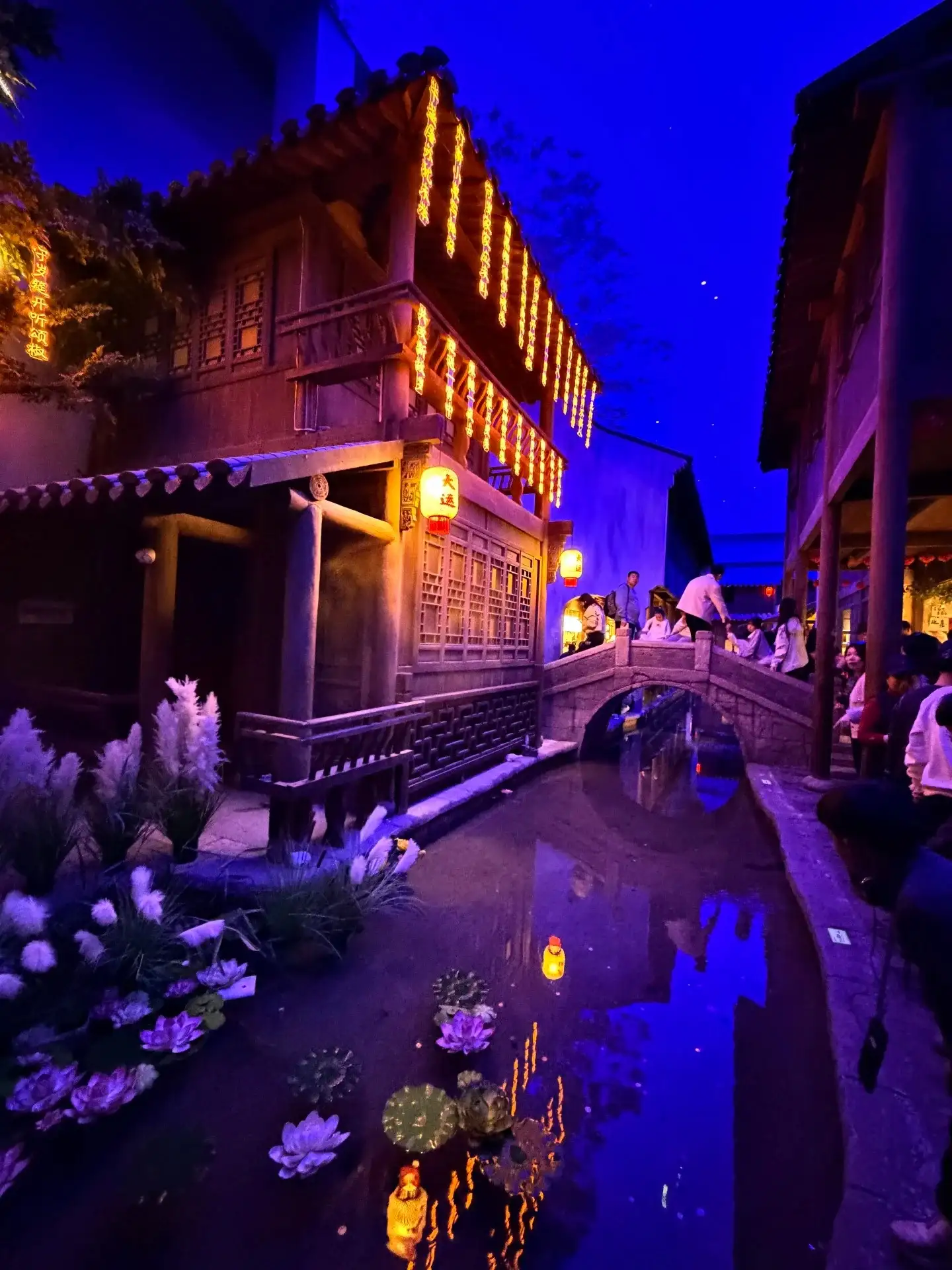
Winter architecture and boat-shaped decorations at the Volga Manor. Photo:Dreamer Ling Yiran · Original Post.
The estate’s introduction integrates art, dining, and cultural exhibitions into its overarching theme. During a visit, one can pay attention to what activities the building accommodates beyond simply being viewed. While the actual offerings depend on the day’s schedule, the question of “how form and function intersect” remains a relevant one in the long term. Once a structure enters the contemporary cultural landscape, how people approach it, linger within it, and come to understand the city through it—these are all meaningful points of observation.
If fellow travelers are not particularly interested in architecture, they can begin with their own favorite forms of art or everyday experiences, then return to the surrounding space. Some focus on color, others on music or the dining atmosphere, and still others prefer walking outdoors. A group visit doesn’t require everyone to study architectural details at the same time; by first establishing a shared focal point and then making room for different interests, the cultural theme won’t devolve into a lengthy lecture that only one member enjoys.
How Can the City Center and the Manor Complement Each Other?
The city center offers streets, daily activities, and specific historical sites, while the estate presents a concentrated, organized cultural landscape. If time permits, one can first familiarize oneself with a few buildings and the urban context in the city center, then visit the estate to see how related architectural forms are reinterpreted; alternatively, one can start with the estate to spark interest and then continue exploring different contexts within the city. The order depends on practical transportation and energy levels, but the comparative questions can remain consistent.
When linking these two segments of the journey, the focus need not be limited to which is more photogenic. Instead, we can ask how urban buildings and roads interact, and how the estate’s architecture and gardens relate to one another; what viewing conditions arise from the estate’s daily use, and how its cultural themes draw the eye. Such a comparison allows each location to reveal its own distinct character, gradually transforming the vague observation that “Harbin has a lot of architecture” into several distinct, articulable insights.
If you only have one day, you should first decide whether photos of urban culture or the garden are more important. Those seeking to understand the city can set aside ample time for urban exploration; those looking forward to the gardens and snowy scenery can make the estate the centerpiece of their itinerary. Do not assume that just because both locations are within Harbin’s city limits on the map, they can be easily squeezed into the itinerary as afterthoughts. Transportation, dining, and the pace of your travel companions will also influence the actual experience; once the primary objective is clear, it becomes easier to make trade-offs.
Providing a Common Thread for Families and People of Different Languages
When visiting with children, you can first have them identify their favorite building silhouettes, then use simple explanations to introduce how these relate to the city’s collective memory. Adults interested in history can delve deeper into the background, while children can still engage through shapes, colors, and spaces. Multilingual groups can also follow this sequence: first observe objects visible to everyone, then introduce necessary cultural context, allowing everyone to participate rather than waiting for all terms to be translated before beginning the tour.
For slower-paced travelers, the itinerary can focus on a few key structures and practical resting spots, without making a complete walk through the entire garden the default goal. Photography enthusiasts, on the other hand, can first select a set of shots that illustrate their theme, thereby reducing the time spent taking repeated photos at each location. After discussing these differing interests, the group can establish a shared rhythm for their time at the estate, while also conserving energy for the return to the city or onward travel.
This SiteIntroduction to Harbin as a Travel DestinationThis can help guide discussions on regional itineraries, with specific activities at the estate and transportation arrangements tailored to actual conditions. What visitors can take away from the Volga Estate is not merely an image of wooden buildings in the snow, but also a cultural question: How does a city preserve and express its memory through new exhibition spaces? Returning to the city center with this question in mind, even familiar architectural facades will take on new depth.
Sources and Editorial Notes
This article is an original travel analysis compiled by the Dongxing Travel editorial team based on the cited materials; it is not a firsthand account by the author. The full text of the original post has not been reproduced; accompanying images are used within the scope of authorization and are credited to the author and the source of the original post. They do not serve as proof of actual travel or services provided by Dongxing Travel.
Taotao on the Road · Life Advice: Visit These Places Before Leaving Harbin (Includes Travel Guide) · Travel Notes; Verified/Organized on: October 3, 2026.
The Beast · Venturing into a Fairytale-Like Winter Wonderland ✨🤍 · Travel Notes; Verified/Organized on: October 3, 2026.
Contributed by Harbin Volga Manor / Published by People’s Daily Online · Introduction to Harbin Volga Manor · Official materials; Verified/Compiled on: October 3, 2026.
Ministry of Culture and Tourism · Introduction to Heilongjiang Province’s Cultural Industries · Official materials; Verified/Compiled on: October 3, 2026.
Dreamer Ling Yiran · I flew to Harbin again just to take these photos! · Image source: This article does not cite the post as a basis for current policy.