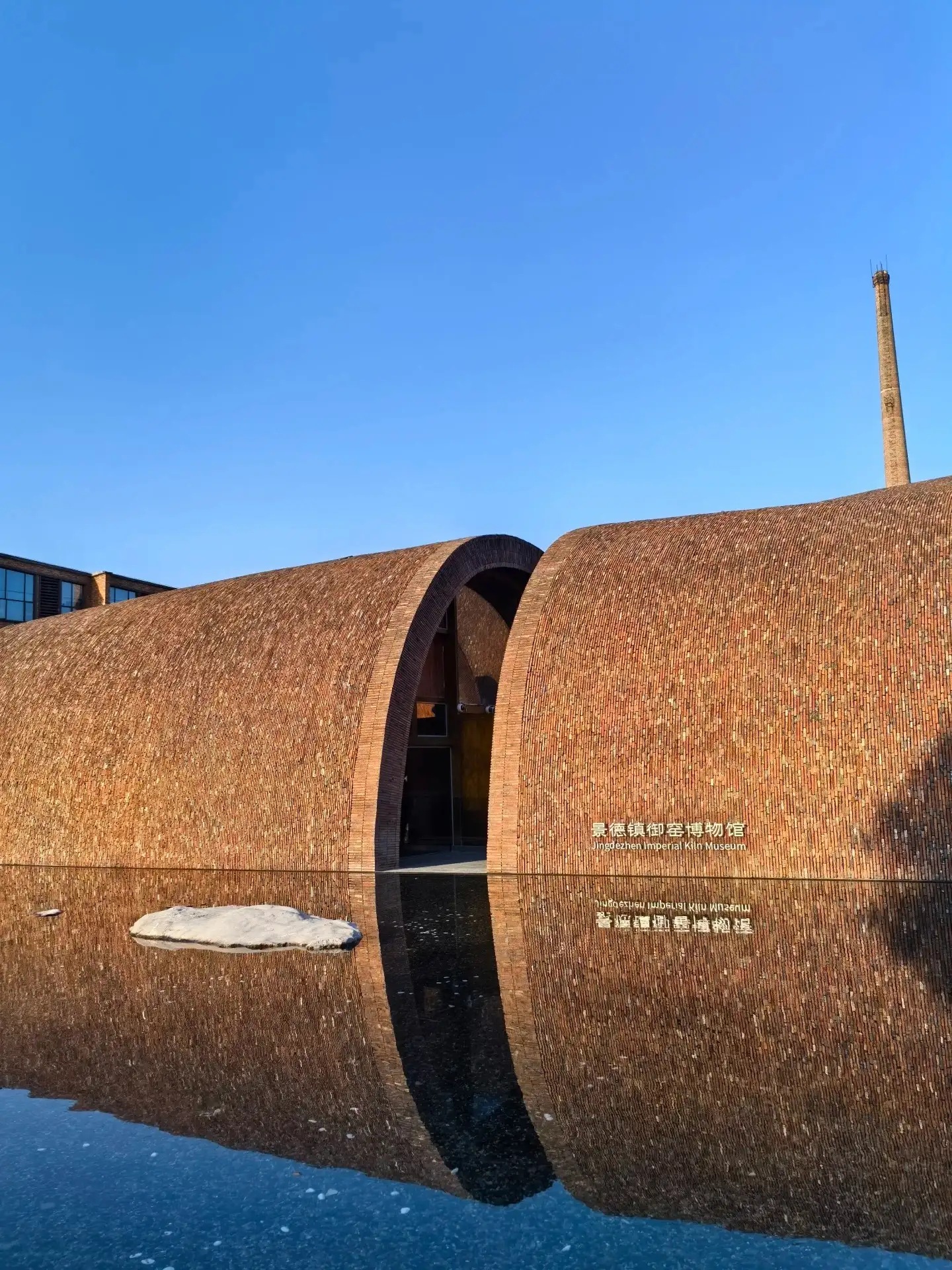
The brick arches of the Imperial Kiln Museum easily become the focal point of a photograph. To create a series of images that convey the relationship between architecture and its surroundings, avoid sticking to a single fixed vantage point; instead, document the progression from the exterior to the interior. Distant volumes, openings seen while passing through, and close-ups of brick surfaces represent different scales of the same building; only when connected do they form a viewing experience that feels authentically lived.
本文以这些真实观察作为取景起点,建筑与遗址空间事实依据景德镇政府资料,拍摄次序是编辑建议,不将原帖中的露台、体验作坊与时间推荐写成当前通行安排。
Start by taking a photo that clearly indicates the location.
According to Jingdezhen’s official description, Taoyangli consists of the Imperial Kiln Site, the museum, and the surrounding residential alleys, guild halls, porcelain merchants’ quarters, and kiln communities. Architectural photography, therefore, need not simply isolate new buildings from their surroundings. Start by seeking a wide-angle shot from an open public space, allowing the brick arches to appear alongside the surrounding area, and document how this building fits into a place rich with historical layers.
The purpose of this image is to establish relationships. What is in the foreground, what is in the background, are there gaps between the buildings, and where do people pass through? You can start by capturing the scene from a standard perspective, then experiment with wider or narrower compositions. A wide-angle lens can easily capture more of the scene but may also distort shapes at the edges; a slightly narrower frame requires more careful selection of the background to include. While the tools differ, the narrative goal remains the same.
If there are visitors nearby, avoid treating “no people” as the sole criterion. Figures in the distance can help convey the building’s scale; when photographing people up close, ask for their permission first or adjust the composition to avoid disturbing them. Buildings are both objects to be viewed and spaces to be used; appropriately capturing human activity often conveys the experience more effectively than an image completely detached from daily life.
Use openings to convey movement
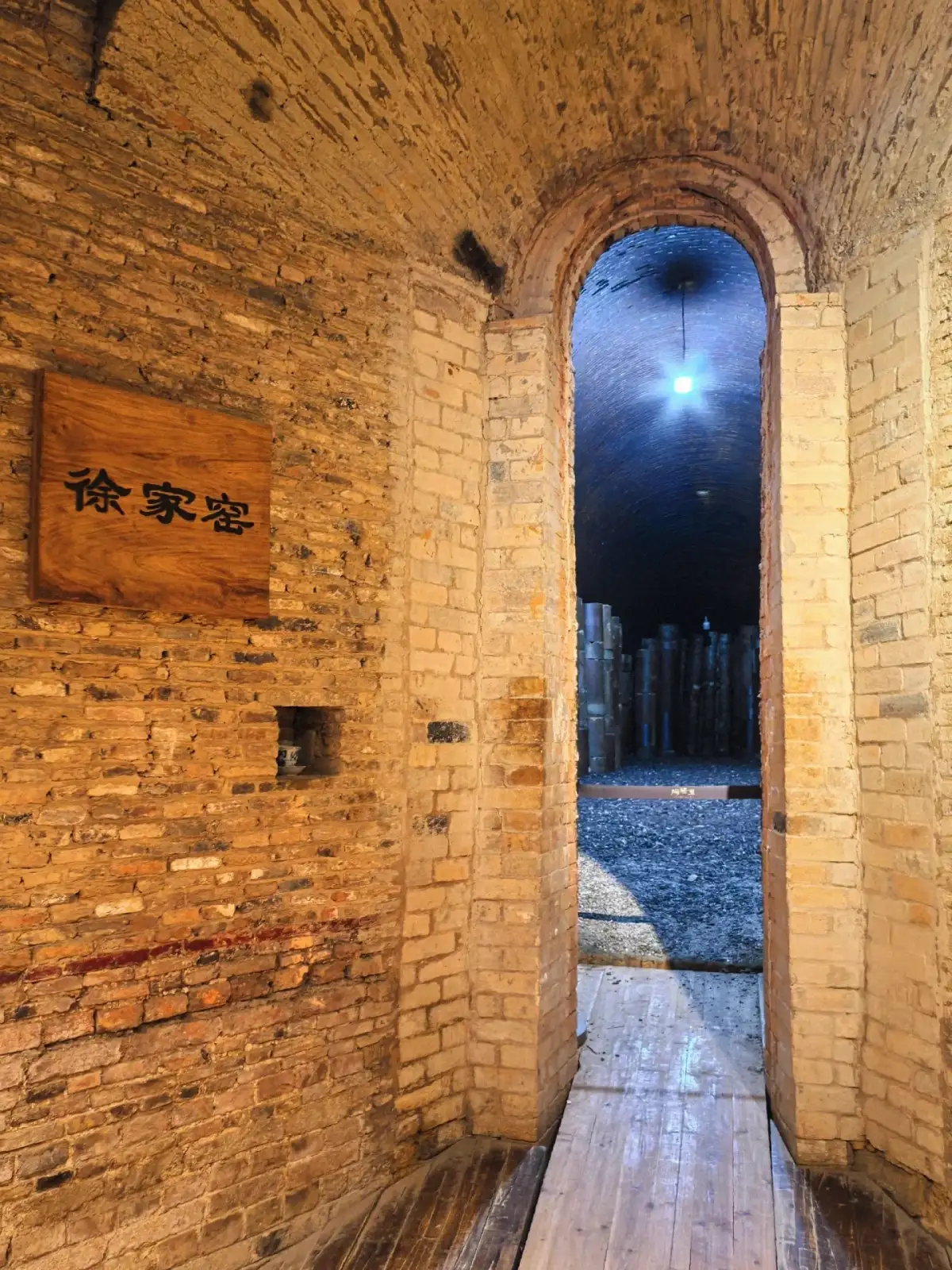
Arched openings and foreground-background layering are ideal for conveying the sense of passage. Stand in a spot where you can linger, first observe what appears in the foreground and background, and then decide how many layers to include. Many photographers favor symmetry, but symmetry does not necessarily result in a more meaningful image. When one side is lit and the other reveals a brick surface, standing slightly off-center may better convey the sense of space; the choice depends on the relationship you wish to portray.
By taking two consecutive shots, you can transform a static space into a dynamic process. The first shot captures the current vantage point and the area ahead; the second is taken after moving to the next vantage point and looking back. The contrast between the two illustrates how the body moves through the architecture—not every shot needs to be a standalone visual highlight. When organizing your photos, these transitional shots are invaluable; they connect the exterior with the details, allowing the viewer to understand how the camera moved in for a close-up.
If there is an archaeological site on-site, first understand the boundaries of the viewing area and the accompanying explanations before deciding how to incorporate it into the image. The fact that new buildings adjoin historical remains is a spatial reality established by official descriptions; however, specific traces appearing beneath a particular brick arch require on-site analysis of the materials to identify. Do not lump all architectural elements from different eras together under the general term “ancient kiln” simply to capture both past and present in a single frame; using accurate terminology will make your photo captions more compelling.
Reflections on the water’s surface represent both relationships and the current conditions.
The original post highlights water reflections as a compositional element. The value of reflections lies not only in creating left-right or top-bottom symmetry but also in placing the physical object and its reflection on the same viewing plane. First, assess whether the reflection is clear and how the light falls on the water’s surface, then decide how much of the water’s surface to include. Actual weather, wind, and light will all influence the final image, so there’s no need to expect the same results on-site as shown in the sample photos from a particular blog post.
Q: Is it still worth photographing if the water’s surface isn’t calm? It’s worth trying a different approach. Ripples can fragment the contours of the brick arches, creating a contrast between the physical structure and its reflection. You can make the physical structure a clear point of reference and let the changes in the water serve as a secondary layer. If the reflection is too faint, treat the water as a foreground or spatial separator rather than forcing a symmetrical composition; an image that honestly captures the conditions of the day can still be complete.
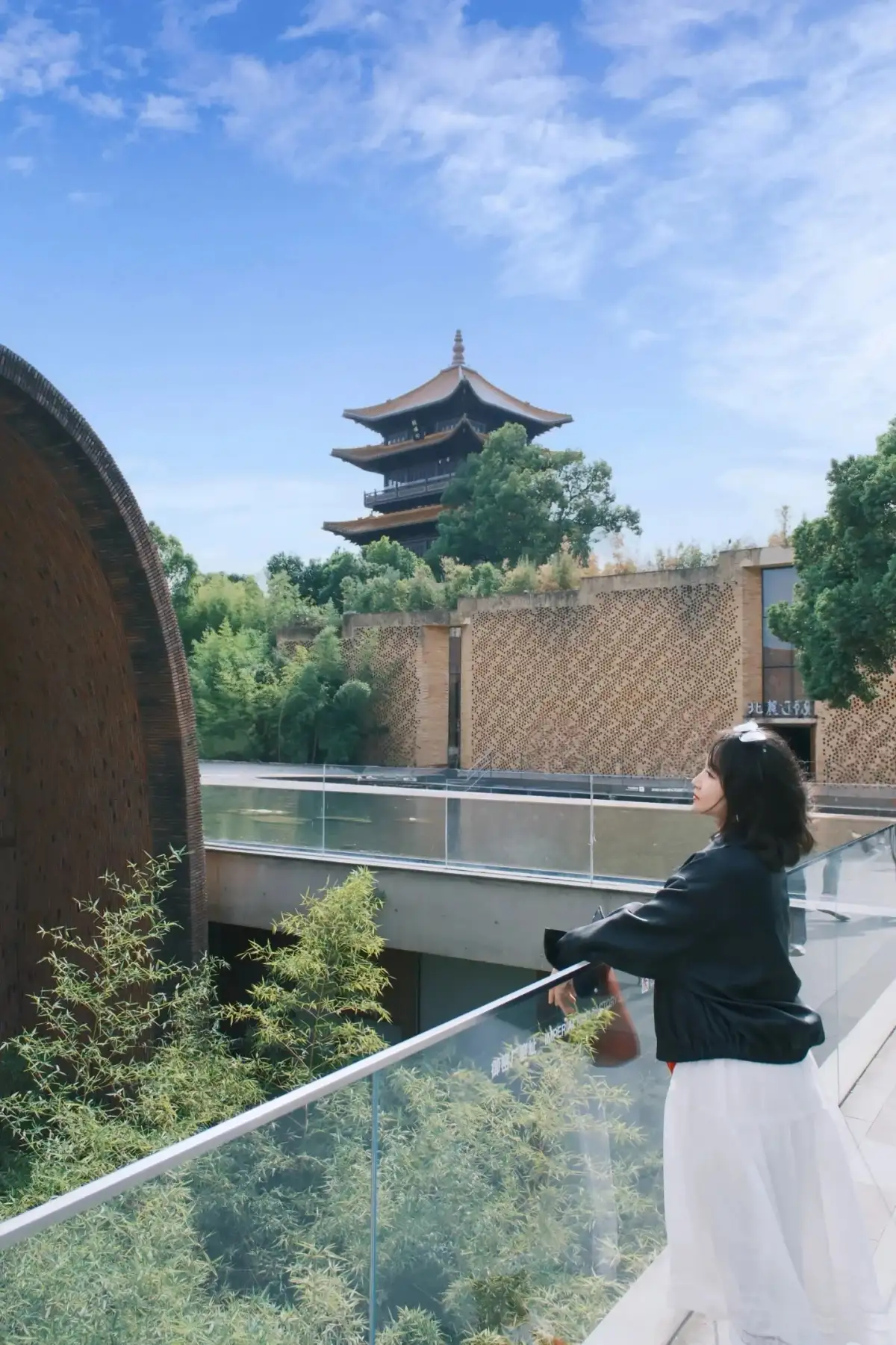
When composing shots by the water, base your framing on the walking path and designated areas; adjusting your camera angle is more appropriate than moving too close to the edge. Your companions should also be aware of where and for how long you plan to stay, to avoid everyone having to wait for an extended period for a single shot. You can divide your attention between photography and sightseeing: some can read the explanations while others take quick shots, then swap results. This is less tiring than having the entire group follow a series of camera positions.
Finally, get up close to the materials, but retain a sense of where they belong.
Color variations, joints, and the play of light and shadow on the brick surface make for excellent finishing details. Photos can start with broad swaths of light and shadow and move toward finer textures, observing how the same curved surface changes from different angles. The exterior can reveal the condition of the materials, but the specific era and origin cannot be determined by color alone. Keeping visual descriptions separate from historical interpretations helps prevent a single close-up image from being burdened with too many unconfirmed stories.
Q: Can I complete this series of photos using only a smartphone? Yes. The distinction between overall views, spatial transitions, and close-ups primarily comes from positioning and selection—it doesn’t rely on expensive equipment. First, use your phone to clearly identify the relationships you want to convey, and avoid stepping back simply to make the frame wider. Focus on the brick surfaces or the main subjects in the space, and appropriately preserve the variations in highlights and shadows to capture a series of images that showcase the texture and depth of the materials.
When organizing the images, follow a simple sequence rather than displaying them all in the order they were taken.
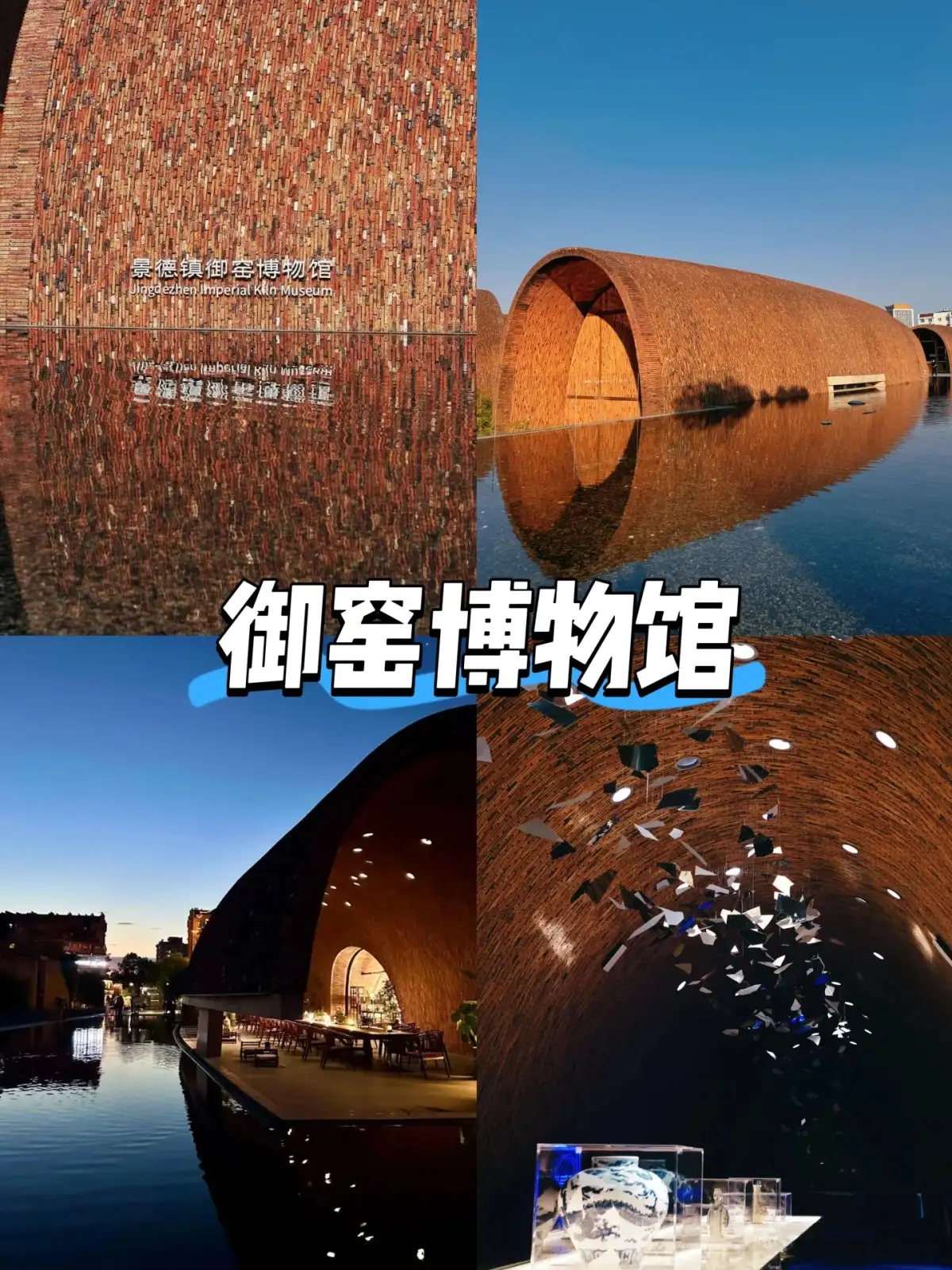
Site Plan: Illustrates the museum’s location within the archaeological site and the urban landscape.
Passageway Images: Showcase openings, front-to-back relationships, and changes in the viewer’s perspective.
Material shots: Capture details of brick surfaces or water reflections, and use text to indicate which foreground space they belong to.
Each of these three types of photographs serves a distinct purpose; when you have taken too many, filter them based on whether their purposes overlap. Of two nearly identical photos of an archway, you may only need one; conversely, a shot that isn’t perfect but effectively conveys a transition is worth keeping. By reducing the number of photos, the spatial clues become more visible.
This series of architectural photographs is also best organized separately from the ceramic exhibits. Architecture offers a way of seeing, while artifacts provide another kind of historical material; the two can meet on the same journey without needing to be crammed into a single image. Visitors already familiar with the artifacts will, upon shifting their perspective to the spatial scale, discover another facet of Jingdezhen’s ceramic culture: how it integrates into the urban environment.
You can also walk a short distance in the opposite direction along any accessible route before leaving to view the other side you may have overlooked earlier. Upon first entering, your gaze is often drawn to what lies ahead; on the way back, the interplay between the opening and the background has already changed. Selecting one such change to include in your description will help the photo convey physical movement and prevent the entire series from merely replicating others’ compositions one by one. You don’t need to walk through the entire area to observe from the opposite direction—a single clear point of contrast is valuable.
InA Cultural Journey Through JiangxiIn this context, the Imperial Kiln Museum can serve as a practice ground for learning photographic storytelling. By taking one less repetitive shot from a fixed angle and one more image that illustrates how you move through the space, your images will evolve from simply stating “this place is beautiful” to capturing “what relationships I observed here.” This shift is precisely what makes travel photography worth preserving.
Source and Editorial Notes
They do not serve as proof of actual travel experiences or services provided by Dongxing Travel.
Jingdezhen Municipal People’s Government · Preserving Ceramic Culture and Safeguarding the Millennia-Old Kiln Fires! *China People’s Congress* Features an In-Depth Report on Jingdezhen! · Official source; Verified/Compiled on: October 3, 2026.
Jingdezhen Municipal People’s Government · Taoyangli Imperial Kiln Scenic Area · Official source; Verified/Compiled on: October 3, 2026.
Without a reflection
Imperial Kiln Museum photography can begin with Jingdezhen brick arches and a walking route in one frame, then show openings in sequence. Imperial Kiln Museum spaces also reveal brick surfaces, light and repeated arches when reflections are poor. Aim to explain spatial relationships rather than reproduce a popular image.
Leave passages clear
Check booking, accessible areas and photography notices. Pause without blocking doors or paths, and follow waterside boundaries. If you also want ceramic displays, allow separate reading time; exterior architectural access does not guarantee access to every indoor exhibition.
Planning references