
Lushan’s cultural mountain
Temples, learning sites and architecture give the scenery historical depth. Follow one manageable path with time for interpretation.
A deeper China. A journey of your own.
From ceramics to countryside, discover different sides of Jiangxi.
Plan my trip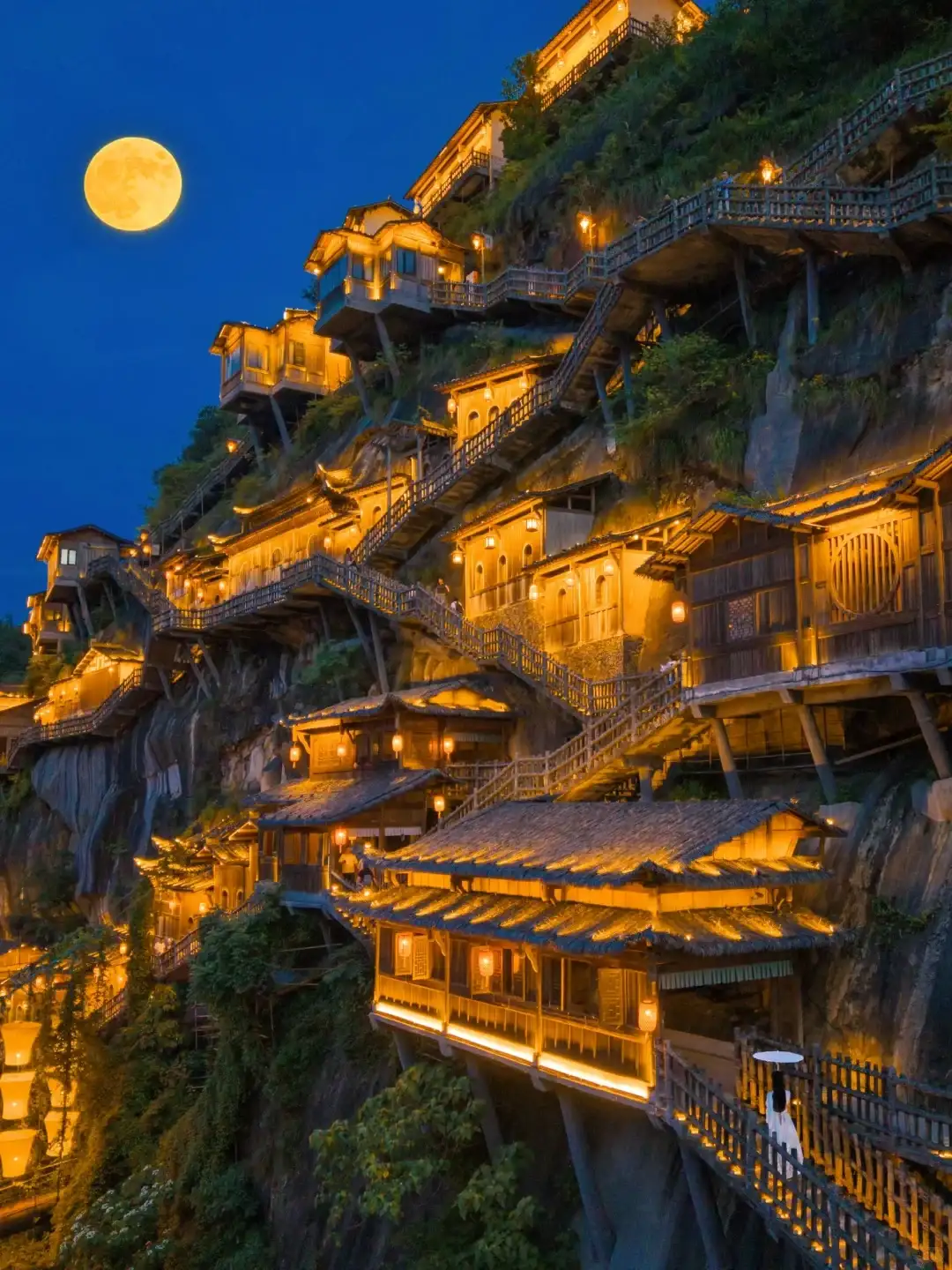
Jiangxi cannot be reduced to “mountains and villages.” Lushan layers religious sites, scholarly traditions, writing and later architecture into a landscape with a long cultural life. Mount Sanqingshan offers a markedly different experience of granite pillars and mountain paths. Jingdezhen invites a close look at the history and present practice of porcelain making. These places are not in one city, so a short journey should choose a clear center of gravity; a longer one can connect them by rail and road. UNESCO describes Lushan through the interweaving of scenery and cultural history, while Sanqingshan is recognized for its remarkable granite formations. On either mountain, mist can add atmosphere or obscure the distance. Check weather, open trails and any cableway operations rather than assuming a famous viewpoint will always look like a photograph. In Jingdezhen, begin with museum collections to notice changes in form and glaze, then visit an appropriate open workshop to understand shaping, glazing and firing as distinct tasks. When buying ceramics, distinguish individual studio work from designed products and mass-produced goods. Rural extensions such as Wuyuan follow agricultural seasons and are inhabited places, not unrestricted flower fields. Jiangxi rewards an itinerary shaped by a real interest more than a map full of disconnected names.
Temples, learning sites and architecture give the scenery historical depth. Follow one manageable path with time for interpretation.
Peaks and constructed walking routes create a striking mountain journey; select a circuit for conditions and ability.
Move from museum objects to production processes to see how porcelain is made and reimagined today.
Build a sense of periods and techniques in a legitimate museum, then visit an open studio with respect for the maker’s work.

Keep a shorter walk or indoor exhibition in reserve when rain or cloud makes exposed paths unsuitable.
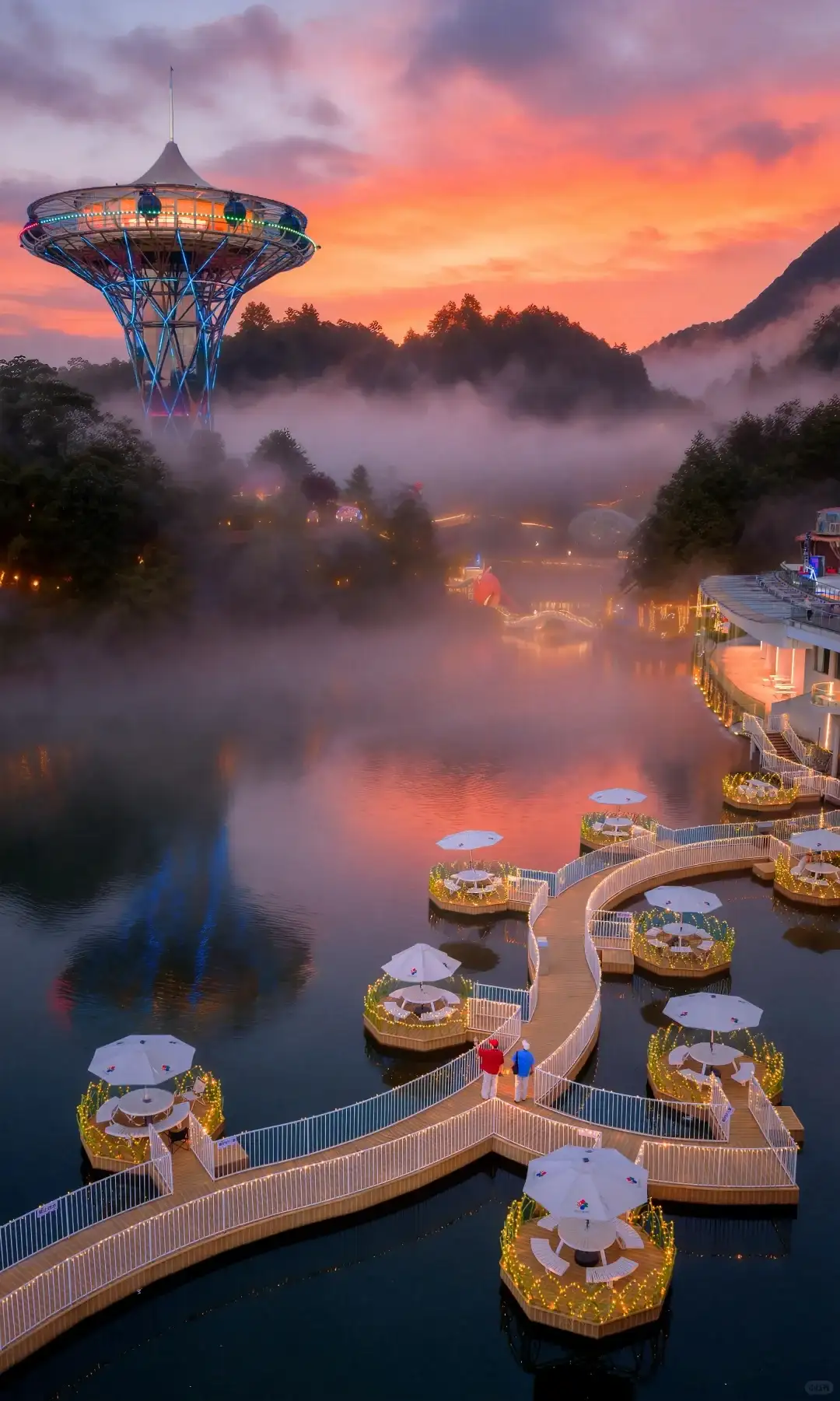
At a workshop open to visitors, observe shaping, trimming, glazing and firing as distinct tasks, asking permission before filming makers.
Give Jingdezhen’s museum and suitable studios enough time for observation rather than turning the visit into a shopping dash.
Select either Lushan’s cultural landscape or Sanqingshan’s pillar scenery according to interests and weather.
Choose the location and style of stay around the final route, your companions and availability.
Check current trails, cableways and safety notices; wear footwear with grip and stay out of closed areas.
Lushan, Sanqingshan and Jingdezhen require separate travel planning and often different overnight bases.
Seek permission in workshops, fields and villages; a working space or home is not automatically a visitor set.
For craft and cultural history, begin with Jingdezhen and perhaps Lushan; for mountain walking, prioritize Sanqingshan.
They differ: Sanqingshan emphasizes granite formations and mountain routes, while Lushan layers scenery with cultural history.
Travel Insights
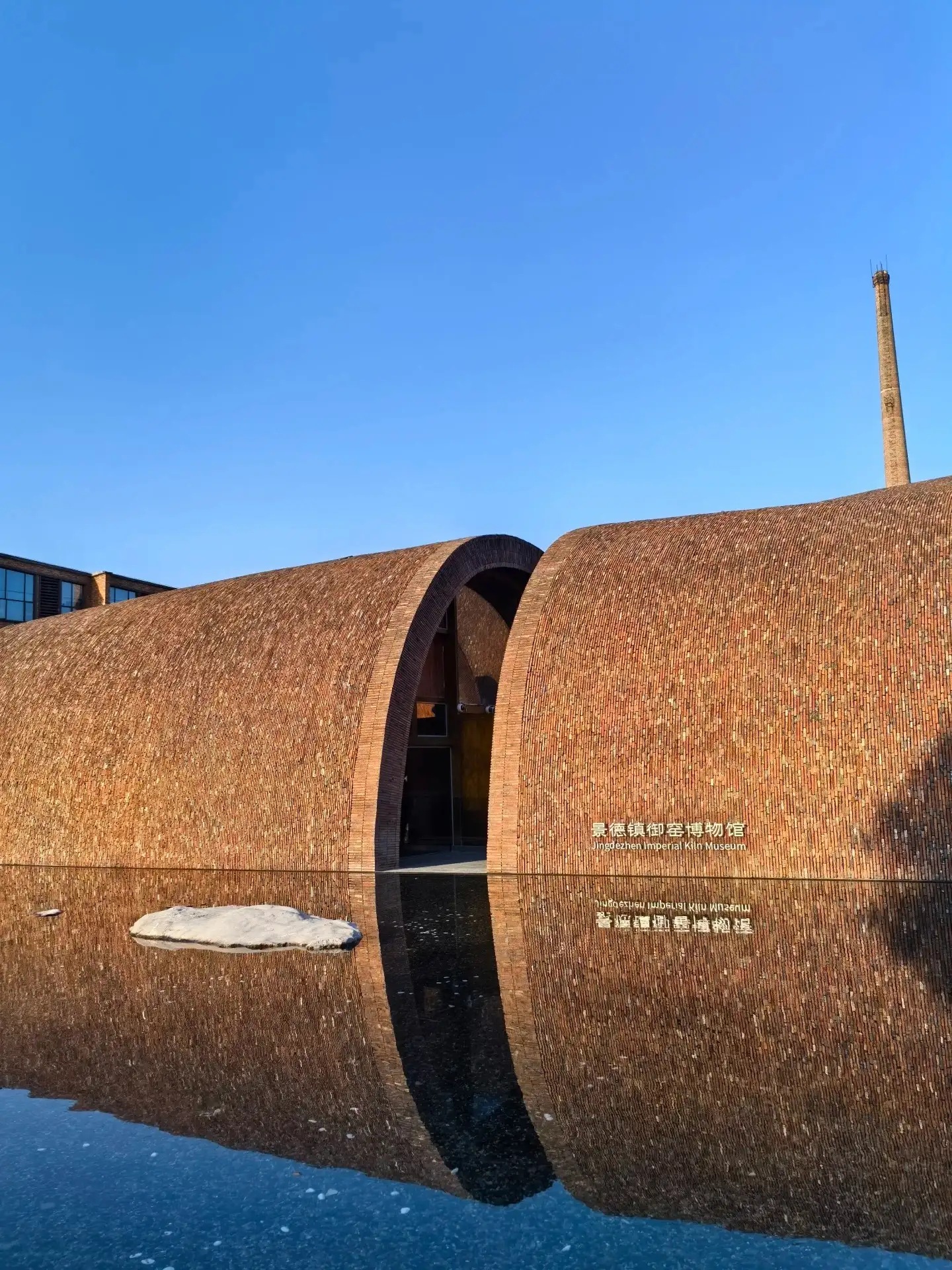
Shift the architectural photography of the Imperial Kiln Museum from fixed camera positions to a narrative created through movement. Organize the photographs using three scales—overall view, passage through the space, and close-up of the brick surfaces—to illustrate how the reflections on the water’s surface relate to the ruins within the image, while preserving the authentic, open boundaries.
Read the journal →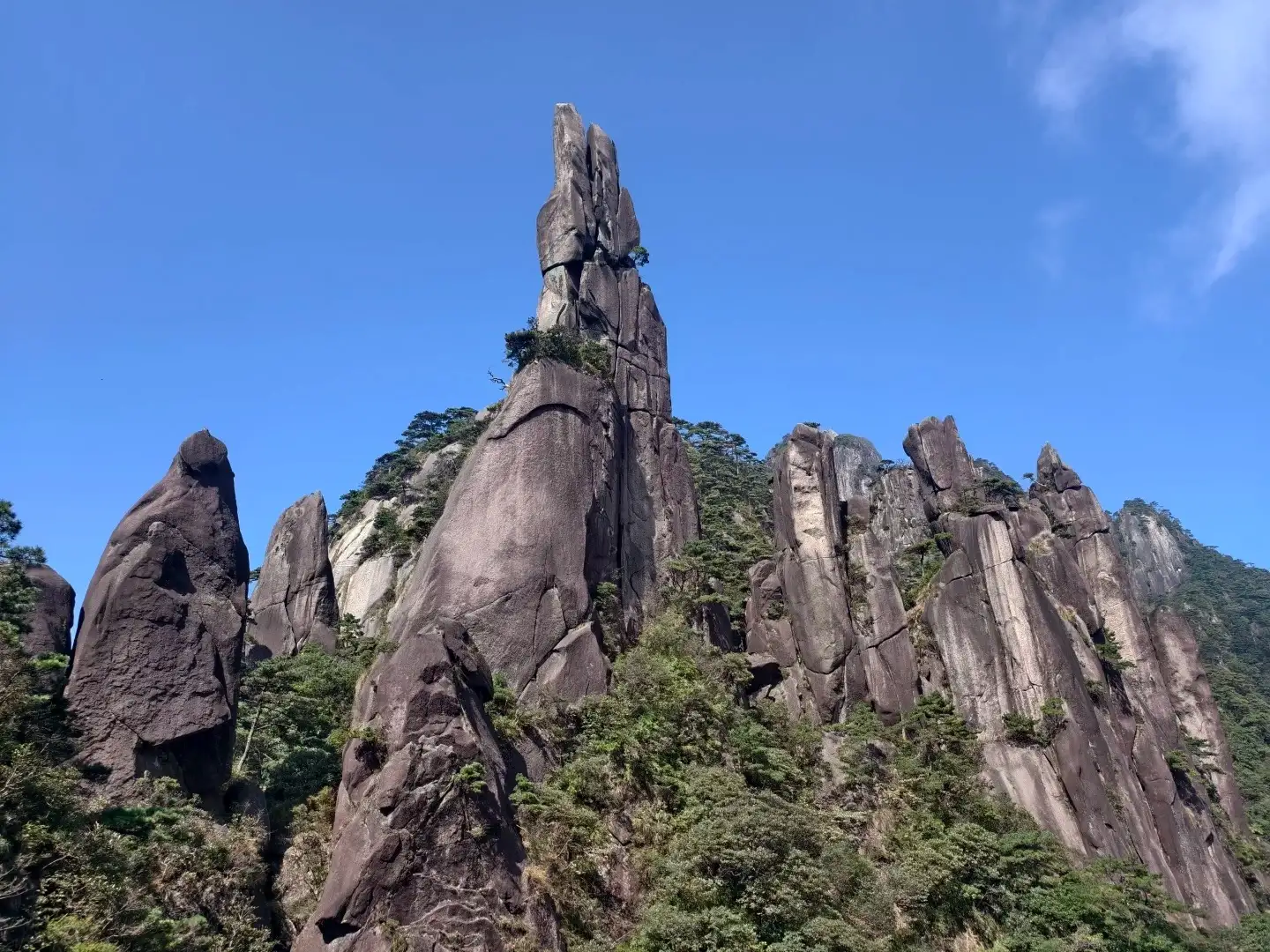
Travel Diary
Choose a one-day hike centered on Nanqing Garden, incorporating the cable car entrance, rock peak observation points, trail length, and weather conditions into a single itinerary map.
Read the journal →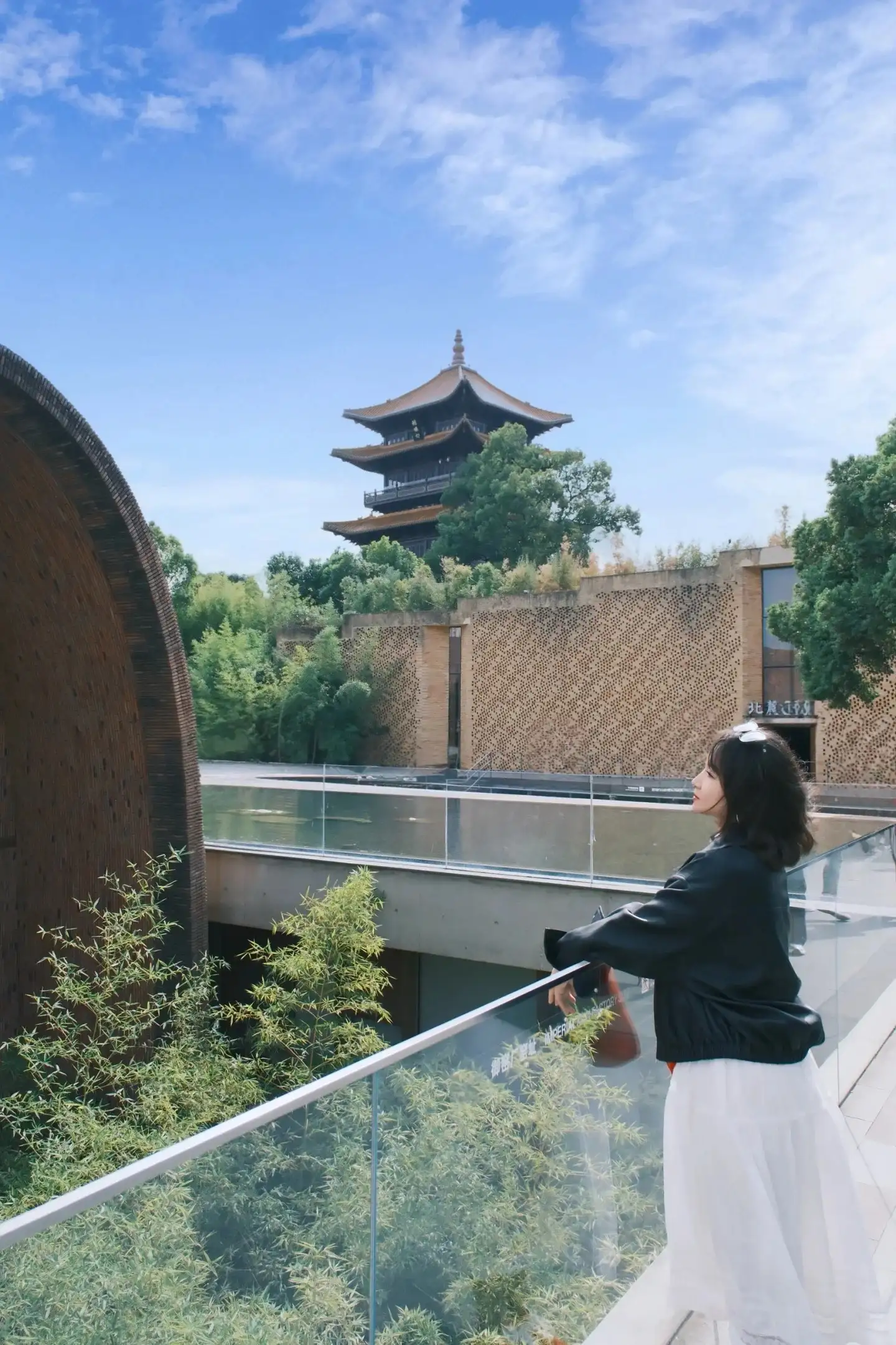
Travel Insights
Gain an understanding of Jingdezhen ceramics by examining porcelain shards excavated from the Imperial Kilns, the reassembly and restoration process, and the exhibition labels. Separate architectural photography from the observation of the artifacts themselves, and then use the production steps in the workshops to supplement your understanding of the complete porcelain pieces.
Read the journal →
Start with your interests, available time and the right combination of places.

Plan by region and interest, rather than choosing one season for the whole country.

Meet local life with curiosity, consideration and an open mind.

FROM INSPIRATION TO YOUR JOURNEY
A place you dream of. A journey shaped around you.
Plan my trip