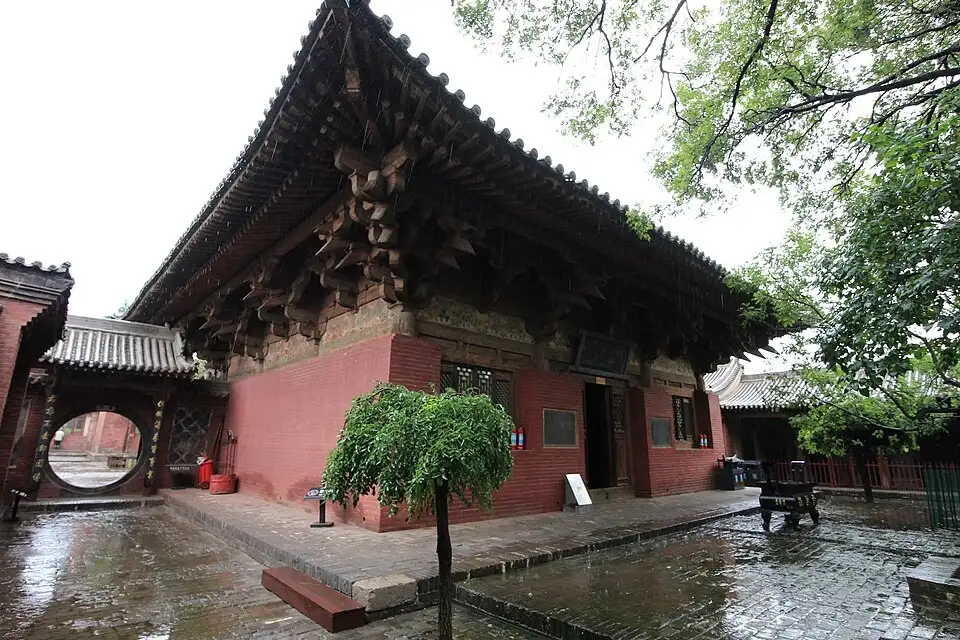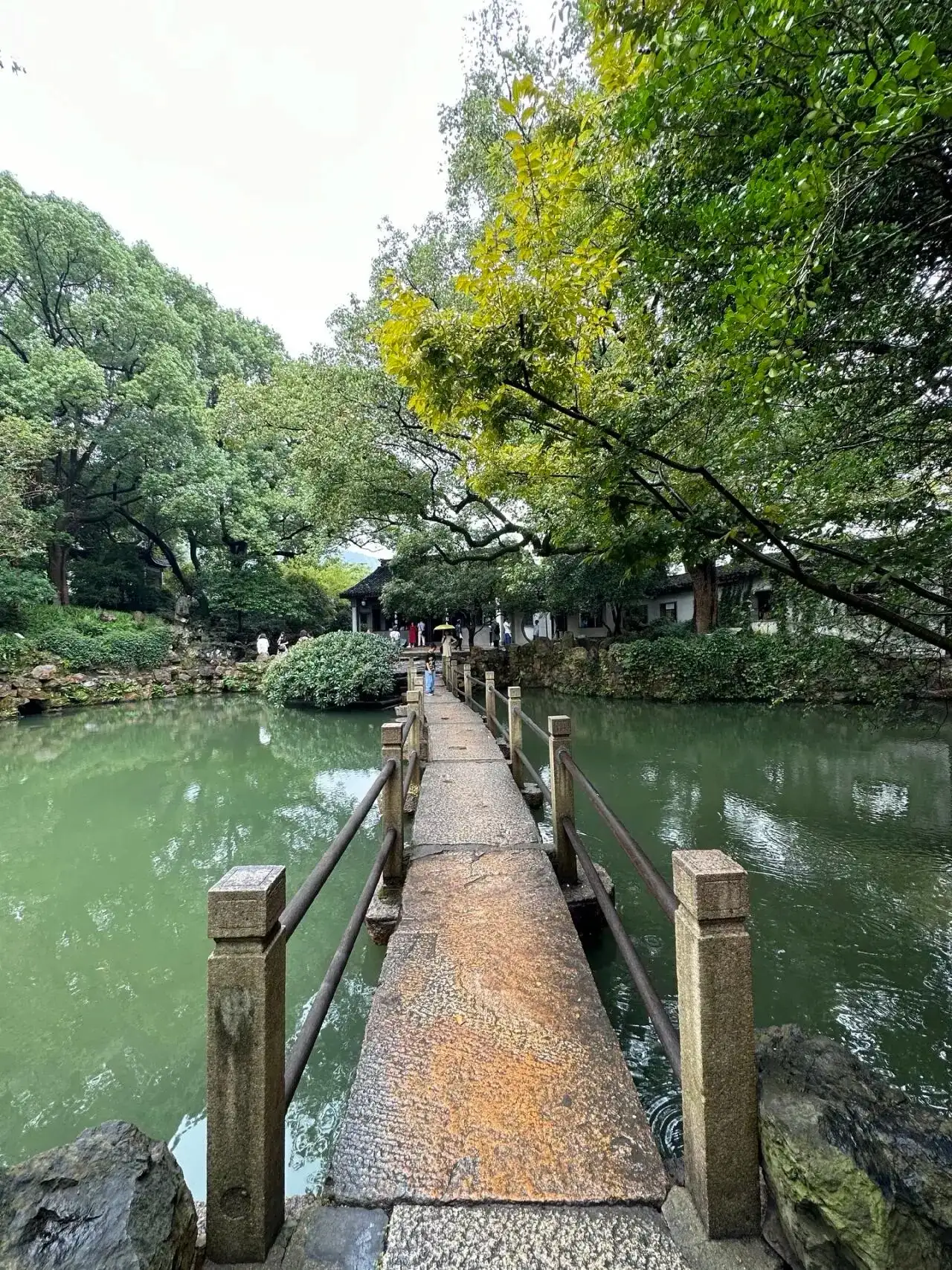
A garden’s boundary may be defined by a wall, but the boundary of the view does not necessarily end there. At Jichang Garden in Wuxi, distant mountains and towers can blend into the nearby water, rocks, and buildings. Understanding this technique of “borrowing scenery” doesn’t require memorizing a lot of technical terms beforehand. Simply ask: Which elements in the view are within the garden, and which actually belong outside it? This adds another layer of perspective to your visit.
本文从这一兴趣转向实际观看,园林布局与八音涧事实依据无锡档案资料,锡山龙光塔的借景关系依据无锡官方二〇二六年介绍。下面的停留与摄影方式属于编辑建议,不预设某一天的光线、泉流或游人数量。
start by placing distant mountains and nearby water in the same frame
According to Wuxi archival records, Jichang Garden centers its layout around mountains and ponds, with the artificial hills drawing on the contours of the eastern foothills of Mount Hui to create a sense of continuity. This relationship allows the garden’s man-made rocks and the natural terrain outside the garden to interpret one another. When viewing the garden, you can first locate the water’s surface, then follow the buildings and rock formations along the shore to look into the distance, comparing which lines make the scene feel continuous and which areas suggest the presence of boundaries.
borrowing scenery is not simply placing a distant object into a photograph. How the distant view interacts with the foreground is what’s truly worth observing. The tower’s position, the outline of the mountain, and nearby obstructions all combine to determine the impact of its appearance. Take a few steps forward, and the relationship between foreground and background may shift; move to another public vantage point, and the tower that was just clearly visible may be obscured. These changes make walking an integral part of the experience.
You can use a sheet of paper to divide the scene into three layers: the nearest shore and tree branches, the middle layer of the pond’s surface and buildings, and the distant mountains or tower. These layers don’t need to be fully visible at all times; they help you see where your gaze begins and where it rests. If a landscape can only be seen from a few specific angles, understanding how that angle is composed is more interesting than constantly searching for an unobstructed, wide-angle view.
the actual weather also plays a role in the viewing experience. Clear air highlights contours, while on overcast days or when the distance is hazy, the textures in the foreground may be more worth lingering over. While the borrowed-scenery composition remains, the information conveyed to the viewer varies. If one focuses solely on framing the mountain and the tower together, one is likely to miss another layer of interest along the water’s edge; if one focuses on the relationships themselves, changes in the weather become differences worth noting.
Ba Yin Jian transforms the garden from an image into a process
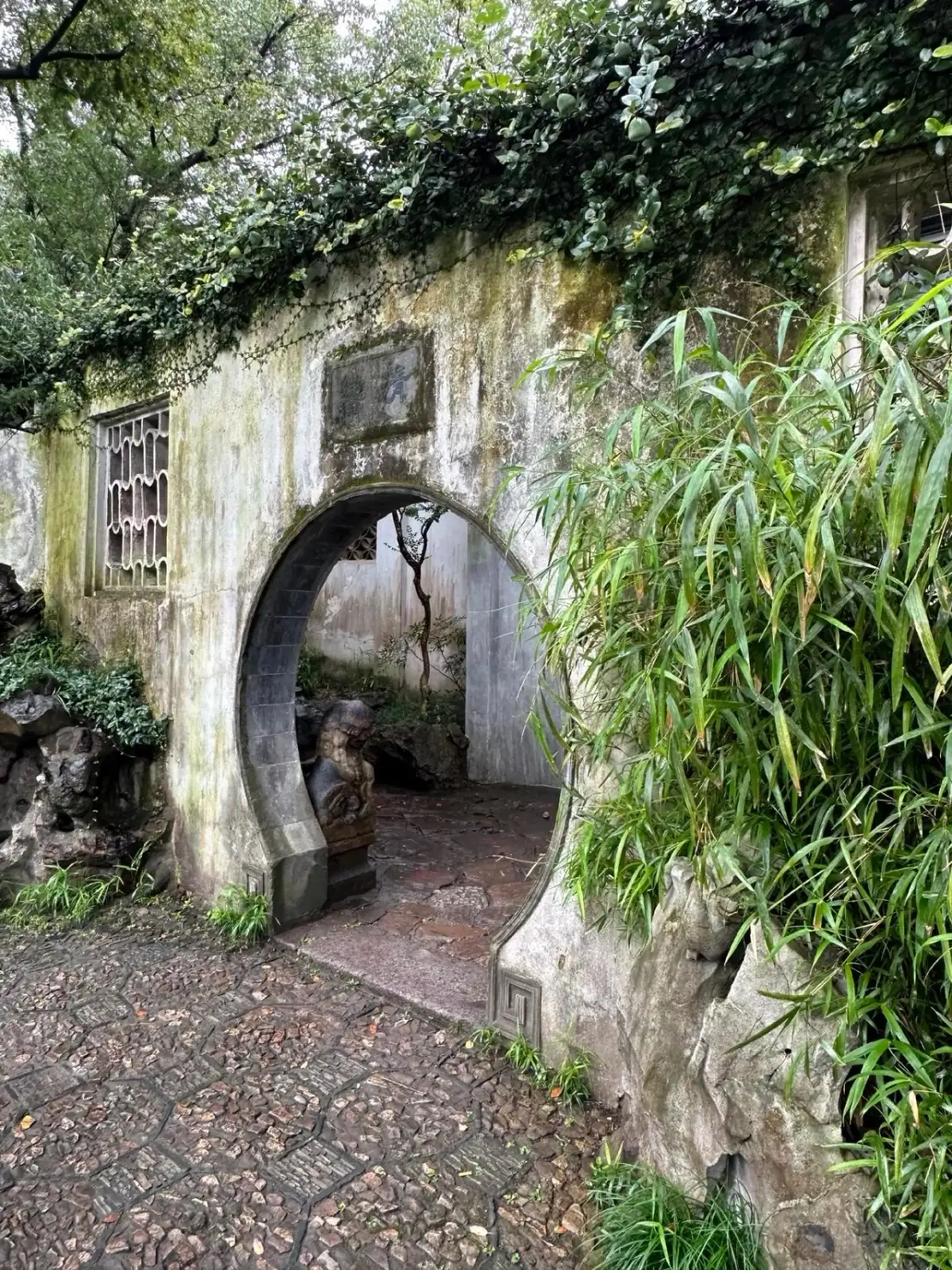
Archival records indicate that a spring was channeled into a stream within the garden, and the sound of flowing water became a defining feature of the “Eight Sounds Stream.” Beyond the rocks and pond water, sound offers another way to experience the garden. The movement of water creates a continuous sequence of events among the still stones; viewing is no longer merely about determining which angle is most beautiful, but also about noticing where the water bends, where it is obscured, and from which direction the sound reaches one’s ears.
Listening to the water is best done from a public walking path. First, pause for a moment, lower your voice, and then distinguish the sounds you can hear: flowing water, the wind, footsteps, and the conversations of others. Determining which sounds come from the landscape and which from the visitors in the moment creates different layers within the same space. Since the flow of a spring is subject to actual conditions, even when the sound of water is faint, you can still observe the arrangement of the stone troughs and waterways.
bring a child along and have them point out where the water is visible and where it’s obscured, then compare whether sounds help with orientation. This simple activity connects the senses with space and is easier to engage with than asking them to memorize the explanation of the “Eight Sounds.” Adult companions can contrast this with the distant view beyond the garden: one broadens the horizon through the distance, while the other enriches the moment of pause with the flow of the immediate surroundings.
only be here for a short time—how can we capture the essence of Jichang Garden?
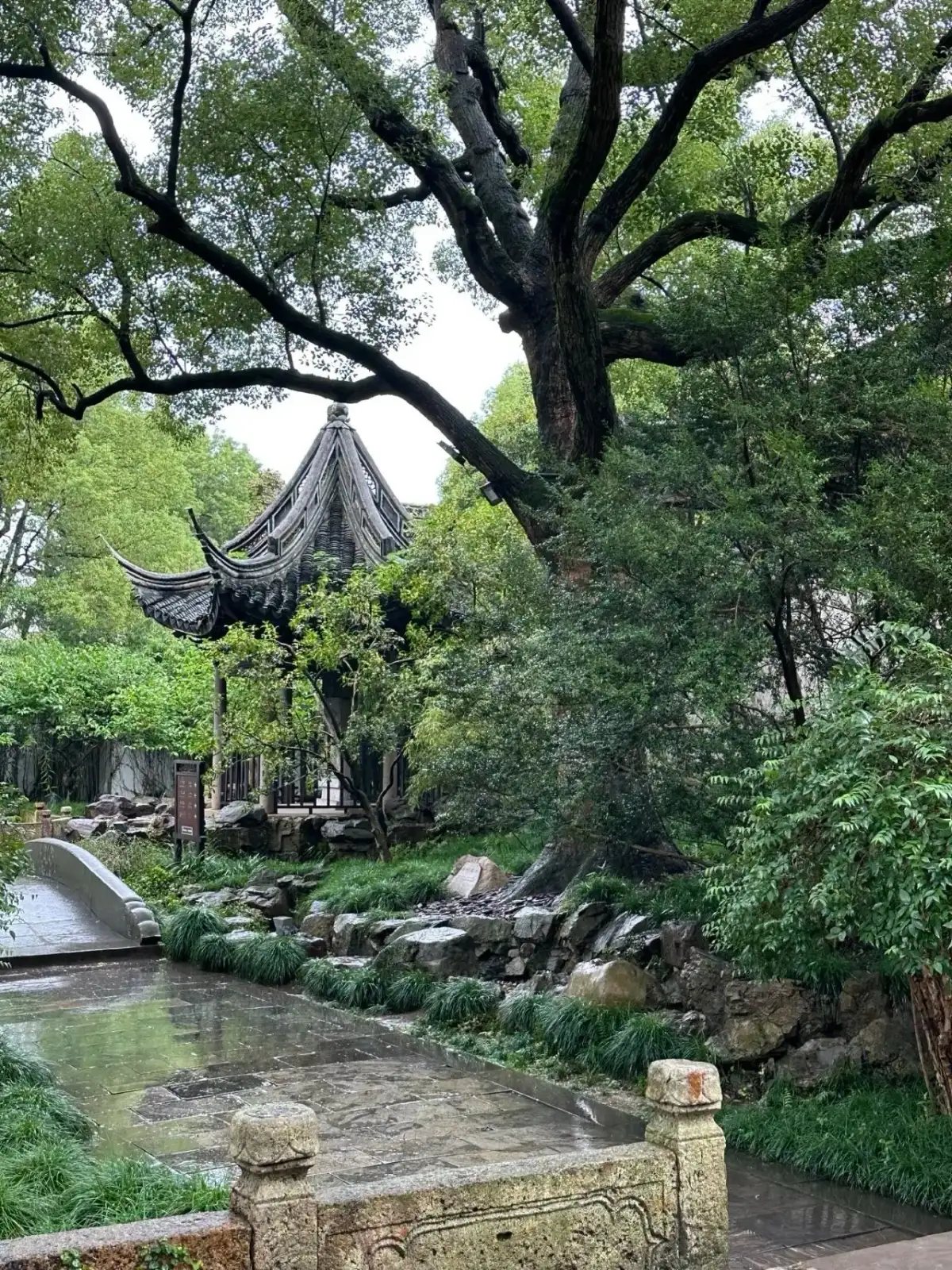
A brief visit can focus on three actions: exploring the relationship between near and far around the mountain pond, listening to the water at a designated resting spot, and selecting a specific detail to interpret its relationship to the whole. This detail could be a bridge, a corridor, or a rock—it doesn’t have to be the most striking feature. After reading the on-site text, if you can describe its role within the space, your visit will have taken on its own meaning.
If you’ve already visited several gardens in the Jiangnan region, what is Jichang Garden best suited for comparison? You can compare how the terrain outside the garden is incorporated into the view, rather than simply counting the number of pavilions and terraces. Different gardens face different environments, and the resources available to garden designers vary accordingly. The foothill setting of Jichang Garden presents a specific challenge: when natural mountain terrain lies right beside it, how should artificial rockeries coexist with it?
photographers can first capture these relationships from a conventional perspective, then experiment with close-ups. When the distant view and the pond’s surface appear together, the image naturally conveys the concept of “borrowing scenery”; however, photos of rocks or the sound of water require written descriptions to supplement the observation at that moment. Choose your vantage point based on the trail and open areas, rather than retreating to the water’s edge just to avoid other visitors. If someone temporarily enters the frame, you can either wait or shift your focus to a close-up of the architecture or rocks.
companions with limited stamina need not chase every angle. Choose a spot where you can see the water and the distant silhouette, and slowly discuss the foreground, middle ground, and background—this alone will bring you to the heart of the matter. Those willing to walk further can compare the view from another angle and then return to describe the differences. Observation and walking can thus be separated, yet everyone can still share the same cultural thread.
leave the boundary between the man-made and the natural as an open question
Mountains, rocks, water, architecture, and the terrain beyond the garden blend together, making it easy to summarize the entire garden with the word “nature.” Upon closer inspection, however, one discovers that this sensation is shaped by a combination of deliberate design and the surrounding environment. Which materials have been carefully crafted, which elements were naturally present, and which relationships can only be seen from a specific vantage point? These questions shift praise from abstract terms to explainable details.
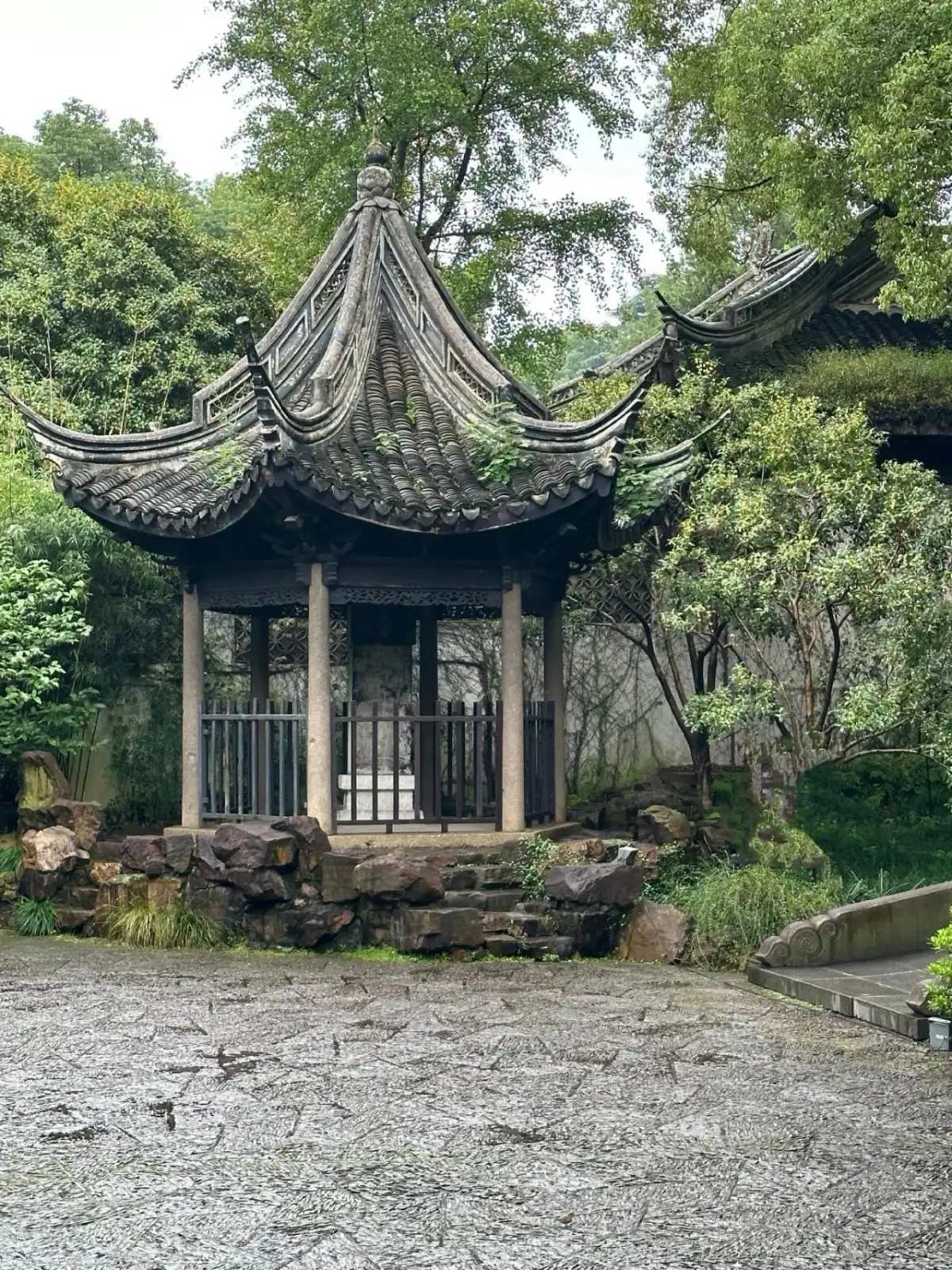
step back and revisit the scene you initially chose, then try to identify one element that was deliberately arranged and one that arose naturally from the surroundings. How they complement each other, and why you chose to stop here—these are all excellent ways to document your journey. There’s no need to frame your personal impressions as universally accepted conclusions, nor is there a need to thoroughly explain every landscape feature. Finding a meaningful connection is enough to carry this experience forward into the future.
The garden’s name is also best understood after experiencing the landscape. According to official records, during the Qin Yao period, the garden was renamed Jichang Garden, drawing inspiration from a poem by Wang Xizhi. Even if you’re unfamiliar with the verse, the relationship between the mountains and ponds before your eyes can help you imagine why a name would be linked to the feelings evoked by the landscape. The name isn’t an answer you must memorize at the start of your visit; only after completing the walk and reflecting on it do the words and the scenery truly come together.
If your companions are willing to take notes, each of you can write one sentence describing a sound and one describing a visual impression. One person might recall a bend in the waterway, while another might remember the tower emerging from among the trees. Placing these descriptions next to the same photograph reveals how the garden evokes different focal points for different people. Personal impressions do not replace historical facts, but they do help connect cultural knowledge with the actual experience of being there.
beJiangnan Cultural ItineraryJichang Garden is well-suited to form a contrast with watertowns or flatland gardens. You’ll discover that Chinese gardens do not feature a single, universally replicated version of nature: each environment presents its own conditions, and the arrangement of mountains, water, rocks, and people collectively provides the answer. The distant mountains remain beyond the garden walls, yet they have already become part of this moment of pause.
Source and Editorial Notes
They do not serve as proof of actual travel experiences or services provided by Dongxing Travel.
Wuxi Municipal Archives and History Museum · Jichang Garden · Official materials; Verified/compiled on: October 3, 2026.
Wuxi Municipal Party Committee Publicity Department · A City Where Gardens Bridge the Past and Present; Half a City of Elegance, Half a City of Poetry · Official materials; Verified/compiled on: October 3, 2026.
Reading the mountain from the garden
Explore Jichang Garden borrowed scenery through nearby water and distant mountain shapes, then let Bayin Stream add sound. For a short Wuxi garden walk, choose one layered view and an open streamside section. A separate mountain climb is unnecessary, and visibility depends on the day.
Make room for sound
After one photograph showing near and distant layers, put the camera away, listen to water moving between stones and notice the path's turns. Take care on wet paving and avoid closed waterside areas. Confirm the garden's access separately from nearby sights and specify an entrance for meeting.
Planning references