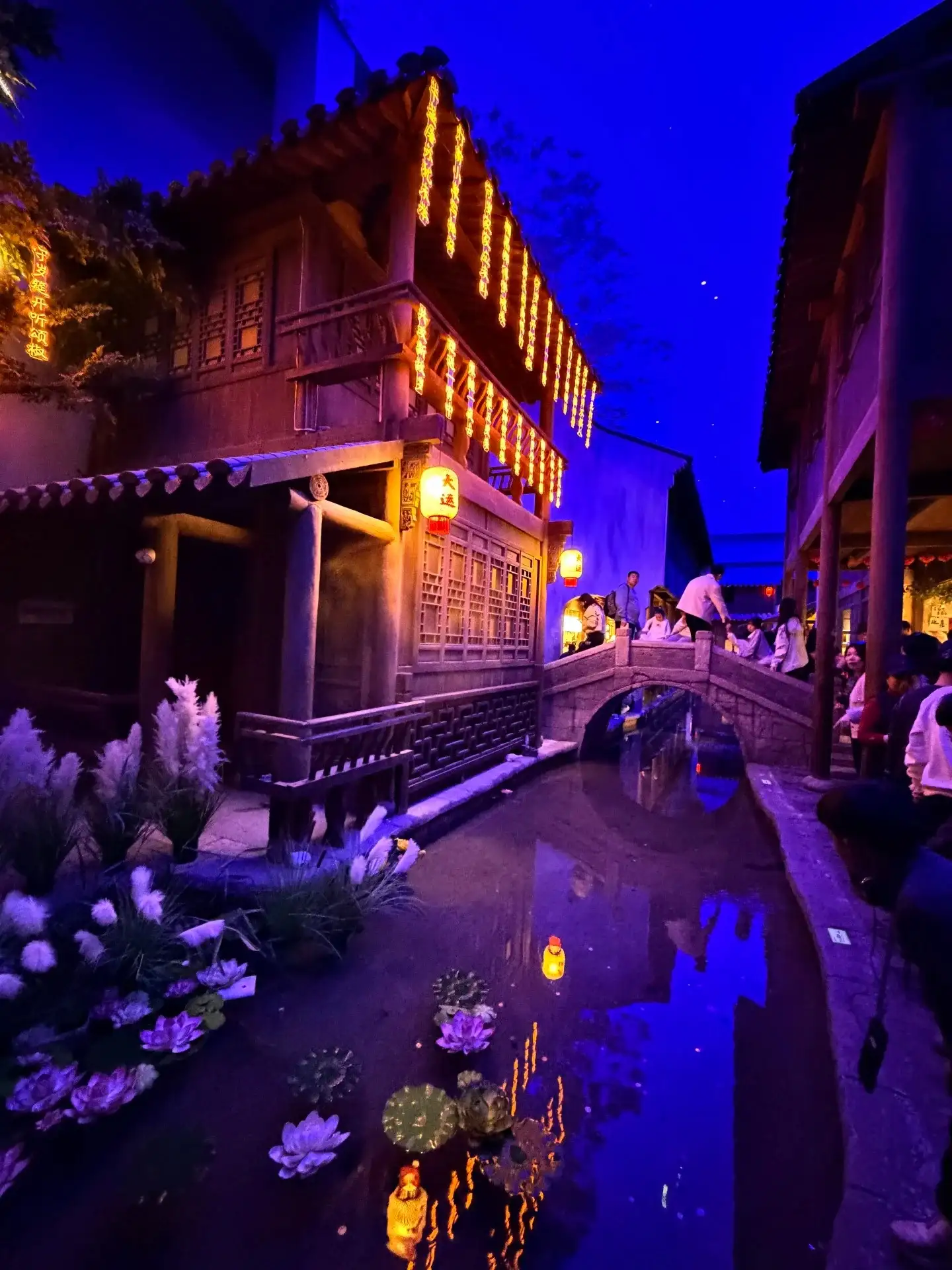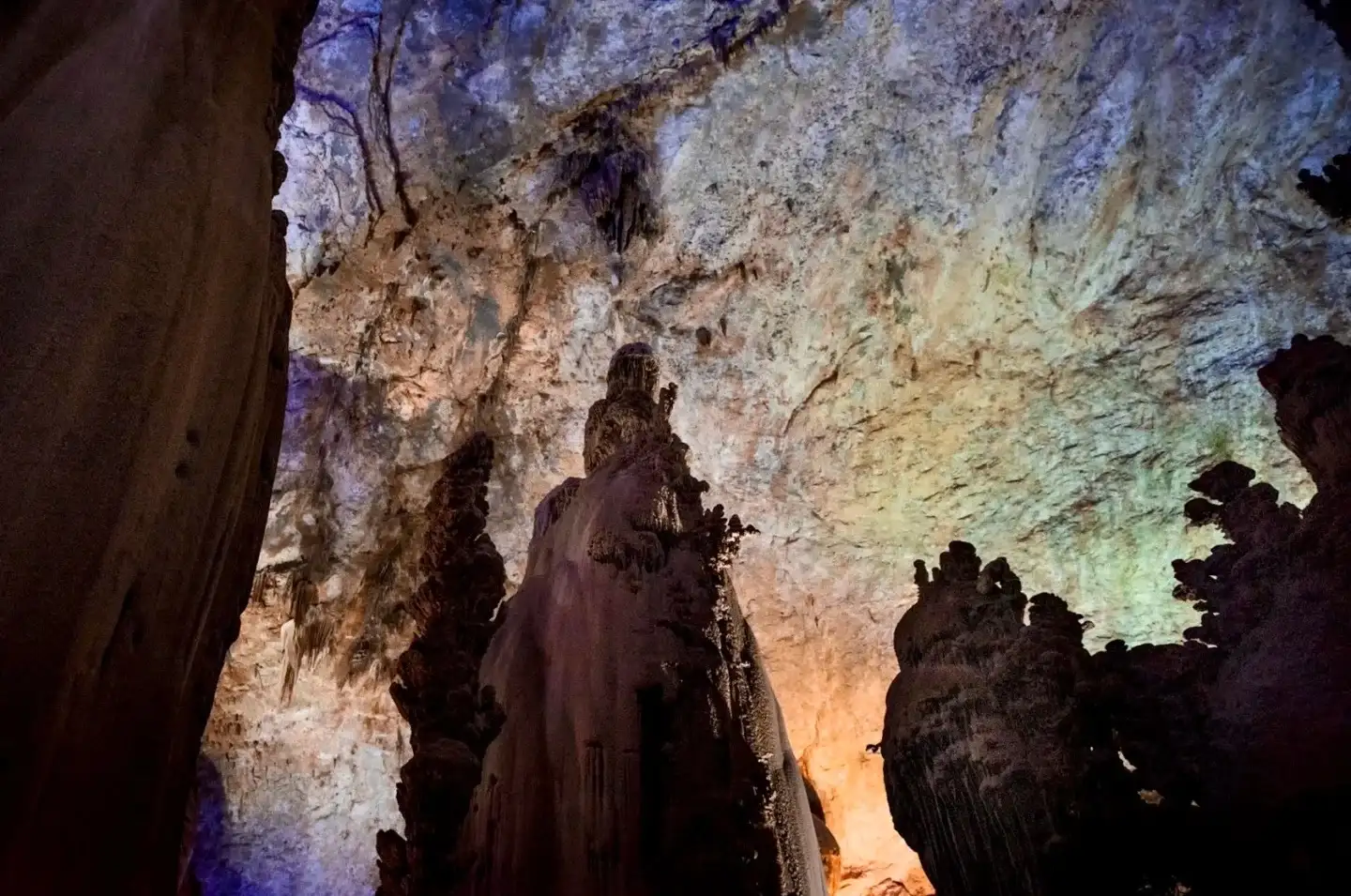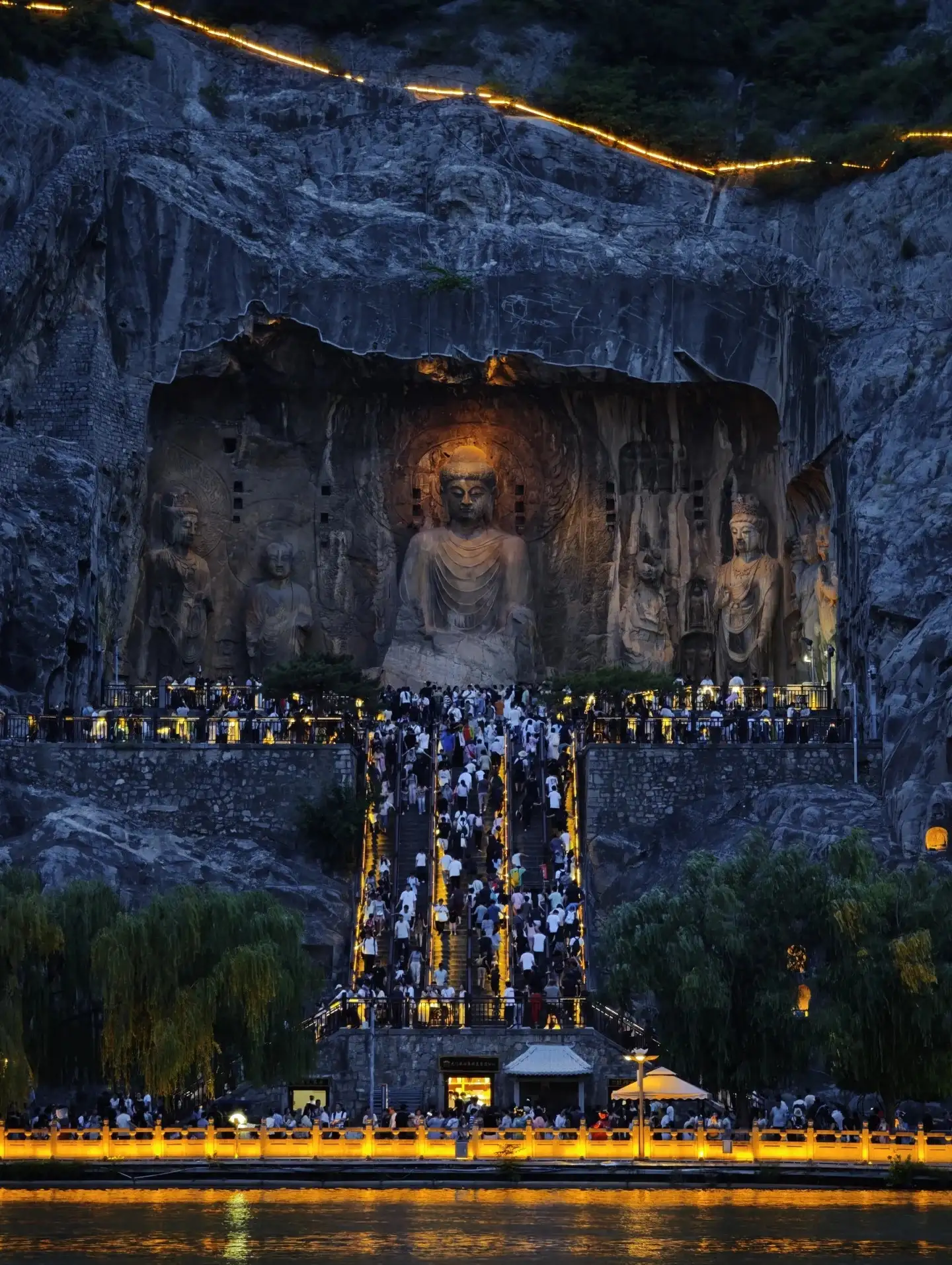
A single photo of the illuminated site may not fully capture the experience you’re looking for.
Photos of Longmen at night easily inspire a clear desire: to see the Giant Buddha illuminated by lights. But if you ask further—whether you also want to compare details in the smaller niches, learn about different sculptures, or explore other areas—the answer becomes more complex. Daytime and nighttime are not simply the same tour viewed through a different filter. For first-time visitors, it’s more worthwhile to first decide on your viewing priorities and then plan your schedule and route around them.
A Xiaohongshu post titled “A Day of Intensive Exploration at the Longmen Grottoes in Luoyang” documents the author’s trade-offs between walking, resting, and waiting for nighttime viewings, while “A Guide to Major Attractions in Luoyang” links nighttime scenery with urban attractions such as museums. These original posts highlight an issue that is easily obscured by photos: waiting also takes up travel time. This article transforms this insight into editorial recommendations, drawing on UNESCO materials for the heritage context and relying on the official visitor guide for the Longmen Scenic Area regarding access information.
First, examine the open areas, then compare the images As of the time of this article’s verification, the scenic area’s visitor guide lists the West Hill Grottoes, East Hill Grottoes, Xiangshan Te
As of the time of this article’s verification, the scenic area’s visitor guide lists the West Hill Grottoes, East Hill Grottoes, Xiangshan Temple, and Baiyuan, and specifies that night tours are only available at the West Hill Grottoes and Xiangshan Temple. This distinction is significant enough to influence route planning. If your itinerary includes other areas, you should first schedule them within the time slots when they are actually accessible; if you only plan to focus on the highlights of the West Hills, the discussion can then shift to lighting conditions and the pace of your visit. Checking the latest official schedule before your visit will ensure this assessment remains accurate.
This step is particularly useful for first-time visitors. Many people get to know a destination through a single representative photo and may easily mistake the scene in the image for the entire scenic area. A travel advisor or travel companion can first use a simple map to mark the areas the group wishes to see, then explain what each option covers. This way, when discussing night tours, everyone knows exactly what experience they’ll be getting and what else needs to be arranged separately, allowing their expectations based on the photo to align with the actual itinerary.
If you want to examine the carvings in detail, daytime is the better time for your main visit.
There are multiple scales for viewing the carvings. Standing farther away allows you to grasp the relationship between the sculptures and the cliff face; once you reach the permitted viewing distance, your focus shifts to the drapery, postures, the contours of the niches, and the adjacent figures. If you wish to develop this sense of depth during your first visit, the environment under natural daylight is generally more conducive to simultaneously observing the mountainside, the paths, and the carvings. You can stop at different locations to make comparisons without having to constantly focus your attention on the single most conspicuous, brightly lit surface.
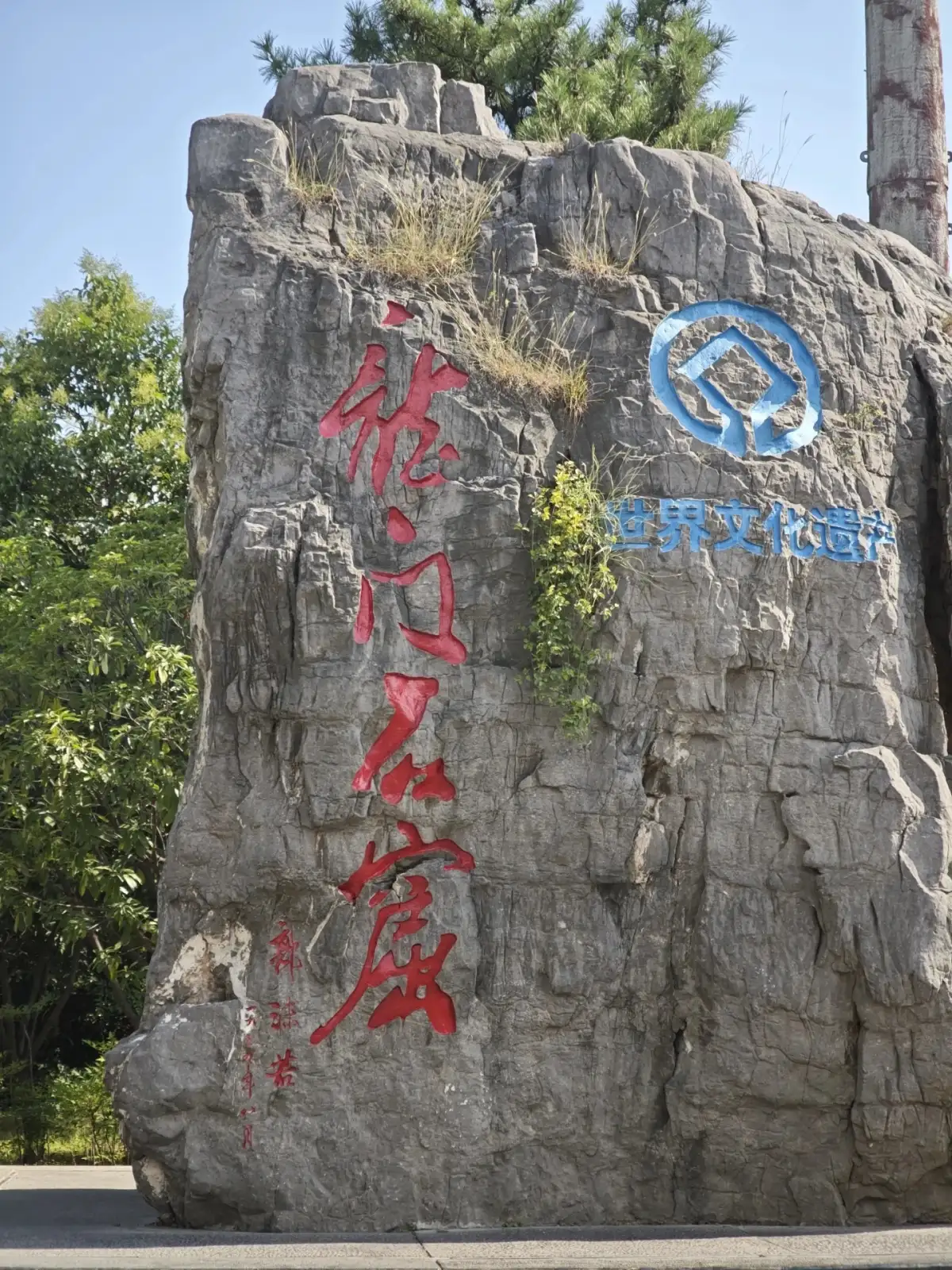
The words “Longmen Grottoes” are carved in red on a large stone block, with a blue sign next to it. Photo:Ji Ze · Original Post.
UNESCO materials link Longmen to Buddhist carvings from the Northern Wei and Tang dynasties. For the average traveler, this background can be turned into a small question: What visible differences exist among the various sculptures in terms of proportions, postures, and spatial organization? Start by selecting two examples with clear on-site explanations; observe them first, then read the dates and names—this makes it easier to retain the cultural information. This type of visit requires sustained attention and does not necessarily require a long list of attractions.
When traveling with children, you can start by having them identify the differences in how large and small images are viewed. The former may require standing farther away, while the latter relies more on close inspection; the former conveys a sense of scale, while the latter may draw attention to movements or ornamentation. Children’s observations can become a topic of conversation for the whole family. It’s best to base your commentary on the objects right in front of you, allowing people of all ages to participate, rather than delivering a continuous, lengthy lecture on art history throughout the tour.
If you want to experience the nighttime atmosphere, plan your wait time and return trip together
Nighttime lighting reorganizes the viewer’s perspective; the contrast between bright objects and a darker environment allows visitors to focus more intently on key imagery. For those already familiar with the basic route or who particularly enjoy nighttime photography, this viewing experience holds its own unique appeal. When choosing this option, treat the night tour as a specific goal for the day, allowing time for rest and meals beforehand and for the return trip afterward, so as to avoid being on the move continuously from morning to night.
The route choices in the original “One-Day Diary” post are worth considering: how much you cover during the day will affect how you perceive the subsequent waiting time. The editor suggests estimating the two experiences separately and not assuming that walking the entire area during the day and then waiting for the night view is the default plan. If you’re willing to wait, it’s because viewing the night scenery is important to you; if you need to rest, that can also be part of your plan. The completeness of a trip comes from having clear goals, not necessarily from staying within the scenic area the entire time.
Photography enthusiasts can also clearly define the type of image they wish to capture. If you want to document the spatial relationship between the mountains and the sculptures, environmental context is crucial; if you aim to capture the interplay of light and shadow and the atmosphere at night, the composition may be more focused. Both types of images can be valuable. When shooting, look for angles along the regular open routes and avoid obstructing the path. Visitors in the distance can help establish a sense of scale; there’s no need to wait for everyone to disappear before you start shooting.
For families traveling together, prioritize shared interests first
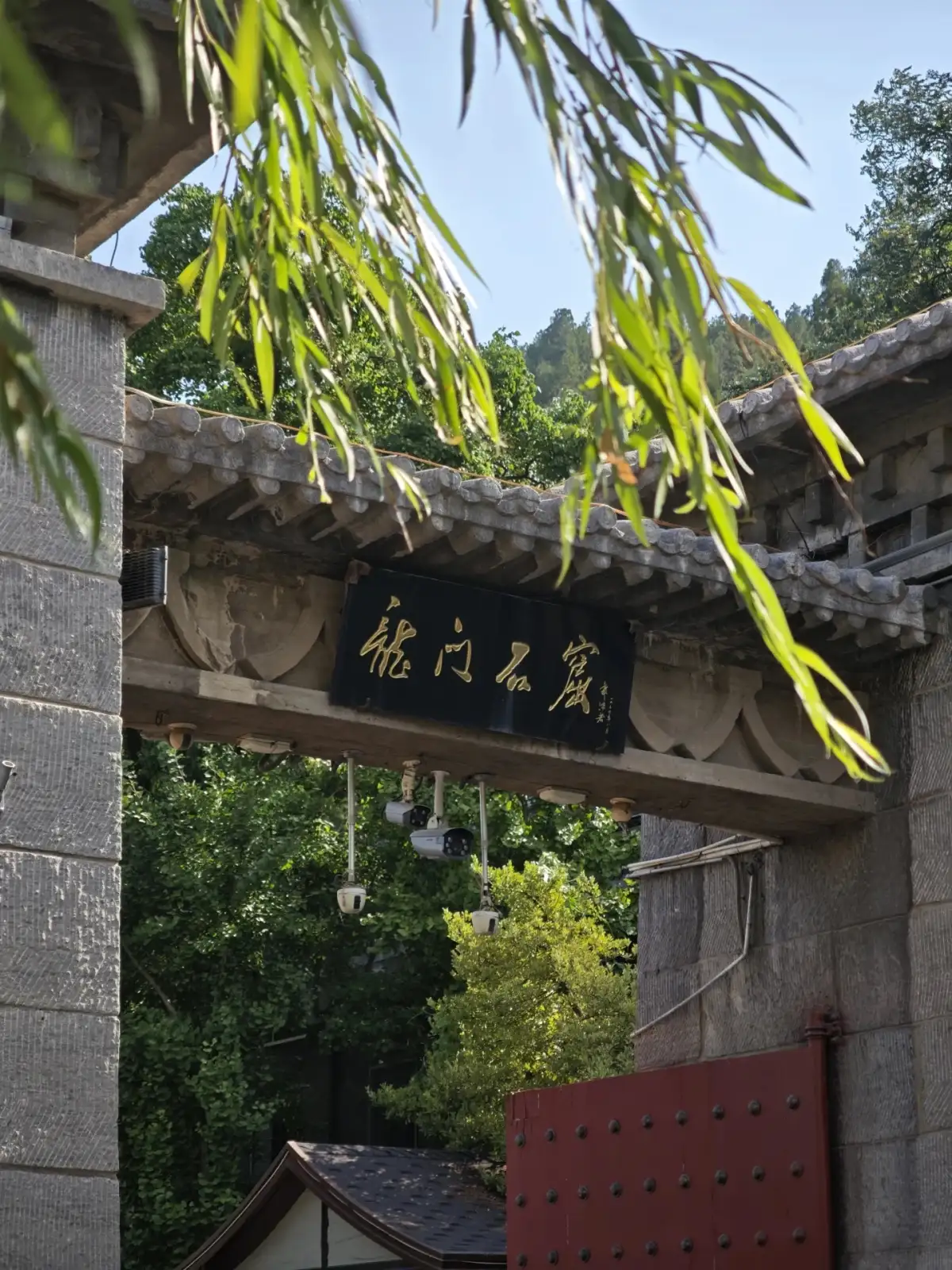
Weeping willows shade the gray-tiled gatehouse; beneath the gate, red door panels and a black-backed plaque with calligraphy are visible... Photo:Ji Ze · Original Post.
If some in your group are interested in the details of the carvings while others are more eager to see the illuminated scenes, you can first discuss which is a shared desire for the whole family. If your common interest is understanding Longmen, it would be more appropriate to schedule a segment focused on cultural appreciation first; if everyone hopes to experience the nighttime atmosphere, you can scale back the earlier city-related content slightly. Once your priorities are clearly defined, you won’t have to constantly juggle your time between these two goals.
The walking pace of elders and children will also influence your choices. Families that need frequent breaks can minimize continuous walking and focus on a few sites that can be fully appreciated. Those who enjoy in-depth reading can opt for more explanations and comparisons, helping their companions understand why they should stop at a particular spot. How each person chooses to participate is more valuable than applying a single guide’s suggested completion time to the entire family—and it also helps reduce the need to rush one another while on-site.
Overseas travelers may also need to confirm reservations, identification details, and actual transportation arrangements. This article does not list specific identification requirements or ticket-purchasing procedures; however, you can provide your travel advisor with the actual identification details of your traveling companions before departure and complete the necessary arrangements through official channels. Once preparations are complete, you can focus your attention on the experience itself once you arrive on-site. Handling these formalities in advance ensures a more seamless cultural experience and facilitates communication should the itinerary need to be adjusted on the fly.
Give Longmen a memorable focal point
For first-time visitors, the goal could be “to compare the carvings at both sites and understand their placement on the cliff face”; for repeat visitors, the goal could be “to revisit familiar images under the glow of nighttime lighting.” Both are specific and can guide how long to stay. Rather than establishing a fixed hierarchy between daytime and nighttime visits, it is better to first clarify what you hope to gain from the experience, and then compare which conditions are better suited to achieving that goal.
This SiteLongmen Grottoes Destination OverviewThis can serve as a broad framework for planning your itinerary. Next, combine the areas you want to see, the key viewing points, and your return arrangements into a clear statement, then discuss its practical feasibility with a travel consultant. Daytime and nighttime each offer different focal points; choosing one means you’ve begun to define your own perspective for the trip, rather than simply following the most popular photo.
Sources and Editorial Notes
This article is an original travel analysis compiled by the Dongxing Travel editorial team based on the cited materials; it is not a firsthand account by the author. The full text of the original post has not been reproduced; accompanying images are used within the scope of authorization and are credited to the author and the source of the original post. They do not serve as proof of actual visits or services provided to Dongxing Travel clients.
Ji Ze · 🌞 A Day of Intensive Exploration at the Longmen Grottoes in Luoyang · Travel Notes; Verification/Compilation Date: October 3, 2026.
up🆙 · Travel Guides for Major Attractions in Luoyang · Travel Notes; Verification/Compilation Date: October 3, 2026.
Longmen Grottoes Scenic Area · Longmen Grottoes Visitor Guide · Official sources; Verification/compilation date: October 3, 2026.
UNESCO World Heritage Centre · Longmen Grottoes · Official sources; Verification/compilation date: October 3, 2026.