When a family visits Maijishan, they often bring three wishes with them: some want to see the expressions on the clay sculptures, some look forward to the spectacular cliff faces, and some hope to walk slowly without feeling rushed. Combining these three wishes into a single goal of “seeing it all” can actually create pressure once you’re there. A better approach is to first confirm what each person wants to see, and then discuss which sections you can explore together.
小红书作者“南郭”把麦积山放进自己多次石窟参观的兴趣中,特别关注艺术感受和特窟。这样的个人观看线索适合启发爱好者的提问,却不会自动成为家庭共同路线。麦积山也是有保护条件与运营安排的遗产现场,参观深度、步行接受度和同行合作需要一起考虑。
or a fear of heights but love grotto art—should you still go?
First, distinguish between “wanting to come” and “being willing to enter all high-altitude passages.” Interest is one thing; action should be determined by your own genuine feelings about the on-site environment. Before setting out, review the images of the pathways and cliff faces in the official guide. Upon arrival, observe the actual ground surface, railings, and foot traffic in the permitted areas, then choose the sections you feel comfortable with. Don’t let your companions make the decision for you by simply saying, “Everyone else can do it.”
or are afraid of heights, you can also focus on the relationship between the mountain’s contours and the layout of the grottoes. Viewed from a distance, the grottoes are no longer isolated rooms but rather artistic and religious spaces distributed across the mountainside. The placement of architectural openings and passageways helps explain why viewing must be linked to physical movement. Those willing to walk more can examine the details of the sculptures, while those who prefer to walk less can view the overall composition; both can participate in the discussion.
If anxiety is already affecting your ability to walk, prioritize your own well-being and follow the guidance of on-site staff to choose an appropriate exit or waiting arrangement. Travel companions should not encourage you to push past your psychological limits by urging you on or taking photos. Agreeing in advance on who will stay behind and who will continue can actually preserve both parties’ interest; the completeness of a journey can stem from the shared experience itself, rather than the need for everyone to reach the same destination.
upon seeing the passageway at the site, what are the first three questions you should ask?
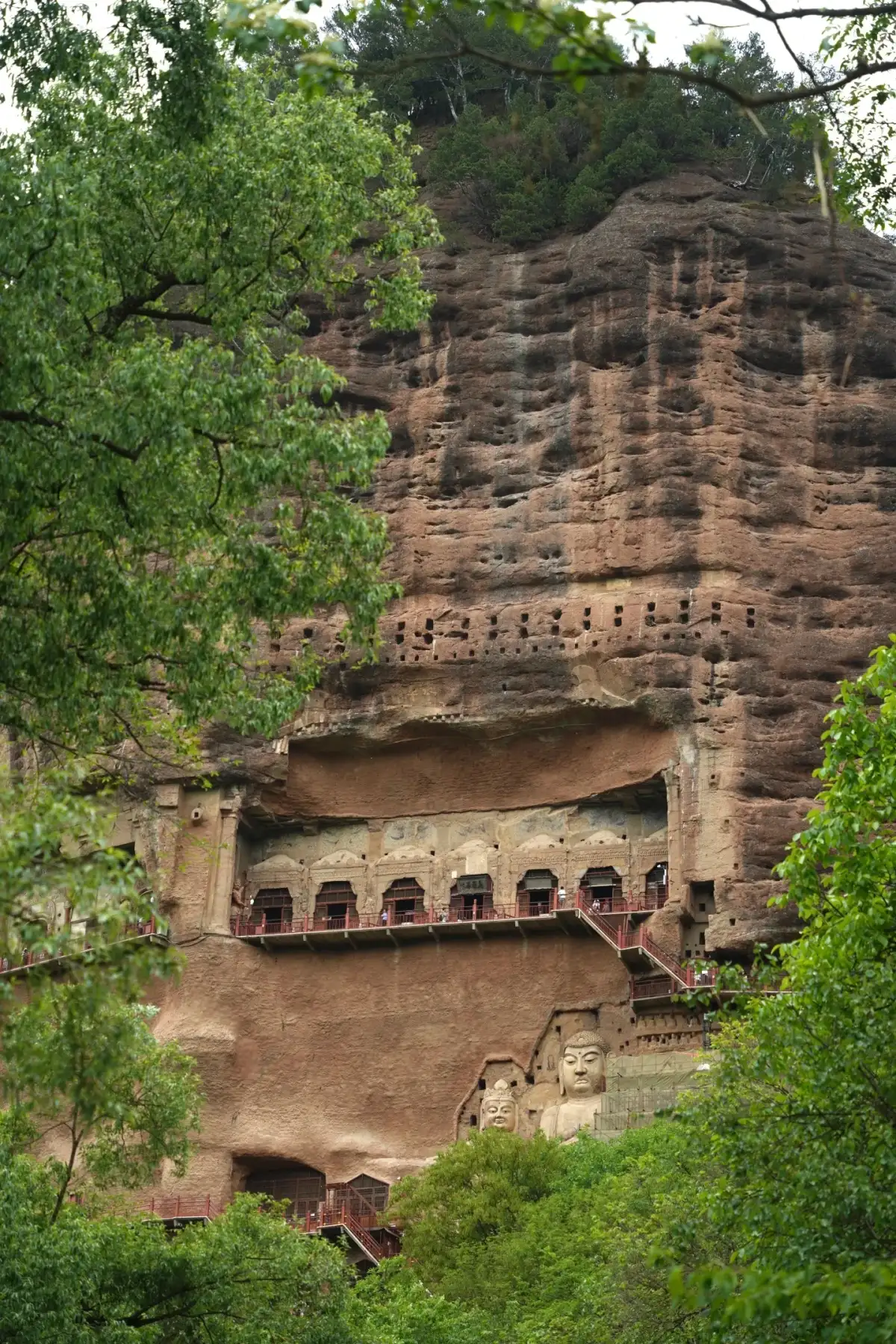
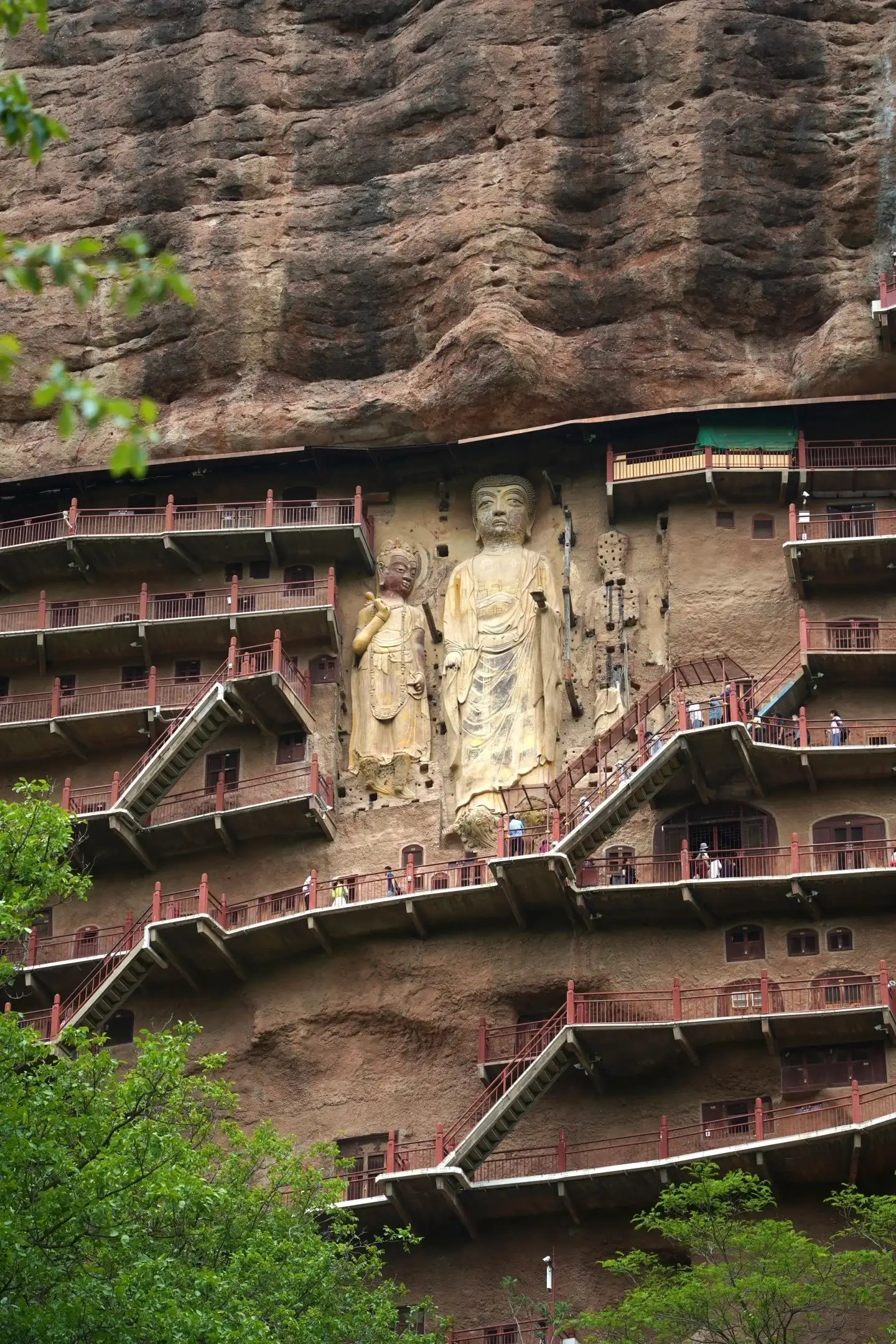
Caves and walkways on the cliff face of the Maijishan Grottoes. Photo:Nan Guo · Original Post.
Check whether this passage is part of the day’s open tour route, and confirm the exit and turning conditions ahead. Follow staff instructions and avoid walking in the opposite direction or looking for shortcuts on your own.
Ask yourself: Can you walk and stand steadily right now? Do you have a companion who needs assistance? Clearly communicating your physical sensations facilitates cooperation more than silently enduring discomfort to avoid dampening the mood.
If you decide to walk less or call it a day, where will you meet up with your companions? Settle on a meeting spot and arrangements for who will stay with whom first, then discuss any remaining viewing plans—this will make the experience much more relaxed on-site.
How should you choose between a regular tour and a special cave tour?
start by assessing your level of interest, rather than interpreting the “Special” in the name as an upgrade required of all visitors. A standard tour can still center on the expressions, postures, and spatial arrangements of the clay sculptures. For first-time visitors to grotto art who don’t yet have a specific research question in mind, mastering the basics of observation is often more effective for absorbing the content than adding extra activities.
, it’s best to approach the caves from a specific artistic perspective: Do you want to learn about a particular type of sculpture, the style of a specific period, or the conditions for preservation and viewing? Consult the officials about the available options and guided tour content for that visit, then decide whether they align with your interests. The payment details and visit arrangements in my personal notes reflect the author’s circumstances at the time; this article does not convert them to today’s standardized prices or list them as options available at any time.
the whole family doesn’t have to choose the same level of depth at the same time. Enthusiasts can participate in more specialized tours when arrangements are made in advance, while other family members can spend time relaxing and enjoying the mountain and forest surroundings. The prerequisite is that entry arrangements, meeting points, and supervision responsibilities are clearly established. Turning in-depth exploration into a separate segment is more accommodating than requiring everyone to patiently listen to the same set of expert explanations.
What should you pay attention to when viewing clay sculptures so you can recognize their distinctive features without having to memorize every name?
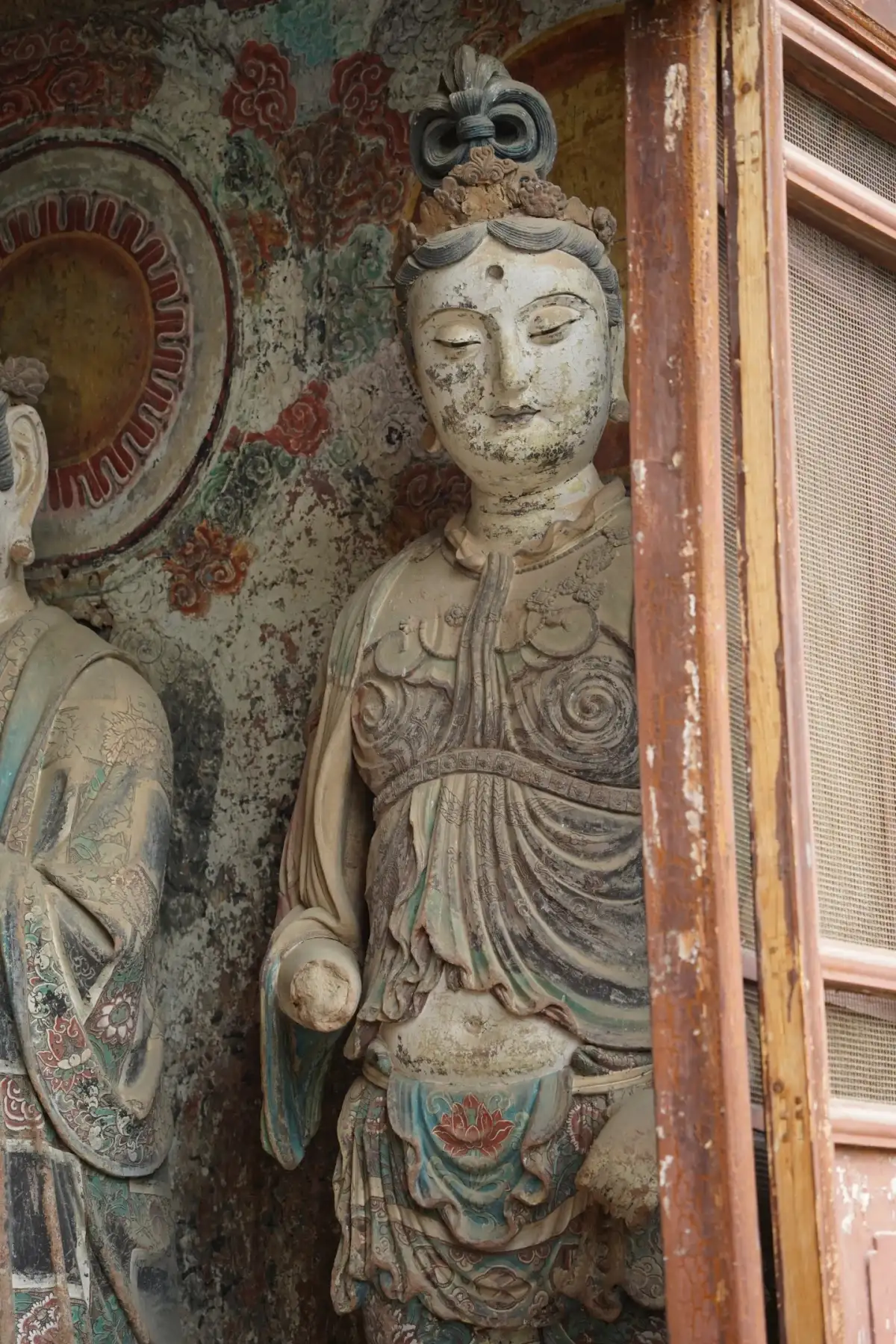
Polychrome sculptures inside the Maijishan Grottoes. Photo:Nan Guo · Original Post.
A conservation report from the Dunhuang Academy highlights an easily overlooked fact: viewing clay sculptures involves both the material itself and the preservation environment. A sculpture is not merely a design; it has volume, surface texture, and polychrome painting, and it requires ongoing conservation. When visiting the site, start by taking in the overall silhouette, then observe the gestures, the direction of the head, and the body’s center of gravity; finally, read the explanatory notes to connect the work to its historical period and subject matter—rather than immediately searching for a “viral” nickname.
For those interested in the expression of the figures, I recommend selecting one statue for a longer, closer observation. How the eyes, corners of the mouth, shoulders, and hands work together to convey consistent or contrasting emotions is a more specific question than simply asking whether a “smile looks nice.” A sculpture’s expression is not conveyed by a single facial feature alone. If you notice the drapery lines, observe how they follow the contours of the body and help shape its volume, rather than rushing to interpret every line as a specific historical garment.
when parents are visiting with children, they can ask about the differences between standing and sitting postures, where the hands are placed, and where the figures are looking. Children do not need to be familiar with Buddhist terminology to observe these details. Adults can then supplement the children’s observations with explanations of the figures’ identities and backgrounds, transforming the viewing experience from a series of technical terms into a reading of concrete forms. For visitors with limited Chinese proficiency, these visible details can also serve as a starting point for communication with the docent.
Is it appropriate to treat Maijishan as an “indoor” activity on a rainy day?
Visiting the grottoes doesn’t mean you’ll be confined to indoor urban spaces all day. Your arrival, the walk near the mountainside, and the viewing along the passageways are still subject to outdoor conditions. Official operational announcements have included information about closures and reopenings due to heavy rain, indicating that weather can alter visiting conditions. When planning your trip, check the official announcements for the day of your visit and allow for flexibility regarding cultural events in Tianshui itself—this provides a more comprehensive approach than relying solely on a weather map.
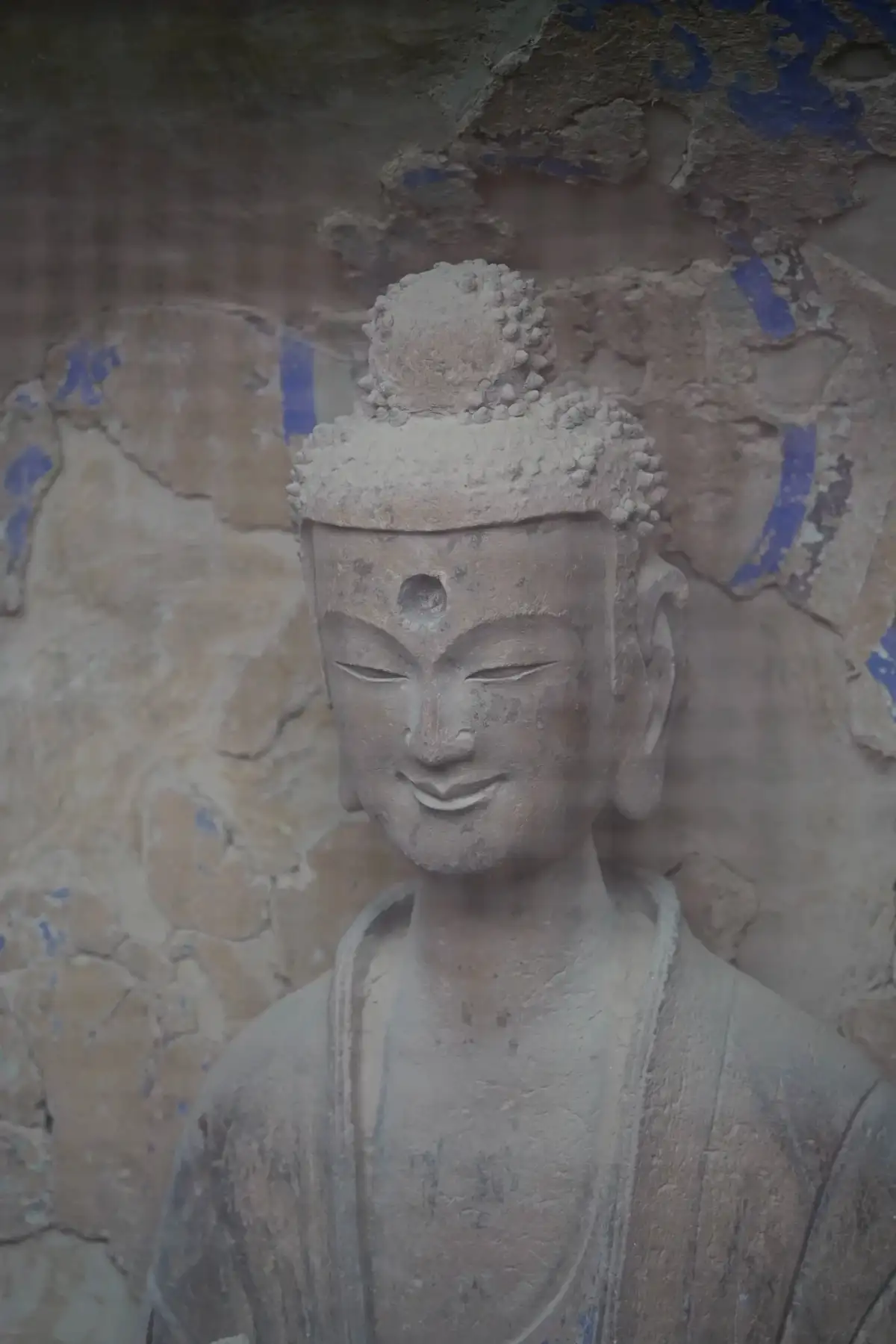
Detail of a sculpture at the Maijishan Grottoes. Photo:Nan Guo · Original Post.
If conditions on the day do not allow for the original plan, city museums offer an alternative way of viewing: artifacts are presented in display cases with labels and centralized explanations; at the grotto site, however, the art is set back within the mountain and its natural spaces. The two can complement each other; there’s no need to view such adjustments as a complete loss of the cultural travel experience. Long-term planning can also include “flexible days,” separating expectations for a specific project from other activities that are certain to take place.
How can foreign visitors have a meaningful viewing experience?
it’s recommended to share your interests with the reception or tour guide before arrival—for example, whether you’re more interested in sculptural techniques, Buddhist themes, or the mountain’s layout. Then confirm the actual language support and scope of the tour. A simple list of keywords—such as clay sculpture, polychrome painting, grottoes, statues, and conservation—can provide a common foundation for on-site identification; truly in-depth artistic discussions, however, require appropriate interpretation, not merely a word-for-word translation of the signs.
Booking should also be linked to identification documents and the correct starting point for the tour. Passport holders should verify their identity information and entry procedures through official channels for that visit, and each traveler should keep their own travel documents. If an advisor is assisting, specify whether anyone has a fear of heights, needs to walk slowly, or may wish to limit the amount they see—this information affects how the tour is organized and should be discussed in advance, along with language requirements.
Maijishan can be a shared artistic destination for the whole family—provided you have a broad interpretation of what “shared” means. Some may remember a particular clay sculpture; others may grasp the layout of the grottoes on the mountainside; still others may simply have taken the time to accompany their family on part of the journey. By bringing these discoveries into conversations after leaving, everyone makes their own contribution, and the day won’t boil down to a competition over who climbed higher or saw more.
Source and Editorial Notes
This article is an original travel interpretation compiled by the Dongxing Travel editorial team based on cited materials; it is not a firsthand account by the author. The full text of the original post has not been reproduced; accompanying images are used within the scope of authorization and are credited to the author and the source of the original post. They do not serve as proof of actual travel experiences or services provided by Dongxing Travel.
Nanguo · Gansu | Maijishan Grottoes · Travel Notes; Verified/Organized on: October 3, 2026.
Introduction to the Dunhuang Academy · Maijishan Grottoes Art Research Institute · Official sources; verified/compiled on October 3, 2026.
Dunhuang Academy · Maijishan Grottoes: Technology Ensures Enduring Splendor · Official sources; verified/compiled on October 3, 2026.
Maijishan Grottoes Art Research Institute · Official Information on the Maijishan Grottoes · Official sources; verified/compiled on October 3, 2026.